


By Emma Krasov. Photography by Yuri Krasov.
In the ever-expanding world of travel, this year’s trend emerged and captured the hearts of history buffs, adventurers, and sun worshippers alike. It popped up in social media posts and casual conversations, and painted vivid pictures of ancient ruins, Byzantine castles, rocky mountainous trails, framed by wild flowers, and azure seas under the cloudless sky. The trendsetter was none other than the captivating destination of Greece.
Far from pretending that was a scientific approach, I couldn’t help but notice a strange coincidence: everyone I told about my recent trip to Greece, inevitably remarked on how they always wanted to go there, or how they already have it in their vacation plans, or even how they already got air tickets, and are flying to Athens in the following weeks!
TBEX Europe 2023
Could it be that the power of my thought had such extra sensorial influence on everyone around me that it made all my friends, colleagues and acquaintances follow in the same direction? Or was it just the fact that this year’s TBEX Europe 2023 (an international annual Travel Blog Exchange conference) in the city of Kalamata brought to Greece so many travel bloggers and journalists that this country’s rich history, breathtaking landscapes, delightfully healthy, straight from the farm and sea cuisine, created a perfect storm that propelled it into the limelight of travel industry, and reinforced its status as a magnet for explorers, culture vultures, and leisurely tourists?
For more than a decade now, TBEX conferences serve as a platform for attendees to connect, learn, and collaborate in the field of travel media. Every TBEX event, be it in America, Europe, Asia, or—for the first time this year—Africa, includes keynote speeches, panel discussions, workshops, and networking opportunities, but also provides a platform for destination marketing organizations, tourism boards, and tour operators to showcase their services. Travel organizations often host familiarization trips to foster collaboration and partnerships with TBEX participants, and thanks to these generously offered trips, we, the media, could explore the many wonders of Greece and experience its cultural, historical, and natural attractions.
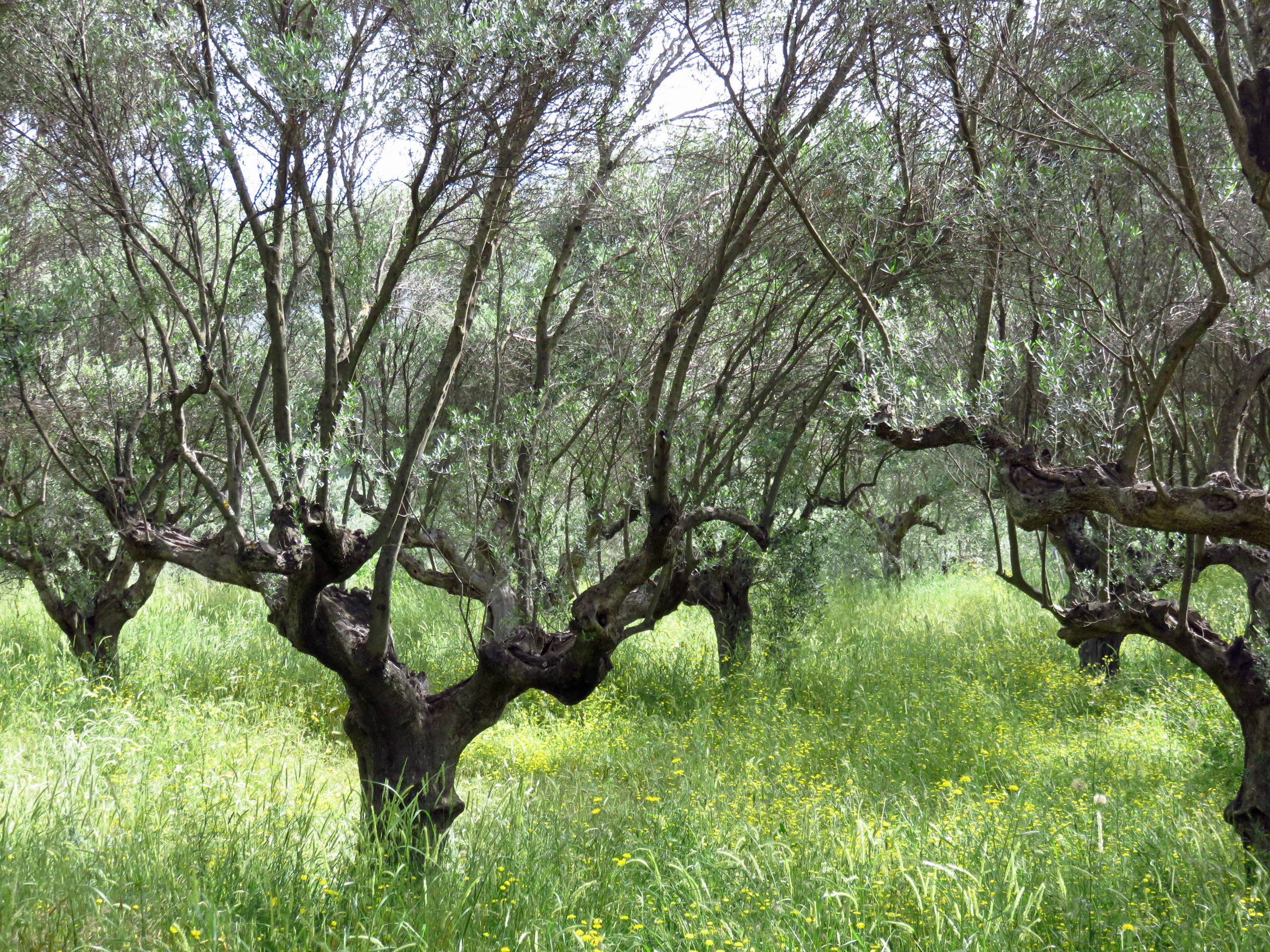
In the course of mere days, social media platforms became virtual galleries showcasing Greece’s stunning visuals. Content creators found their inspiration in fascinating ruins from antiquity, medieval castles, picturesque fishing villages, seaside sunsets, thriving olive groves, and hospitable tavernas. An avalanche of photo and video reports told a thousand tales…
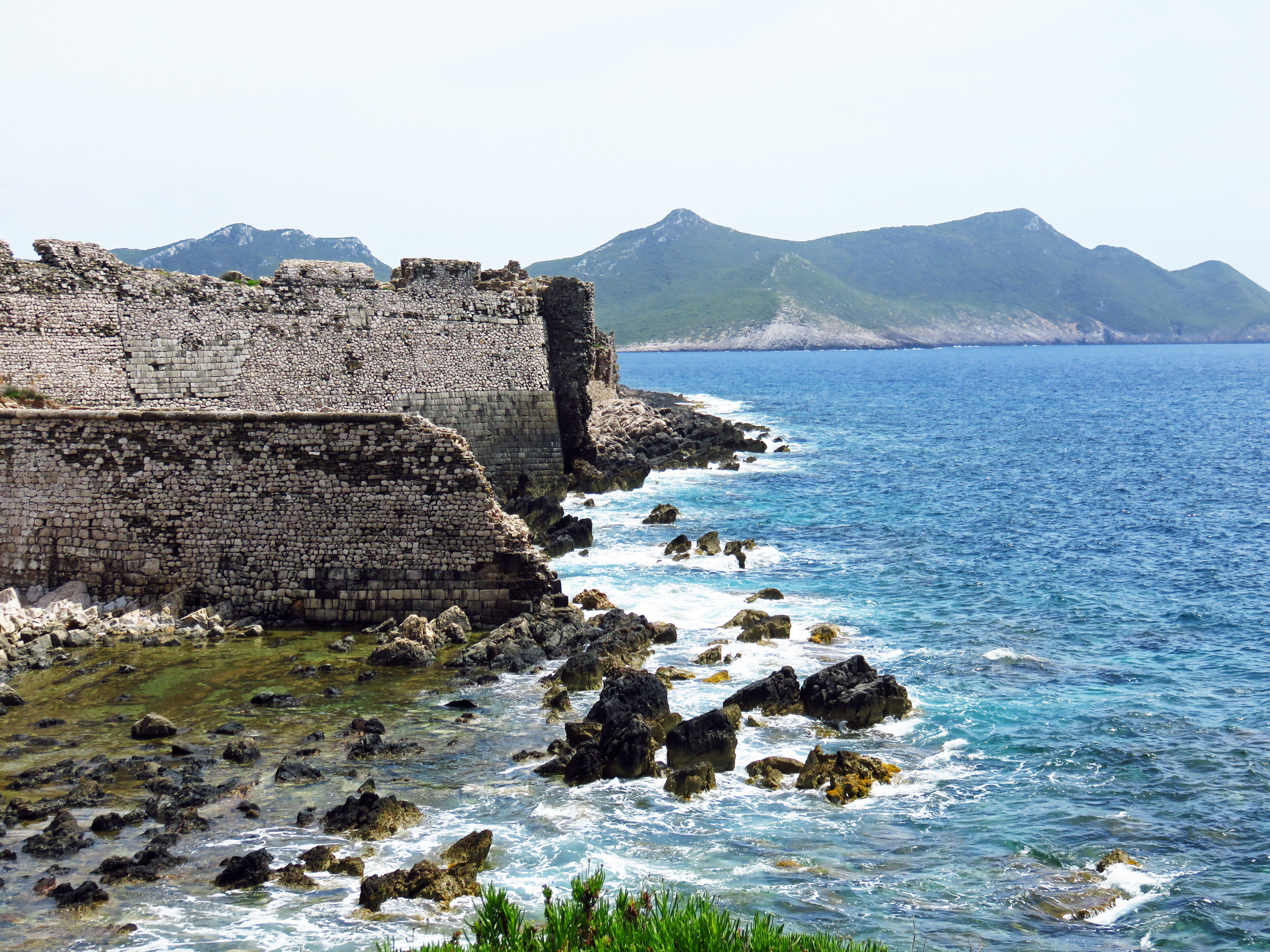
Greece
The reality of the established international travel conference happening here, and the global spike in tourist curiosity toward Greece became possible due to the fact that the country recently embarked on a journey of economic revitalization, and focused on promoting its tourism sector as a means of driving growth and development. The Greek government invested in infrastructure, hospitality, and tourism services. The result was a remarkable transformation, as new highways were built, old towns revitalized, ancient sites carefully restored, and new luxury resorts appeared by the seaside. Greece’s commitment to hospitality, coupled with its everlasting beauty, created an irresistible combination for travelers seeking both authenticity and luxury.
Geographically positioned at the crossroads of Europe, Asia, and Africa, acting as a gateway to a myriad of cultures and histories, Greece, a true star of the Mediterranean, has always been a prime destination for travelers of all kinds. The affordability and convenience of traveling to Greece only served to intensify the trend. Lately, Greece’s commitment to sustainable tourism added to its popularity. Recognizing the fragility of its natural environment, Greece embarked on an eco-conscious path, promoting responsible travel practices and sustainable initiatives. This approach resonated with modern travelers who sought meaningful and ethical experiences, further bolstering Greece’s status as a trendsetter. The fascination with the mythical destination, especially among the U.S. travelers, continues to grow, turning into a deep and enduring bond—a testament to the timeless allure of Greece.


Sparta and Mystras
Two historically significant cities located in the southern region of the Peloponnese Peninsula became the focus of our post-conference familiarization trip, providing a glimpse into the picturesque sea-and-mountains region, and its unique place in Greek history.
Sparta, renowned for its military prowess, was a dominant city-state in antiquity. It was known for its fierce warriors, trained from a young age in the art of warfare. Sparta’s society revolved around military discipline, loyalty, and the pursuit of physical excellence. The Spartans placed a strong emphasis on personal strength and courage. They valued austerity, self-discipline, and dedication to the greater good of the community.
While the life in Sparta was centered on the military training of men, women had more freedom than in other ancient city-states. They received physical education, participated in athletic competitions, and had more autonomy in managing their households and properties.
Sparta had a unique political system. It was ruled by two kings who shared power, along with a council of elders known as the Gerousia. The Gerousia acted as an advisory body whose decisions were presented to the all-citizen general assembly, the Apella, mandated to be the highest authority, whenever it convened. This unique political system created a balance between the monarchy, the council, and the voice of the people.
Petros G. Doukas, Mayor of the contemporary city of Sparti (founded to commemorate the ancient Sparta) and Chairman of the International Chamber of Commerce (Greece), met with our TBEX group at the Museum of the Olive and Greek Olive Oil dedicated to olive oil production since prehistoric times, and to the connection between the humble olive and the identity of the region expressed in economy, nutrition, art, religious worship, and technology.
The charming and energetic Mayor instantly connected with us, a team of travel writers, mostly from the U.S., by stating that “very few people know that the Spartan Constitution was the source of inspiration for Alexander Hamilton and James Madison for the Constitution of the United States, according to The Federalist Papers.”
He emphasized that for the first time in the history of mankind, Sparta developed a well-crafted Republican-type Constitution, by which all social classes participated in the political system. Thus all of them were included in the decision-making process, while there were a well-established systems of checks and balances, and safeguards to protect land property rights against the power of simple majority (which by default consists of poorer classes). The Spartan Constitution created citizens with political rights and obligations, rather than ‘subjects’ to a ruler—also for the first time in history. All Spartans, poorer and wealthier, who undertook the Spartan public education, had equal voting rights and equal rights to hold office.
The Mayor also spoke about the thriving town of Sparti and the larger region of Laconia, where people “tend to have better education, higher middle class income, and well-developed system of social support.”
“Laconic people are very proud,” he said. “They don’t go looking for help.” The city’s social workers actively look for those who need help from the municipality, and provide it. According to the Mayor’s office, they currently work with only 35 families in need, and there’s no homelessness in the city.
Sparta Walking Tour
On a Sparta Walking Tour with our experienced English-speaking guide and translator, Konstantina Tyrovola, offered in collaboration with the company Laconia Travel, we explored the city center and some of its most notable attractions:
The House of Mosaics. An enclosed architectural space that shelters two beautifully preserved pavement mosaics from the Roman Imperial period—one depicting the Abduction of Europa (second half of the 3rd century A.D., discovered in 1872) and another, on the adjacent property—Orpheus Playing Lyre to Animals (early 4th century A.D., unearthed in the 1890s).
The Ancient Acropolis of Sparta. A scenic archeological site with olive trees and red poppies among the ruins of one of the largest ancient theatres, constructed of local white marble, plus the remnants of the Sanctuary of Athena Chalkioikos.
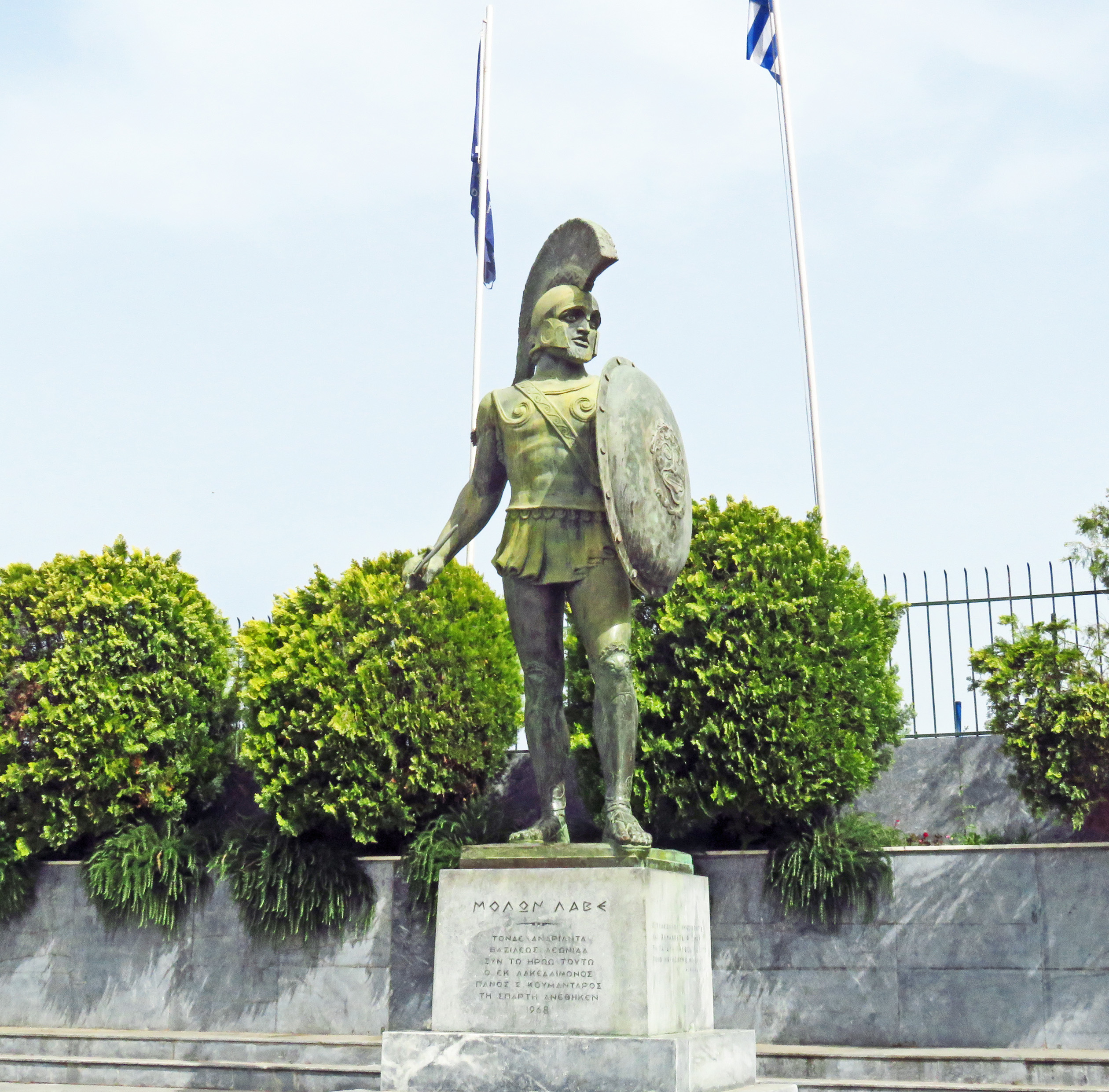
We also visited the nearby Cenotaph (empty tomb of Leonidas) excavated in 1892, and a contemporary statue of Leonidas in front of the Municipal Stadium.
A Neoclassical Building on Ananiou Street—one of the many similar buildings usually shown on an architecture-themed tour of the city.
The Archaeological Museum and Park, and the city’s central square with the City Hall.
A Statue of Lycurgus—the legendary lawgiver of Sparta, credited with a host of reforms that promoted the three Spartan virtues: equality, military fitness, and austerity. He invented a land redistribution exercise to enforce greater economic equality, instituted the system of communal dinners were Spartans had to share meals, converse, and get to know each other, and implemented schooling for girls.
By the end of our city tour, we tried some tasty local delicacies—bitter orange preserves, koulourakia (cookies) made with orange juice, koulourakia with grape must, and lalaggia (crunchy fried dough strips).
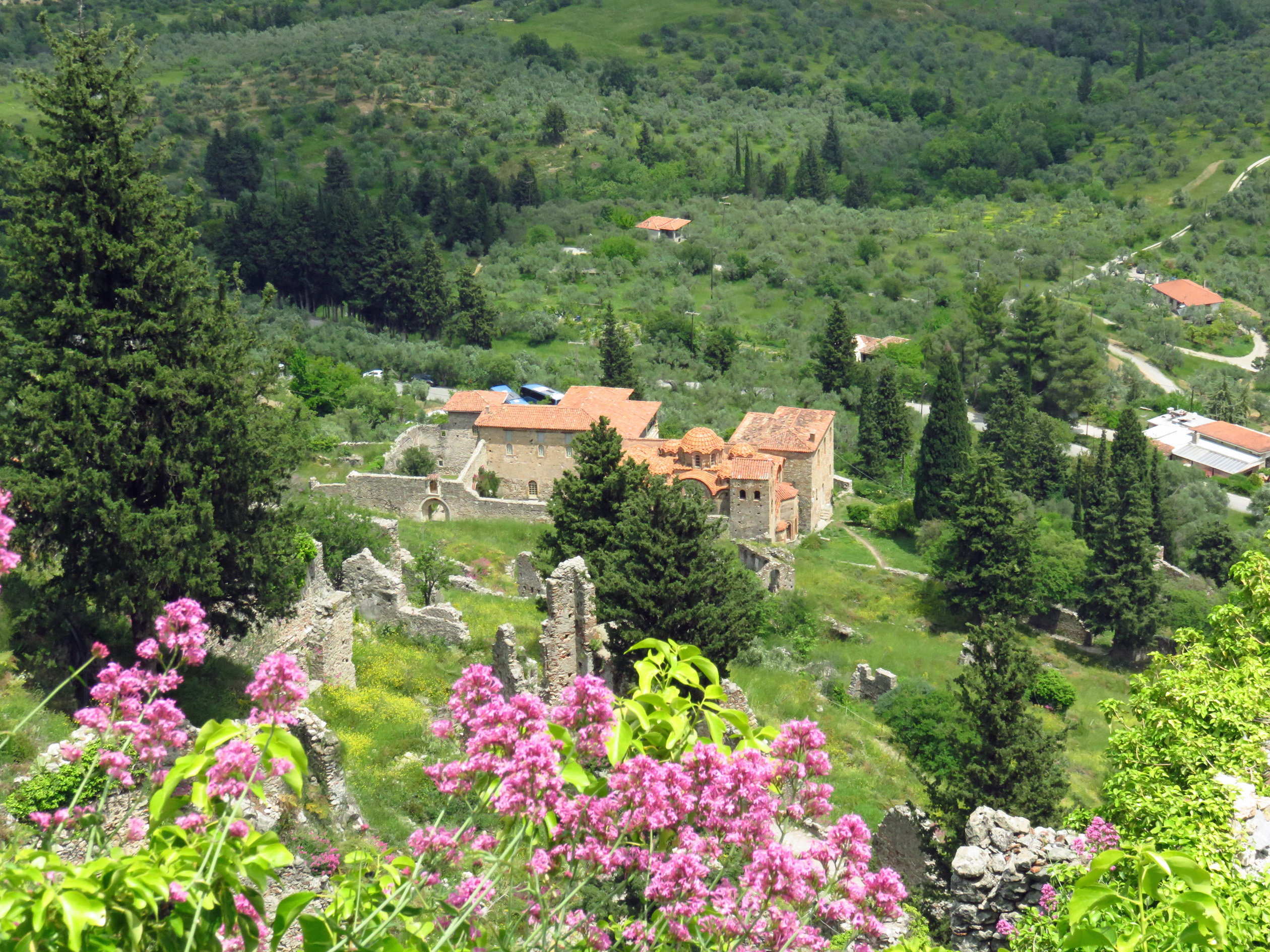
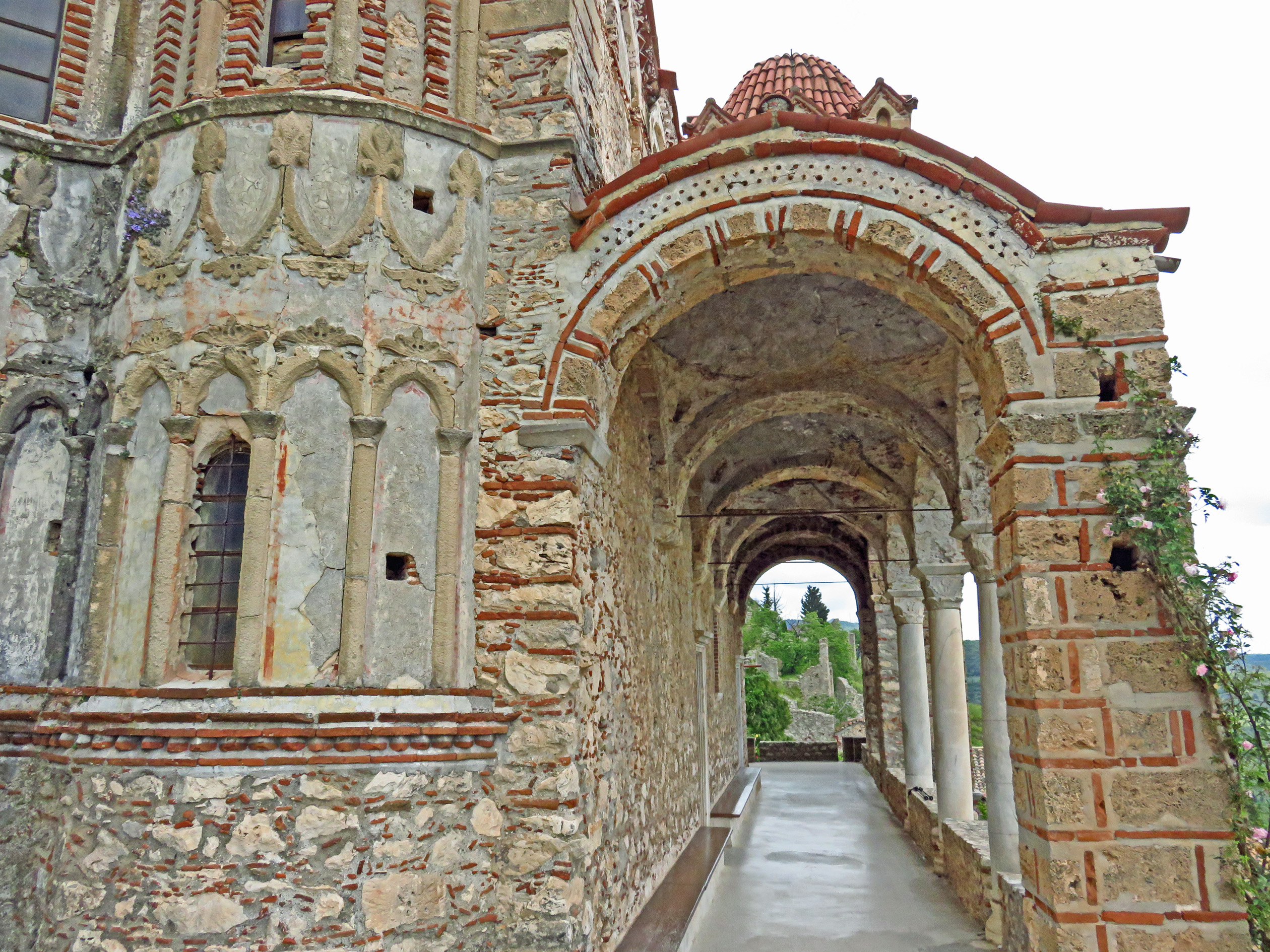

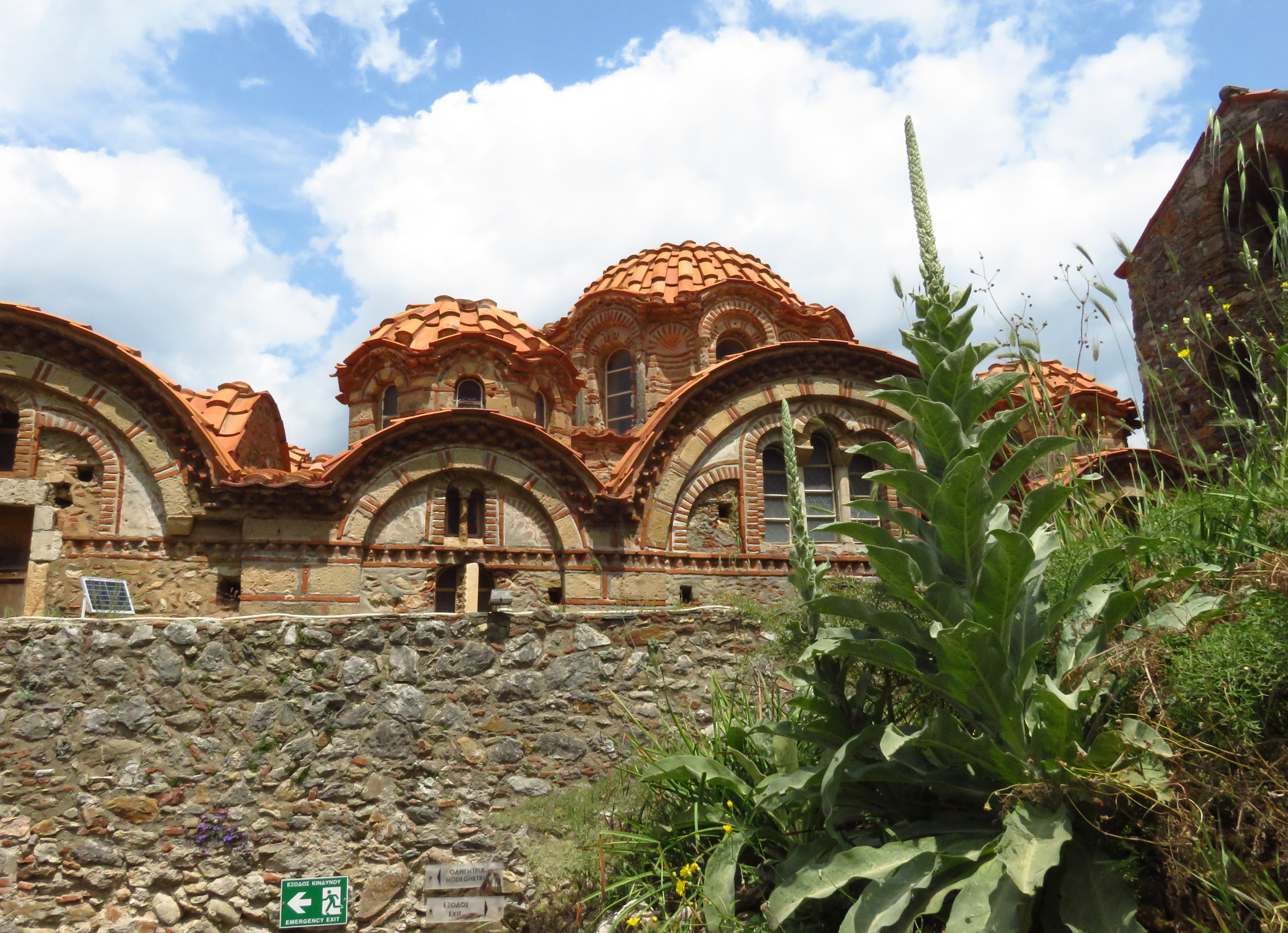
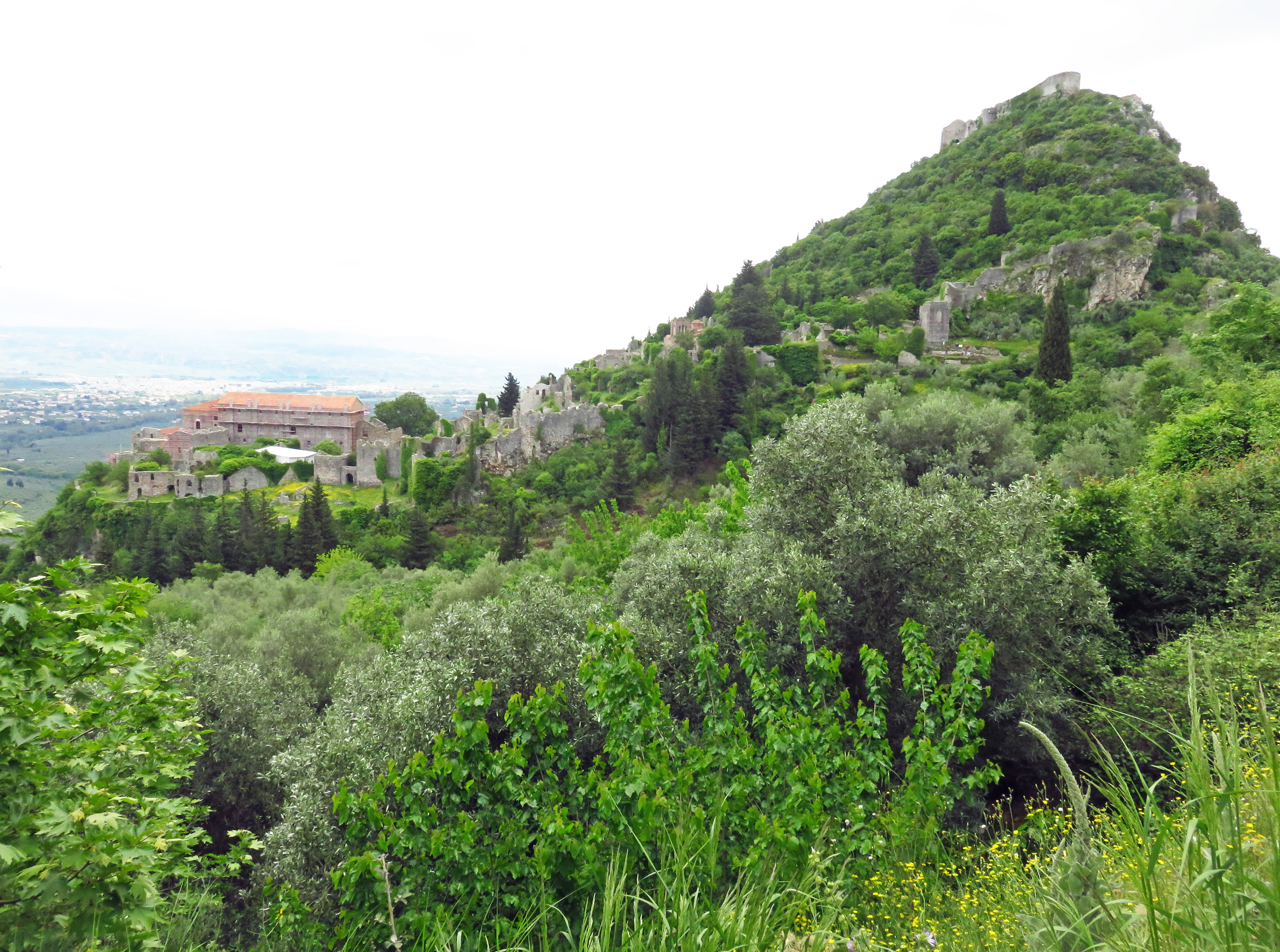
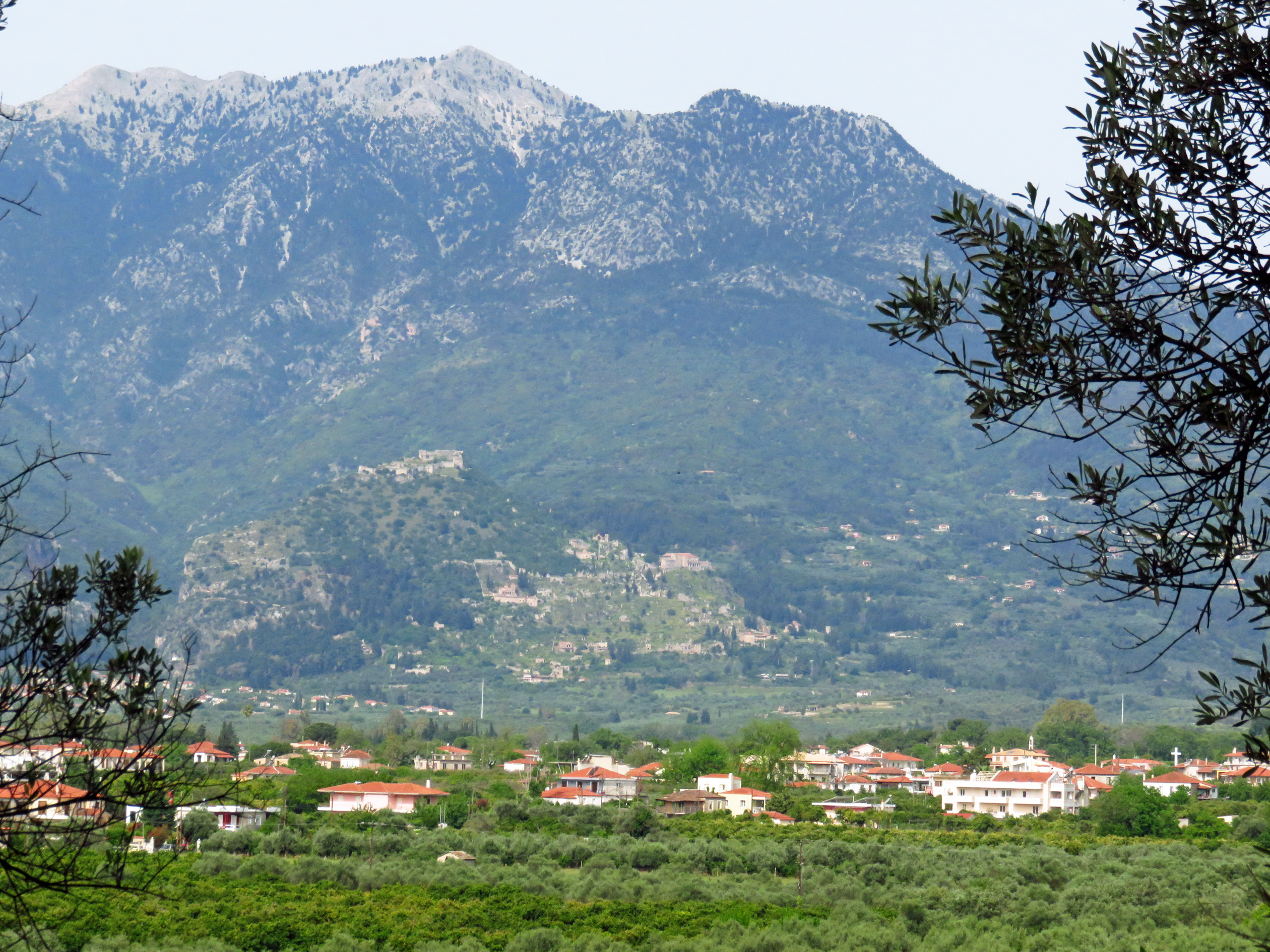
Mystras, a fortified city adorned with palaces, churches, monasteries, and grand residences, became prominent in the medieval era. It served as the capital of the Byzantine Despotate of the Morea, a semi-autonomous region within the Byzantine Empire. In the 14th and 15th centuries, Mystras, in its elevated geographical position upon a steep hillside, became a center of culture, religion, and learning.
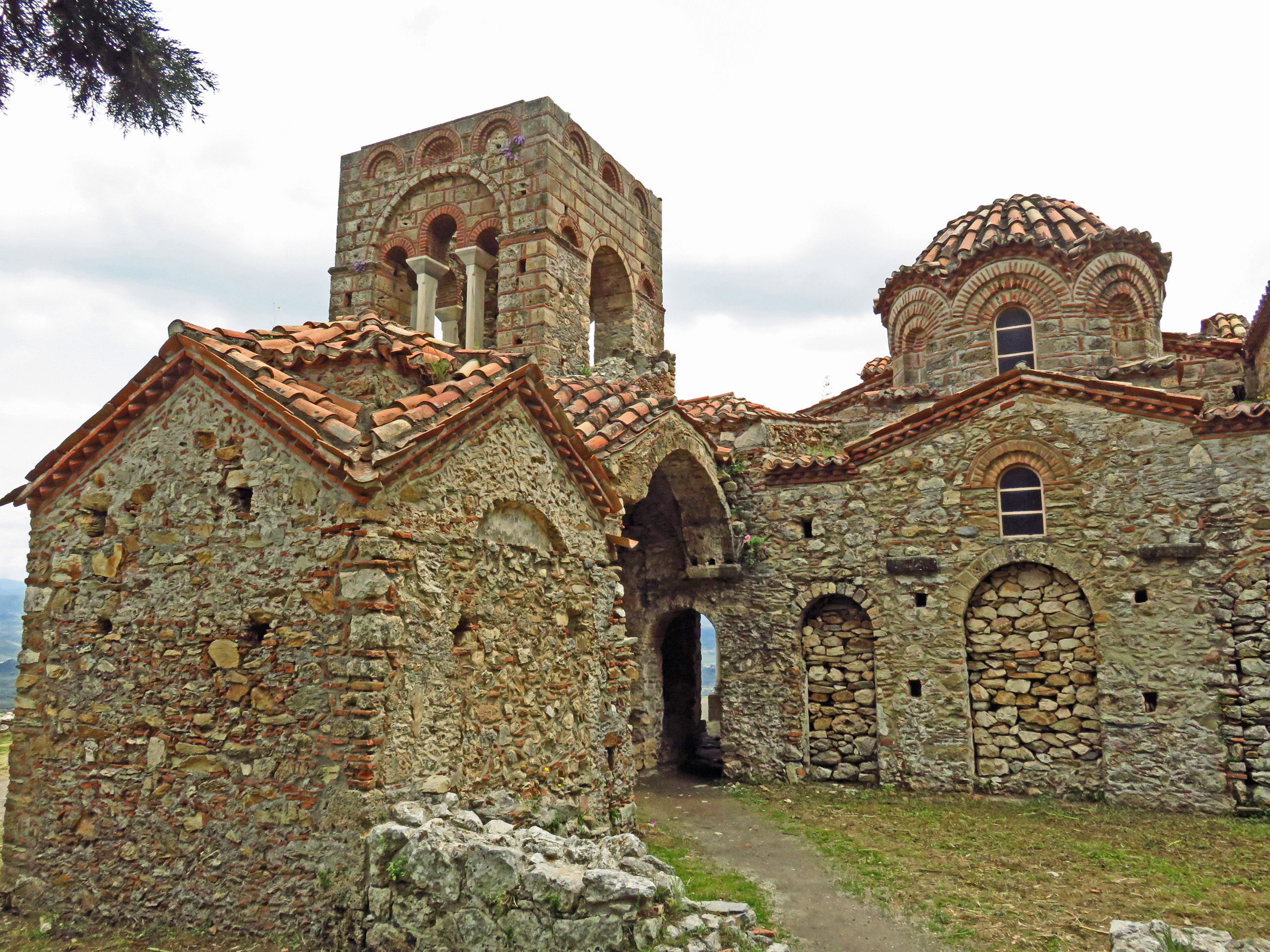
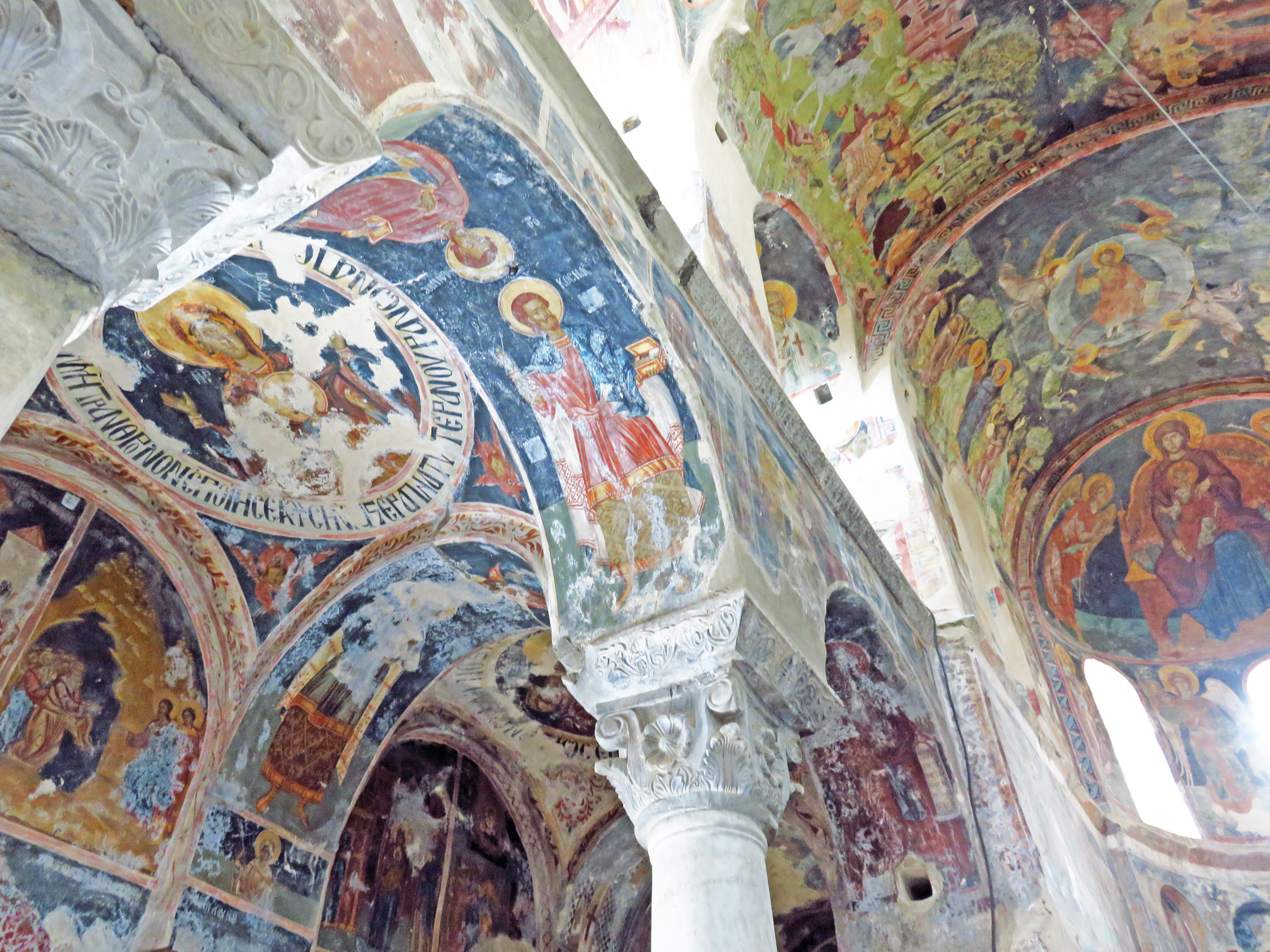
Its architecture expressed Byzantine, Venetian, and Frankish influences. The city churches boasted magnificent frescoes, intricate mosaics, and stunning examples of long-lasting art techniques we had a chance to enjoy on our three-hour tour of this fascinating area.
Mystras fell into decline after the Ottoman Empire captured it in 1460. The invaders left their traces everywhere, especially inside the churches, where, unable to destroy all the depictions of saints and angels that densely populated their inner walls and arches, the saber-rattling warriors resorted to scratching out the eyes as “windows to the soul” of the figures on frescoes.
The surviving buildings and the ruins of Mystras were exceptionally well-preserved, and because of its testimony to the development of Late Byzantine and Post-Byzantine art, Mystras was designated a UNESCO World Heritage site in 1989.
Today, both Sparta and Mystras provide a captivating glimpse into Greece’s ancient and medieval past, but there’s so much more to the region than its rich history!

Euphoria Retreat
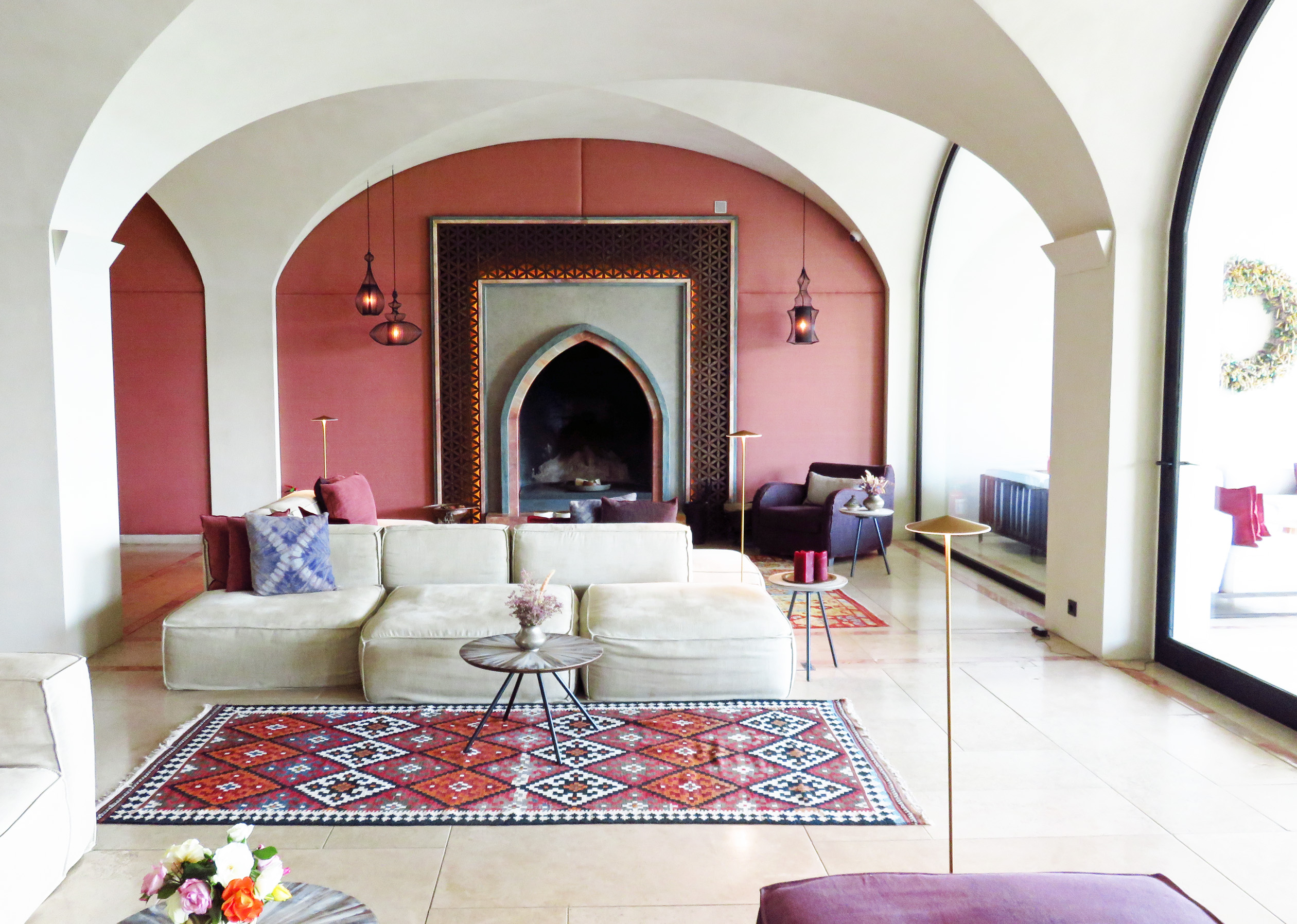
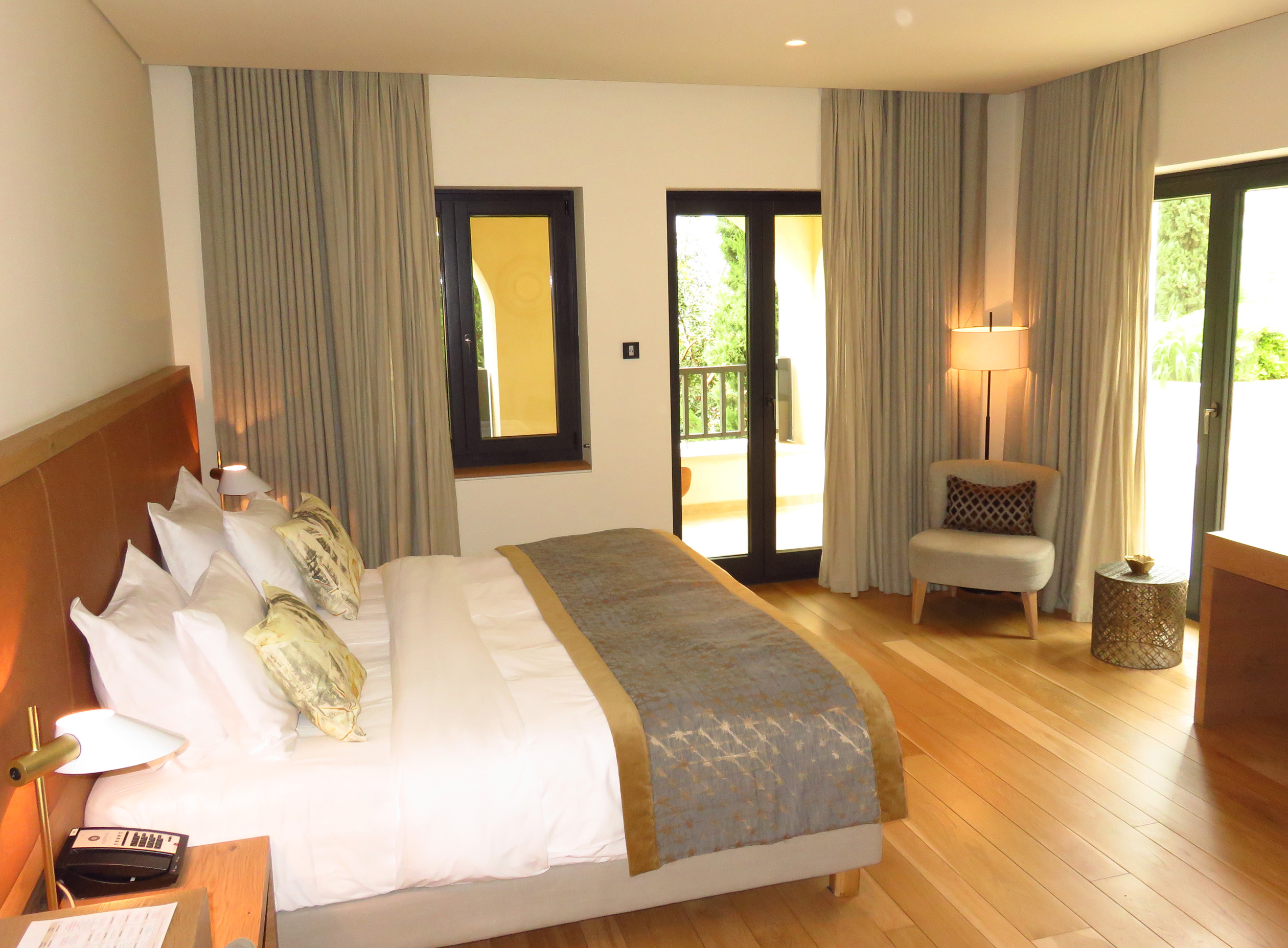
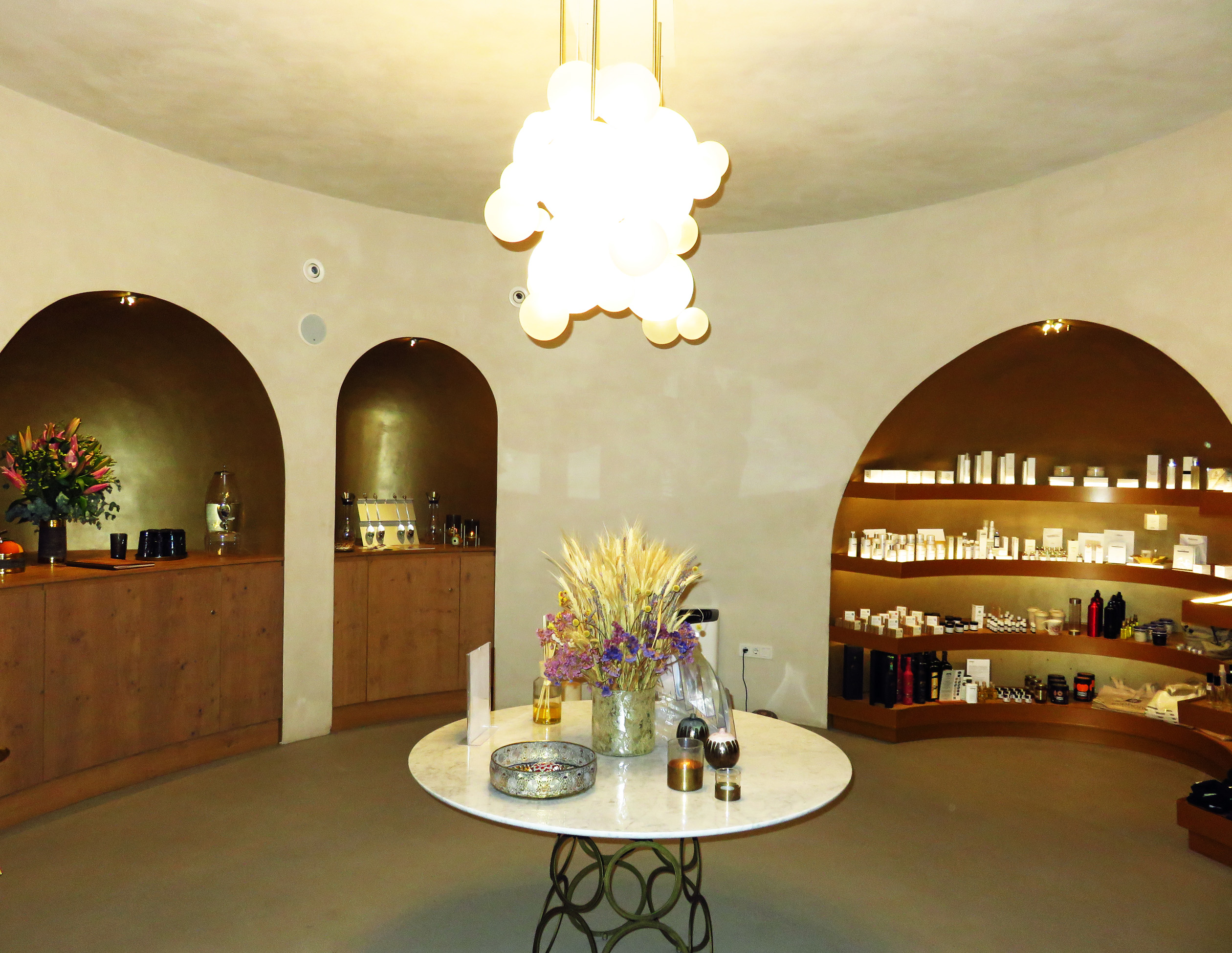
Euphoria Retreat is a wellness and spa multi-disciplined establishment located on a wooded hillside near the historical city of Mystras. Rooted in the natural properties of the Peloponnese region, this serene retreat offers a unique blend of ancient Greek healing traditions based on Hippocratic medicine, herbal remedies, therapeutic baths, and personalized nutrition plans, and Eastern philosophies of balance and harmony.
Coming from the concept of “euphoria,” which refers to a state of well-being, the retreat offers a range of experiences, including personalized consultations, rejuvenating spa treatments, yoga and meditation classes as well as aromatherapy, hydrotherapy, various types of massages, and nutritional guidance.
Conceptualized and founded by Marina Efraimoglou, Euphoria Retreat, which is now one of Europe’s leading wellness destinations, follows time-honored ideas of transformation and healing in its guiding principles and everyday practices.
According to Efraimoglou, she found inspiration for her project in 1999, on an immersive trip to Golden Door—a luxury resort and Asian-inspired spa in San Marcos, California, set on 600 mountainous acres with Zen gardens and a bamboo forest. Efraimoglou called it a life-changing experience, which turned her, a former corporate banker, into a wellness entrepreneur.

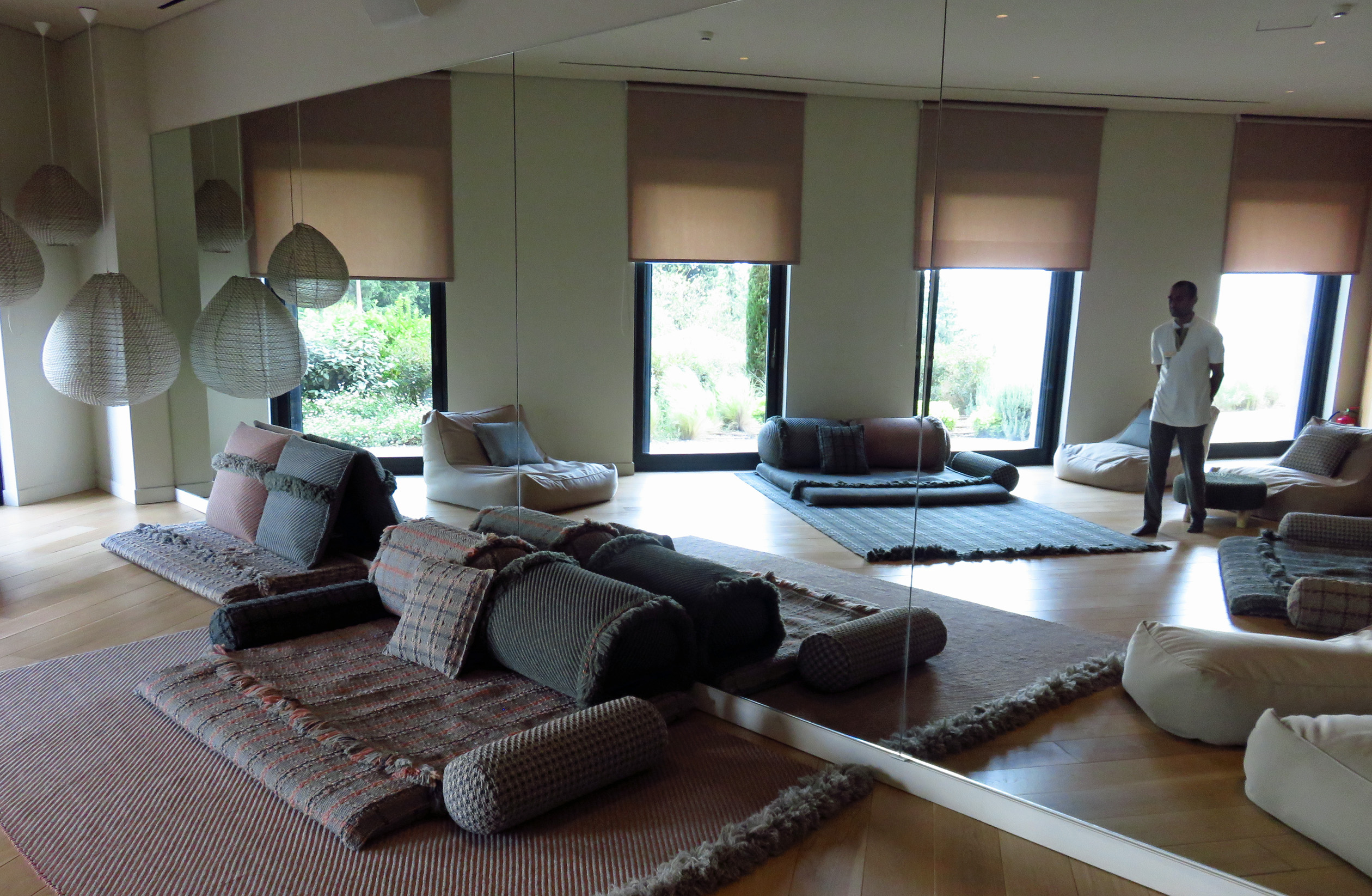
Opened in 2018, Euphoria Retreat concentrated on two different experiences—Programs and Retreats (or Journeys). The former include weight management, detox, immunity reset, emotional harmony, and so on, while the latter present comprehensive processes of transformation, titled according to their goals, Odyssey’s Journey, Feel Alive Again, The Spartan Adventure, Summer Fire and Passion, etc.
“The ancient Greek philosophers viewed life as joyful, sensual and full of exciting potential for growth,” said Efraimoglou. “I combined this understanding with the Five Elements of Chinese philosophy into our own Euphoria Method, which is the inspiration and basis of all our treatments. A big part of it is also our staff of the incredibly kind-hearted people, our attention to detail, the design and architecture of indoor and outdoor spaces, and our beautiful location.”



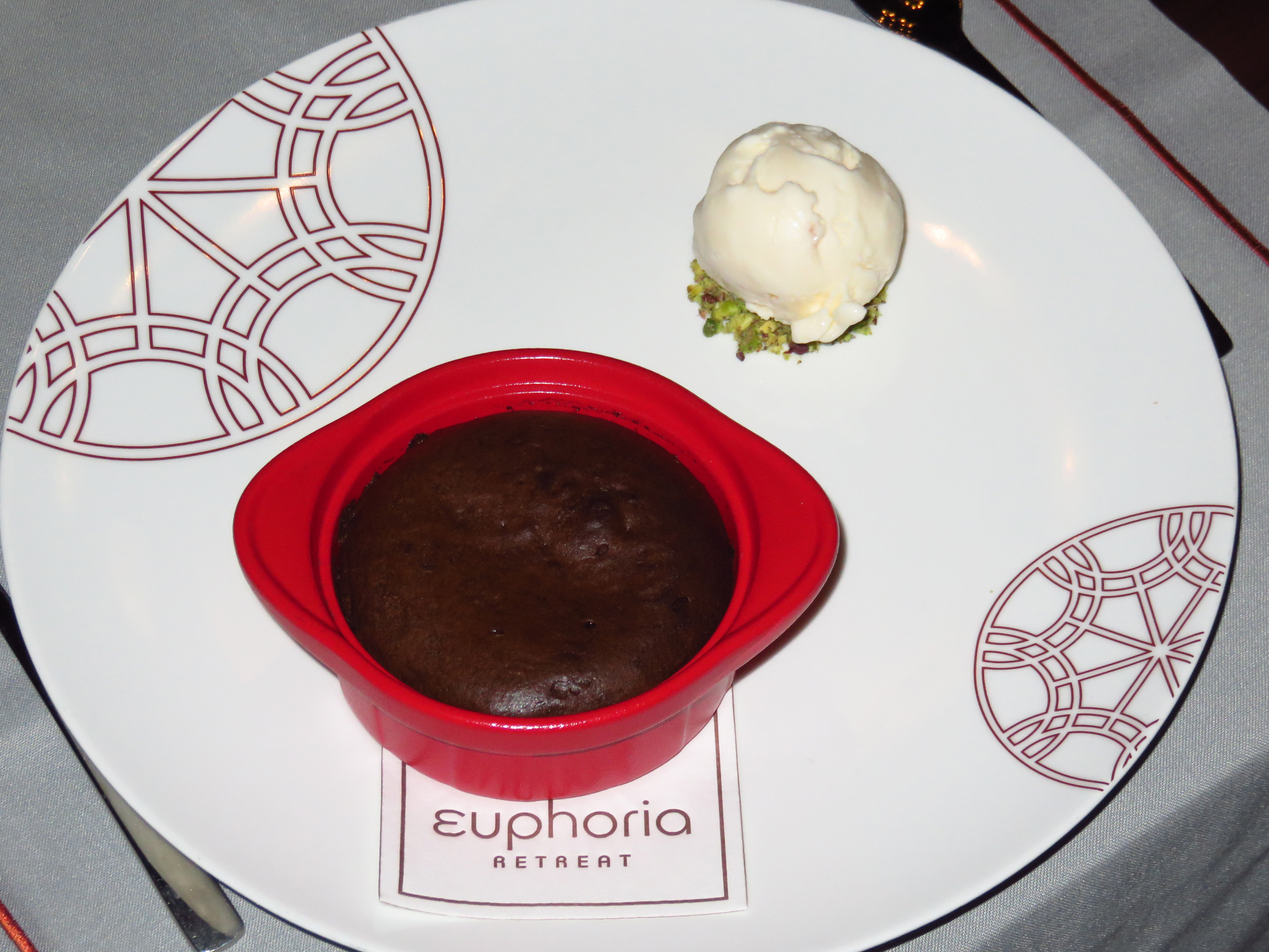
Besides the Greek and European guests, about 15% of Euphoria visitors come from the United States to benefit from the holistic itineraries that greatly enhance their vacation experiences. Euphoria Retreat not only takes Greek traditional healing to a whole new level, but also provides a peaceful backdrop for outdoor activities, promoting a connection with nature and a sense of rejuvenation. With its serene atmosphere, luxurious amenities, and transformative wellness programs, it invites guests to embark on a journey of self-discovery. Learn more and reserve your stay at https://www.euphoriaretreat.com/.
 Real Travel Adventures