

By Emma Krasov. Photography by Yuri Krasov.
For a small island country, located just below the Arctic Circle, geographically isolated, and rarely warm enough to allow for some regular summer activities, Iceland enjoys quite a significant share of international vacationers who flock here every year seeking its unadulterated ecology, its vast open spaces, and the many natural wonders of which you can certainly say, “Sweet dreams are made of these.”
For many a scorching California summer it has been a dream of mine to travel to this Nordic country, notorious for keeping its cool in the hottest months in the 10°C range (50°F), for its clean air, uncrowded roads, moss-covered lava fields in greenish-yellow peridot hues, and the mind-boggling abundance of clean water, streaming to the North Atlantic and Arctic Oceans from the many rainbow-laced waterfalls.
Add to it a well-developed tourism infrastructure, safe, extremely low-crime environment, and calm, friendly, hospitable locals, and Europe’s westernmost country, one-tenth of which is covered in glacial ice and is surrounded by water, becomes a dream destination for so many enchanted travelers.
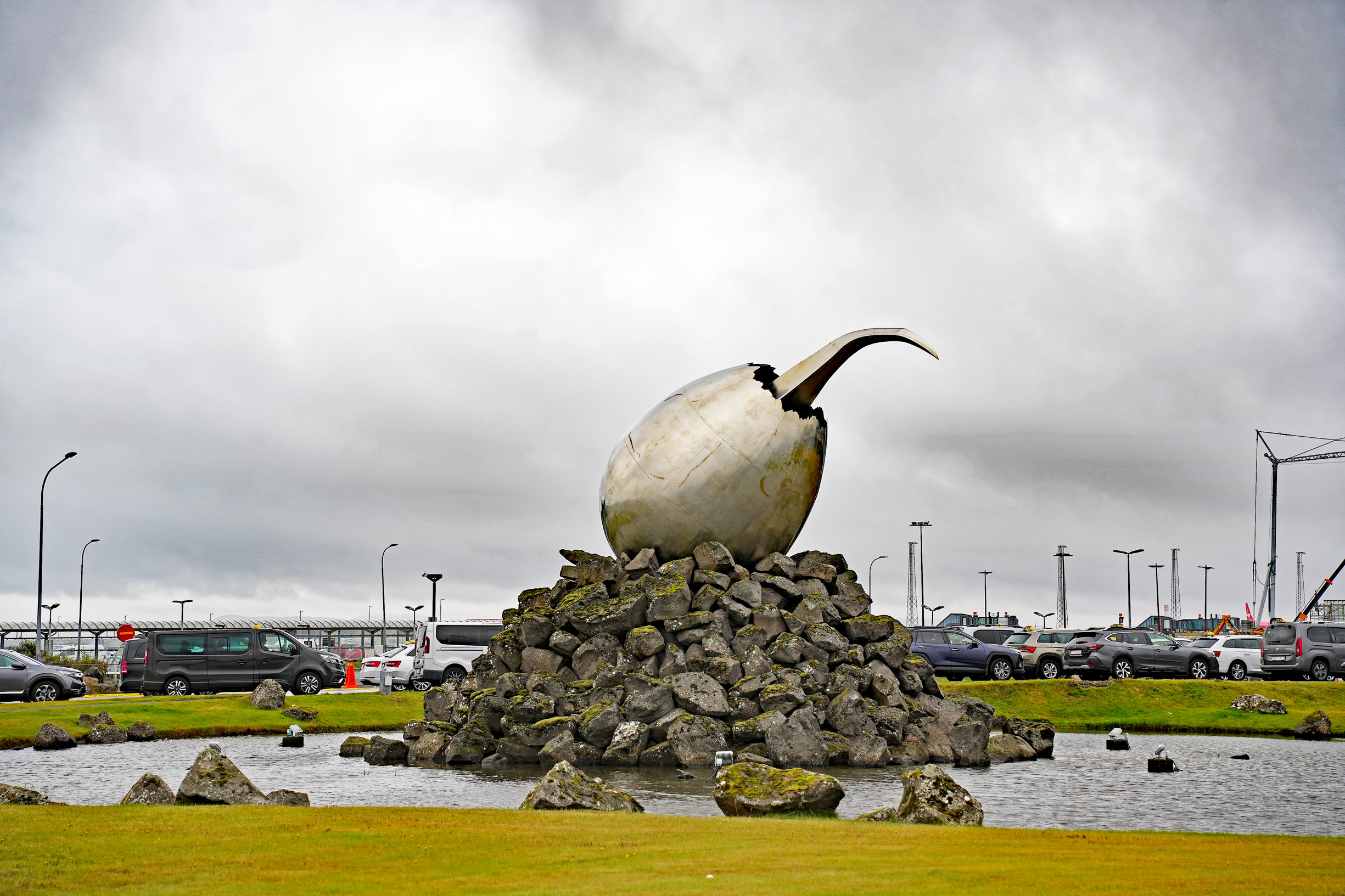
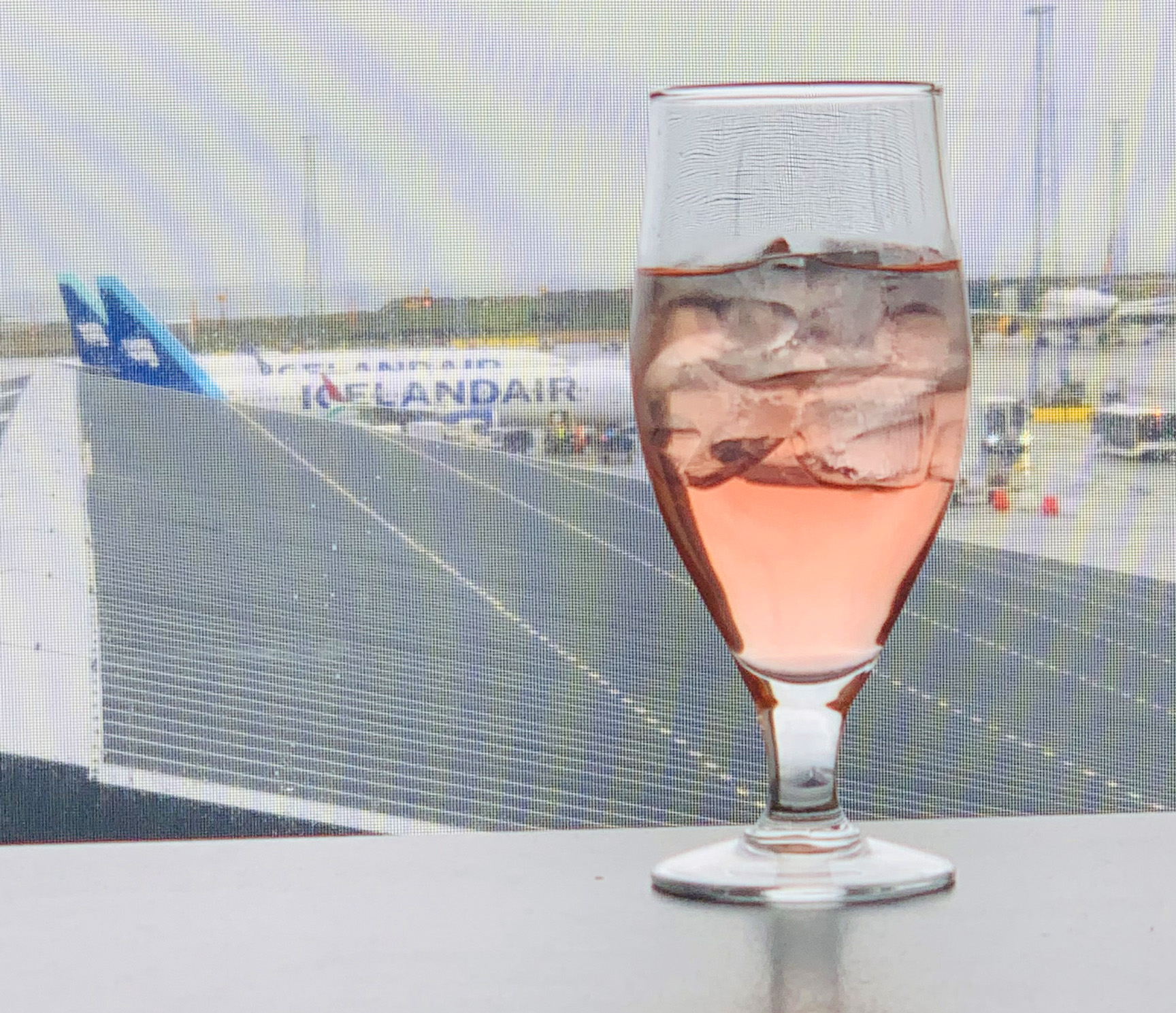
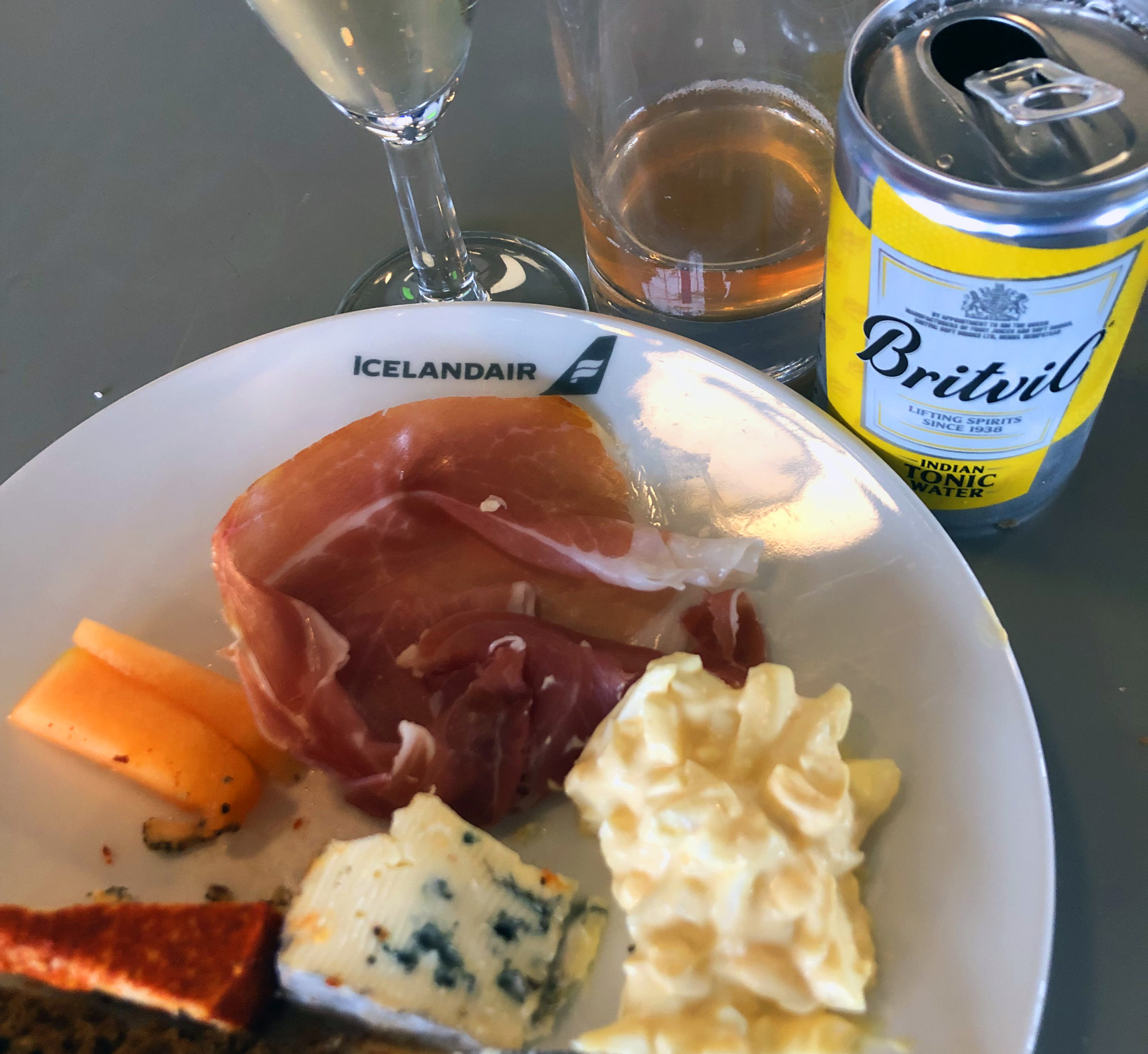
My dream journey to Iceland started with an easy flight on Icelandair (https://www.icelandair.com/). A Saga Premium seat (business class) equipped with Wi-Fi, good video entertainment, excellent food and drink service, and an amenity bag that includes the gentlest hand cream and other necessities, appeared to be rather affordable and timely on this relatively small airline comparing to the majority of international carriers—apparently due to the “hub and spoke” operation mode when all aircrafts leave their respective airports on the “spokes” to arrive at the “hub” approximately at the same time
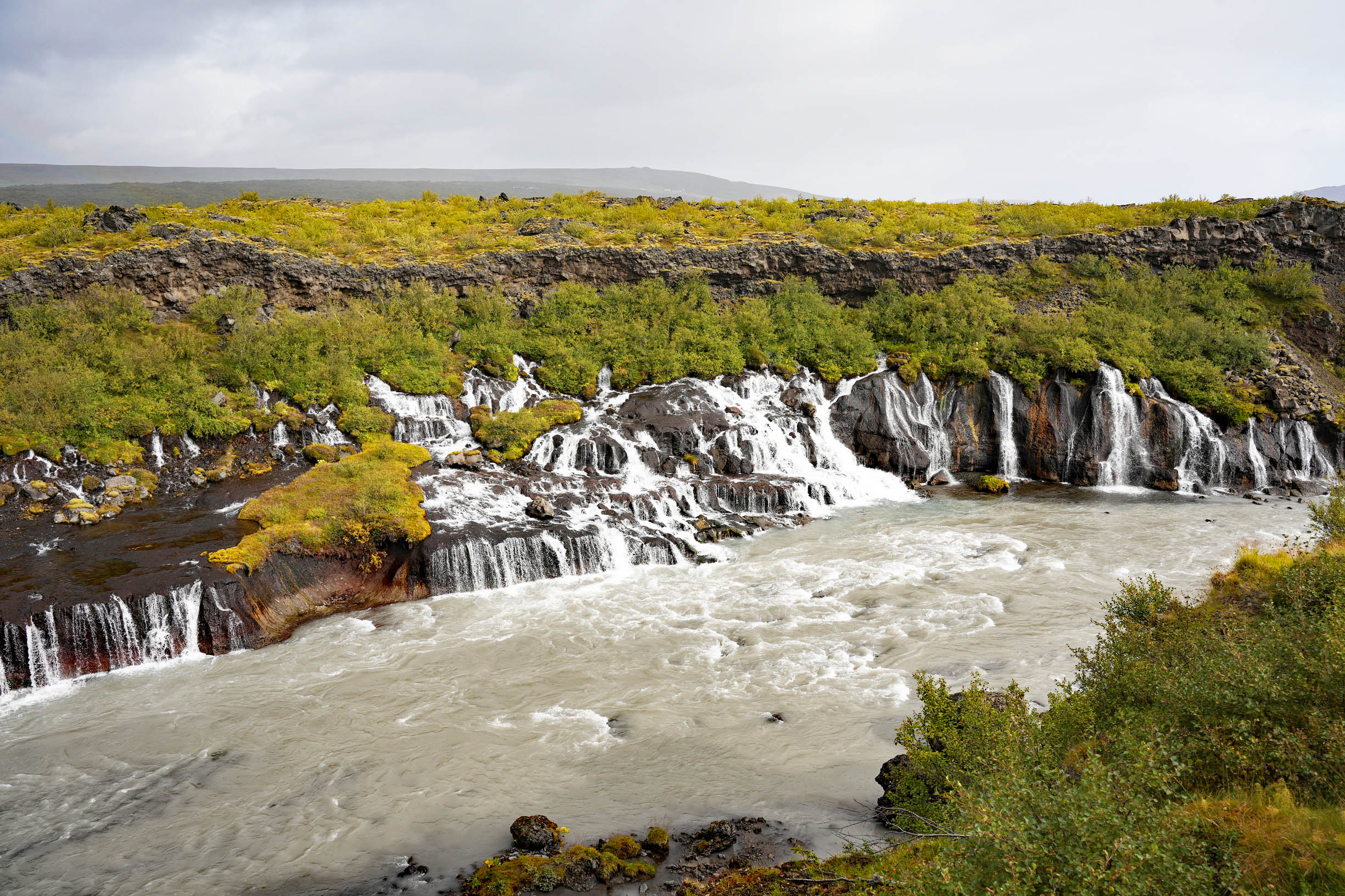
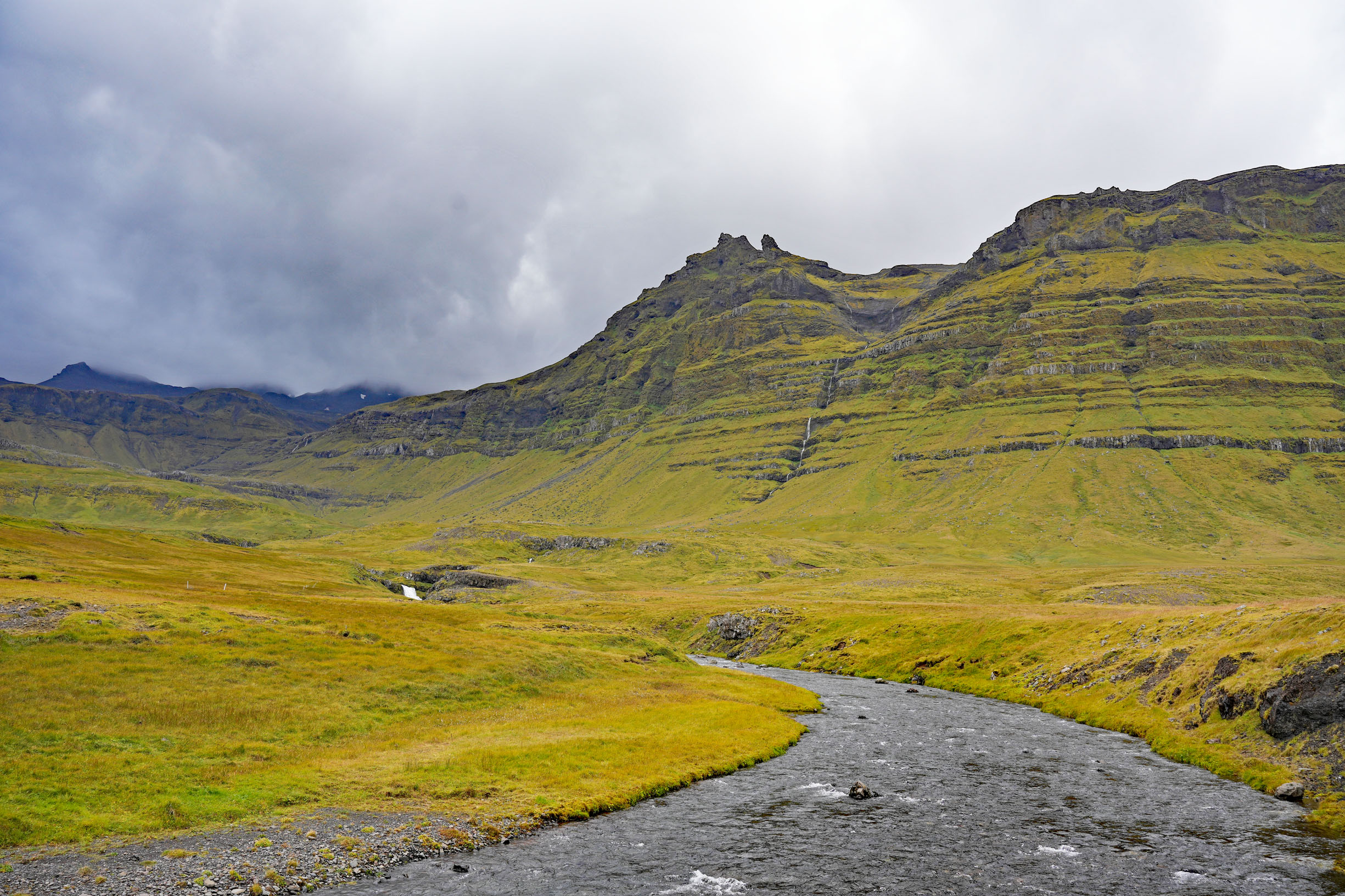
Early morning, I witnessed this influx of arrivals from the U.S. and EU at the Keflavík International Airport (KEF), which proved to be very efficient in the usually time-consuming areas of passport control, check-in luggage retrieval, and customs. As a rule, I only travel with a cabin bag, but this time my new winter coat that idled in my closet with tags attached for a good two years, traveled with me, and was finally put to work along with waterproof winter boots, lined with faux fur, an alpaca scarf, a merino wool hat, and a pair of plush gloves. So what that it was end of August? I just followed instructions given by the tour operator of my upcoming glacier excursion, and was I glad I did!
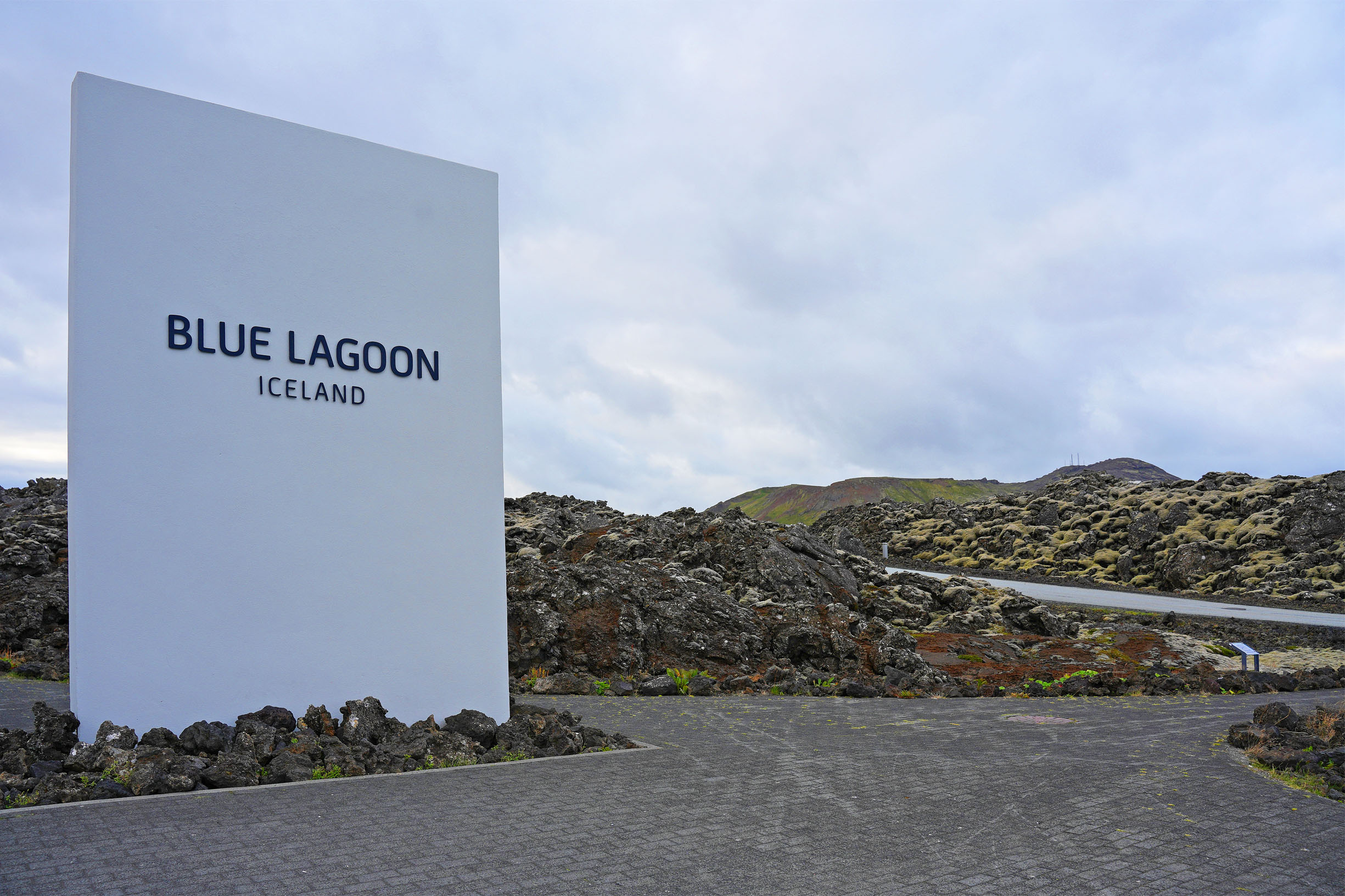
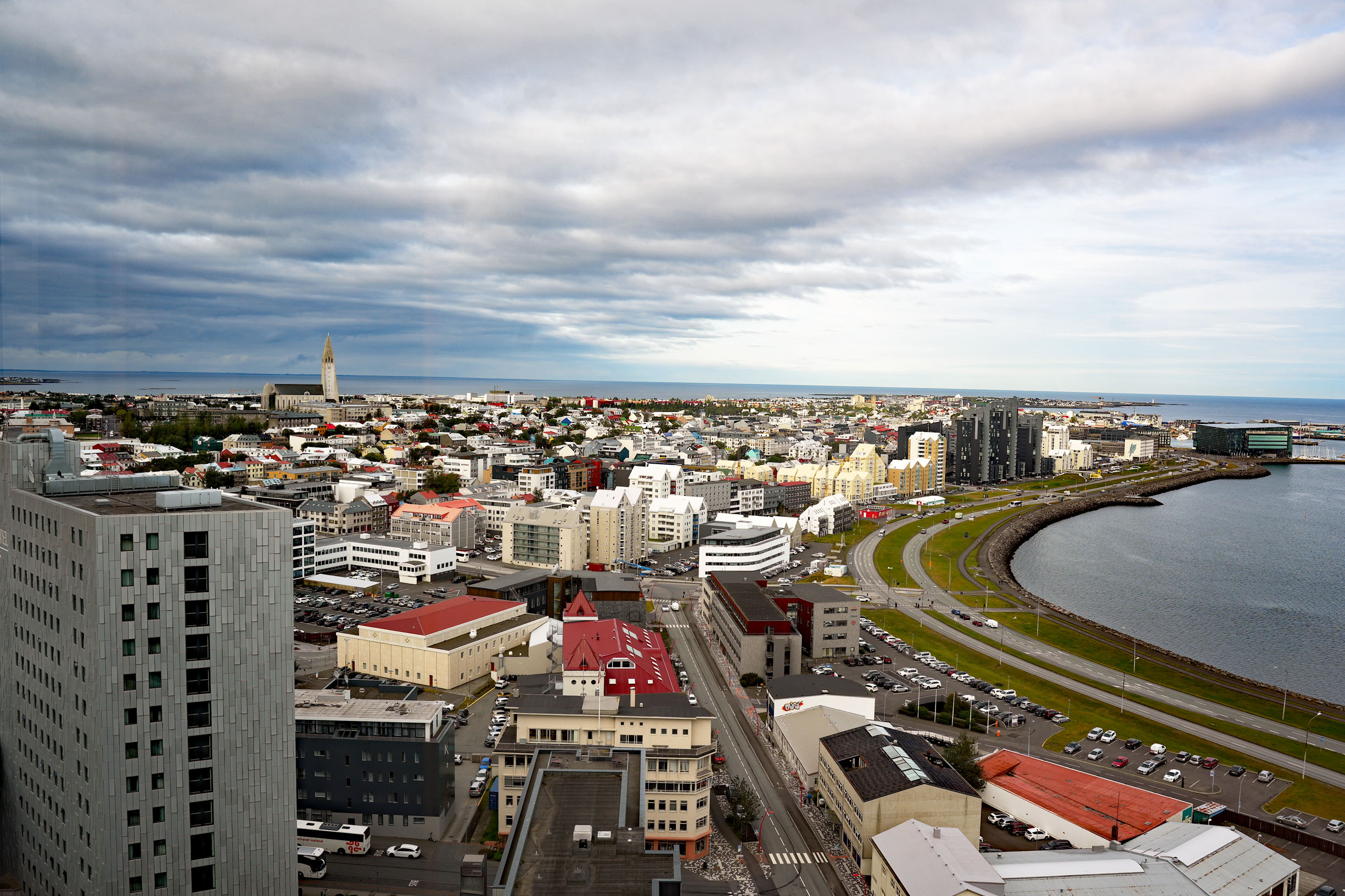
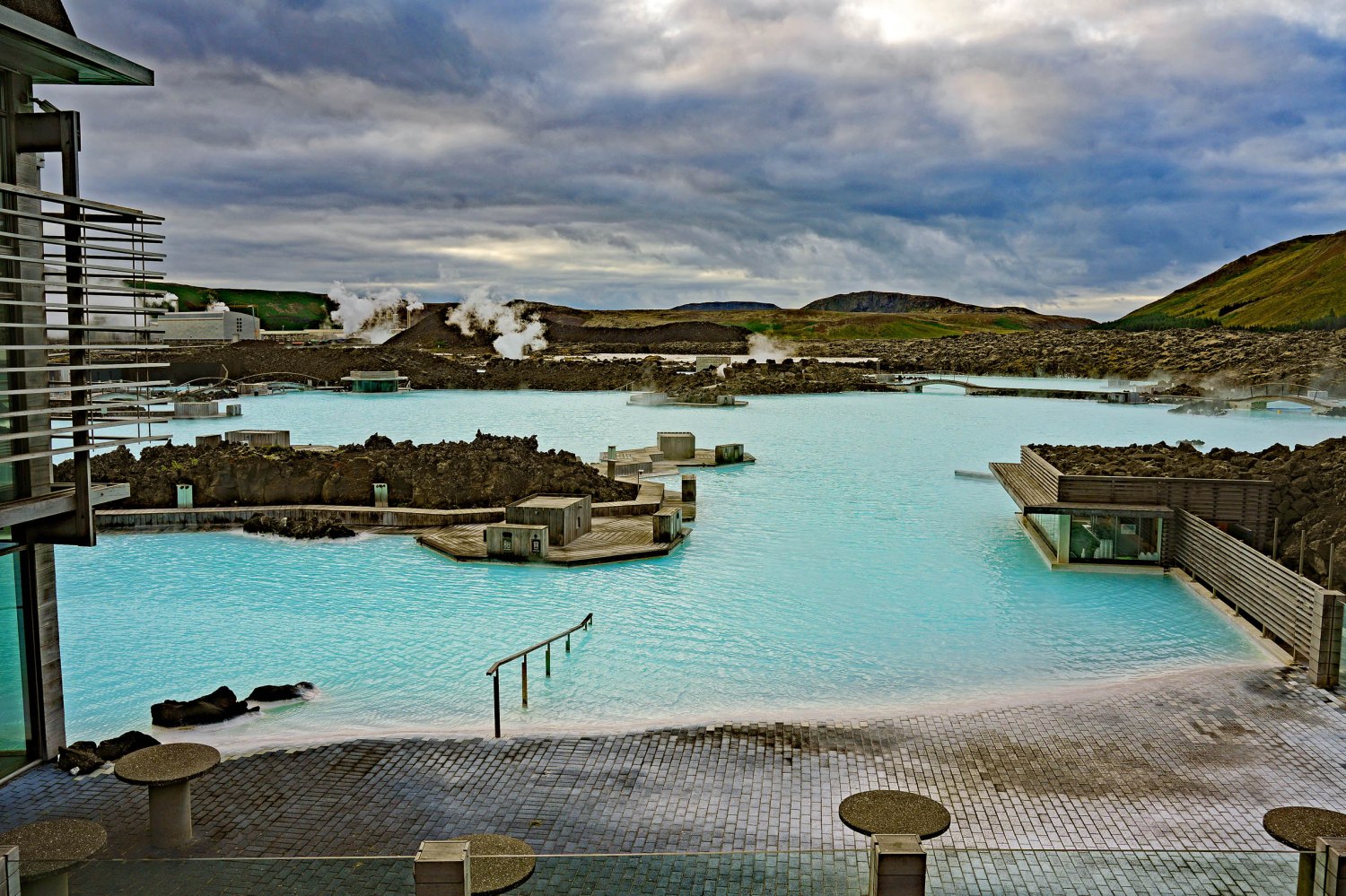
Picked up at the airport by Thorir Thorsteinsson, a principal of a family-owned transportation company, Oak Travel (https://oaktravel.is/), that operates a fleet of luxury buses and vans, I asked if we could stop at the world-famous Blue Lagoon spa near the village of Grindavik, on our way to Reykjavik. The answer was yes, and I had a chance to enjoy the view of the milky-blue geothermal pool before the spa’s opening time. A long line of hot-spring-soaking enthusiasts from all over the world, who made their reservations to the desired mineral bath months in advance, was quickly forming in the spa lobby. As I’ve mentioned, I’m not a fan of excess heat, so I was fine with just looking at the famous body of water.
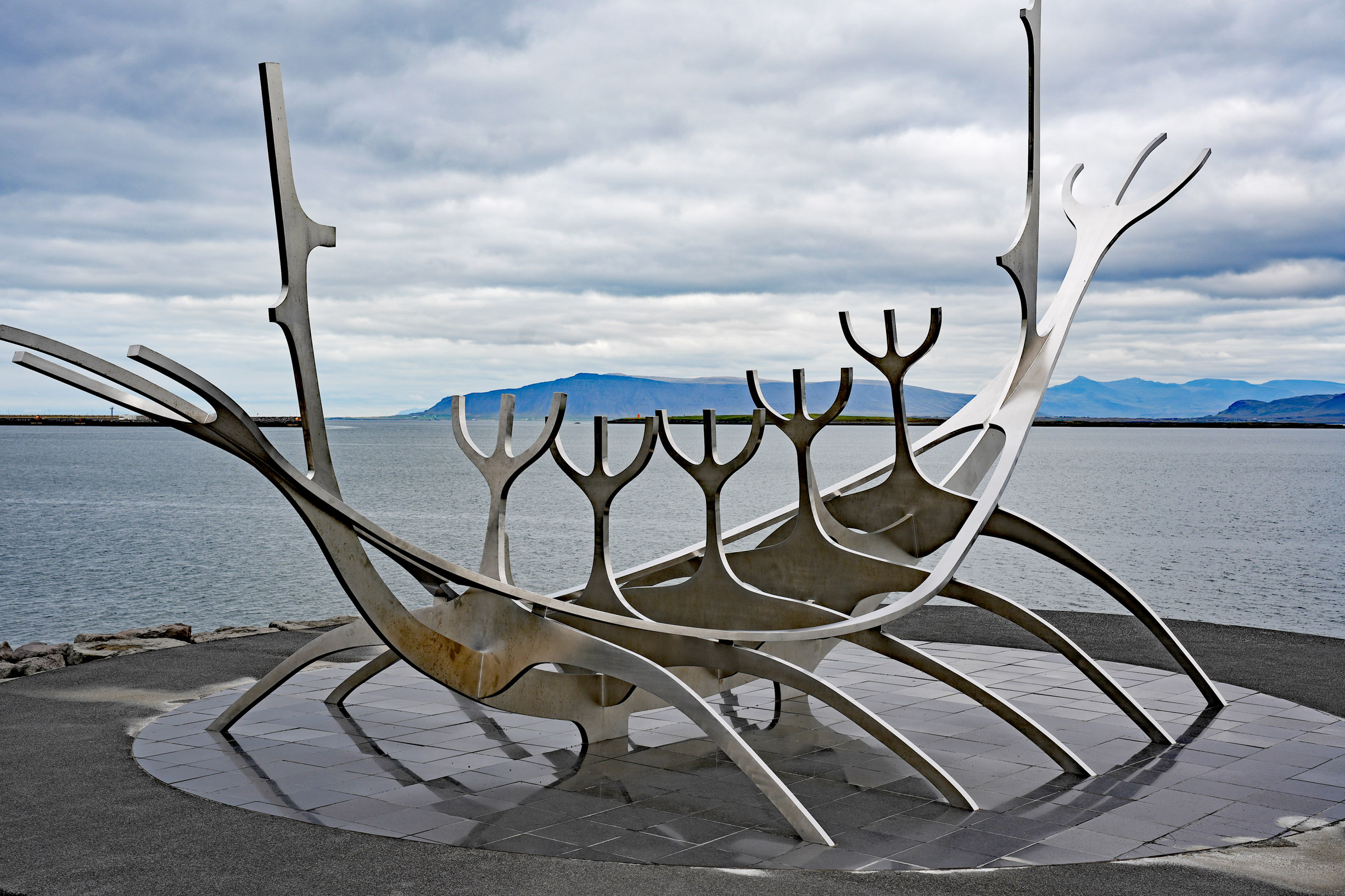
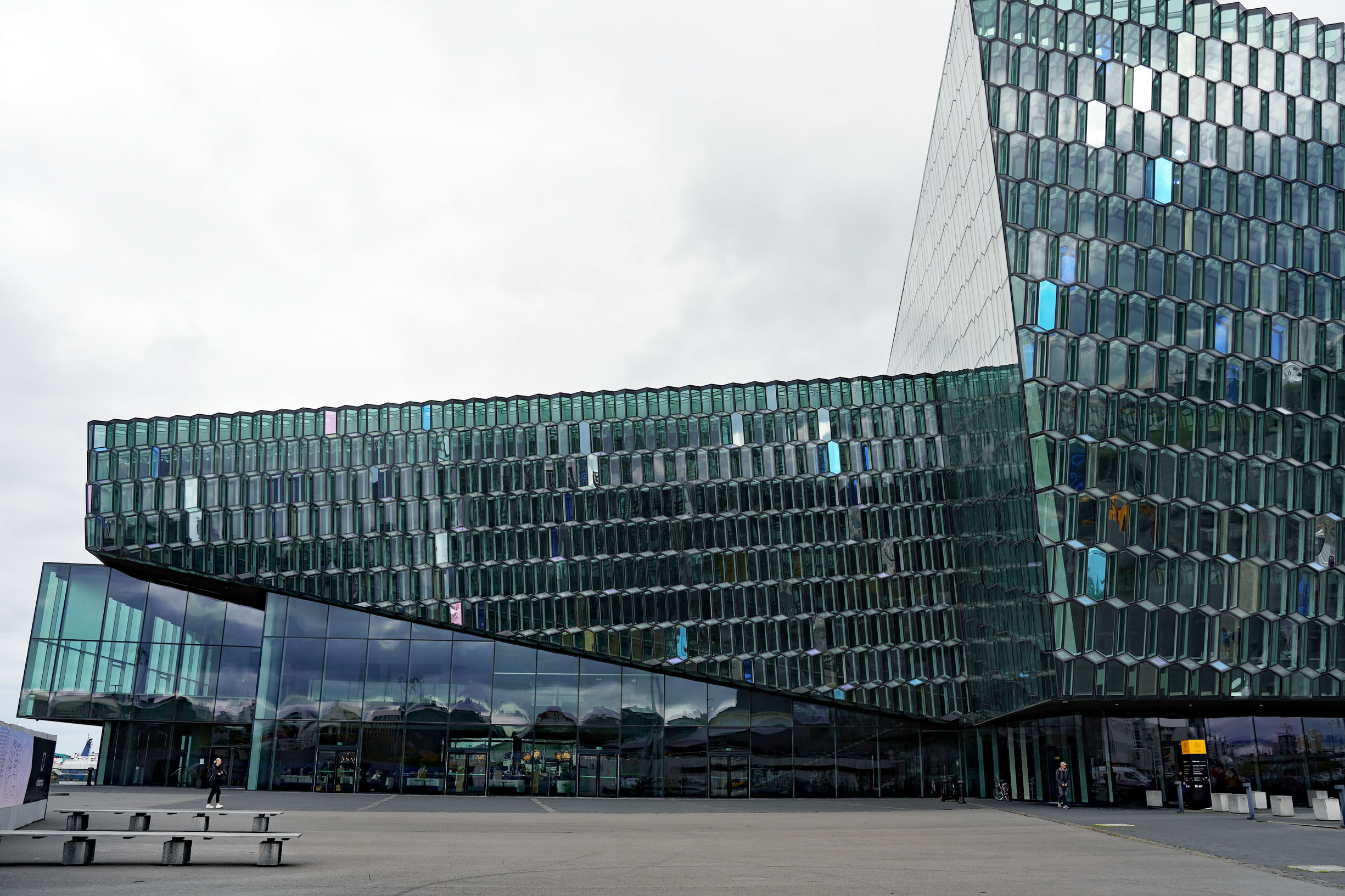

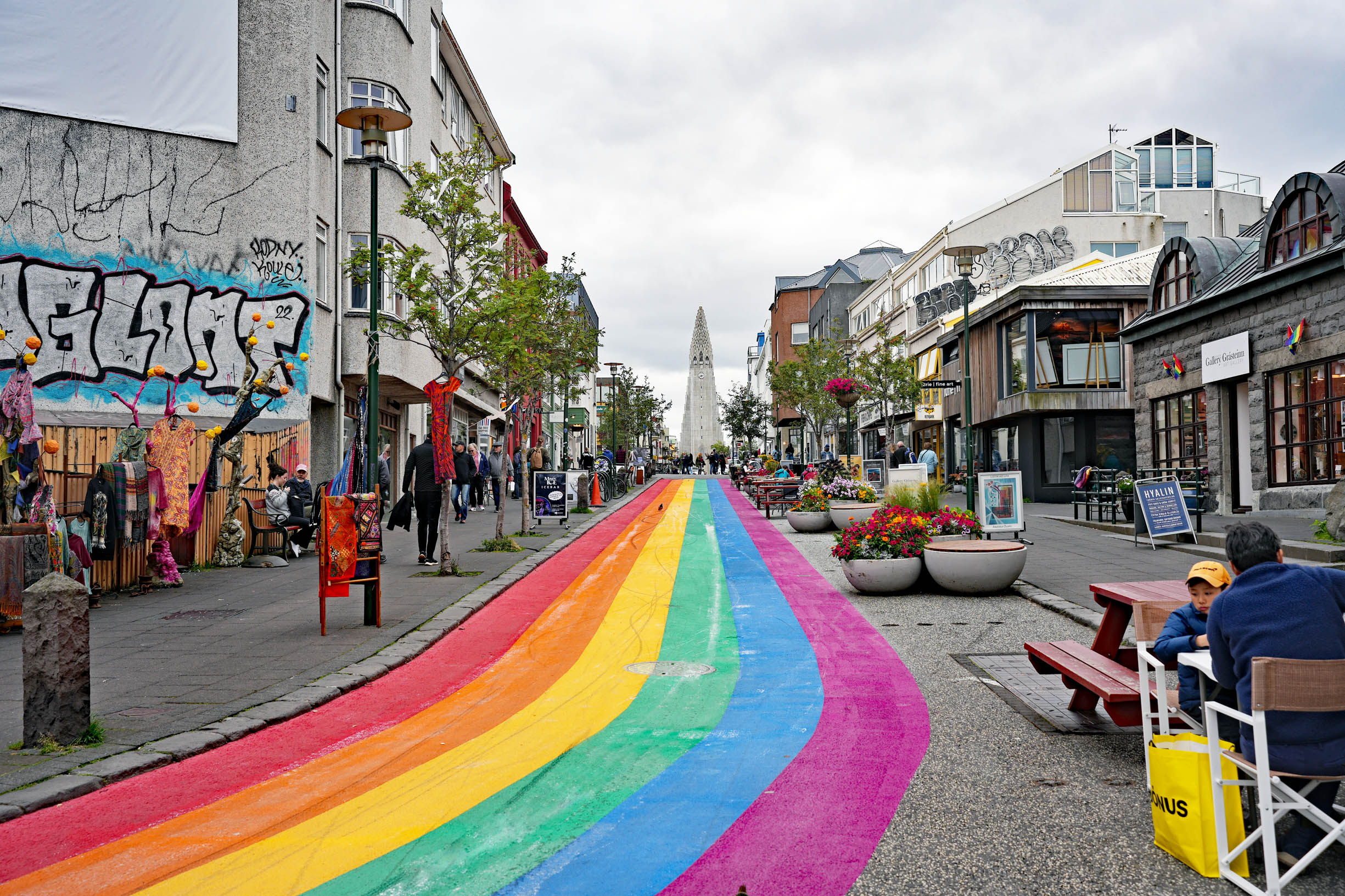
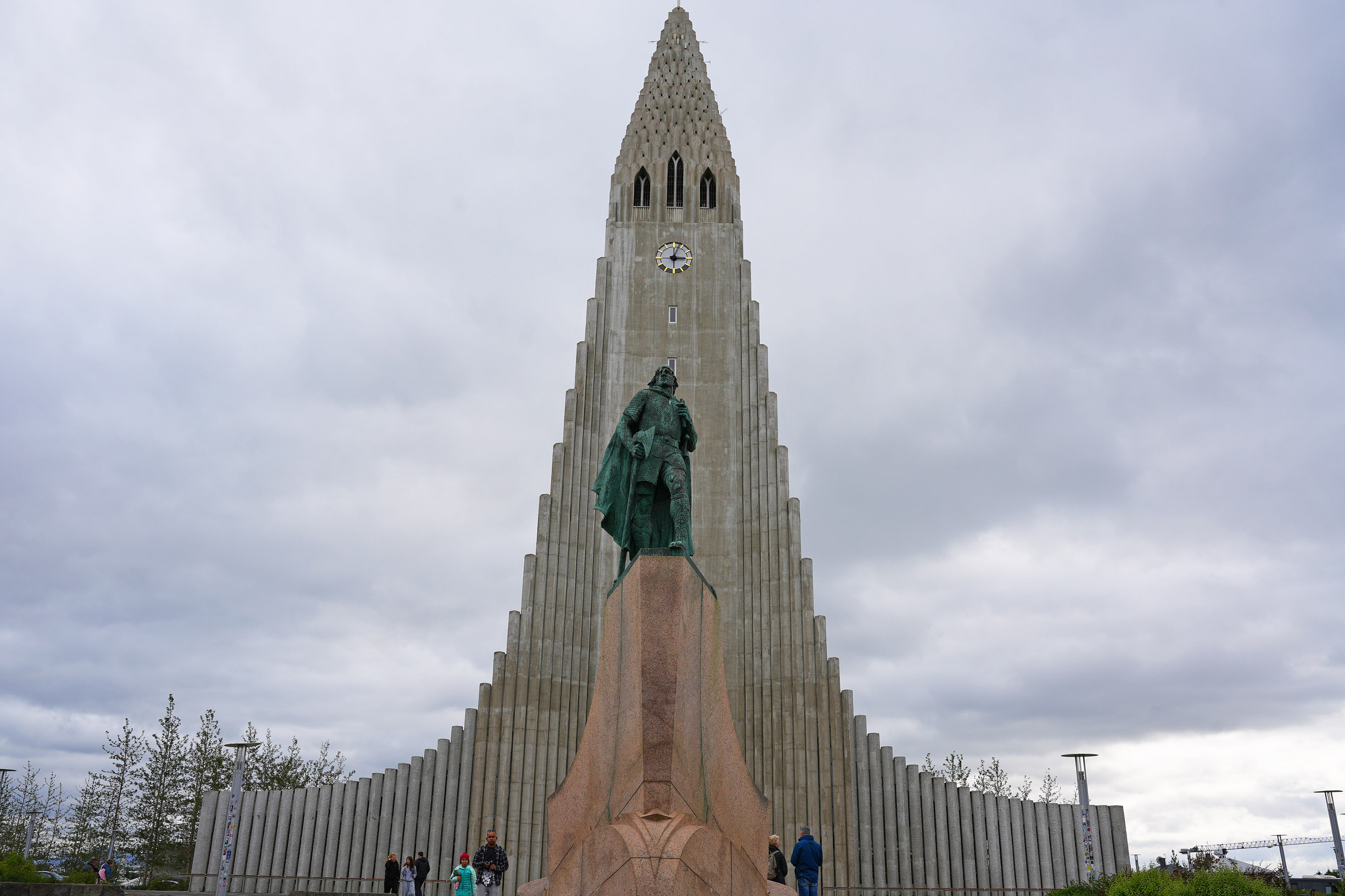
Crisp and clean Reykjavik, the world’s northernmost capital, has several tourist attractions, mostly located in the city center, and easily observable on a walking tour, like National Museum Reykjavik and Saga Museum, both covering Iceland’s Viking history; Perlan—a museum of natural history with a rotating glass dome and numerous exhibits on Icelandic water world, volcanic activity and wildlife; Reykjavik’s most famous steel sculpture, the Sun Voyager, designed by Jón Gunnar Árnason and reminiscent of a Viking ship; Skólavörðustígur Street, painted in rainbow colors, and leading to an expressive concrete peak of Hallgrimskirkja church, and just steps away from it—Einar Jonsson Museum with a comprehensive collection of Iceland’s first sculptor’s artwork and a sculpture garden.
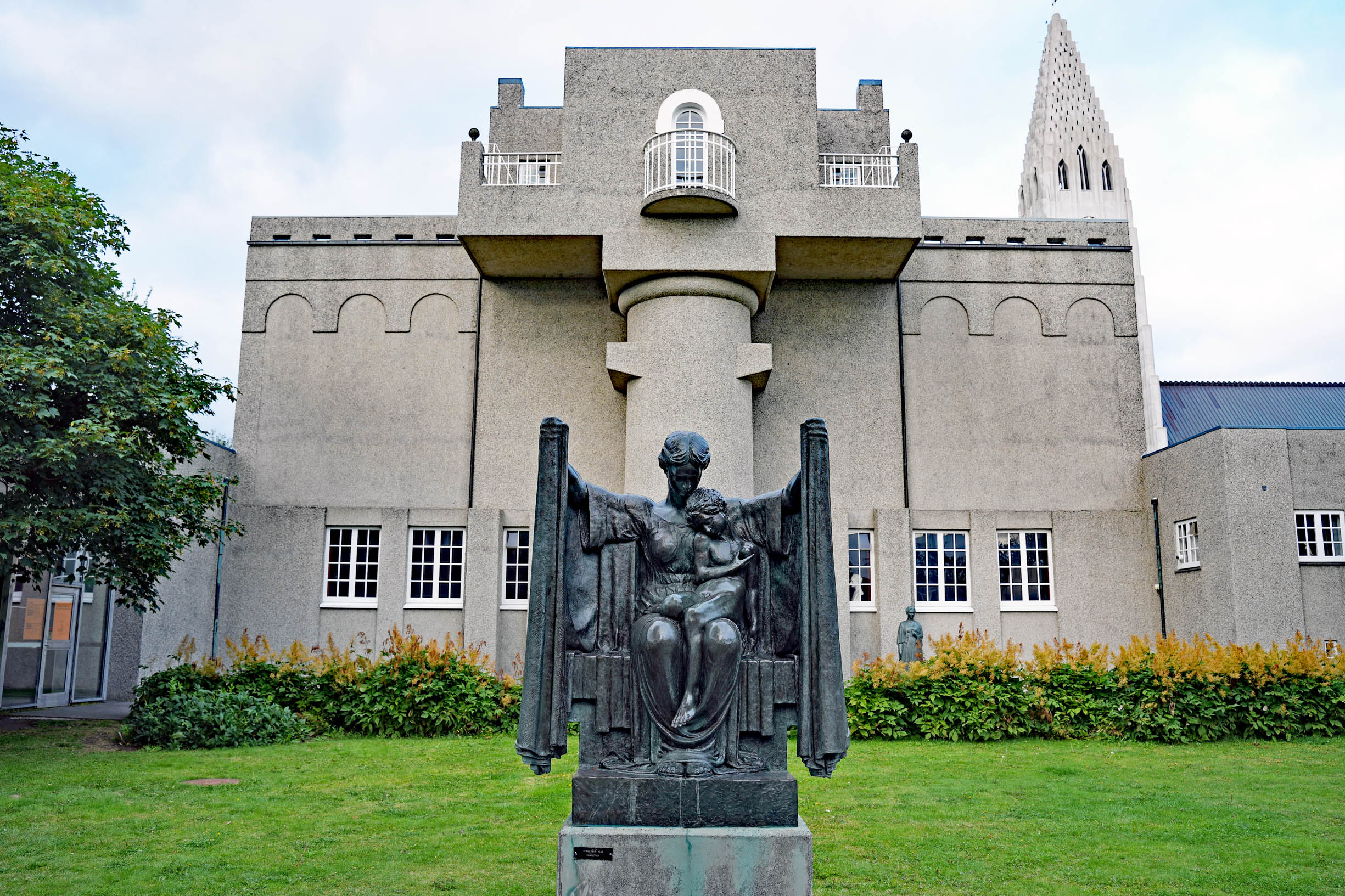
Glass-encased Tower Suites Reykjavik (https://towersuites.is/) on the 20th floor of a tall building, is a luxury boutique hotel that is centrally located, close to many attractions, and perfect for exploring the city.
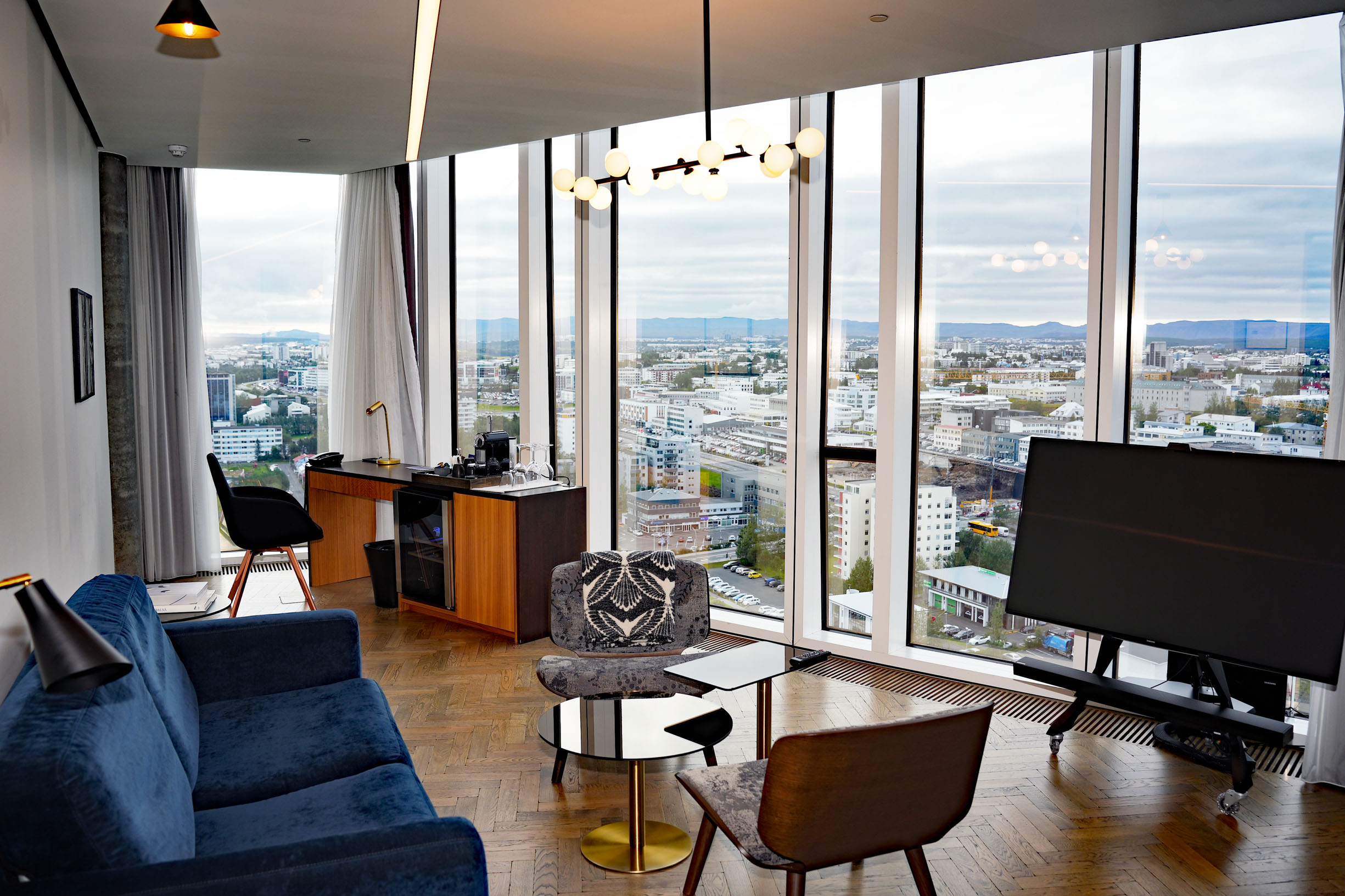
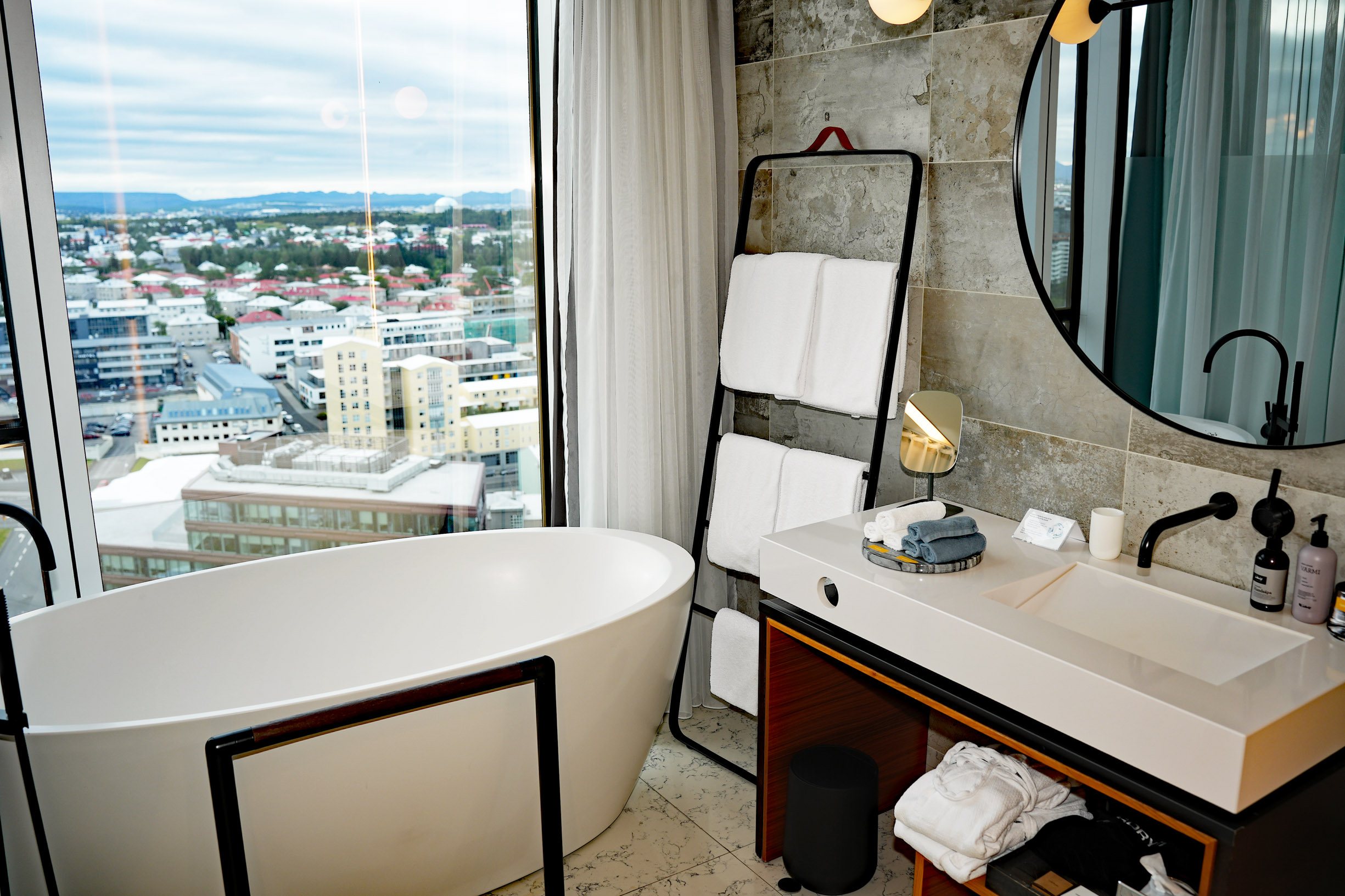
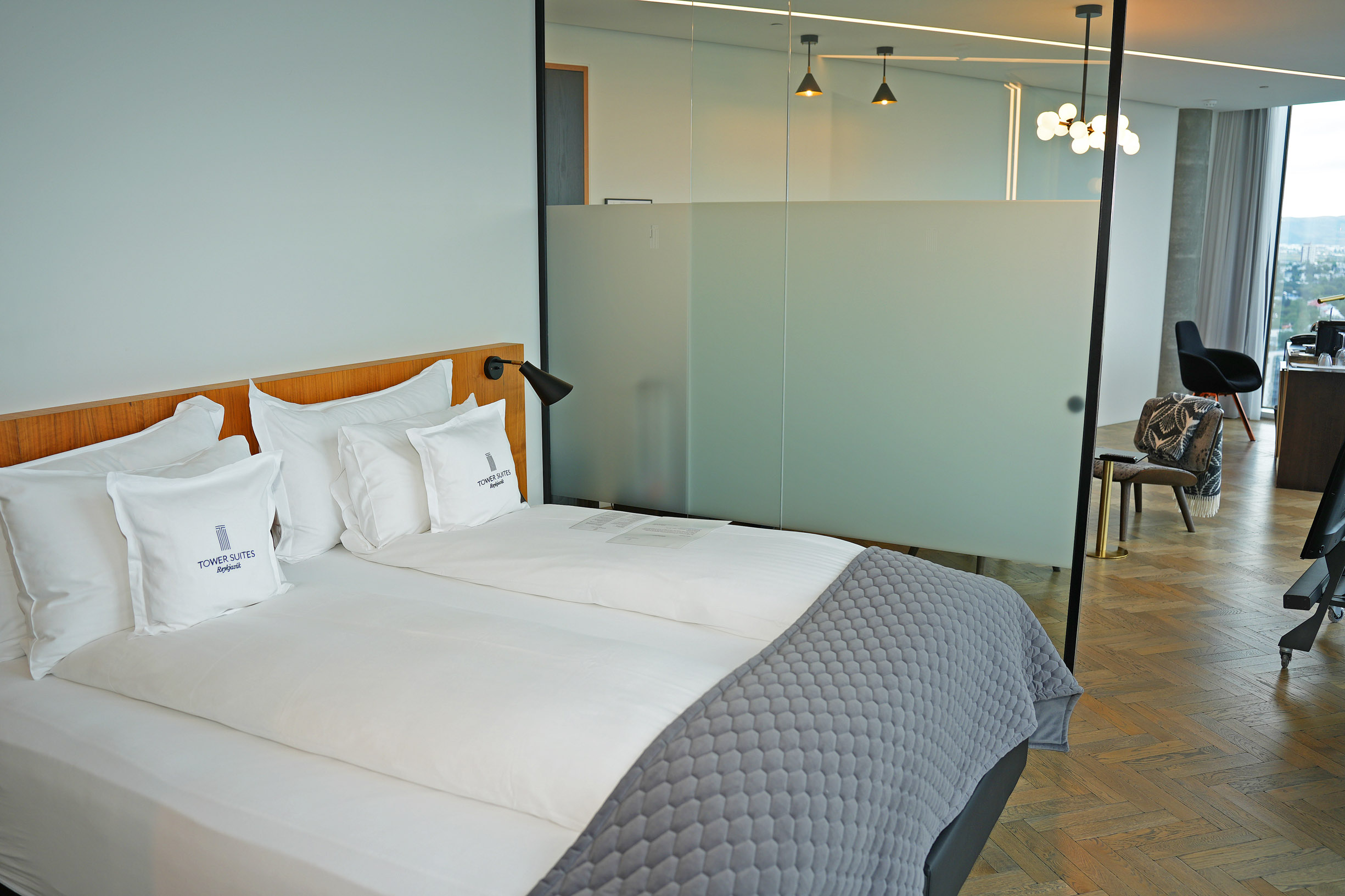
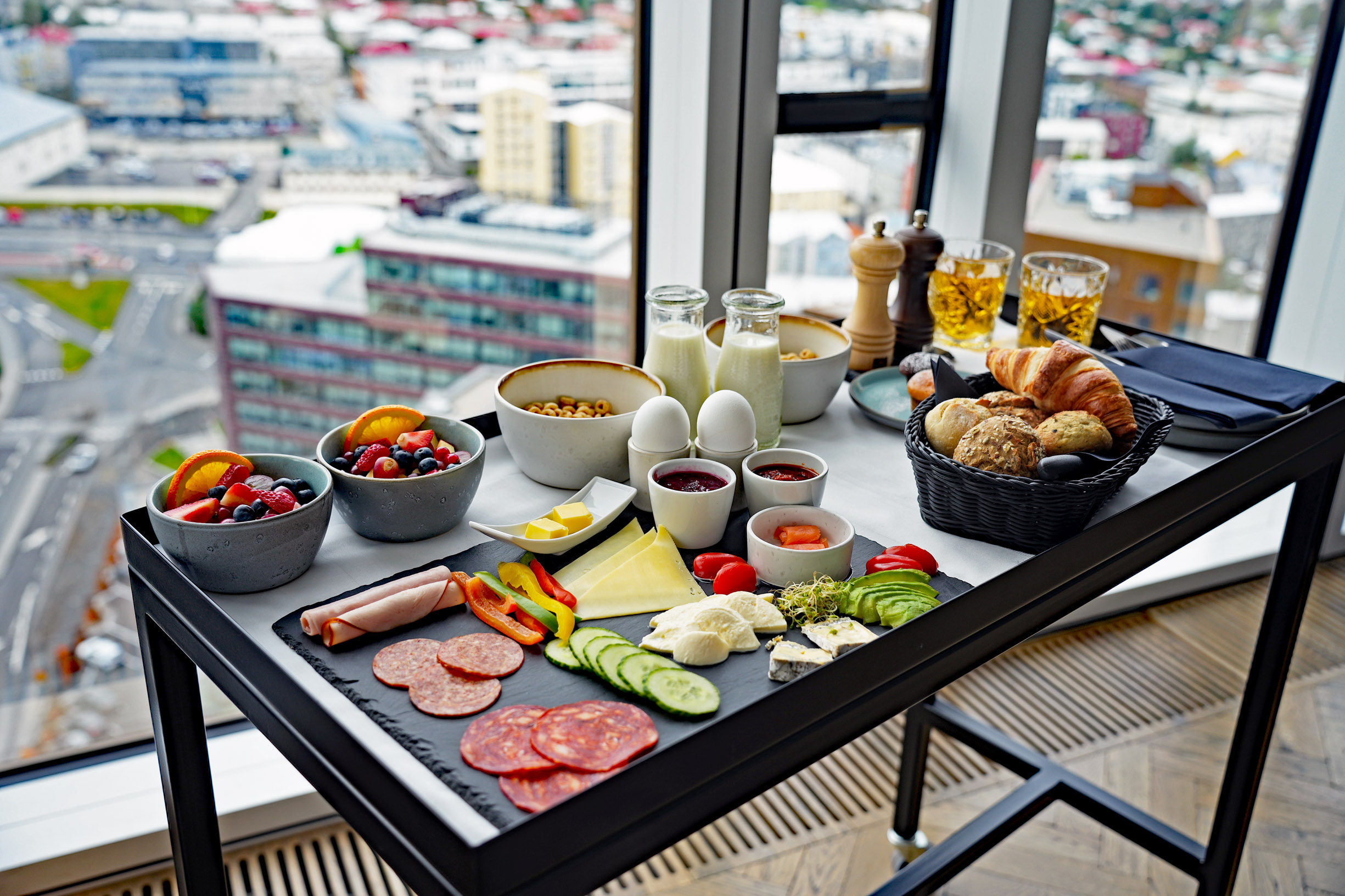
With only eight guest suites, all offering sweeping panoramic views, Tower Suites hotel provides not only the highest viewpoint in the city, but a great respite for a weary traveler in its comfortable, quiet, well-appointed facilities with contemporary décor and every imaginable convenience. Your stay here includes complimentary minibar and continental breakfast that far exceeds expectations, honesty bar, and gym access among other perks.
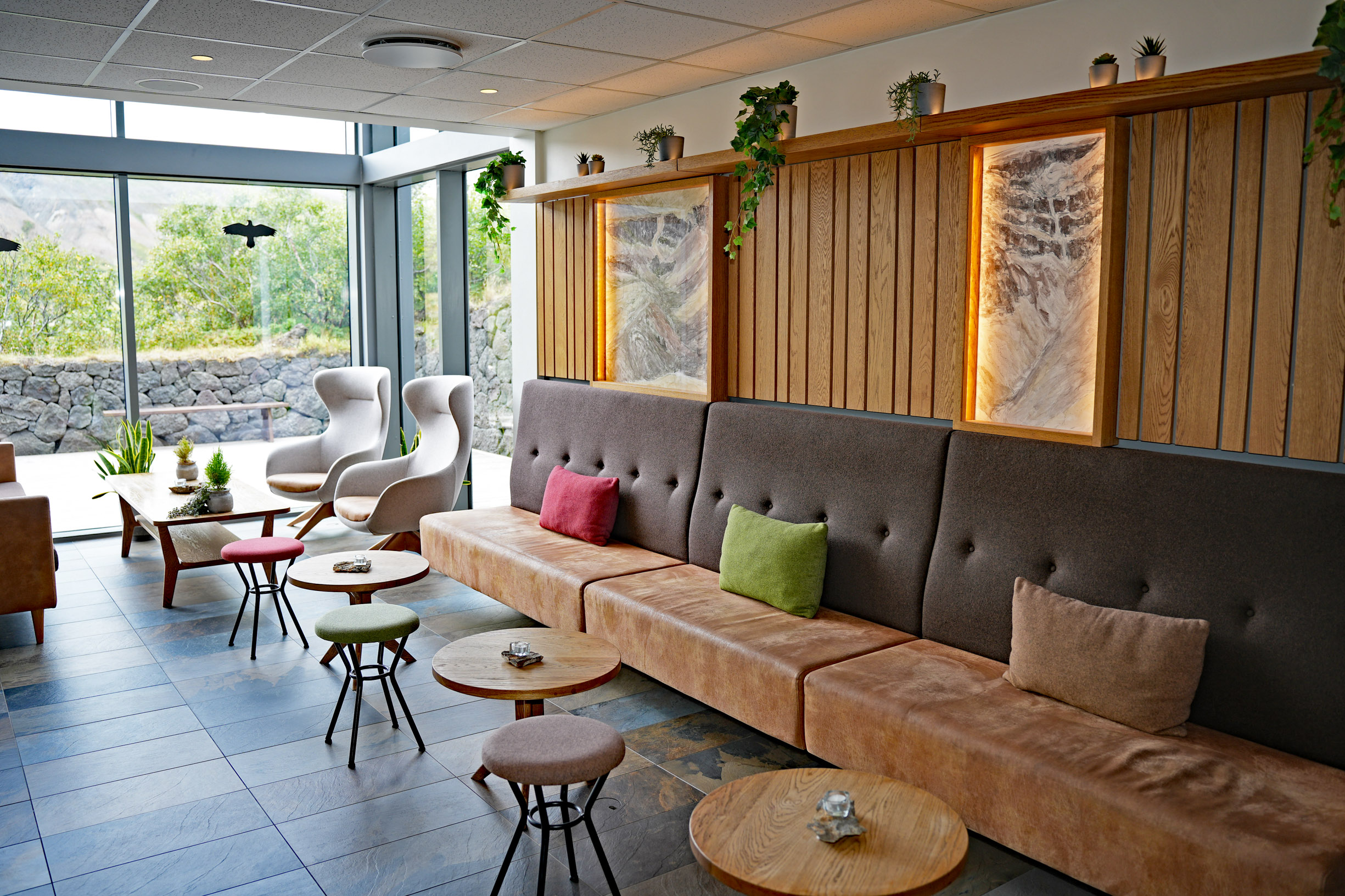
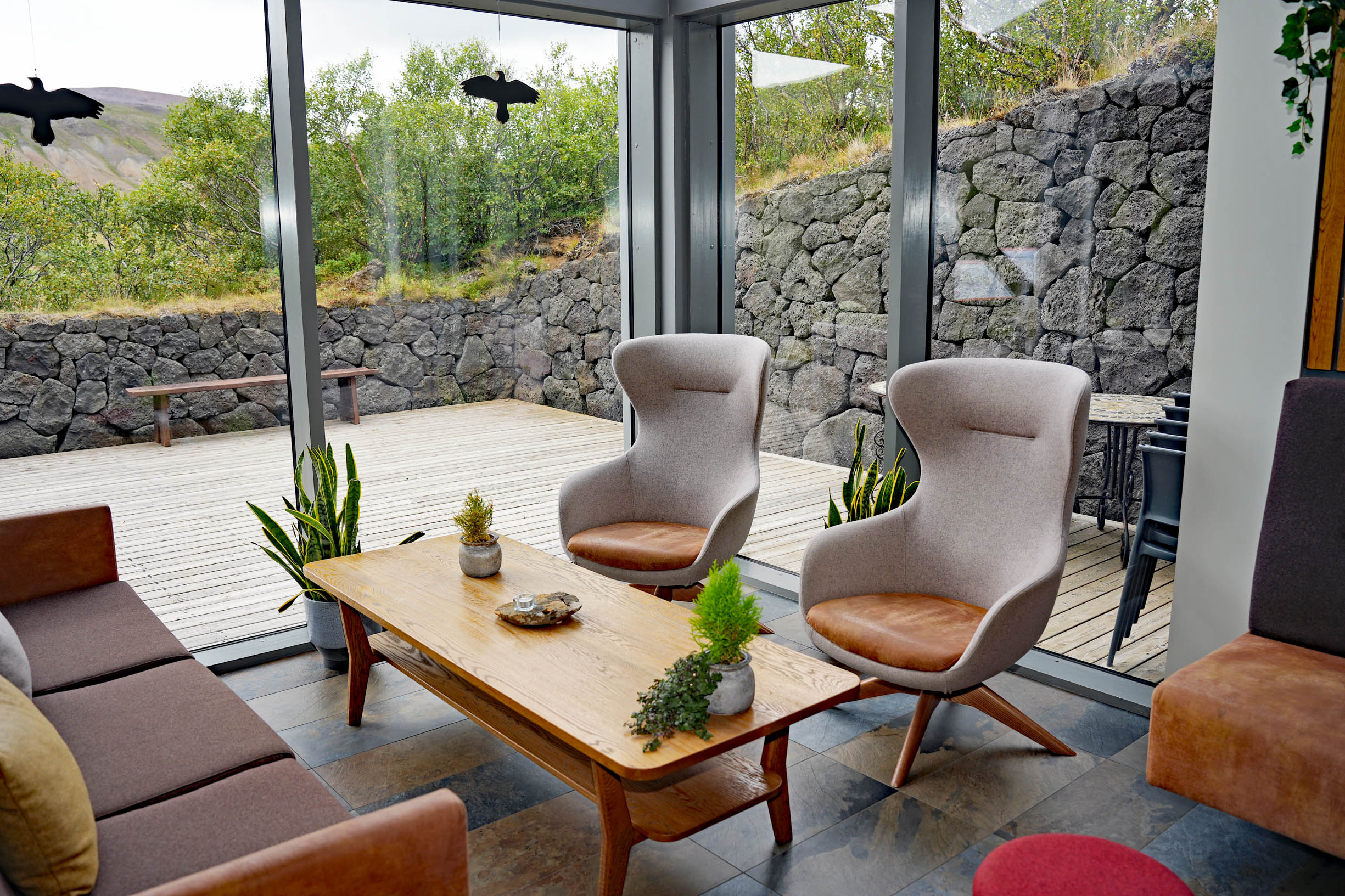
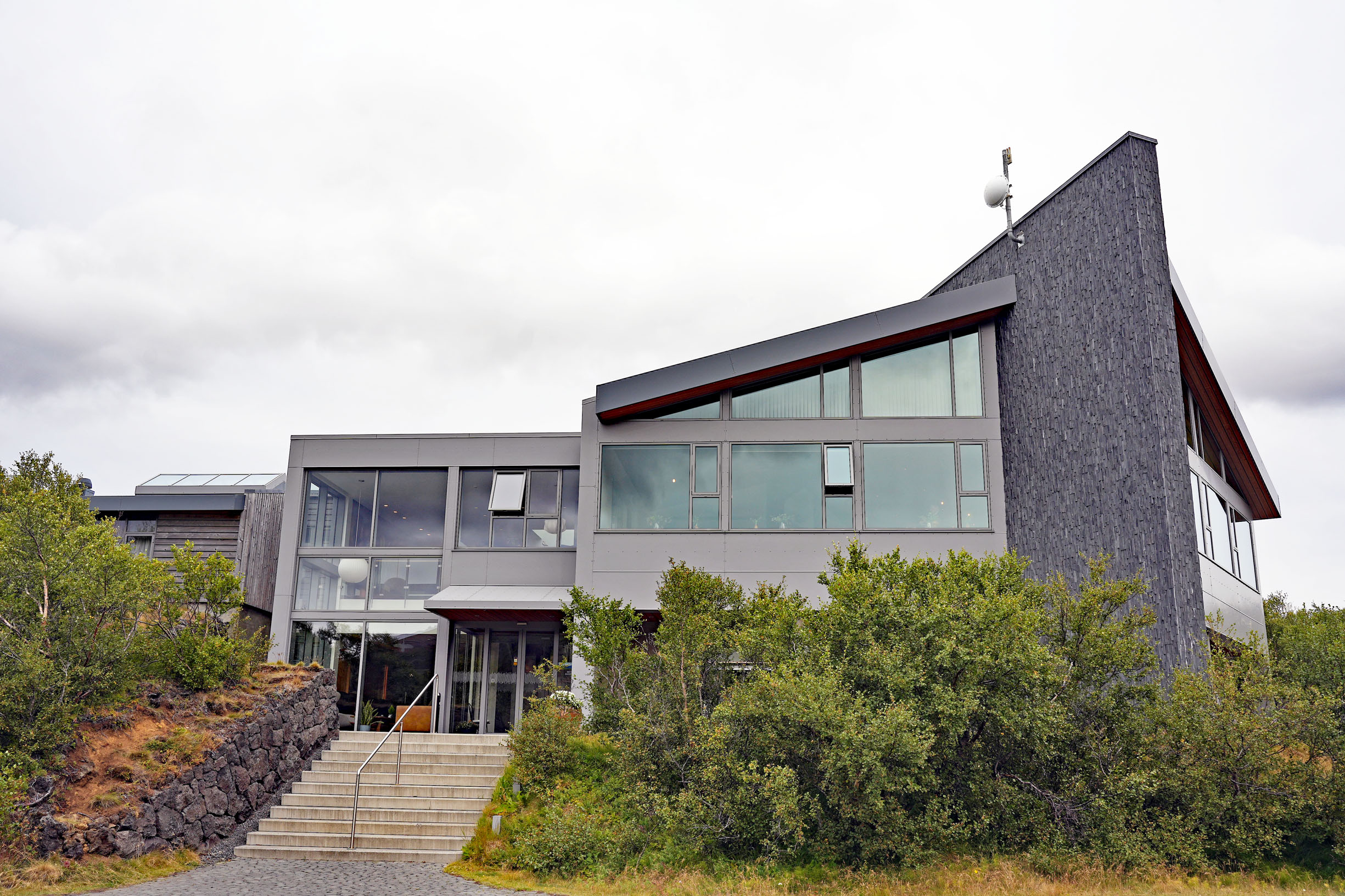
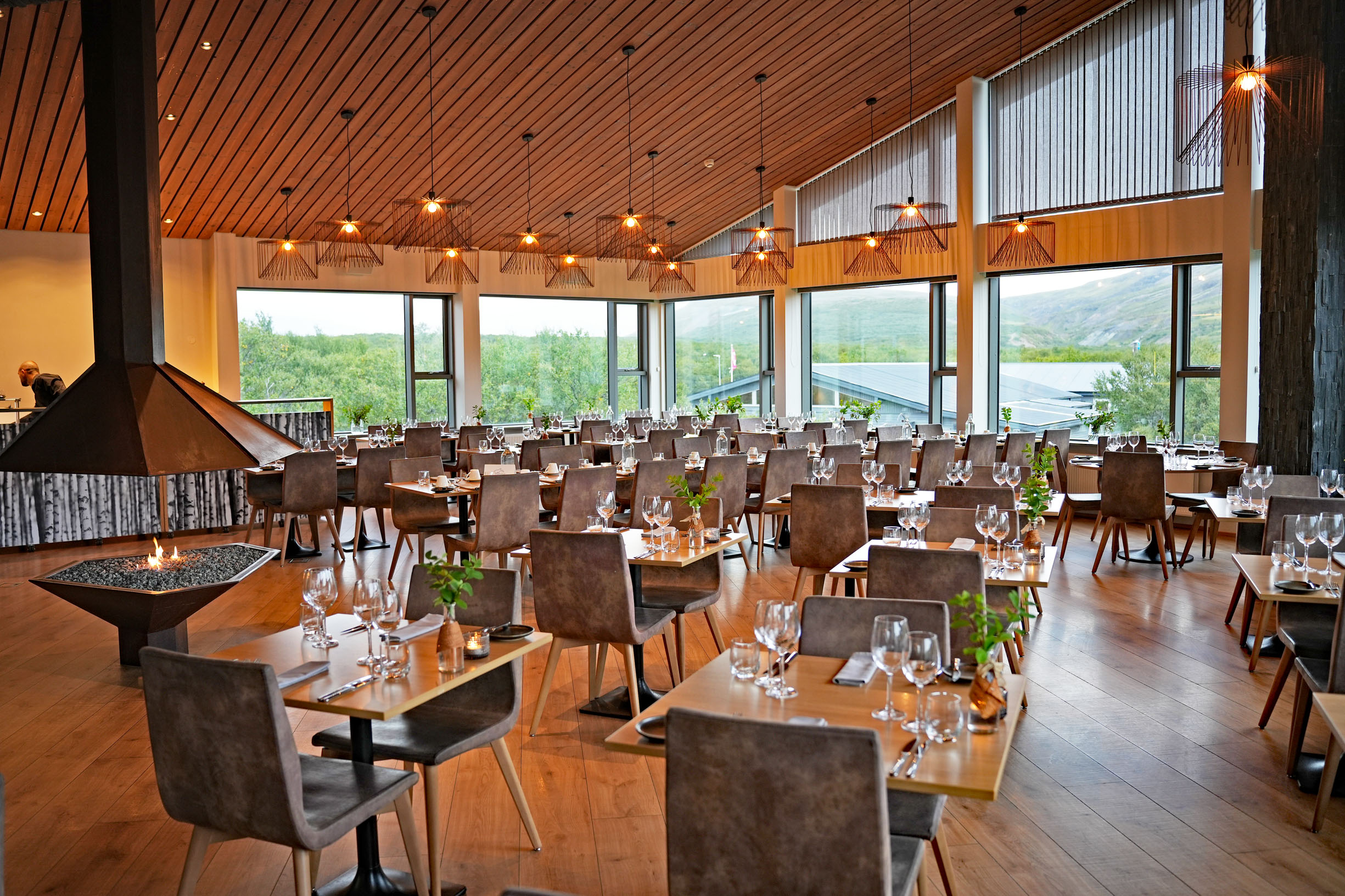
My fast-developing fascination with the country, formed by fire and ice, reached its peak at Hótel Húsafell (https://www.husafell.com/), located a short drive away from Reykjavik in the midst of autumnal yellowing groves, crystalline waterfalls, and rolling hills of West Iceland.
With its serene, unobtrusive design, quiet elegance and harmony with nature, this hospitable enclave of 48 guest rooms in one-story structures made of local natural materials, fits right in with the surrounding wilderness.
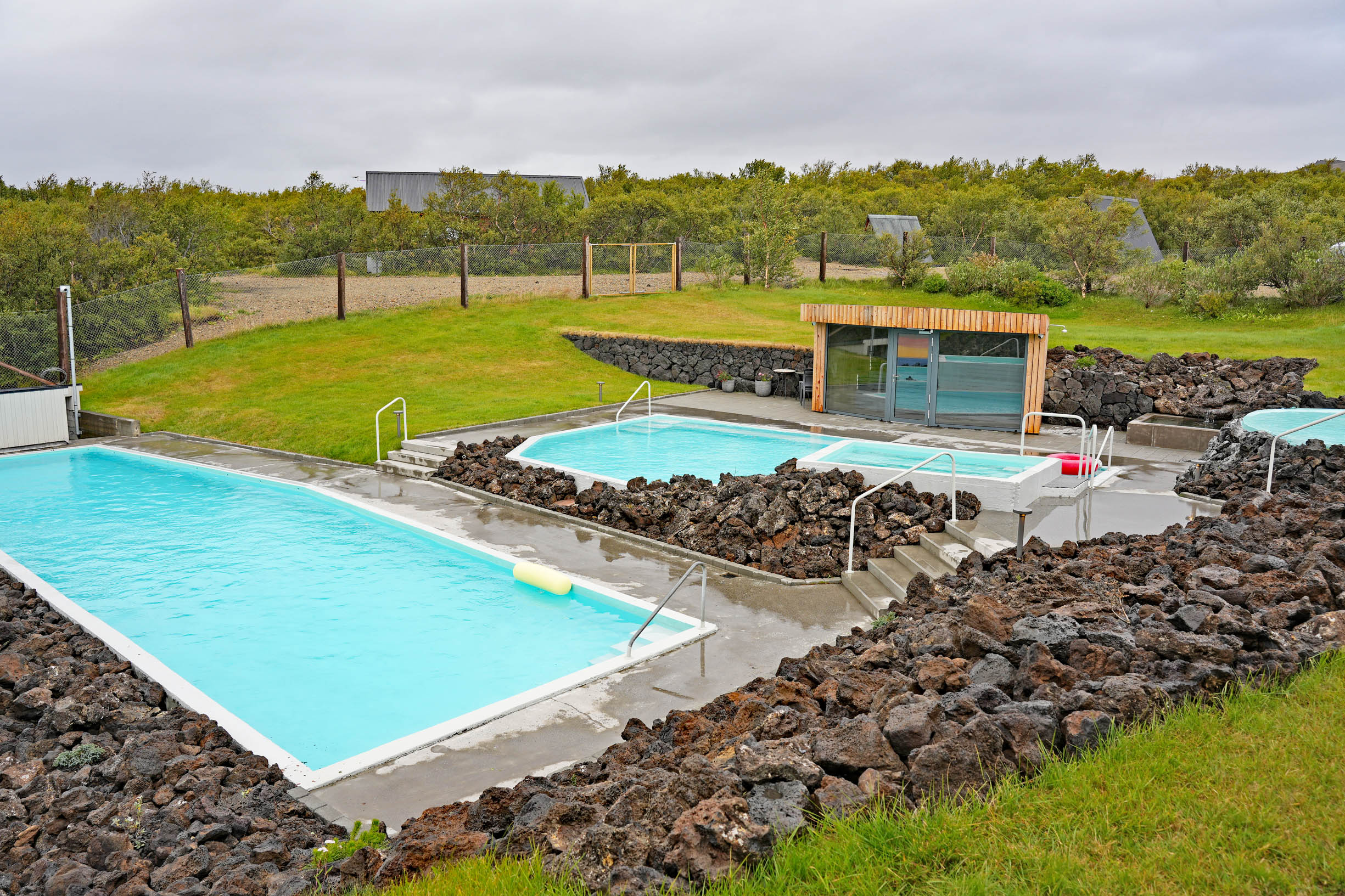
Boasting a 9-hole golf course, a swimming complex with a glass-walled bar, and a sauna alongside the various-temperature pools, the hotel easily accommodates all kinds of travelers, including families with little children and organized larger groups of mature adults.
The hotel houses four green-energy power plants on its territory that produce electricity for the town of Húsafell and for half of West Iceland. They belong to the family who for several generations owns the land, and partially owns the hotel.
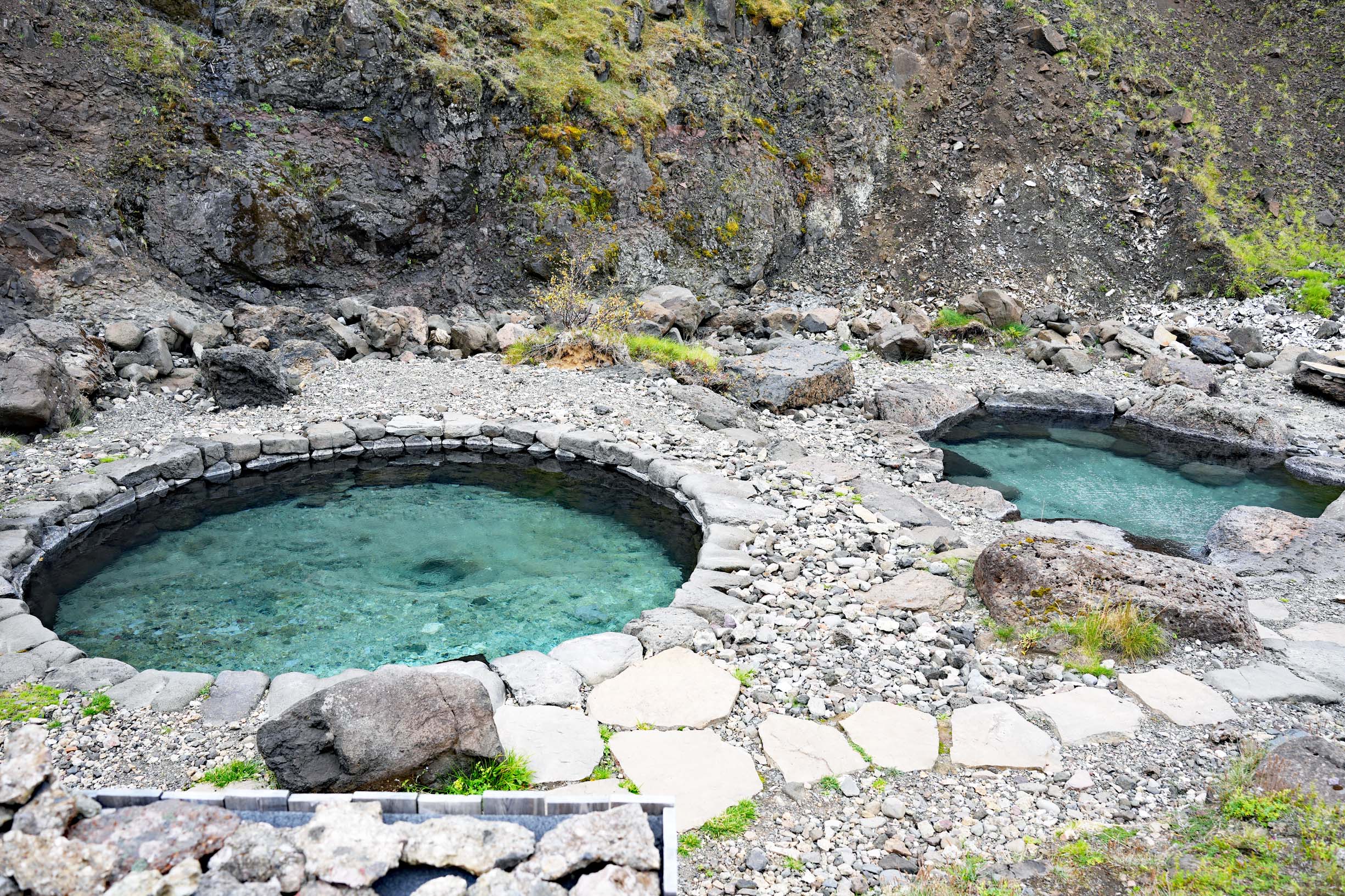

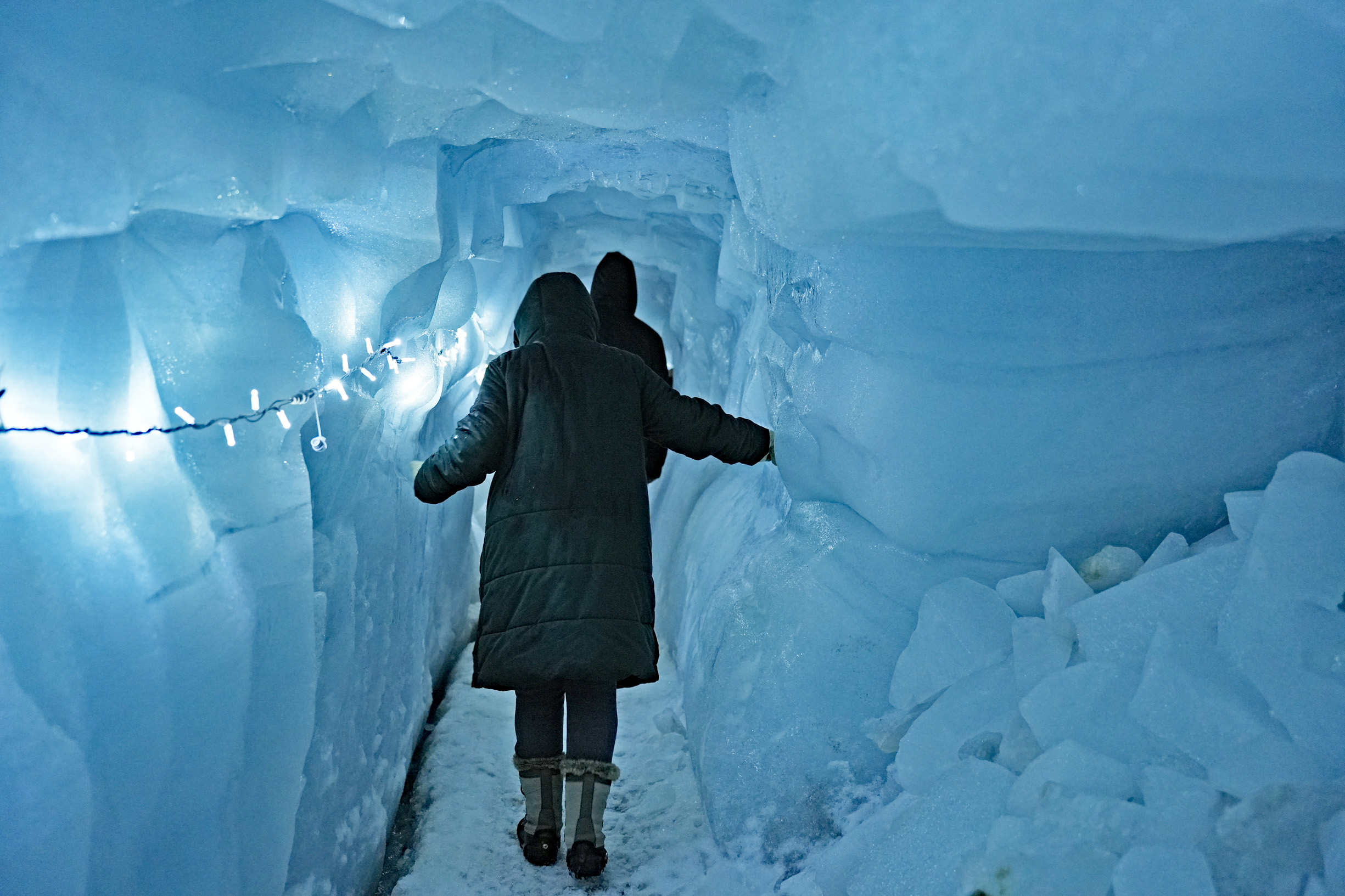
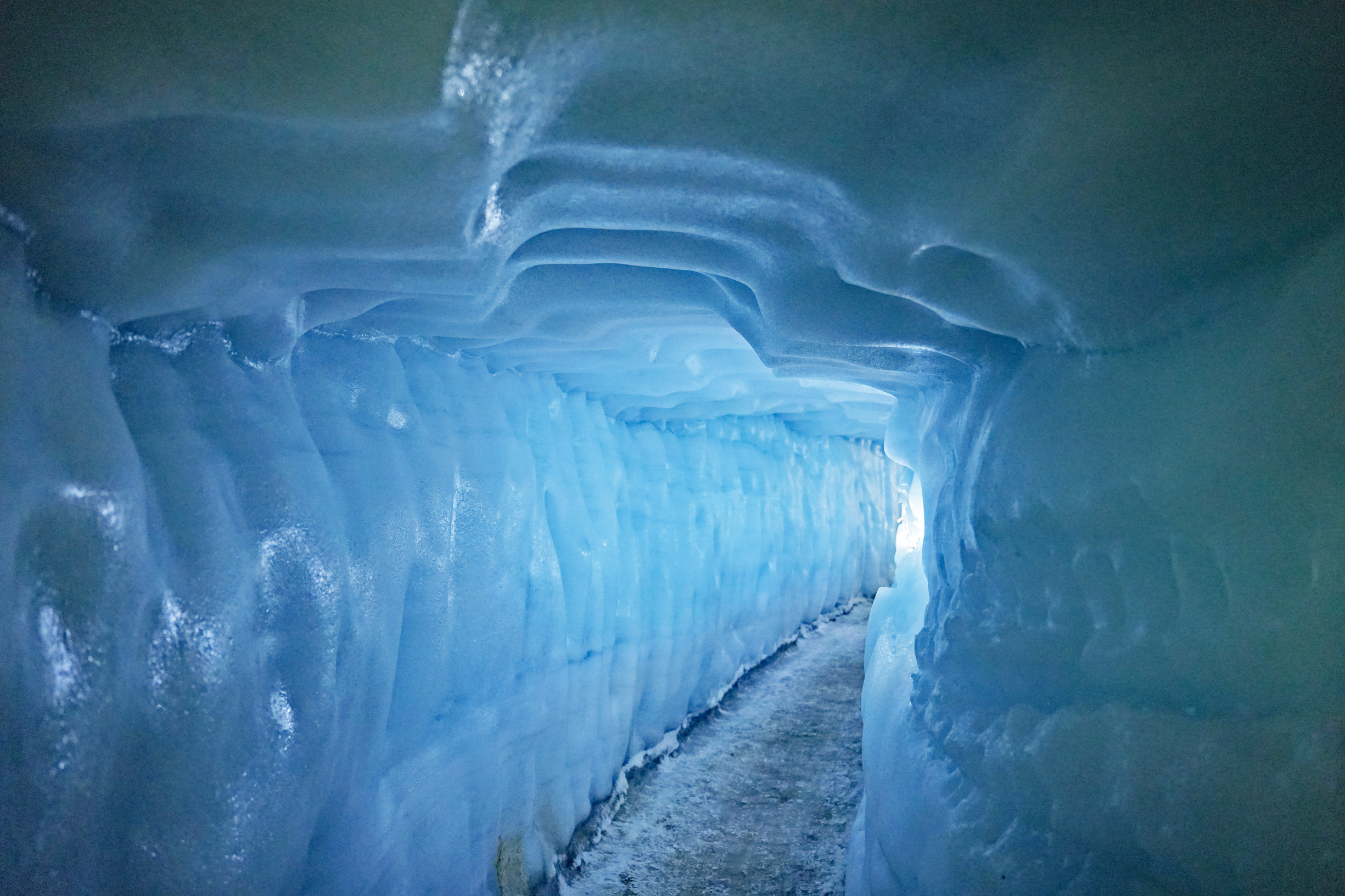
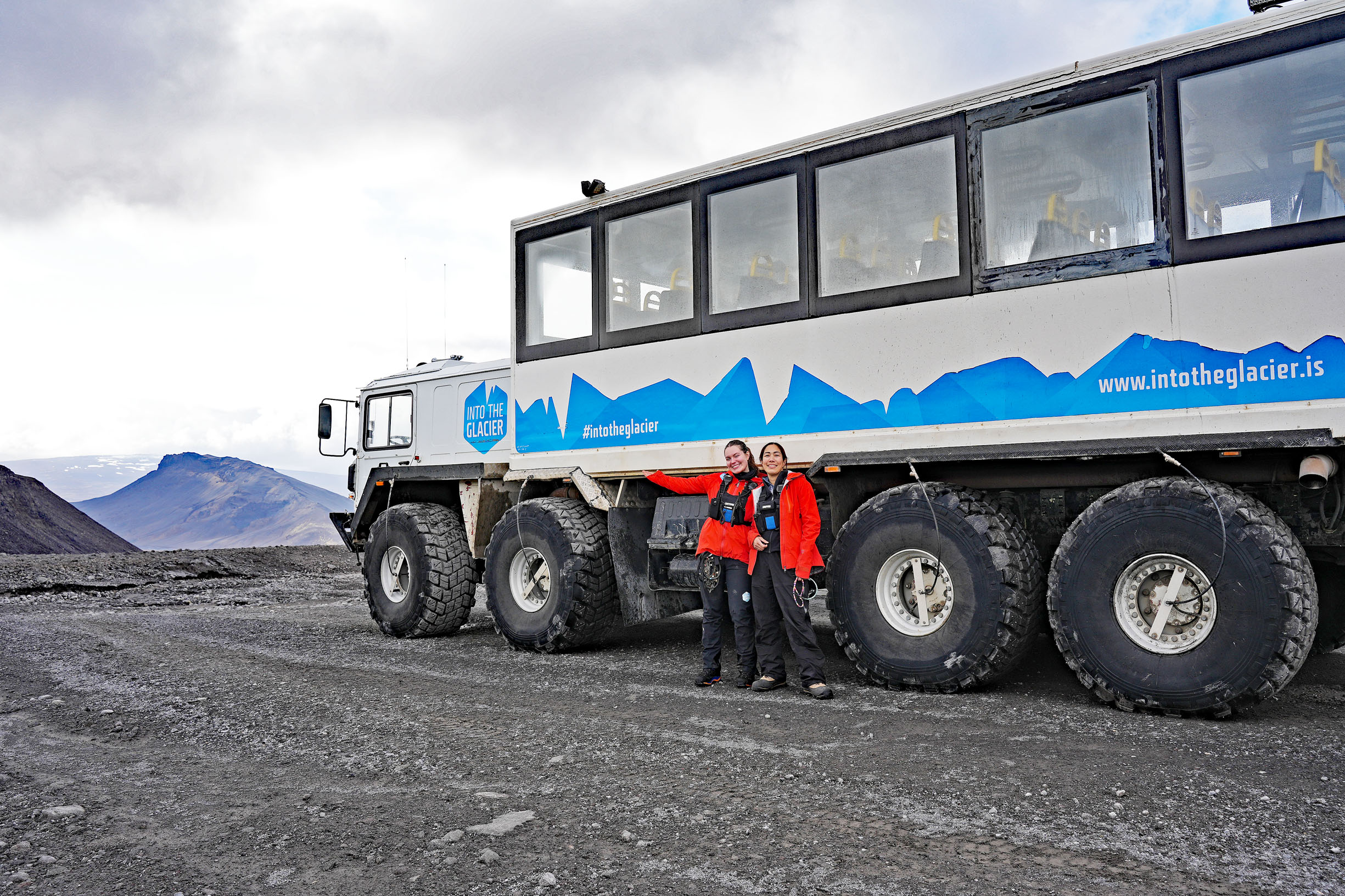
When staying here, try to explore everything the area has to offer. Don’t skip seasonal guided tours offered at Hótel Húsafell’s Activity Center. Done in small groups, with detailed explanations and good timing to fully embrace the subject matter, some of the most interesting tours include a walk through a lava cave (in hard hats with flashlights), Húsafell Canyon Baths natural geothermal tubs, lined with lava rocks, and a visit to a glacier, where you’ll wear the tour operator-provided traction crampons, and find yourself inside a fairy-tale ice palace, lit in all hues of white and blue.
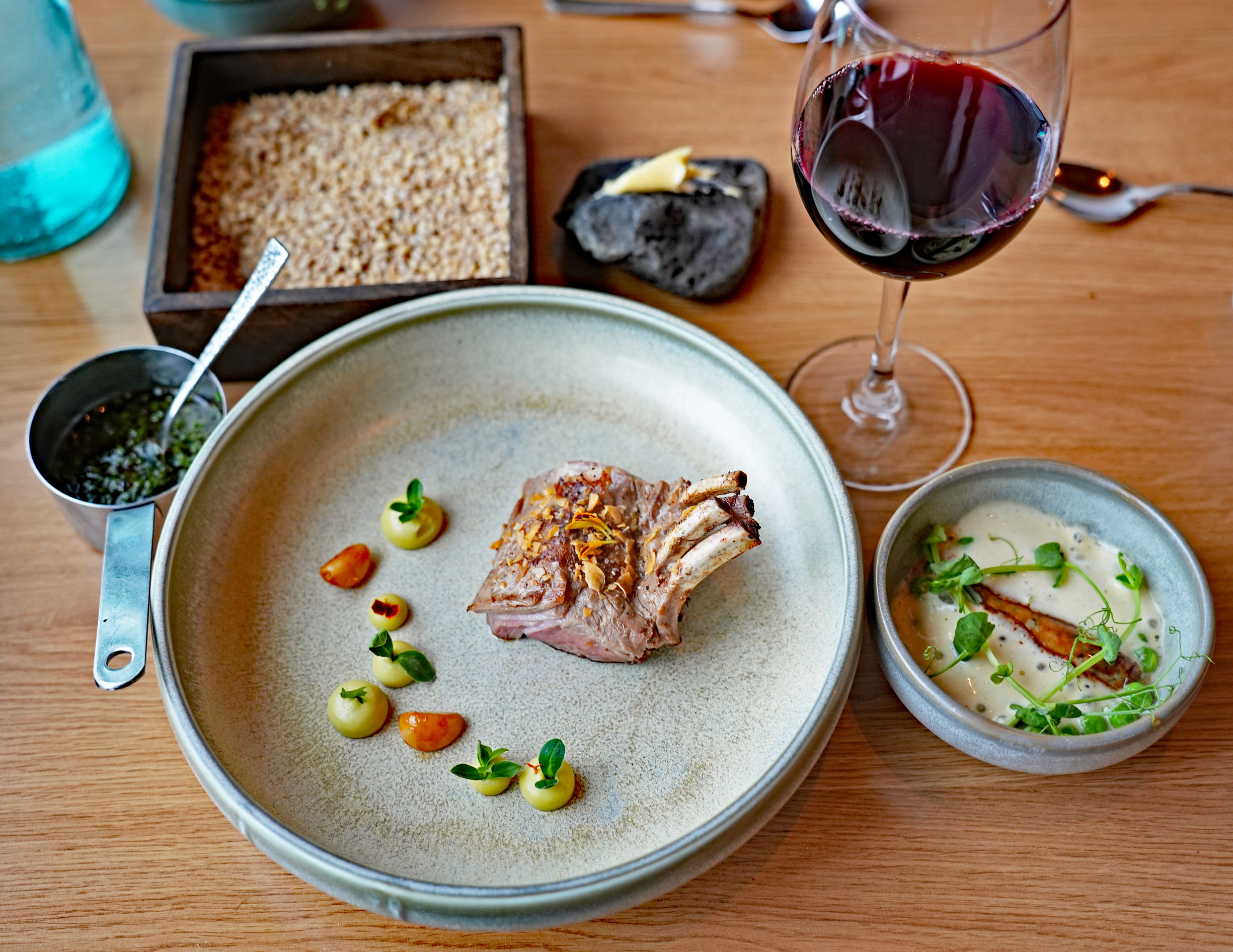
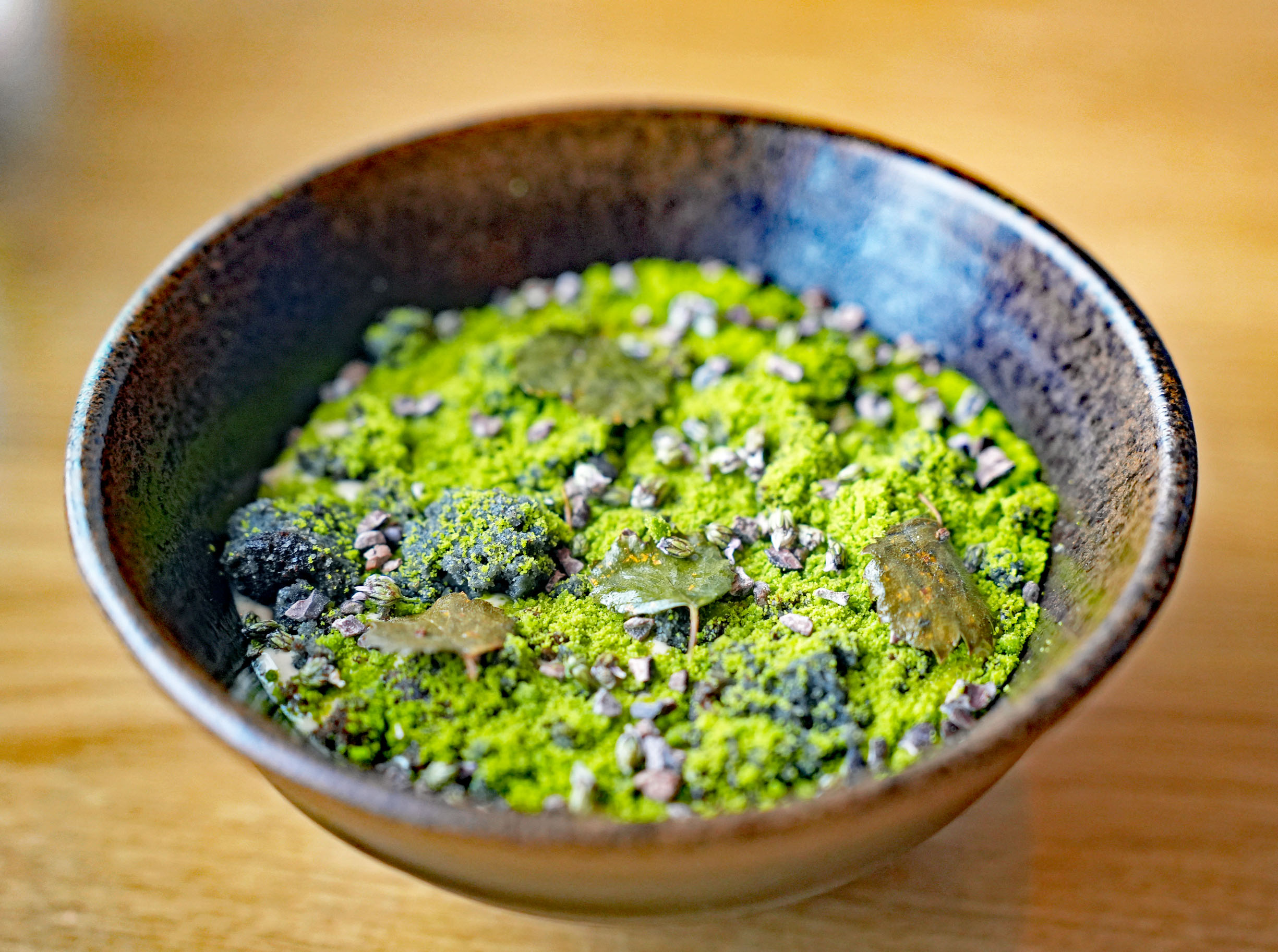

After a captivating nature tour with invigorating walks and abundance of fresh cool air, the hotel restaurant beacons with great ambiance of a spacious yet cozy dining hall, beautiful décor, and impeccable service. Of course, the star of the show is a highly original menu of Asian fusion cuisine based on Icelandic ingredients, where every dish resembles a piece of art, created by the Executive Chef Ingolfur Piffl.
Chef Piffl is a highly educated professional with science degrees and more than 20 years of international experience in fine dining establishments, including 5-star hotels and Michelin-star restaurants. According to the Chef, the kitchen under his lead focuses on locally sourced sustainable and organic produce, incorporating foraged herbs, berries, mushrooms, and seaweed to achieve unique and intriguing culinary harmony on every plate. The menu evolves with the use of Asian and French kitchen techniques not typical for Iceland, and therefore unique to Hótel Húsafell.
“I buy as many products as I can from Icelandic greenhouse farmers to reduce the CO2 footprint,” says Chef Piffl. “We started our own small greenhouse project where we grow edible flowers and mushrooms. We also take steps to reduce single-use products in the kitchen like baking paper, plastic wrap, and plastic carryout boxes. Working with meat and fish, we are careful to buy our salmon from land-farmed producers to help reduce micro plastics in the oceans.”
Stimulated by the surrounding Icelandic nature, the Chef also draws his inspiration from years of experience in many other countries, and reaches his haut cuisine goals through trial and error, learning from occasional mistakes and moving on past failures to the bold implementation of new ideas.
“I want to establish a kitchen with a totally different perspective toward food and what people know about food,” he says. “We have a simple goal to offer service and hospitality that makes people feel good, to establish a team that is a family, and to pass that feeling on to our guests. I see food as a great connector, but it also tells a story of our origins and ancestry. I can’t think of another element that brings people together in a stronger way than culinary craftsmanship. I think I have learned to present our guests with memorable meals that connect us all.”
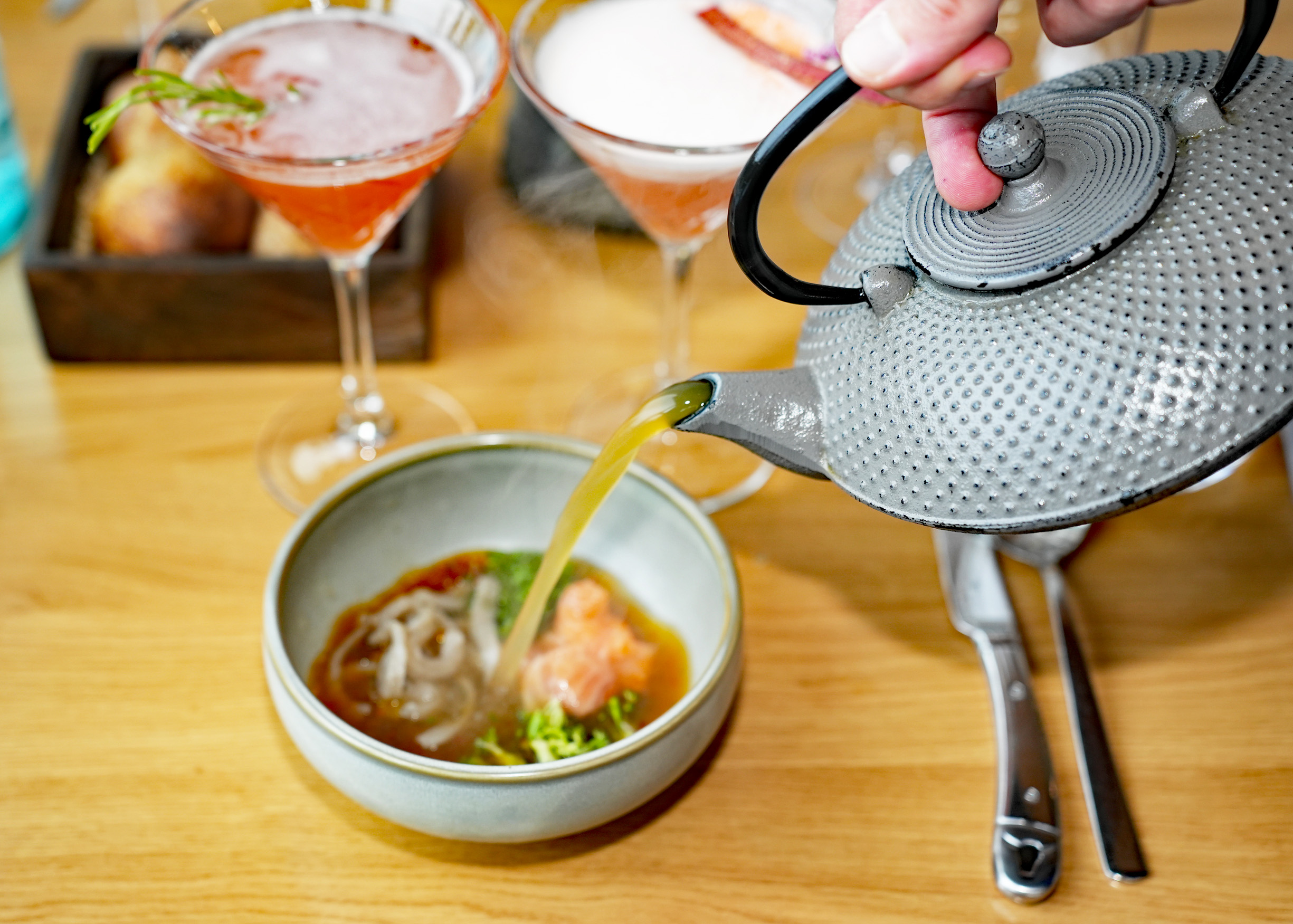
During my stay, some of the exquisite dishes at the Hótel Húsafell’s gourmet restaurant were presented in prix fixe menu: Fish Ramen Soup with barley udon, sake-washed salmon roe, and charred broccoli florets in grilled fish bone oil with crowberry and chives; Fried Free Range Lamb Crown with crispy and caramelized garlic, Icelandic yogurt, grilled cucumber sauce, wasabi nori oil and chives, and a side of homemade lamb sausage with aged cheese foam and fresh garden peas; and for dessert—Icelandic Brown Cheese and Skyr Cream with wild berries compote and pepper, kale cake crumble, and blueberry sorbet with juniper berries.
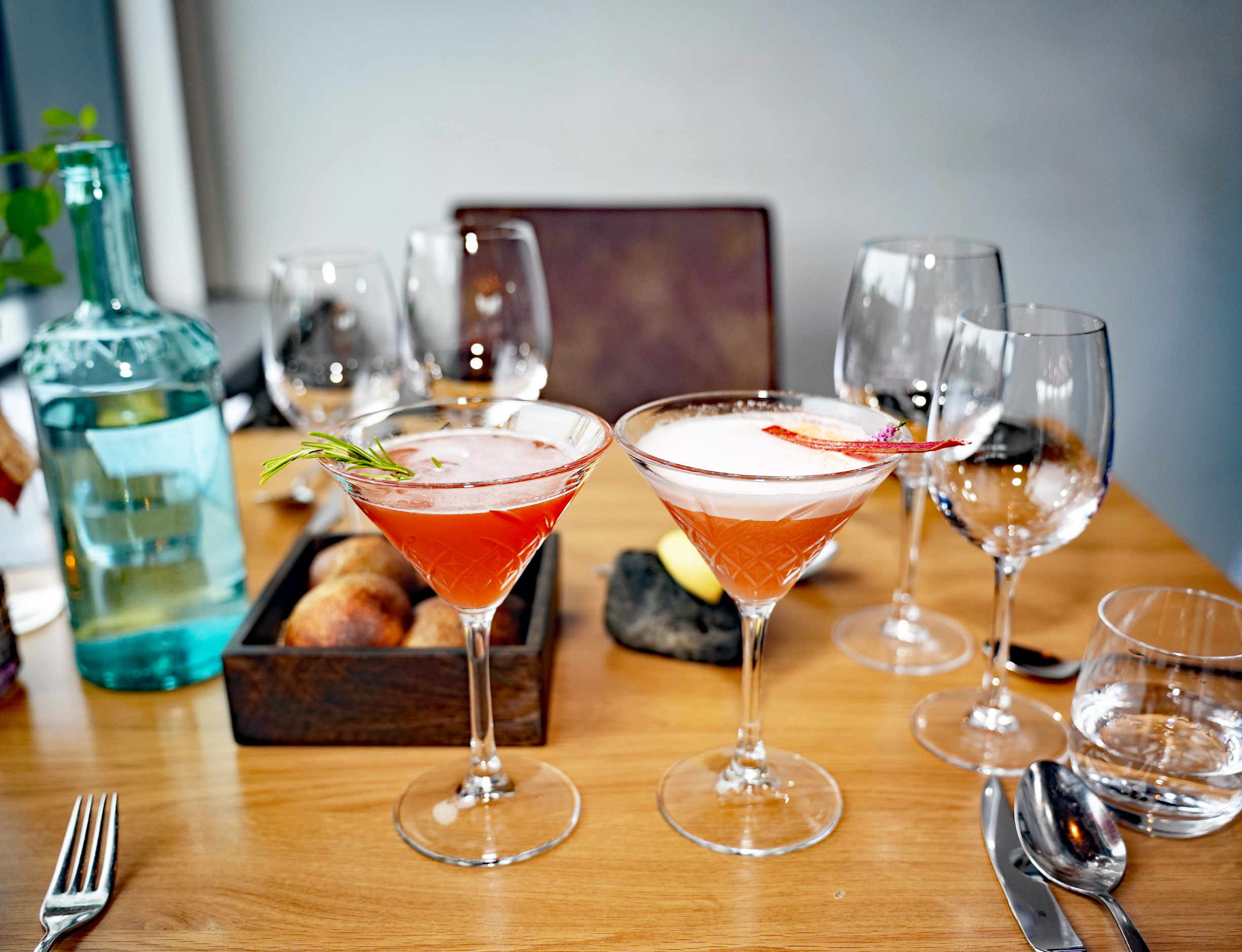
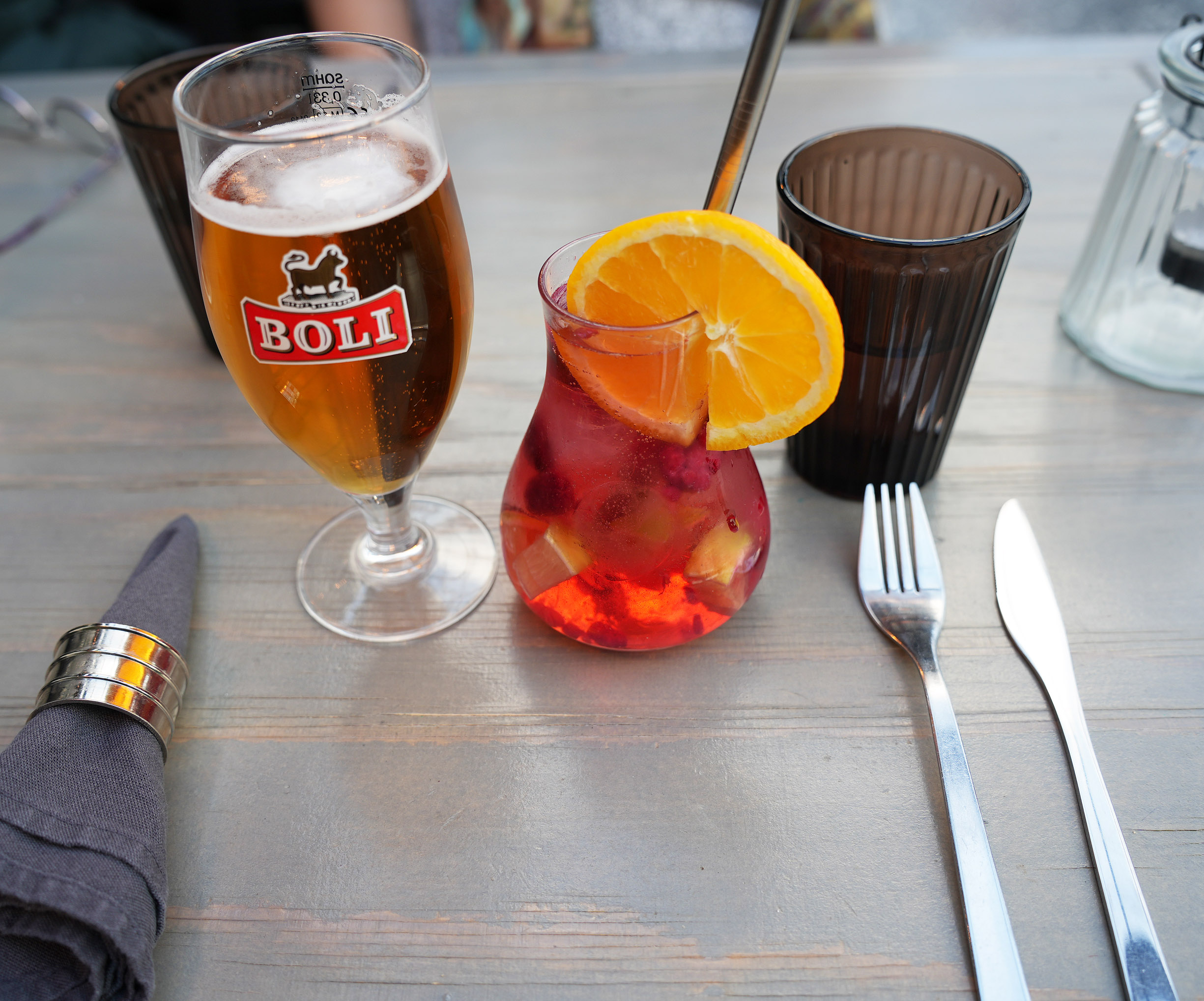
To match the fantastic cuisine, Húsafell Cocktails didn’t disappoint either. Nordic Cosmo of strawberry infused gin, Grand Marnier, orange and rosemary syrup, fresh basil and lemon as well as Rhubarb Sour of rhubarb infused vodka, Aperol, Húsafell rhubarb syrup, and egg white are still lingering in my gustatory memory…

Moving on to my next stop, Hraunsnef Country Hotel (http://hraunsnef.is/), I was asking my Oak Travel driver quite a few times to stop by the side of the well-maintained uncrowded road to take pictures of the puffy Icelandic sheep. I remembered seeing toy sheep at the airport gift shop, and thinking to myself, who could’ve designed such unrealistic toys—with bodies that looks like a bales of hay, thin spindly legs, and round button-eyes. Little did I know that that was the exact representation of these exceedingly cute animals, peacefully grazing upon green end-of-summer pastures while turning their fluffy behinds to the sudden gusts of wind.
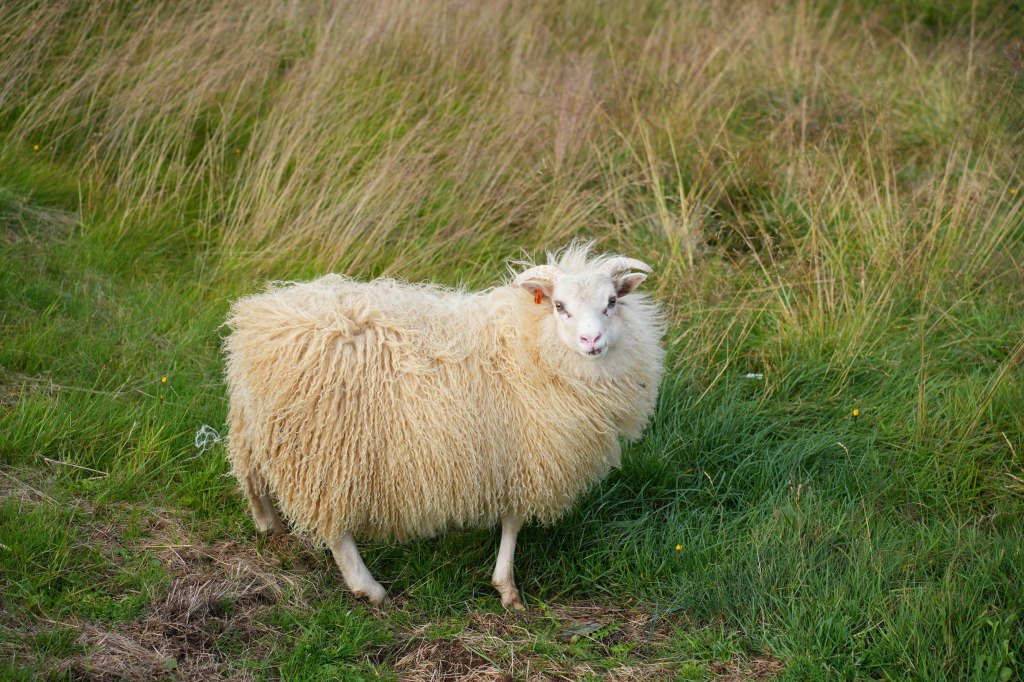
I learned that all the sheep here weren’t wild—they belonged to various farms. However, looking at their little flocks roaming freely in the open spaces it was easy to start believing in the bucolic mythical paradise where lambs and lions walk together. Of course, there are no lions in Iceland. The only native wild animals are snow-white Arctic foxes, plus some sizable populations of birds and fish.
In the plants department Iceland is also modestly restrained, forced to comply with severe winters and notoriously short and cool summers. A local joke goes that you can’t get lost in an Icelandic forest, because you’ll be taller than the forest trees. Nevertheless, these dwarf forests house a large population of wild berries and mushrooms, which constitute a big part of a healthy local diet.

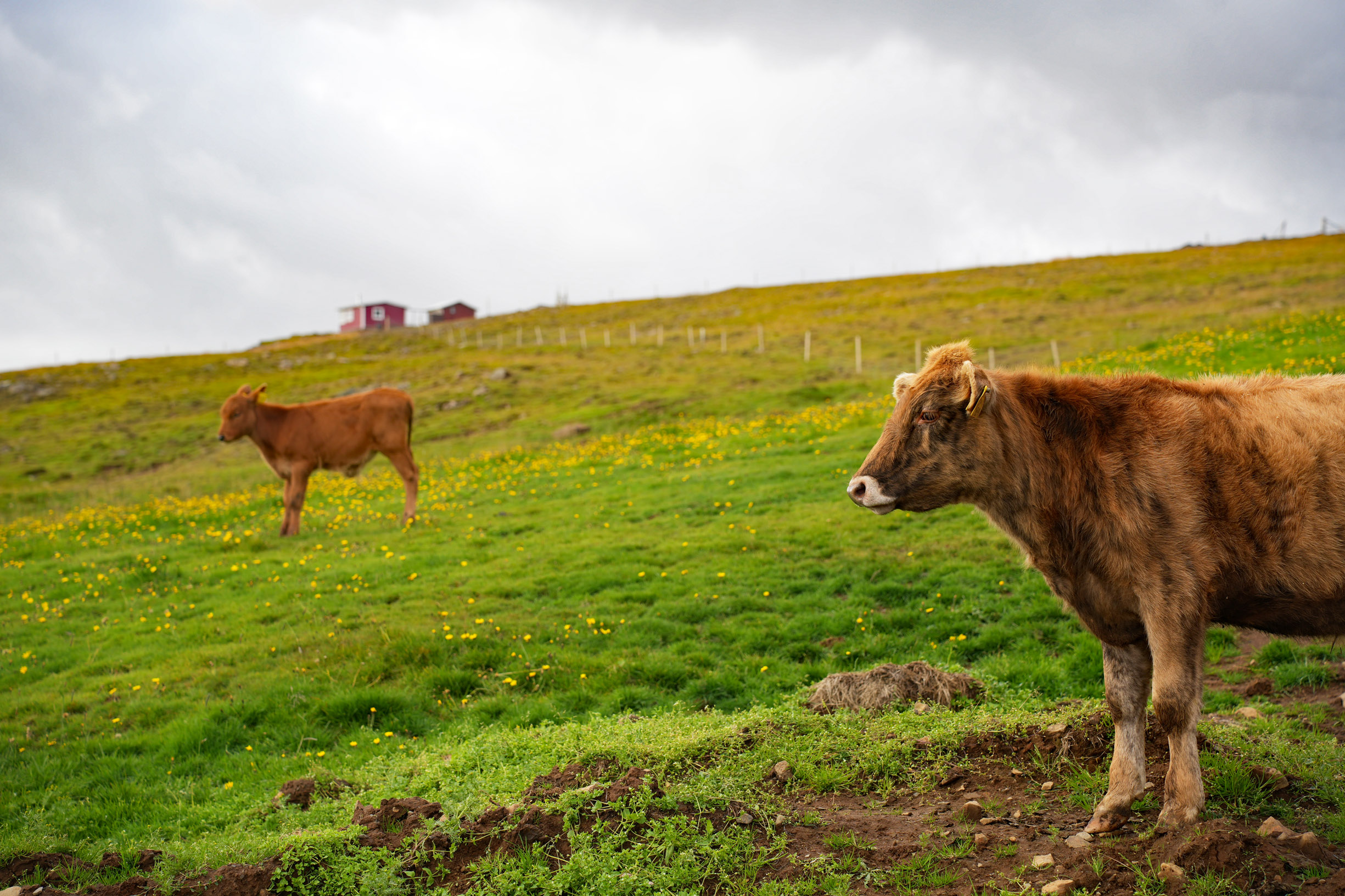
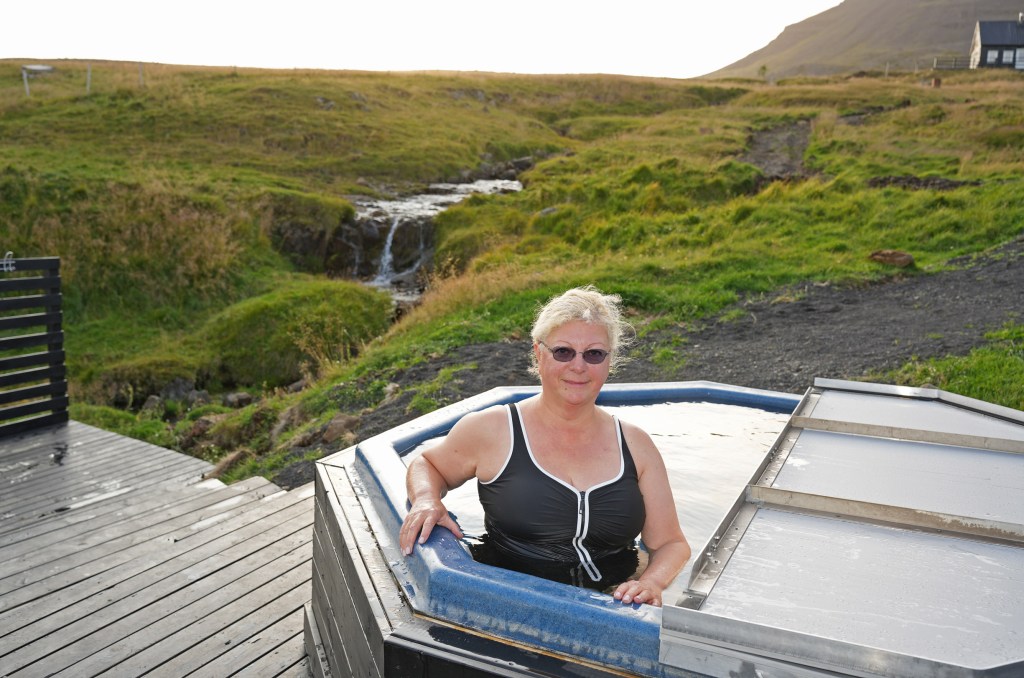
Hraunsnef Country Hotel prides itself in raising its own cattle—sheep and cows. You can see the animals right outside the guest cottages—simple, yet comfortable, equipped with all the necessary conveniences as well as bathrobes and rubber shoes for a short trip to a couple of hot tubs built upon the local geothermal springs.
Early in the morning, hence you won’t be late for a breakfast buffet, a brightly feathered rooster crows right outside your window amid the soothingly silent countryside, and then moves to the next cottage.
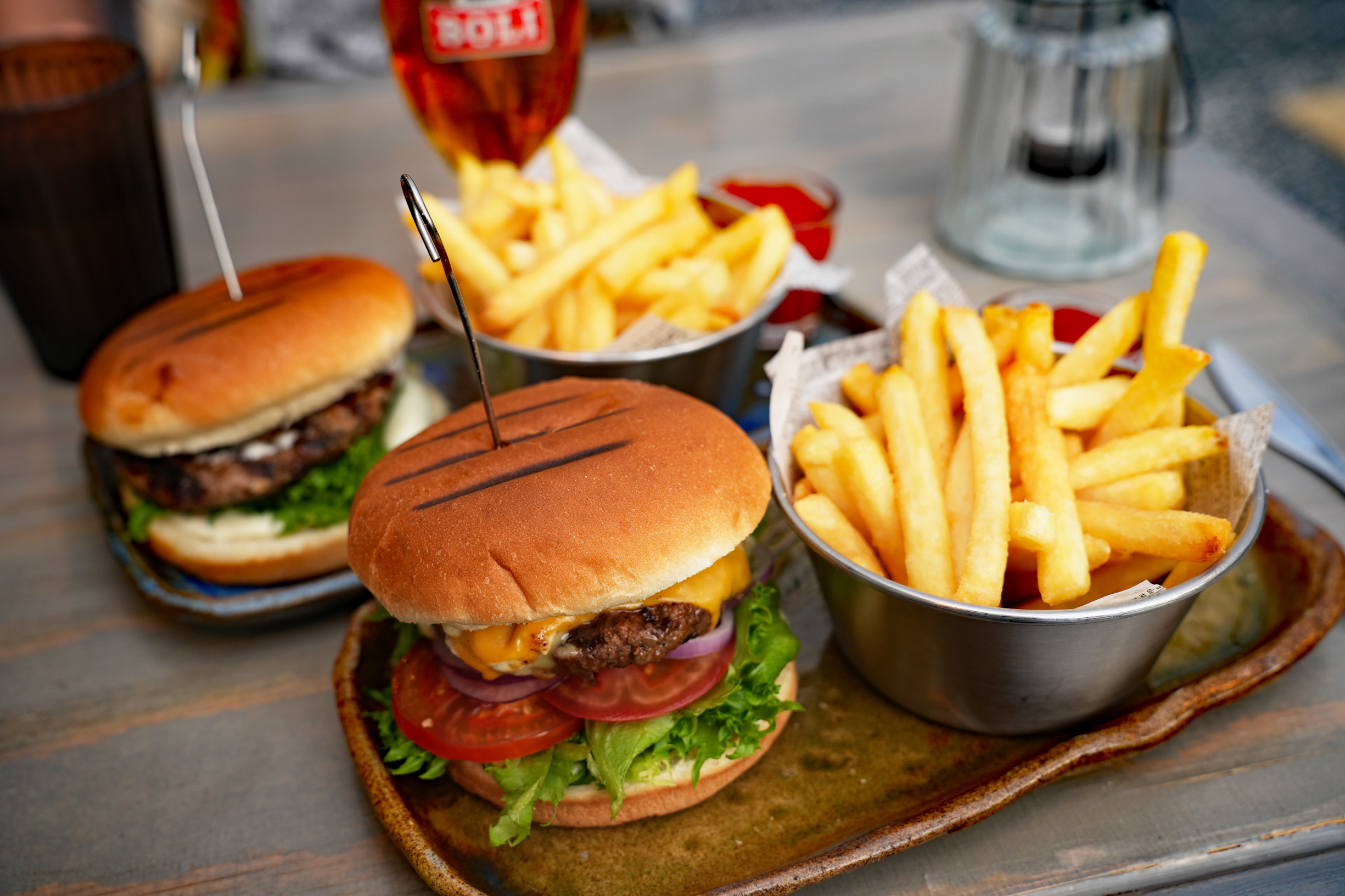
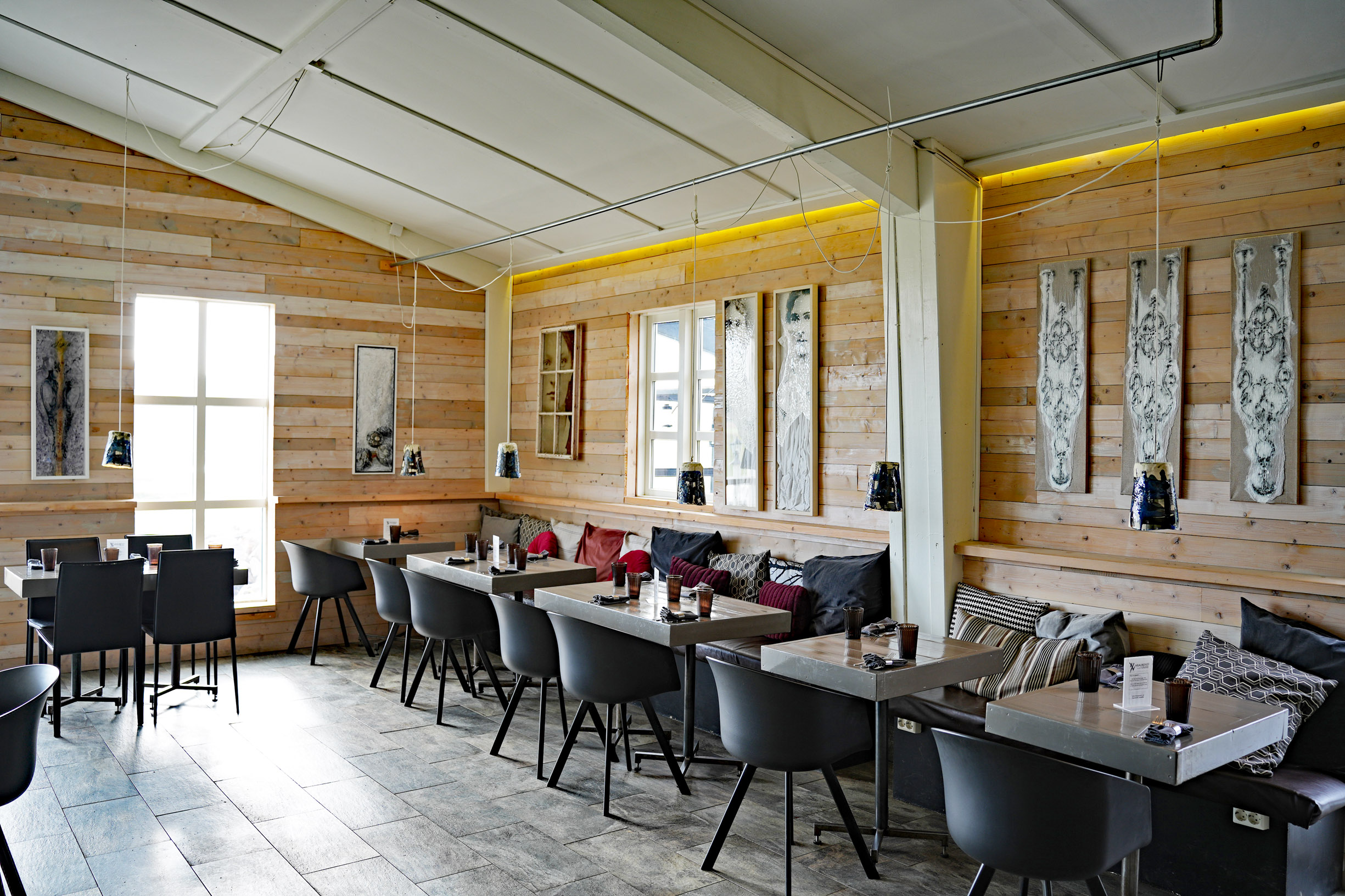
Hotel’s restaurant is decorated with an impressive collection of contemporary art, and from the dining room’s terrace you can observe a small pond with a large family of ducks. The restaurant’s kitchen prepares lamb and beef dishes, like a famous Hraunsnefburger from its own sustainably grown meat, and spoils its guests with creative cocktails and homemade ice cream.
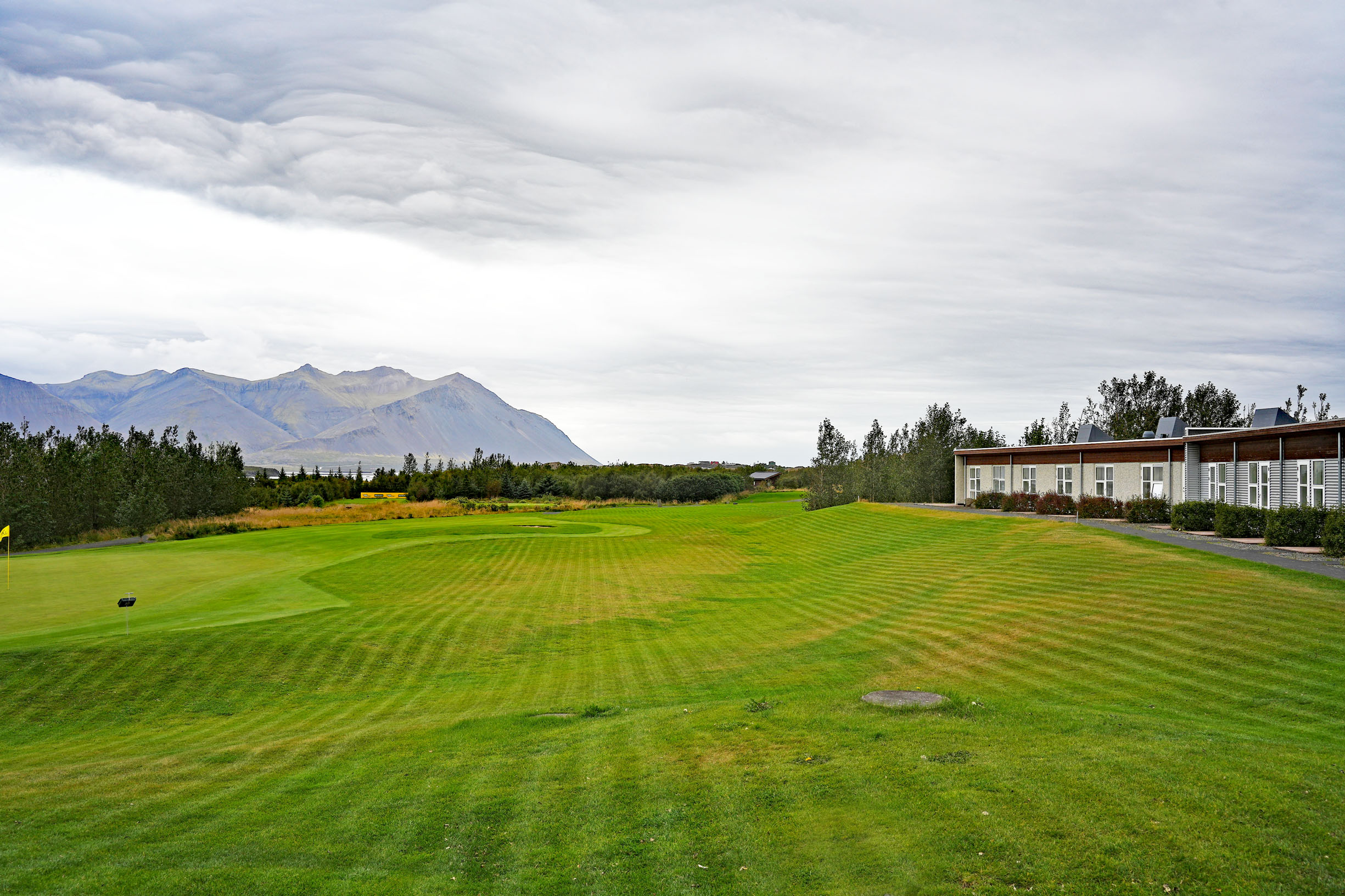
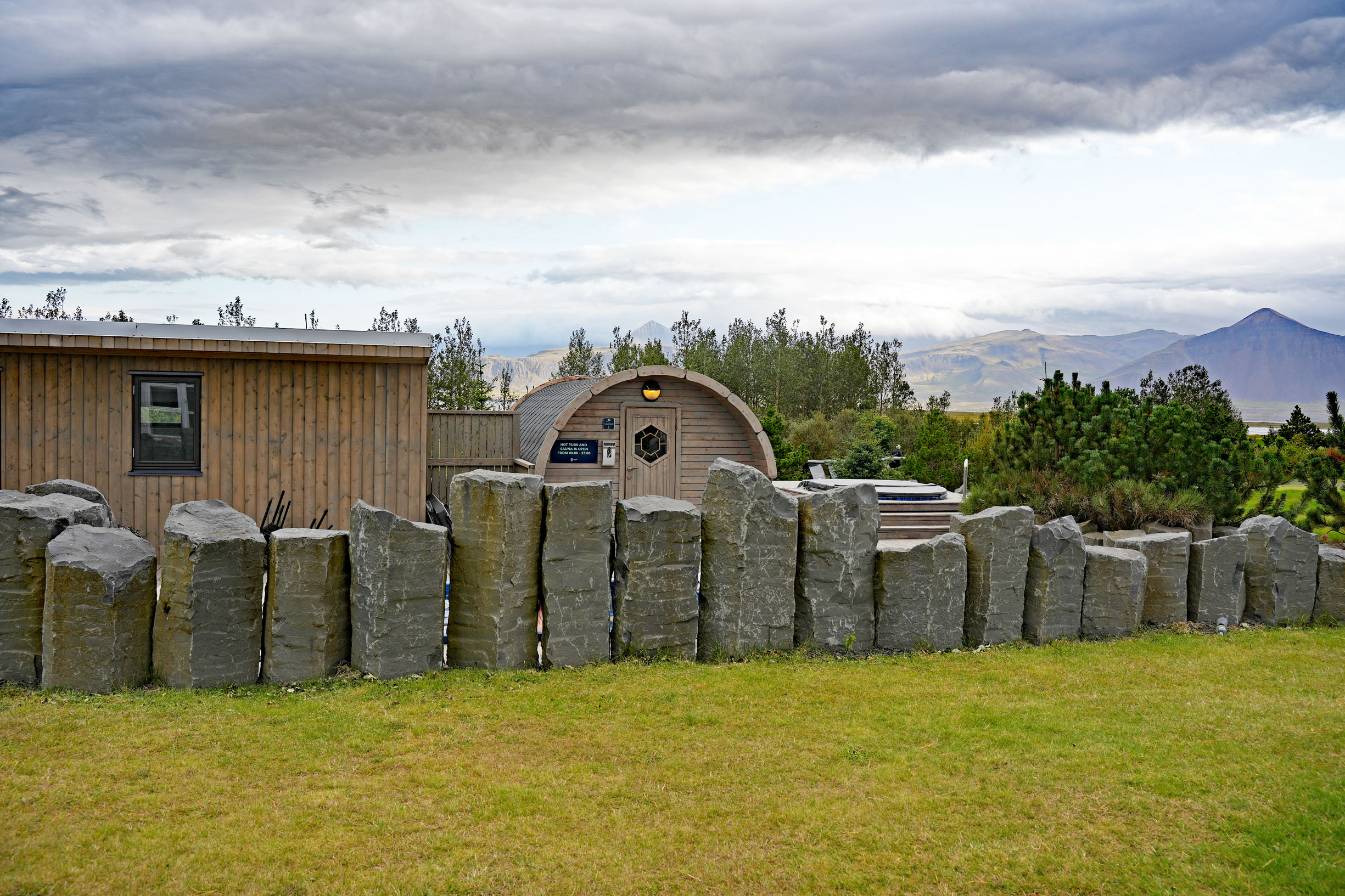
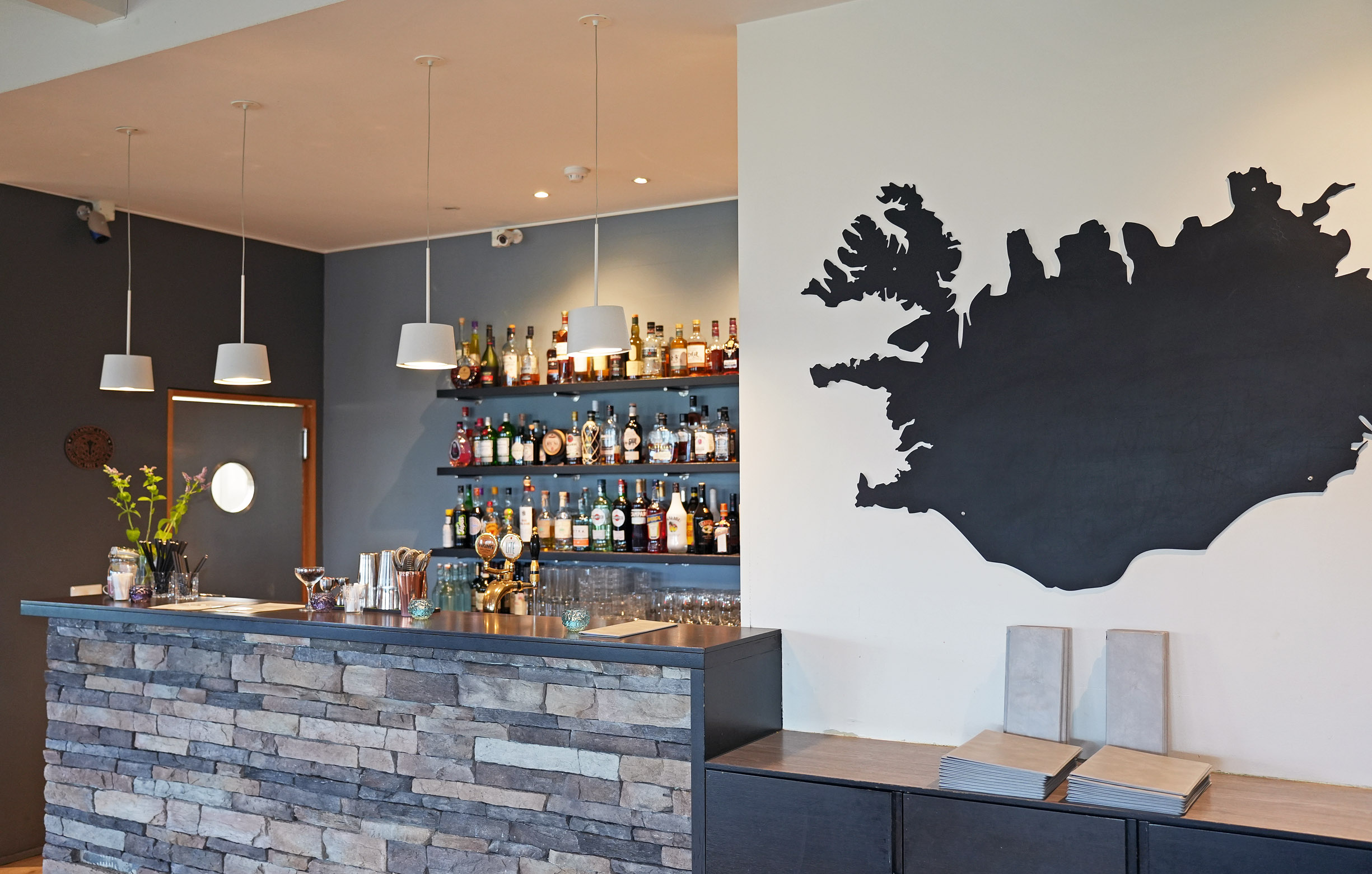
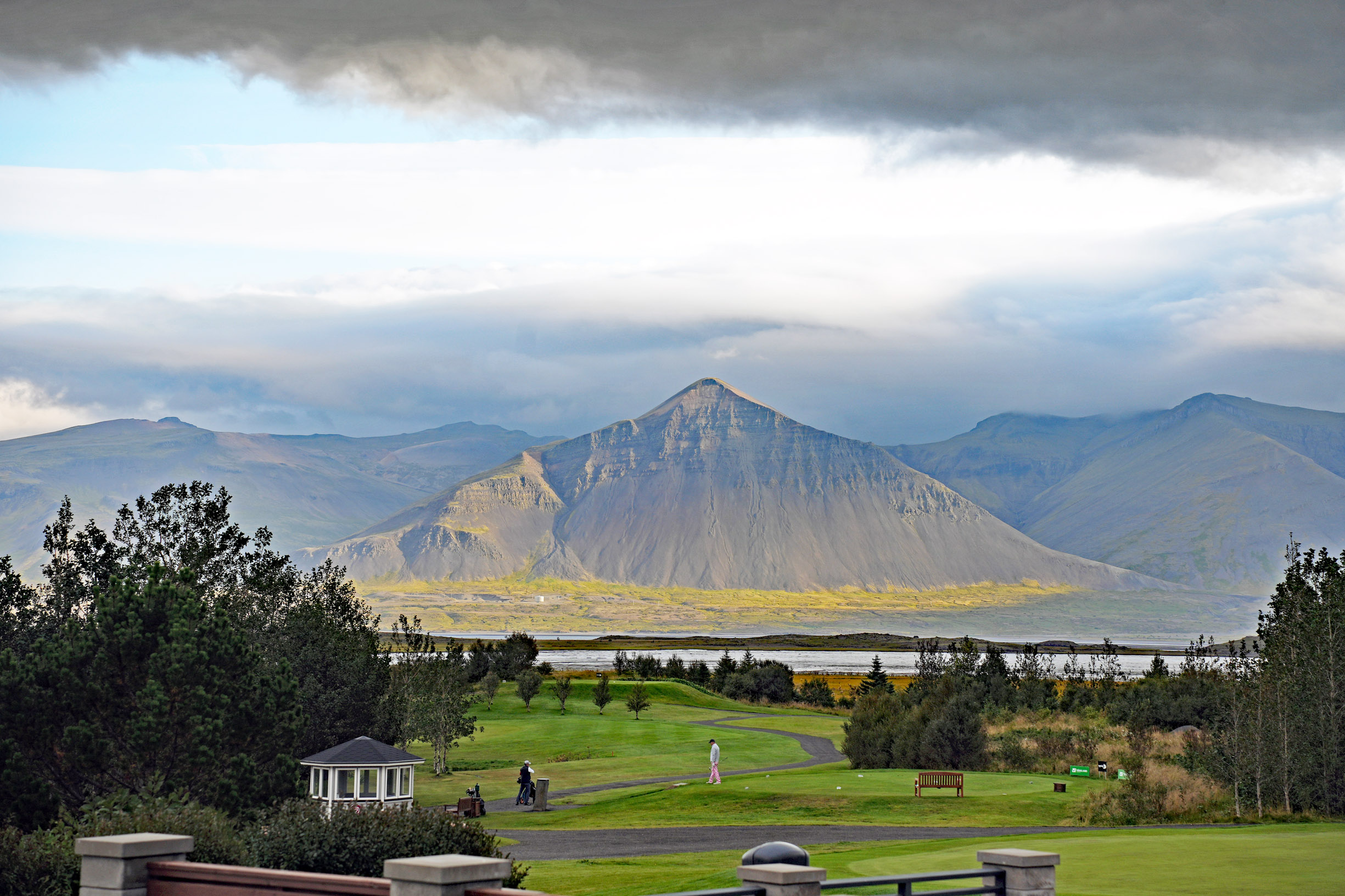
The last hotel I visited on this trip, was a large and sophisticated Hótel Hamar (https://www.hotelhamar.is/) outside Borgarnes, with a sizeable campus, a popular golf course, and walking trails all around it, a gorgeous restaurant with a full bar and artful tableware, and two grand hot tubs next to a sauna.
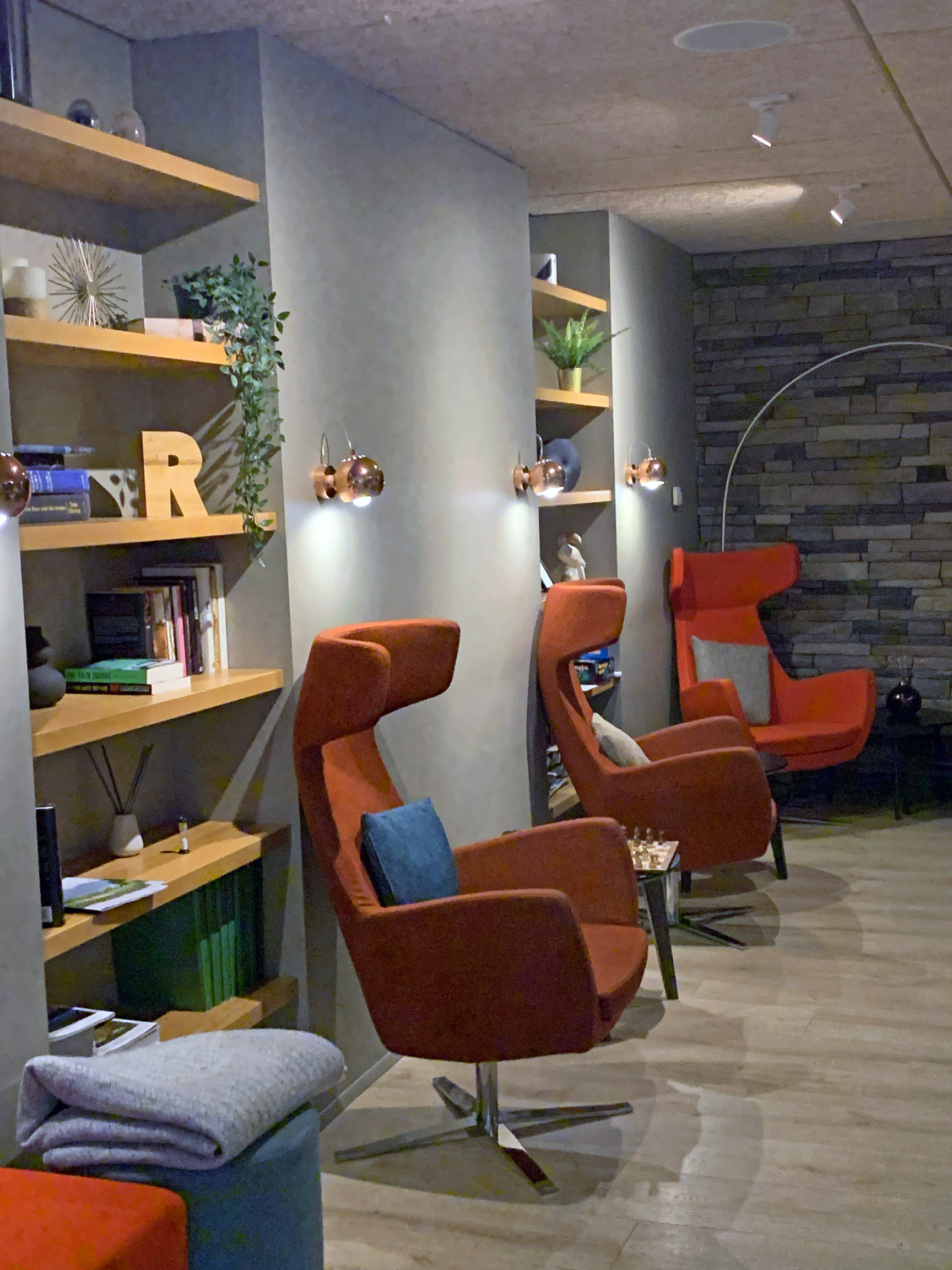
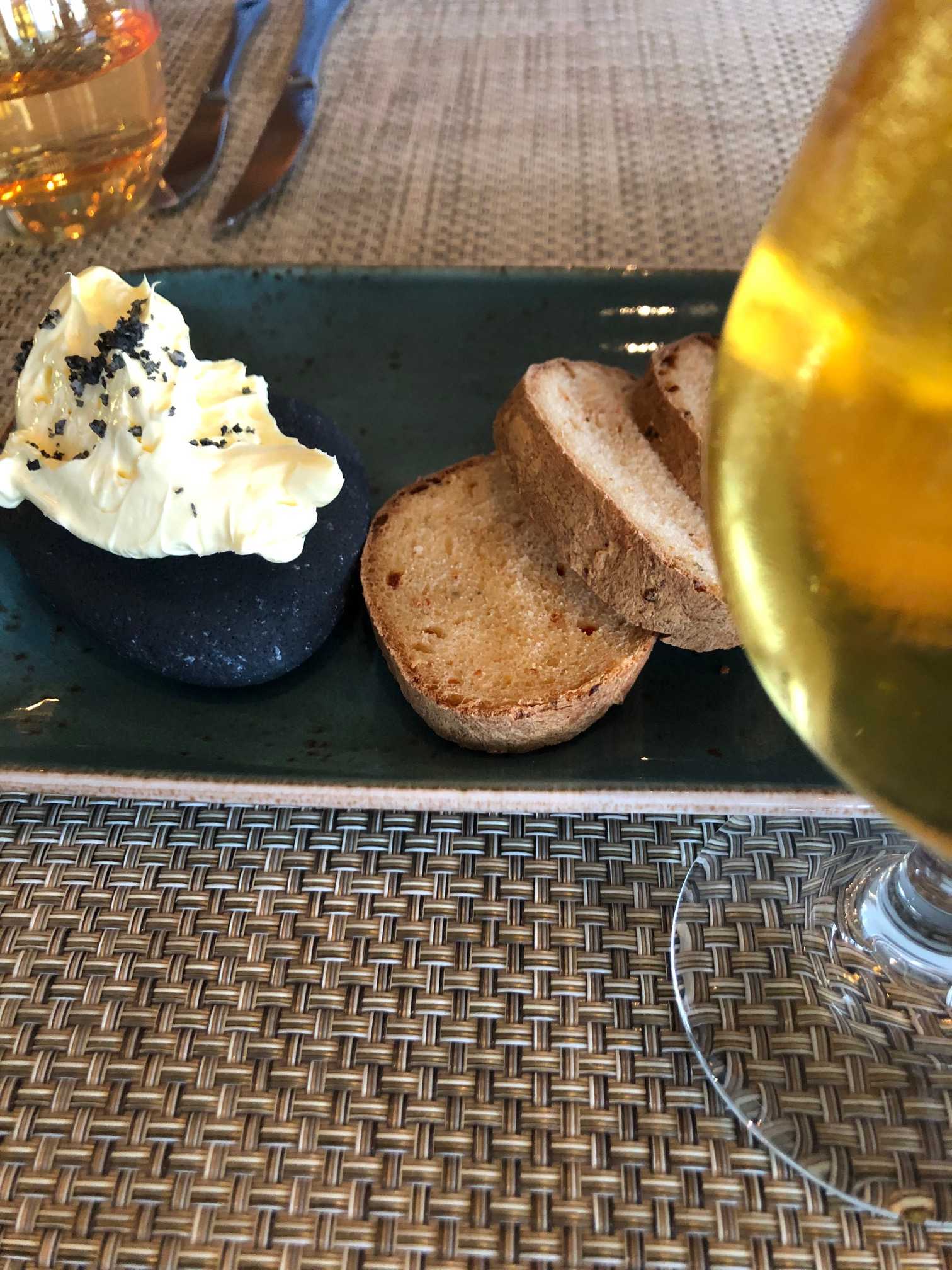
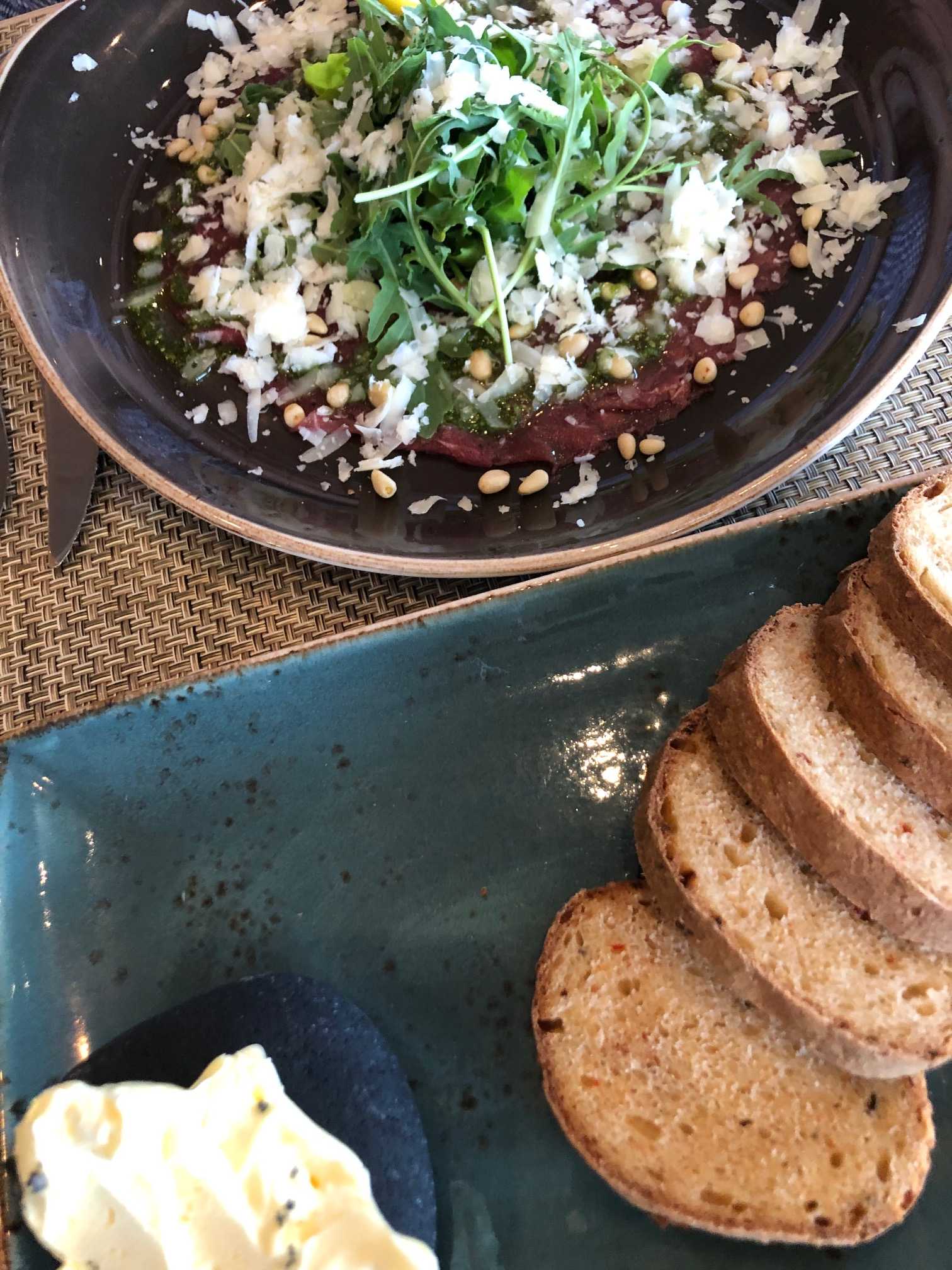
I spent only one night at Hótel Hamar, and left with a feeling that a longer stay would’ve been an even more rewarding experience.
My return ride to Keflavík airport with Oak Travel was as timely and smooth as I came to expect from this remarkable transportation company. Besides the comfortable and accurate airport transfers, Oak Travel offers short and long, private and small-group, romantic and family-friendly tours, supported by the experienced, professional English-speaking guides who are also excellent drivers.

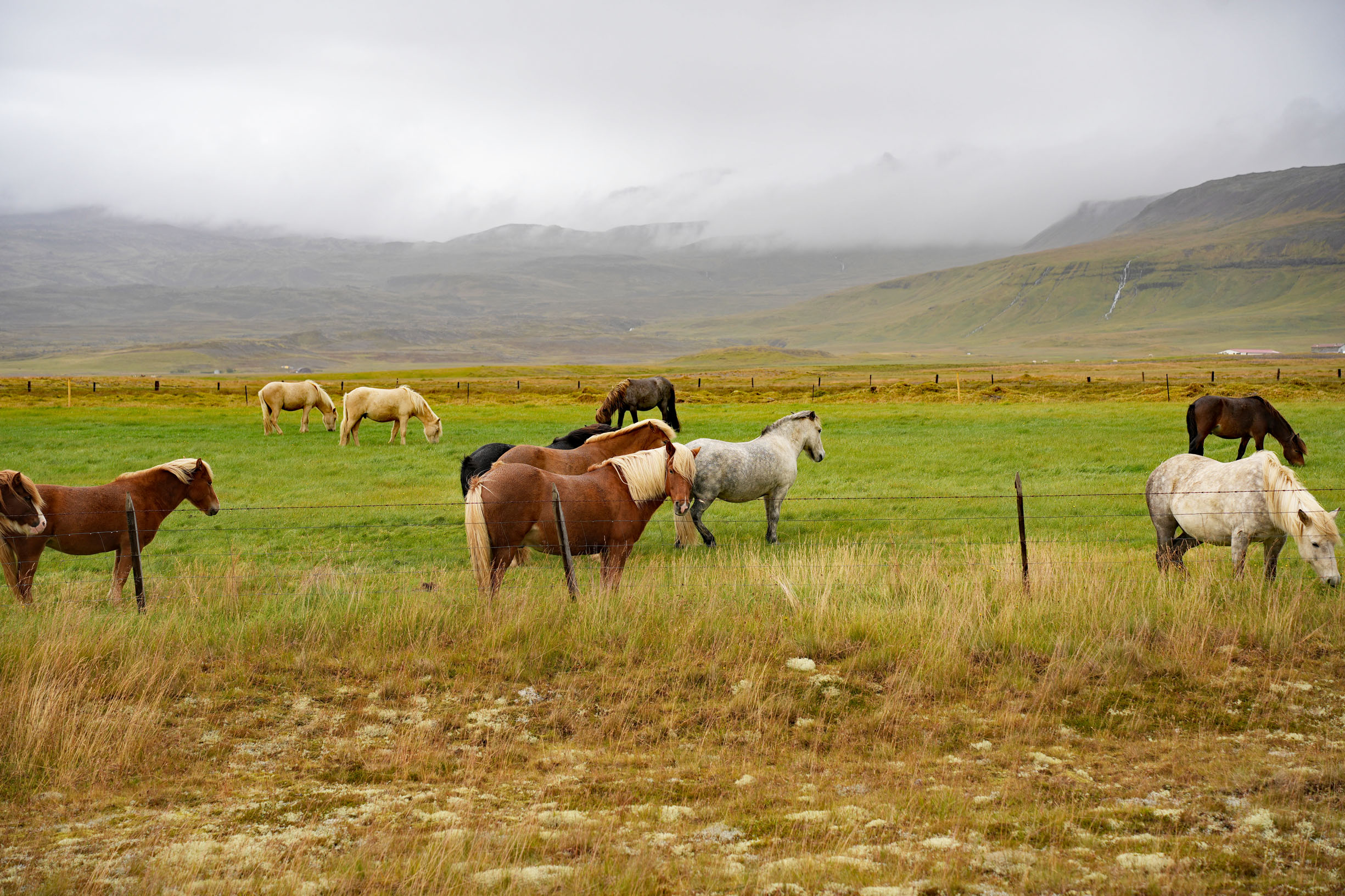
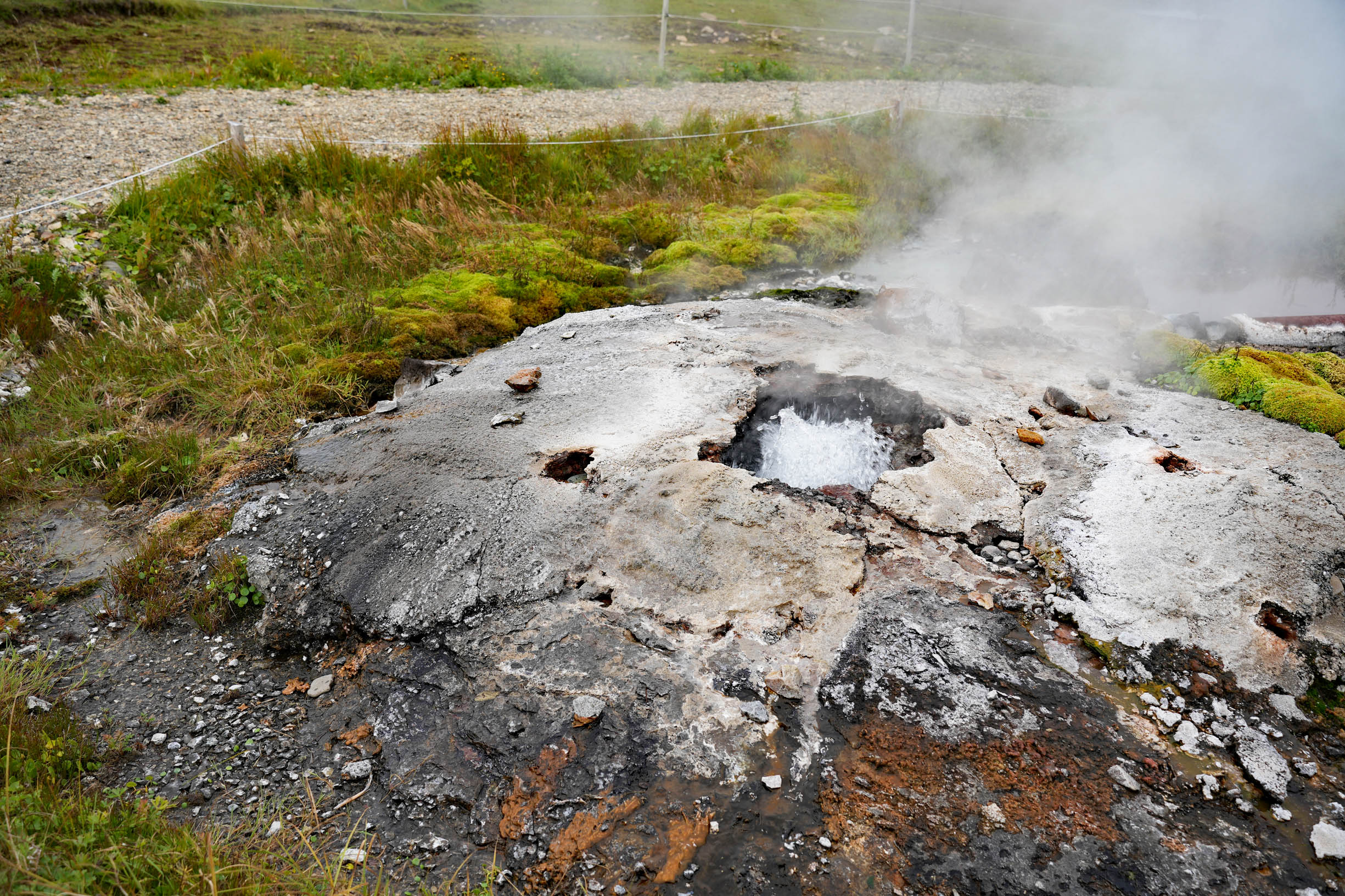
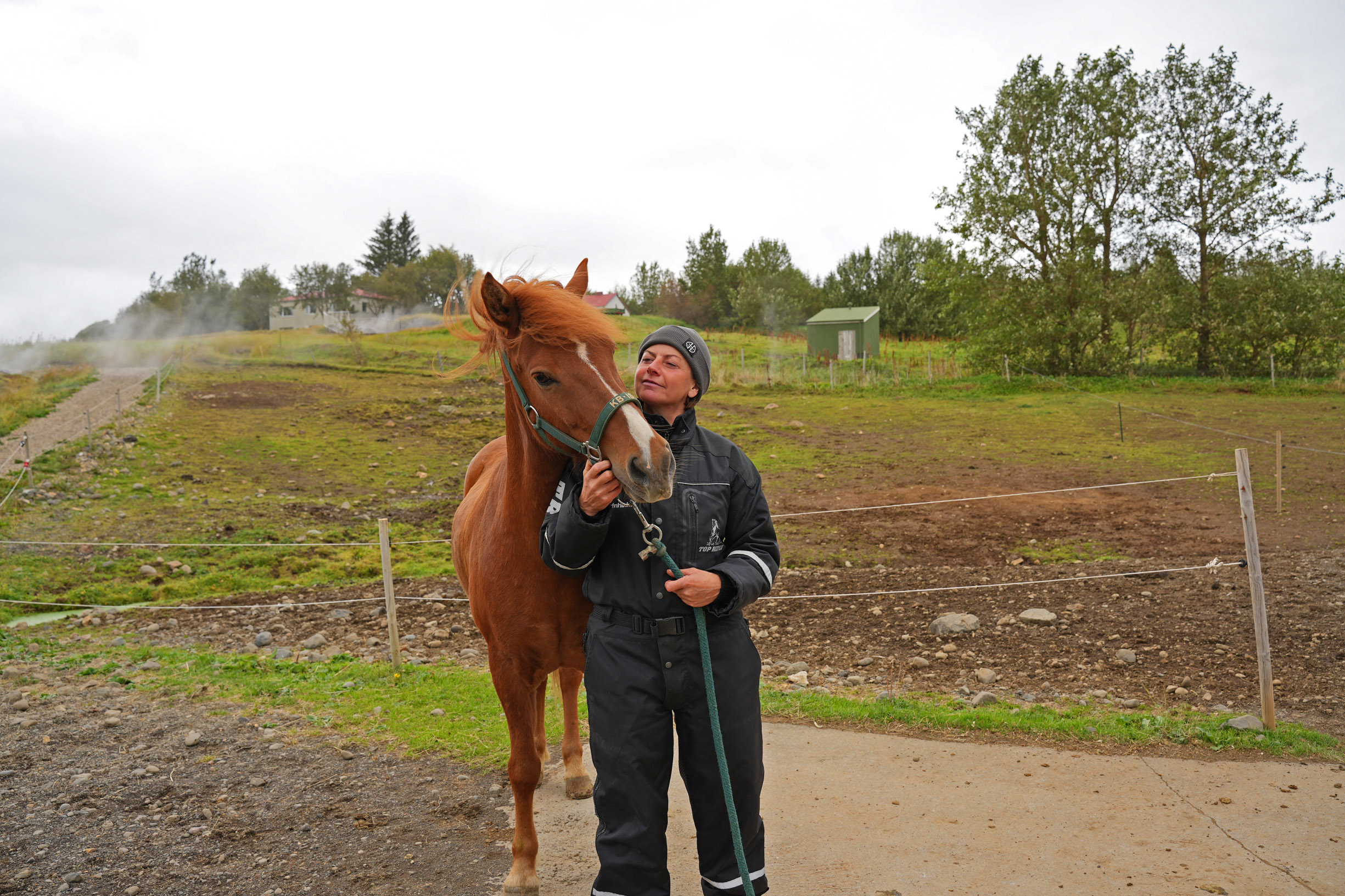
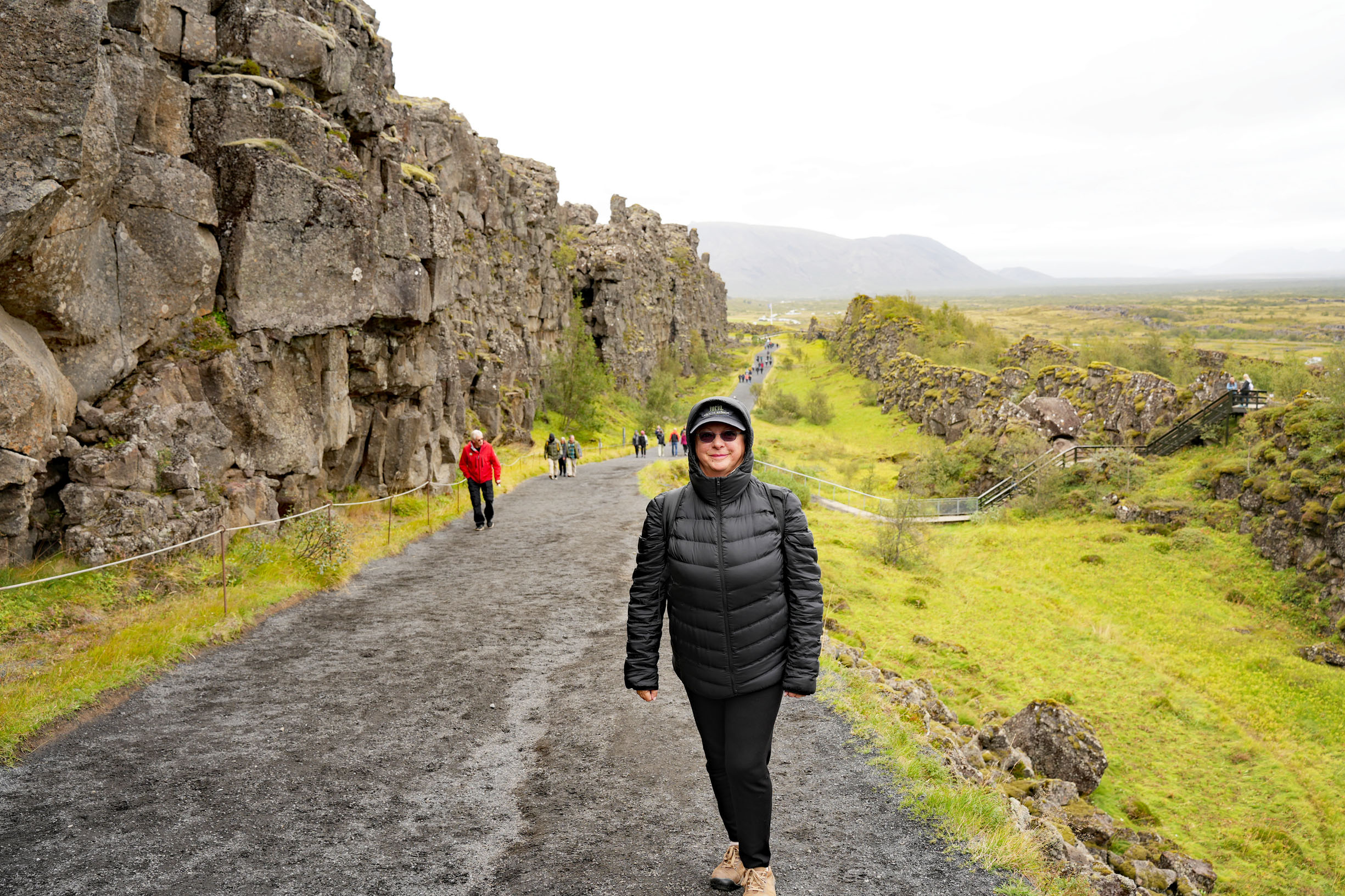
I had a chance to ride with Oak Travel in utmost comfort and safety to the amazing natural formations for which Iceland is famous—a part of the Mid-Atlantic Ridge between North America and Europe at the Thingvellir National Park, where tectonic plates of both continents meet, or rather move away from each other; to the gorgeous Kirkjufell Mountain that towers 1,520 feet above its picturesque namesake waterfall, and to Sturlureykir Horse Farm, hometo more than 60 gorgeous Icelandic horses of different colors and uniformly friendly characters. The farm that has been in the same family for more than 150 years, and the current owners, Jóhannes Kristleifsson and Hrafnhildur Guðmundsdóttir continue to breed and train horses for riding and competitions. There are stable visits, riding tours, and horse rentals available at the farm all year round, plus there’s a natural hot spring on the farm’s grounds, inside of which Hrafnhildur bakes fresh rye bread in recycled milk cartons. Every tour to Sturlureykir Horse Farm includes a tasting of this homemade bread.
To plan your next visit to Iceland, learn more at https://www.visiticeland.com/. If your goal is to combine as many rewarding experiences as possible in a shorter timeframe, and to indulge in amazing cuisine, choose Hótel Húsafell and everything it has to offer. You won’t be disappointed!
 Real Travel Adventures