

By Emma Krasov. Photography by Yuri Krasov
What to do at a ski resort in the heat of summer? This question might sound senseless to skiers and snowboarders. They’d say, not much! It might sound senseless to alpinists, mountain bikers, rock climbers, trekkers, and the paragliding enthusiasts. They’d say, plenty!
But what about the rest of us, regular folks, who love to travel, but shy away from adventure sports? Who prefer walking, sightseeing, and culinary explorations of our chosen destinations as our best vacation activities? Is there anything for us in Courmayeur, a historic Italian town, and a well-known ski resort at the foot of the majestic Mont Blanc (or rather Monte Bianco)? As we’ve recently discovered on a wonderful trip organized by the Best of the Alps association of the classic mountain resorts—indeed there is!
Best of the Alps unites and presents to the world 11 distinct mountainous communities in different European countries located in the Alps— Chamonix Mont-Blanc, Cortina d’Ampezzo, Courmayeur, Crans-Montana, Davos, Garmisch-Partenkirchen, Kitzbühel, Lech Zürs am Arlberg, Megève, St. Anton am Arlberg and Seefeld.
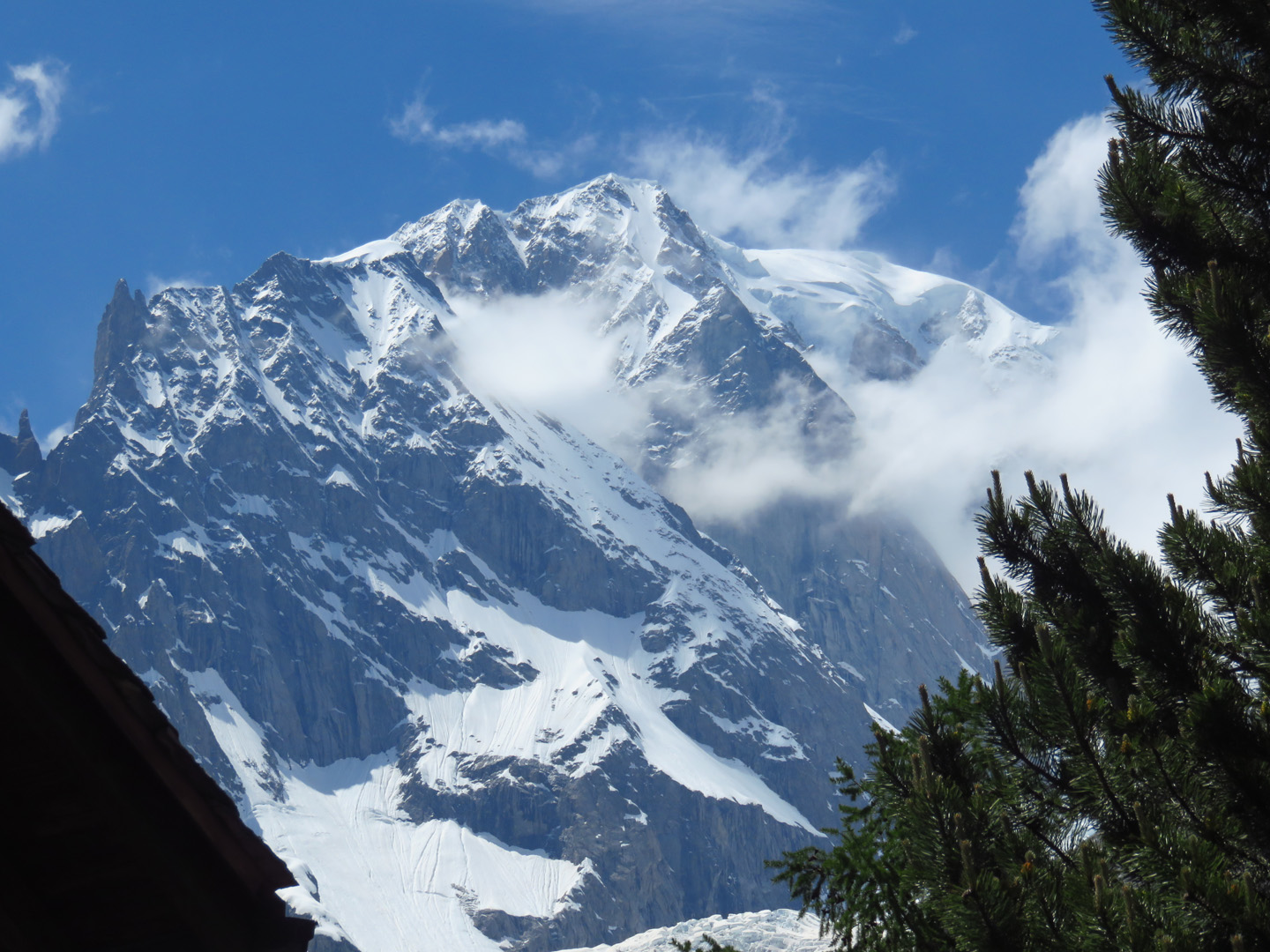
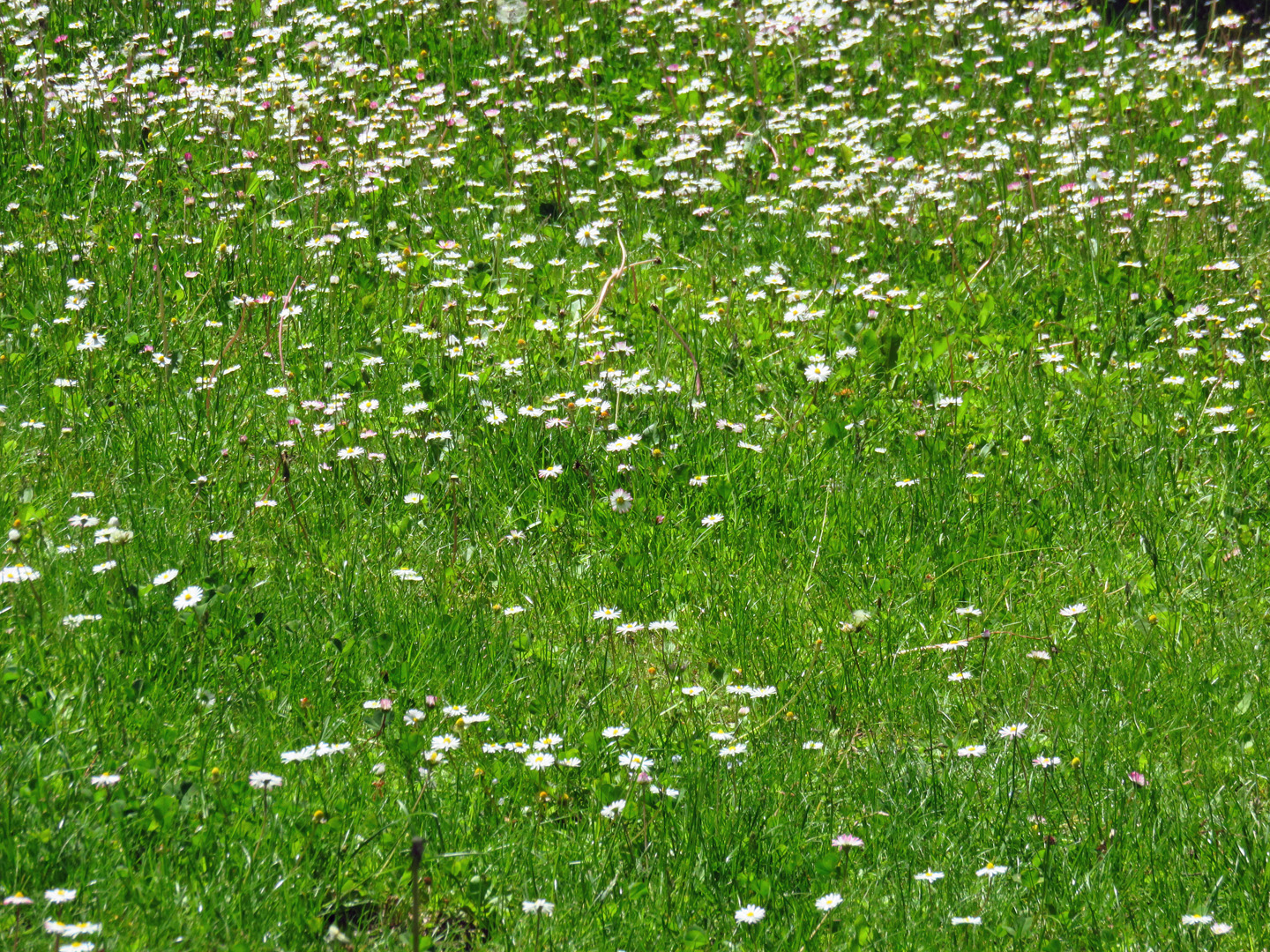
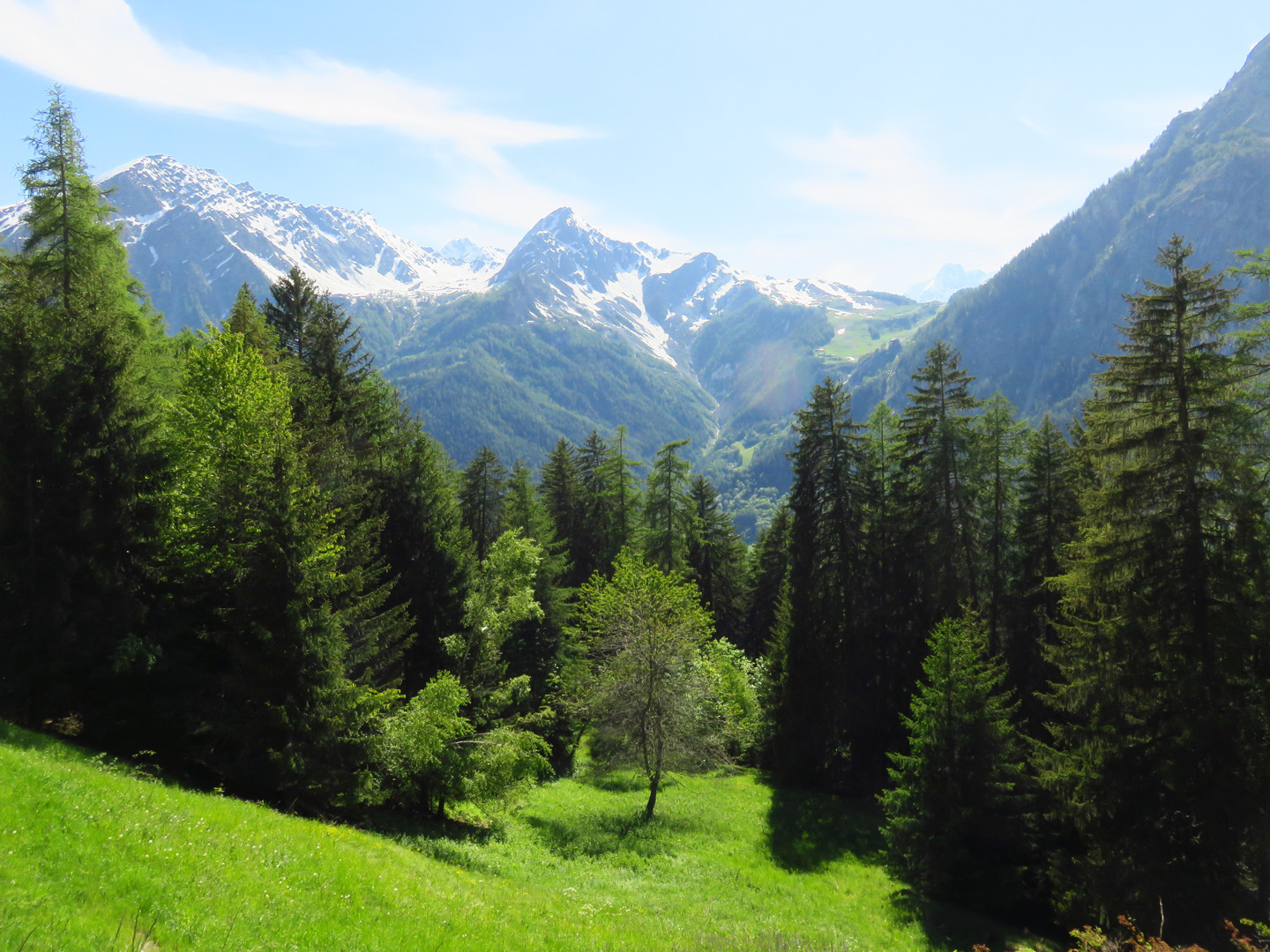
The serene and beautiful Courmayeur is located in picturesque Aosta Valley (Valle d’Aosta) in northern Italy. Devoid of seasonal crowds, the pretty little town looks positively dreamy. The Mont Blanc mountain range, always gorgeous, always snow-covered and icily aloof, serves as a perfect backdrop to the flowering alpine meadows and fragrant conifer forests, far removed from all the troubles of the world down below.
Now I keep a firm belief that seen every morning, this picture of Mont Blanc is the best antidote for any life’s miseries…
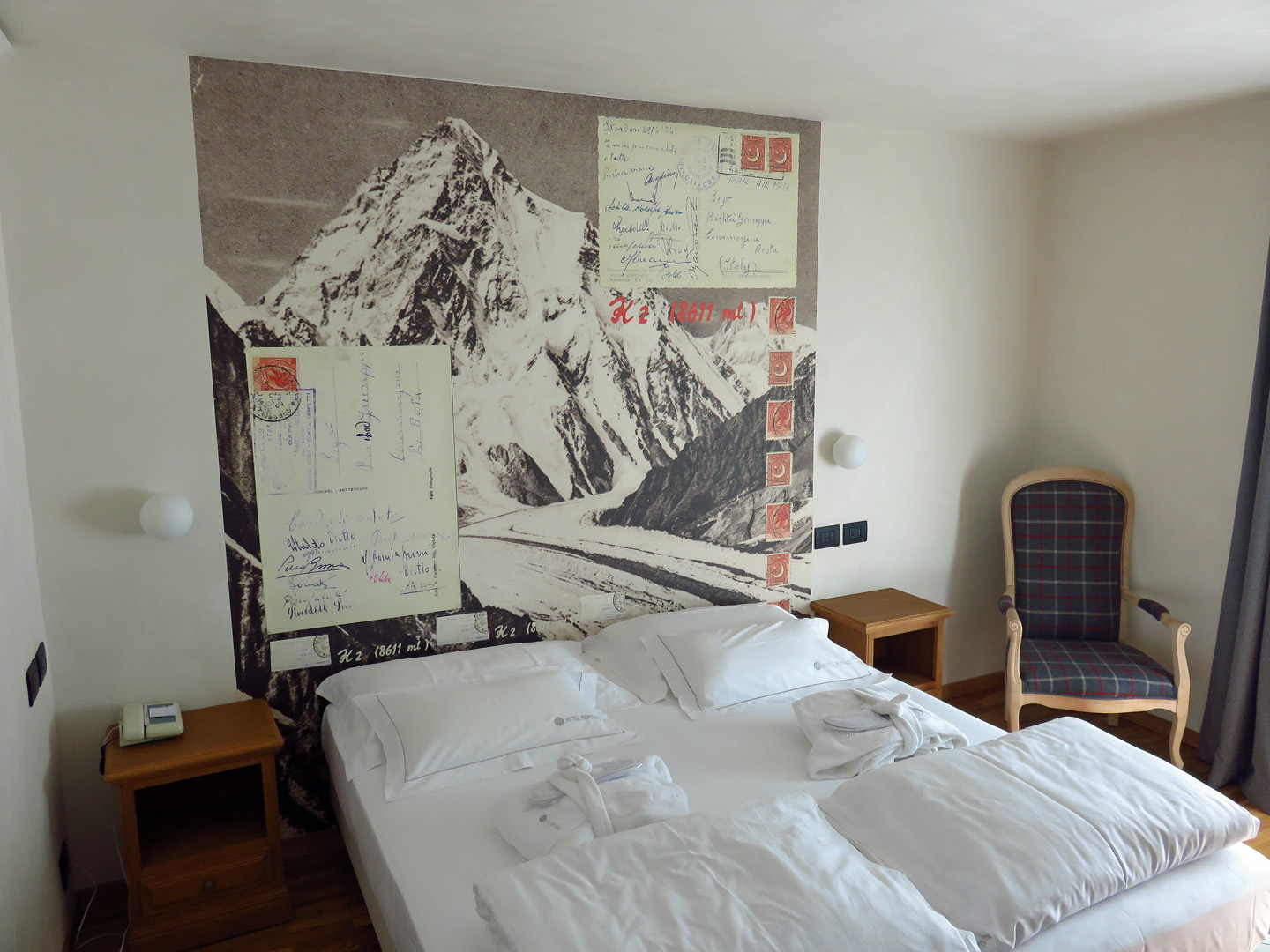
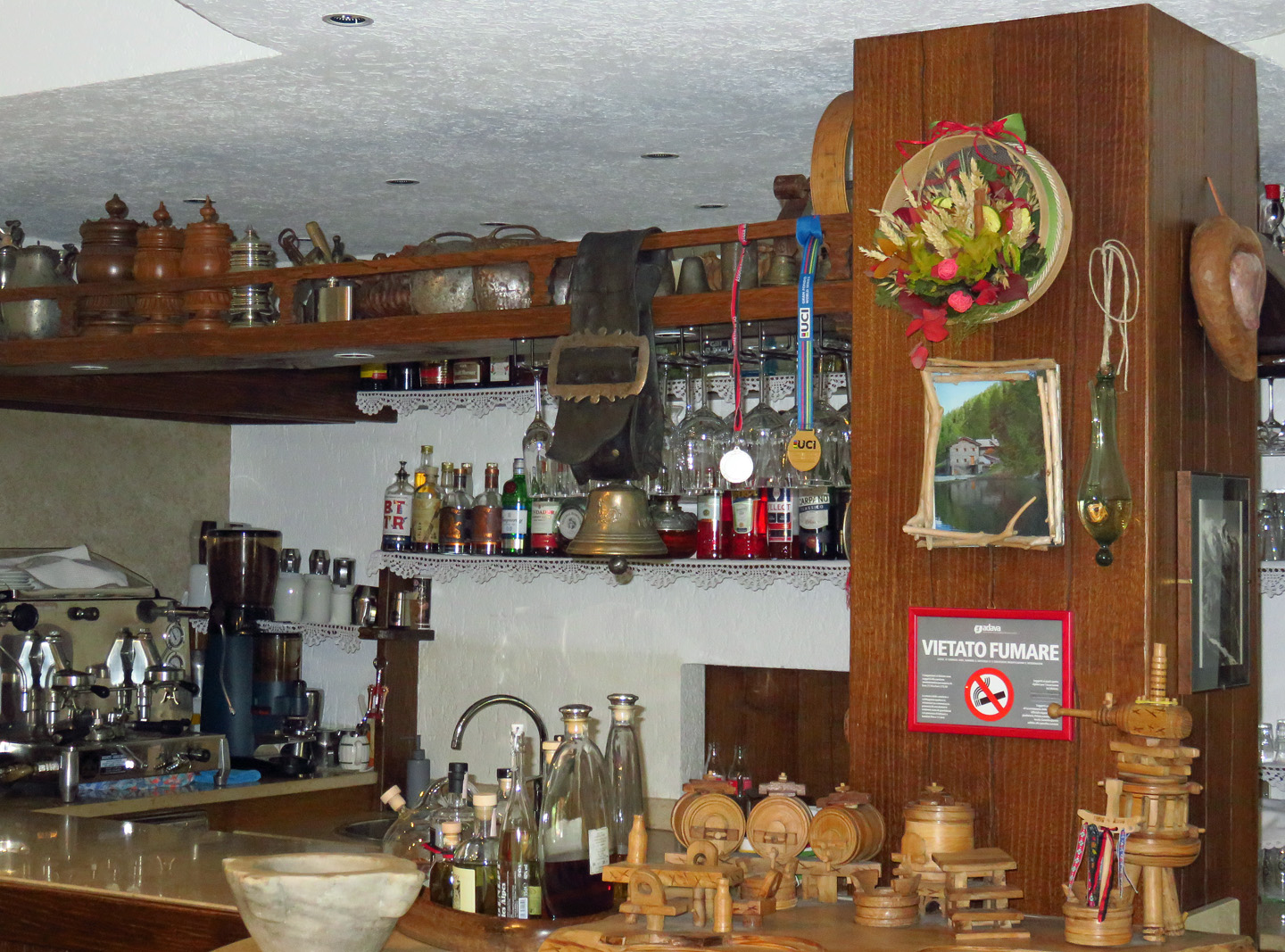
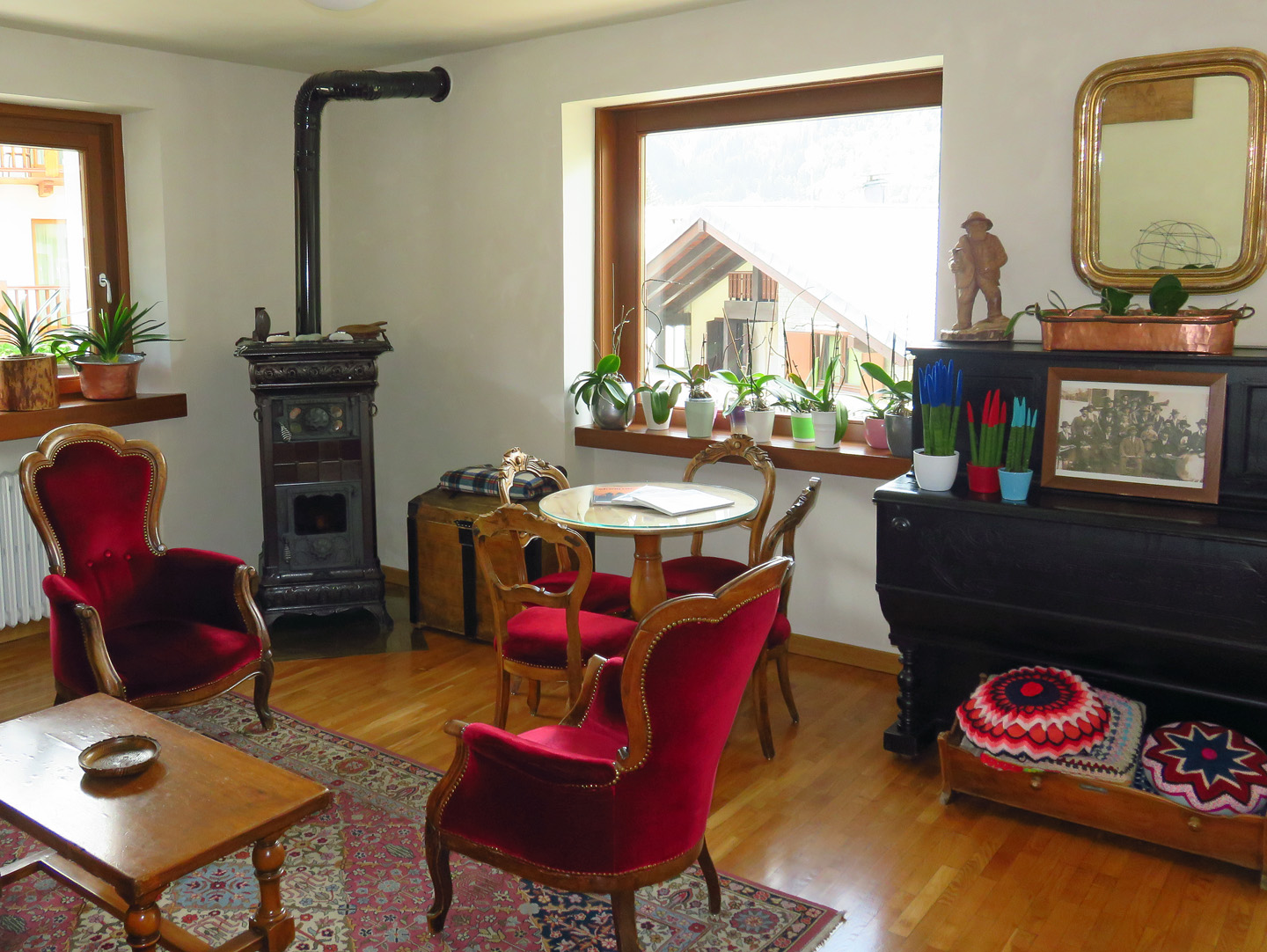
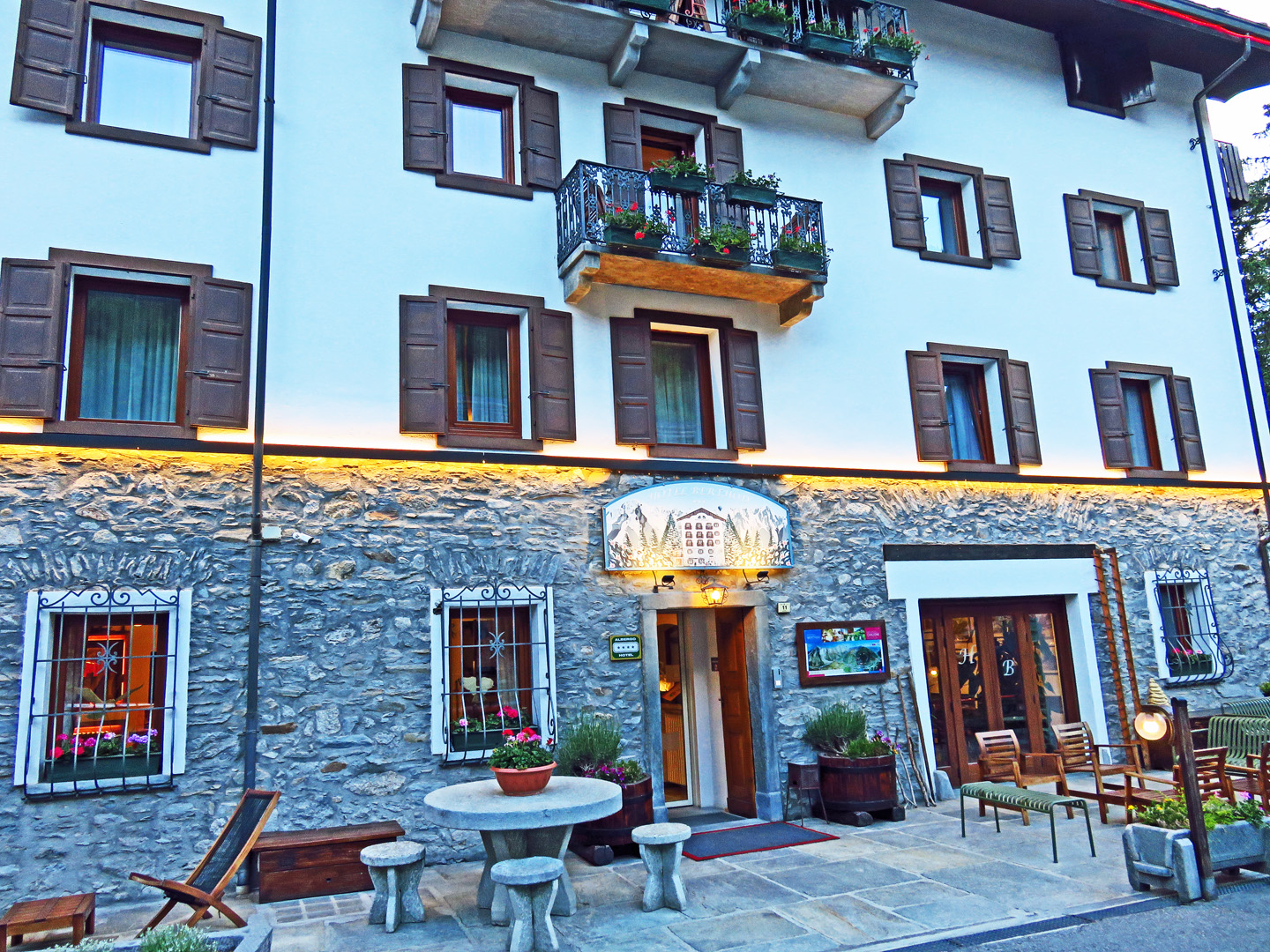
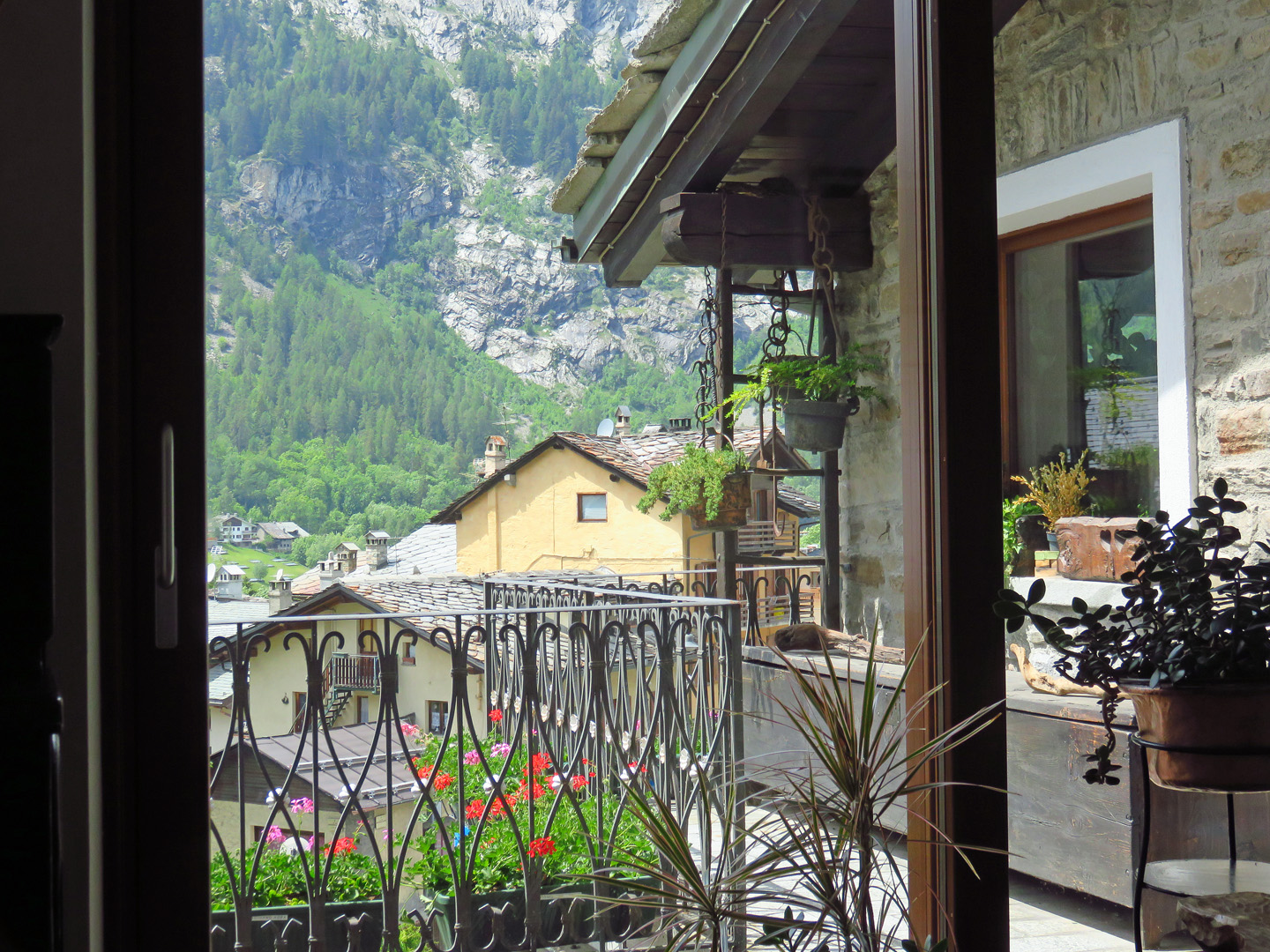
From our room terrace in Hotel Berthod, we could see the perfect snowy peaks, and breathe the cleanest fresh air, before heading to breakfast made of fresh local produce, through a cozy lounge decorated with thematic murals, ornamental cow bells, and wooden handicrafts.
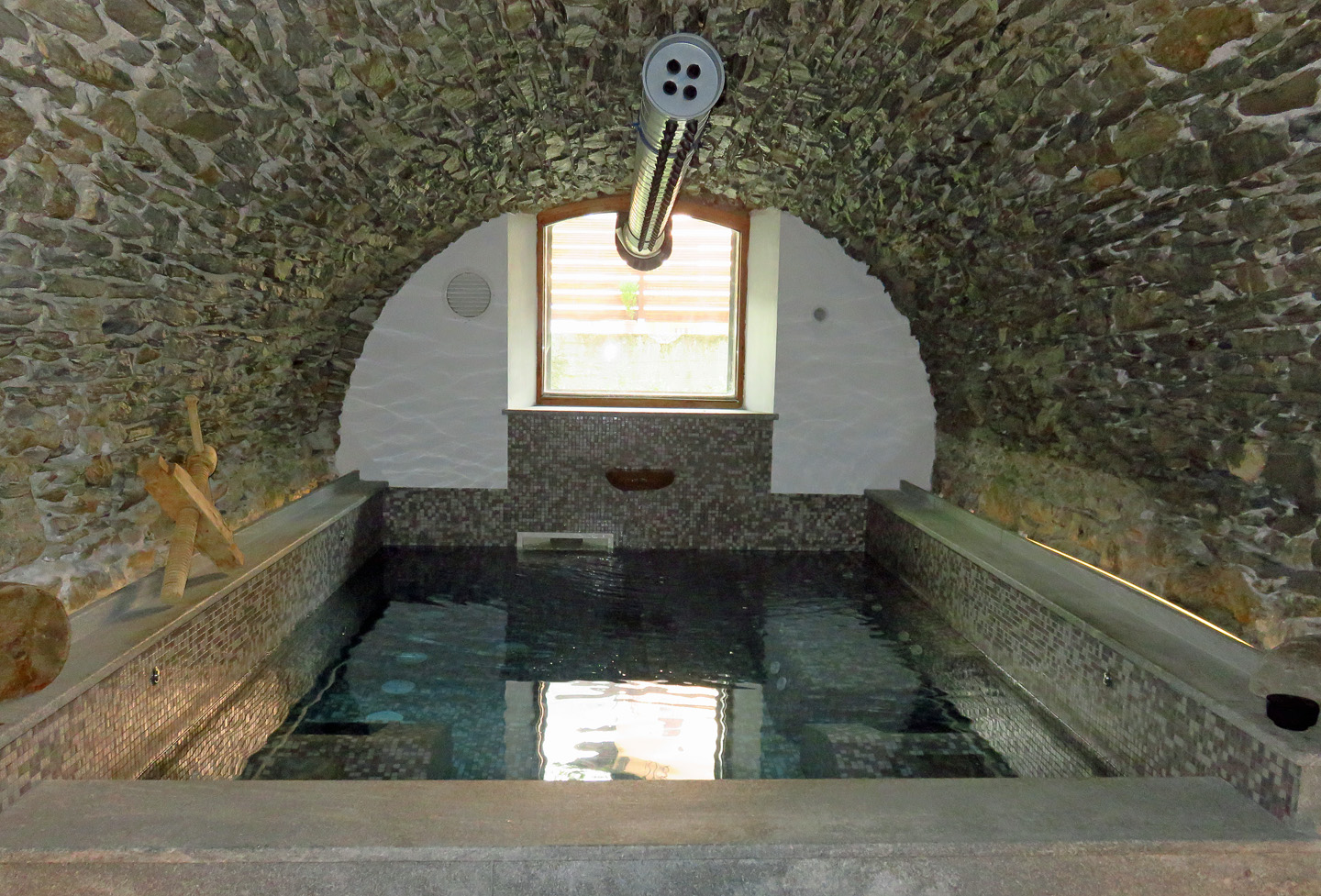
With only 25 rooms, Hotel Berthod, located in the heart of Courmayeur, provides access to its own spa with a sauna and mineral bath, and a walking proximity to all the sites, shops, and restaurants in town for its lucky guests.
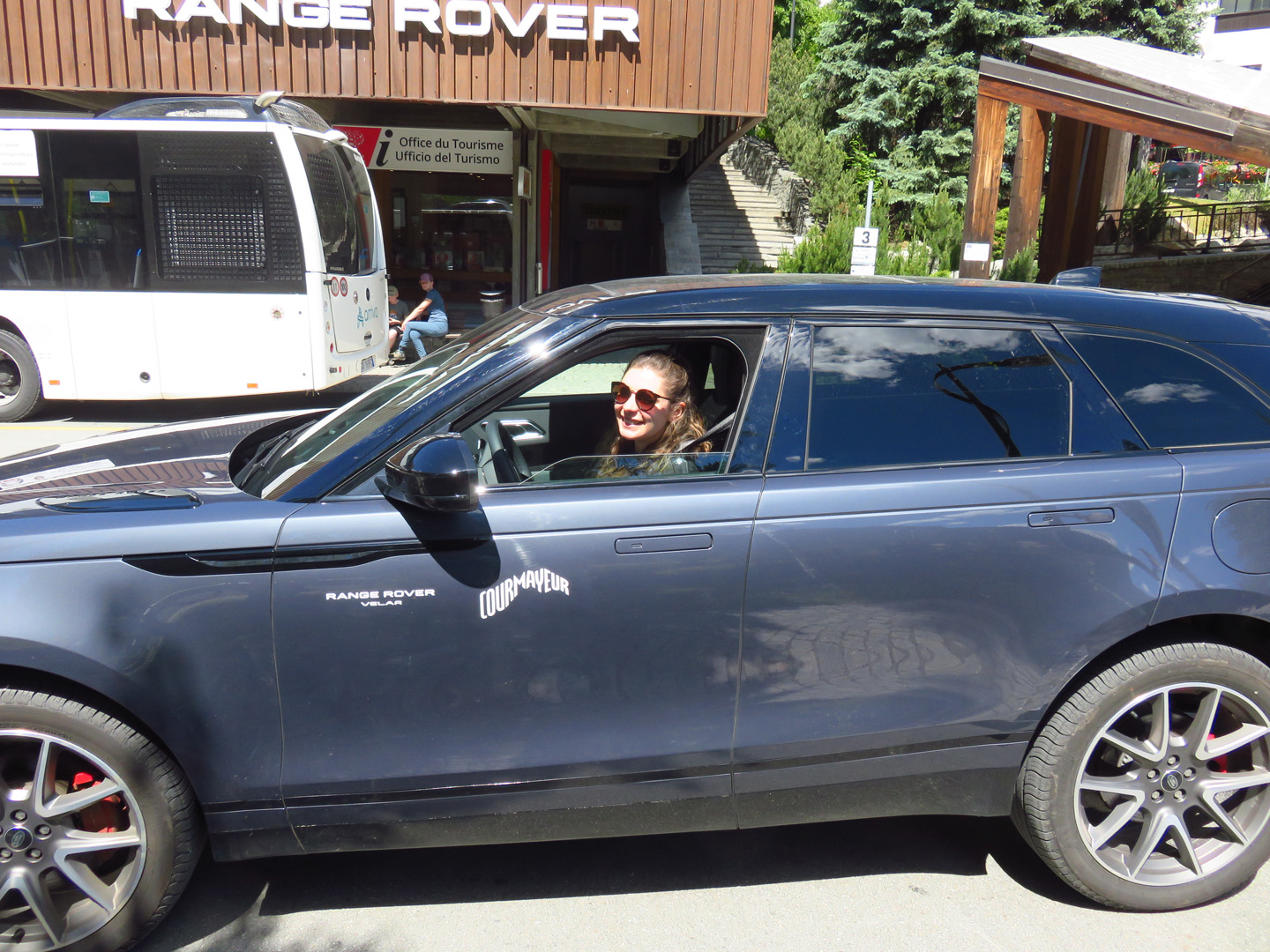
Here, at the hotel lobby, we met with our charming guide—a native and a big enthusiast of this marvelous region—Maria Chiara, who works for Courmayeur Tourism.
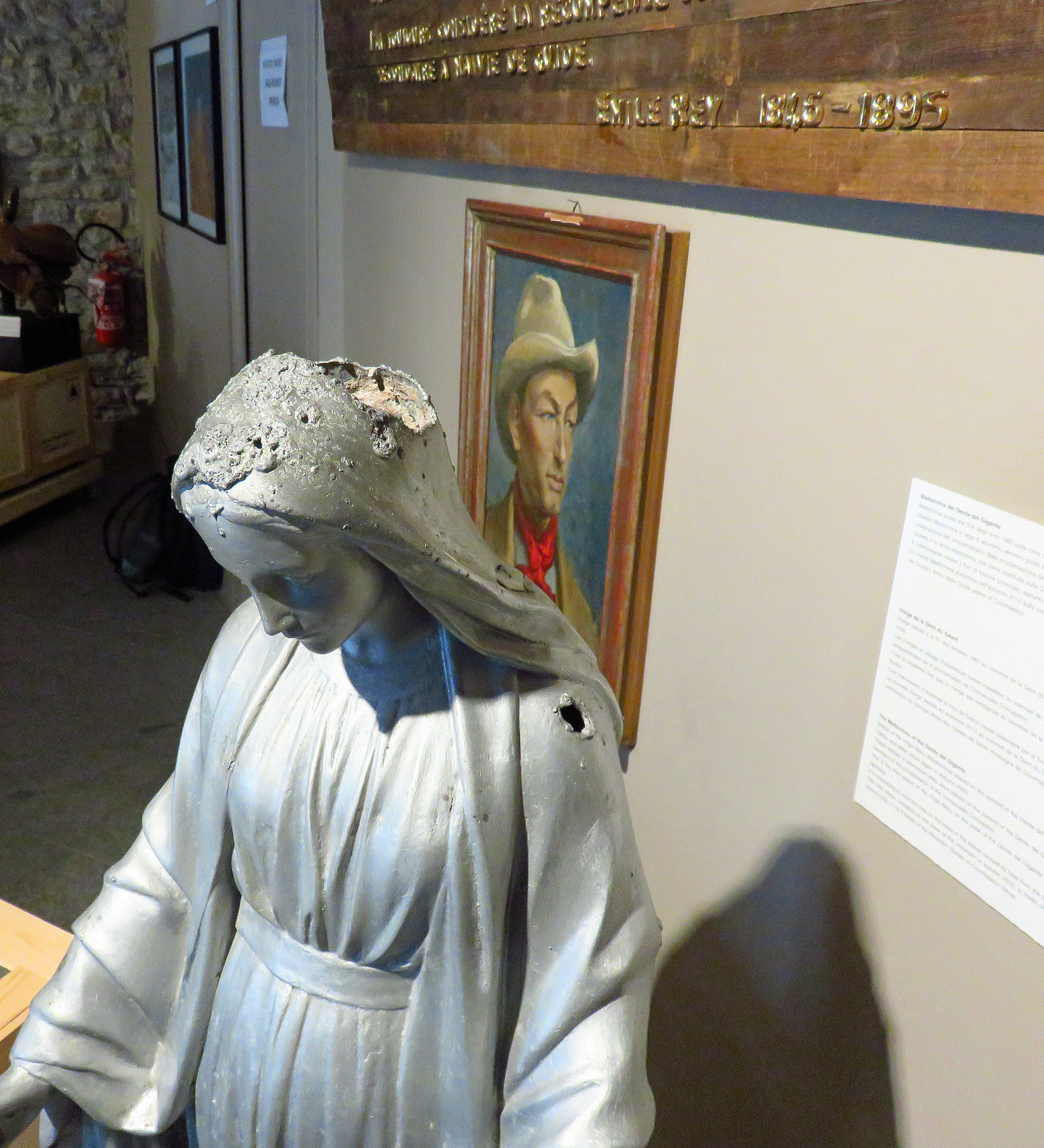
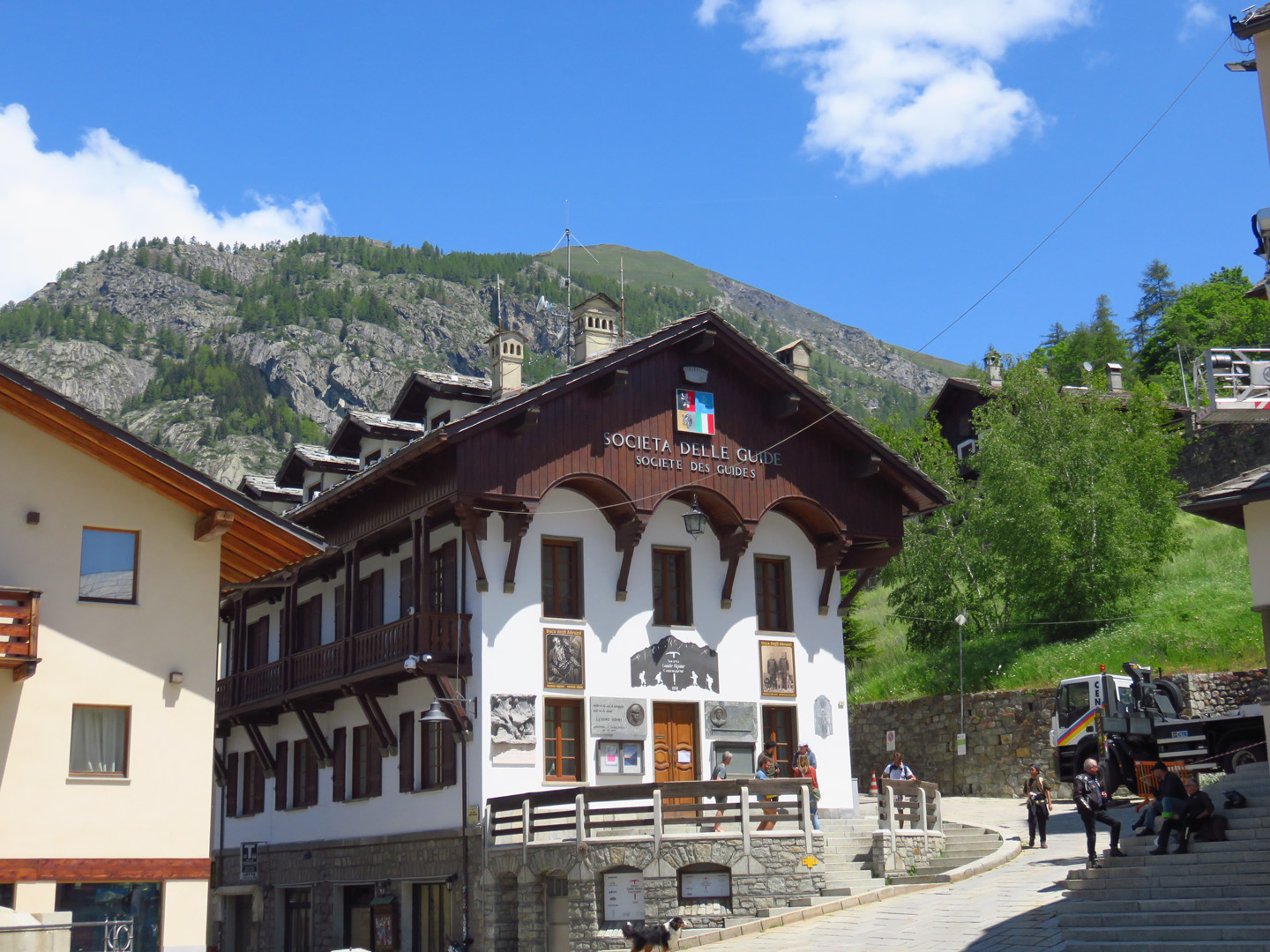
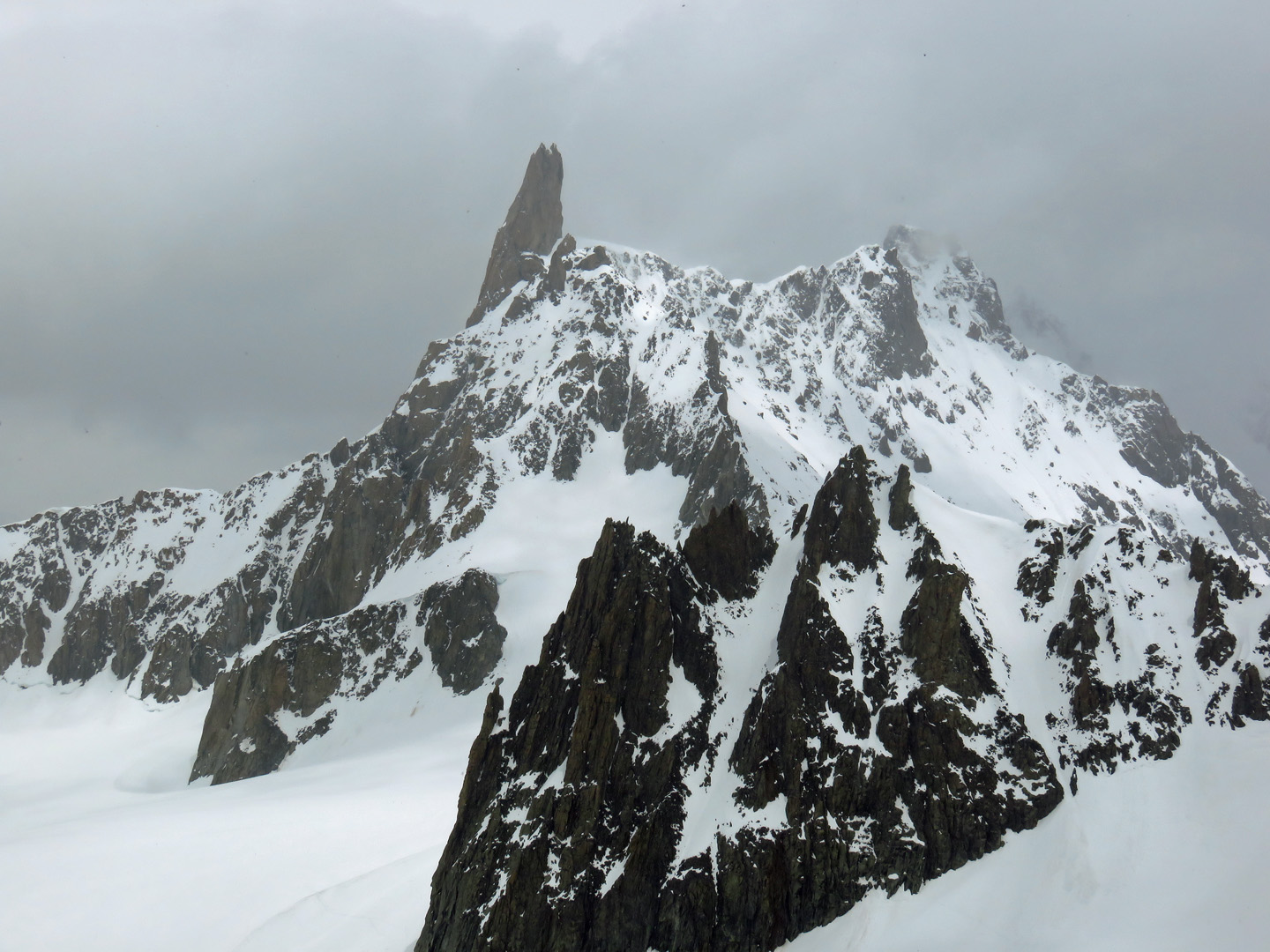
With her, we visited the central square and the Alpine Museum “Duca degli Abruzzi”, opened in 1929 and recently renovated for the 150th anniversary of the Courmayeur Alpine Guide Society foundation, Societa delle Guide, the oldest in Italy. The museum meticulously preserves the long and heroic history of alpine guides—the true adventure knights without fear and beyond reproach. Historic photographs, guide uniforms, mountain climbing gear—and its evolution over time, plus a collection of rare crystals delivered from the icy slopes, are on display at the museum, including a remarkable statue of St. Mary, damaged by lightning on the summit of Dente del Gigante (Giant’s Tooth) rock, visible high above the town only in clear weather.
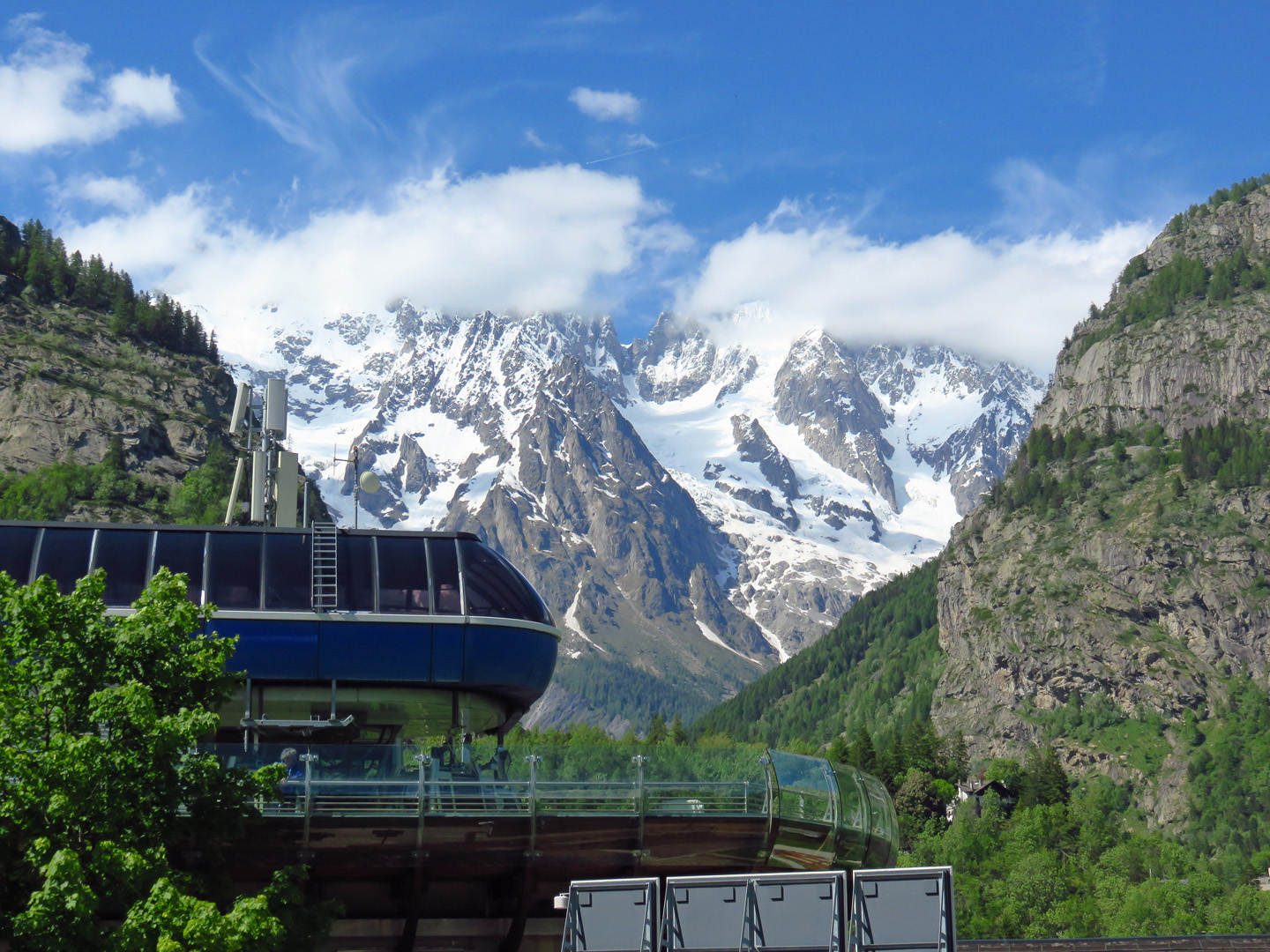
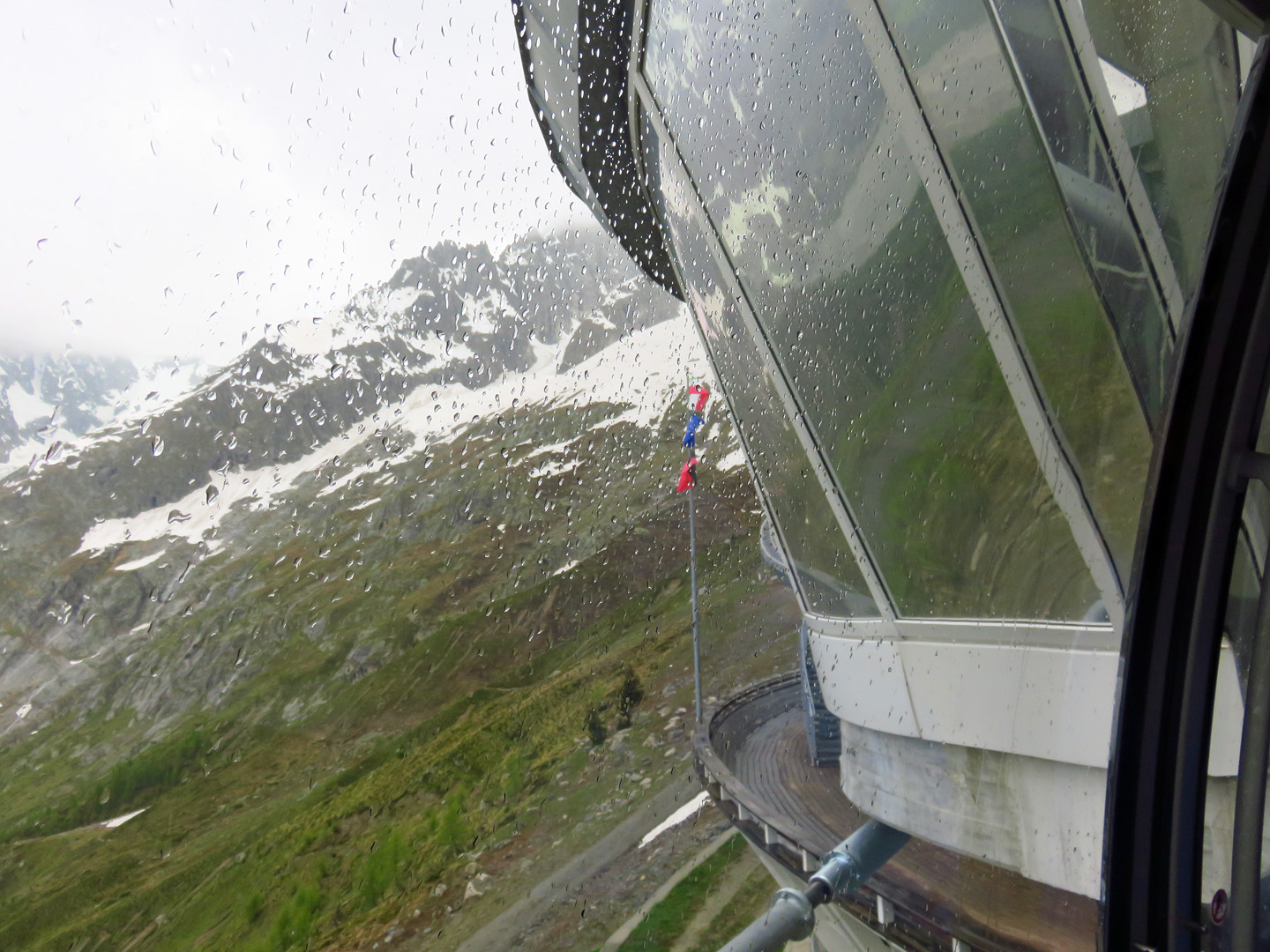
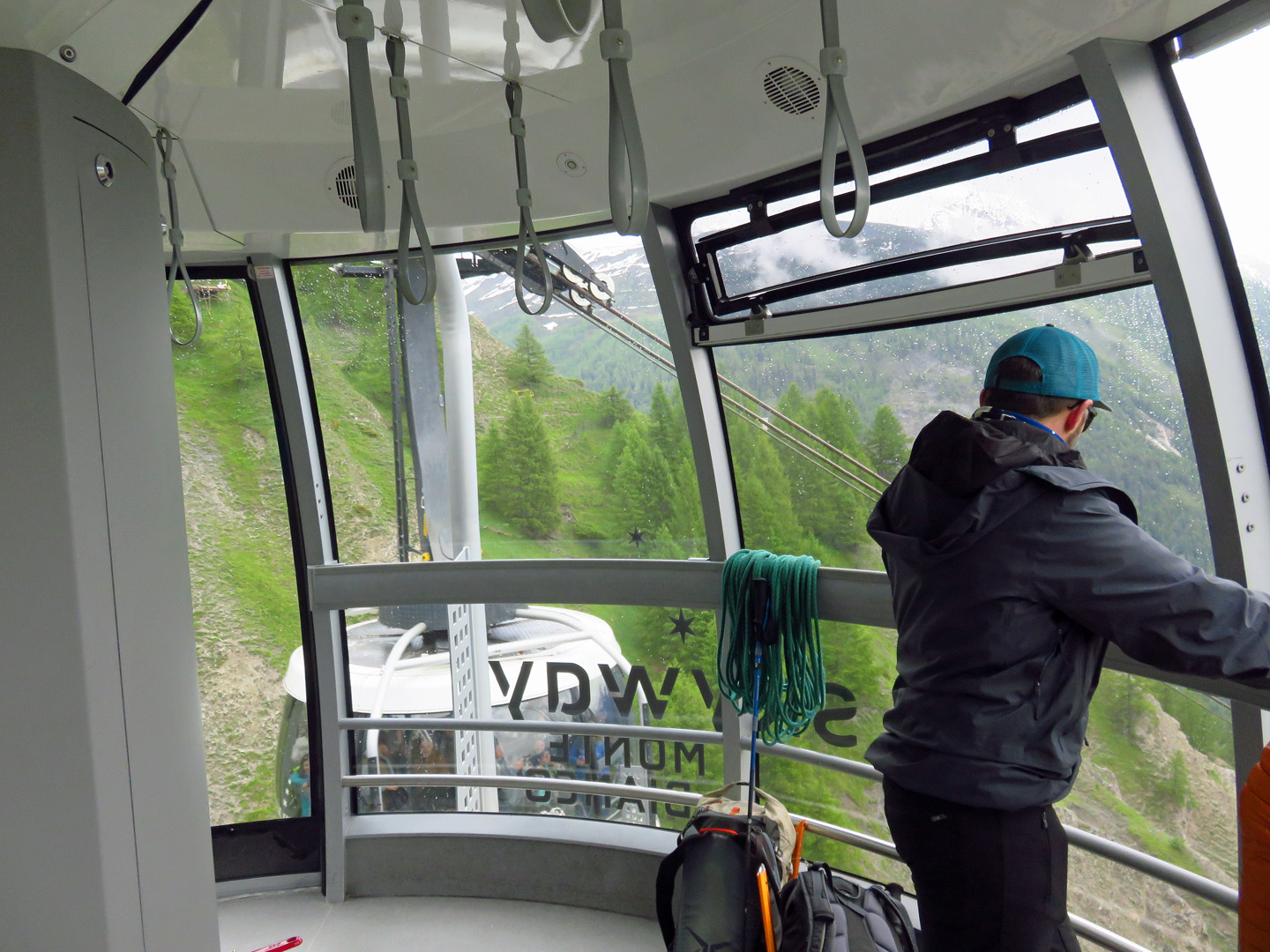
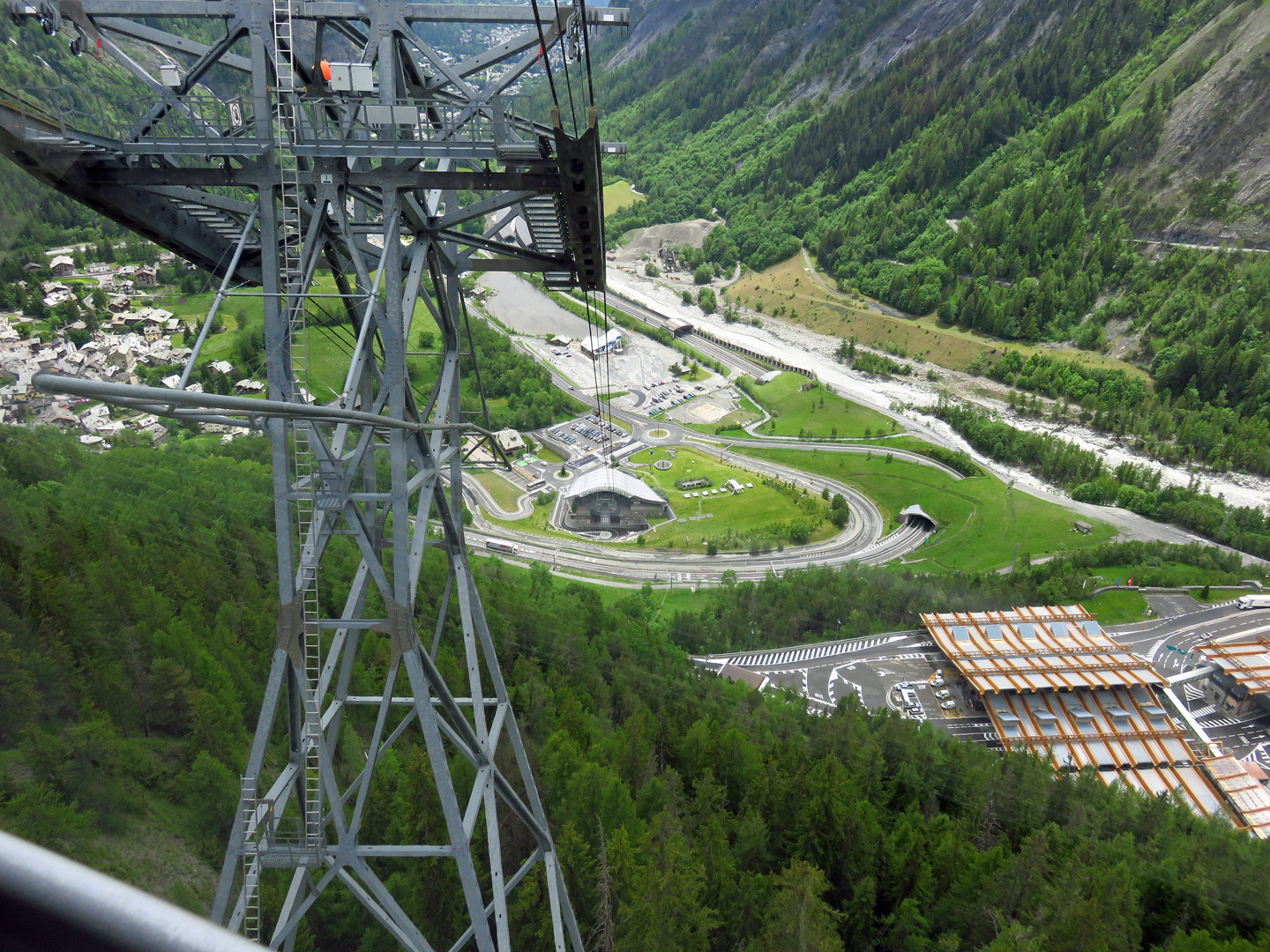
The most memorable and highly recommended activity in Courmayeur starts with the cable car SkyWay Monte Bianco opened in 2015 with two perfectly designed cabins going up and down to the Punta Helbronner station at 11,371 feet. These steady and spacious cabins are encased in scratch proof and fogging proof glass. They slowly rotate 360 degrees, so the imposing basalt rocks, terraced dark-green forests, light-green pastures, and tiny houses down below are visible from any place.
Delighted with the views on our ascend, I glanced around the cabin to see a reflection of my admiration on my fellow travelers’ faces, and noticed a young, athletic woman who clung to her boyfriend with her white-knuckled hands and her eyes closed. She buried her face in his puff jacket, and nervously tapped her foot counting seconds to the end of our journey.
Well, I thought to myself, should something happen, this silliness won’t help much, but at least she could’ve enjoyed the view…
In reality, the multi-layered cables, displayed (perhaps, specifically for the faint at heart) inside the cable car station in a comprehensive exhibition dedicated to this marvel of alpine transportation, were woven in the thickest and sturdiest strands of steel, and looked perfectly safe, ready to withstand any weather calamity.
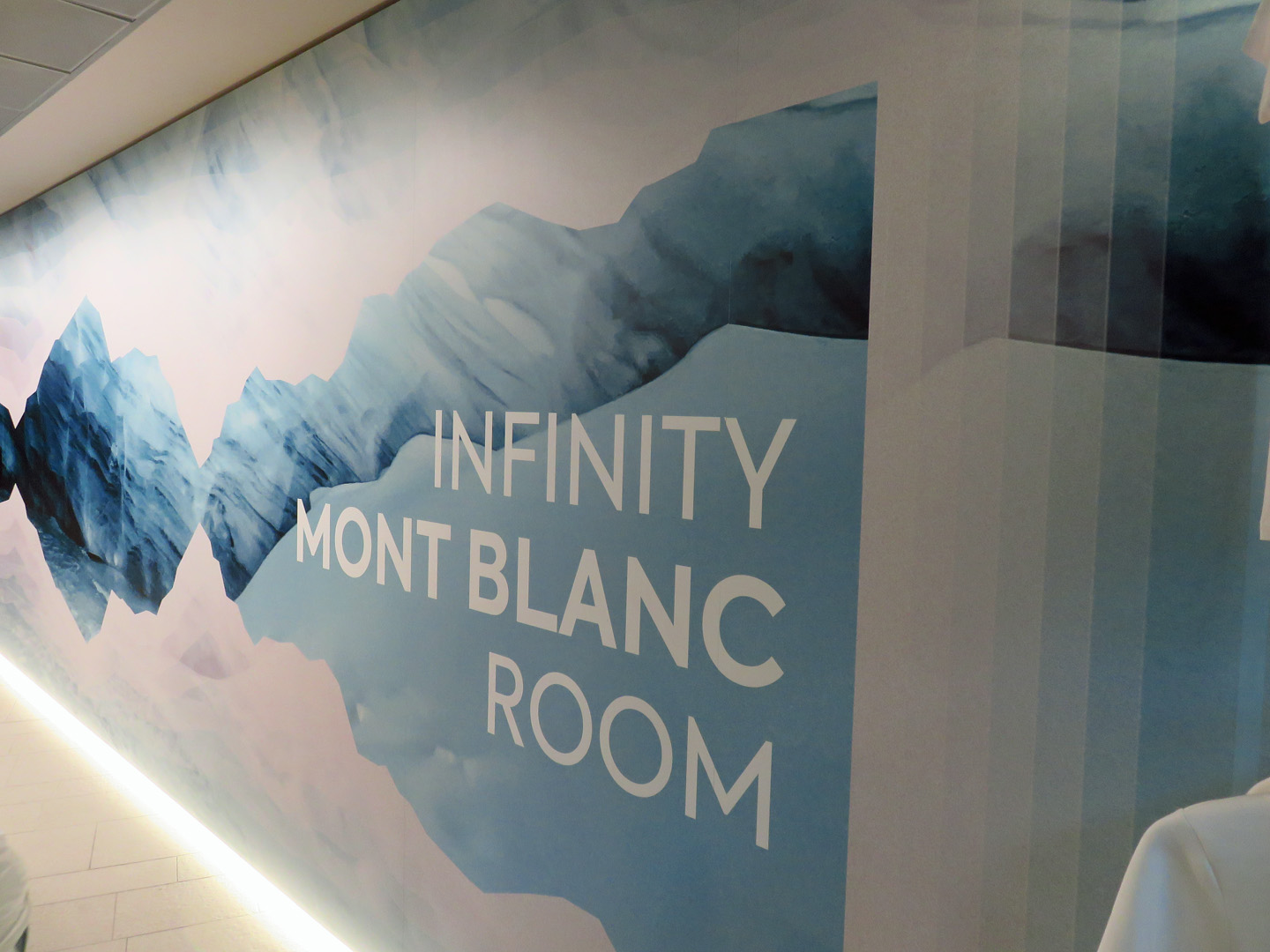
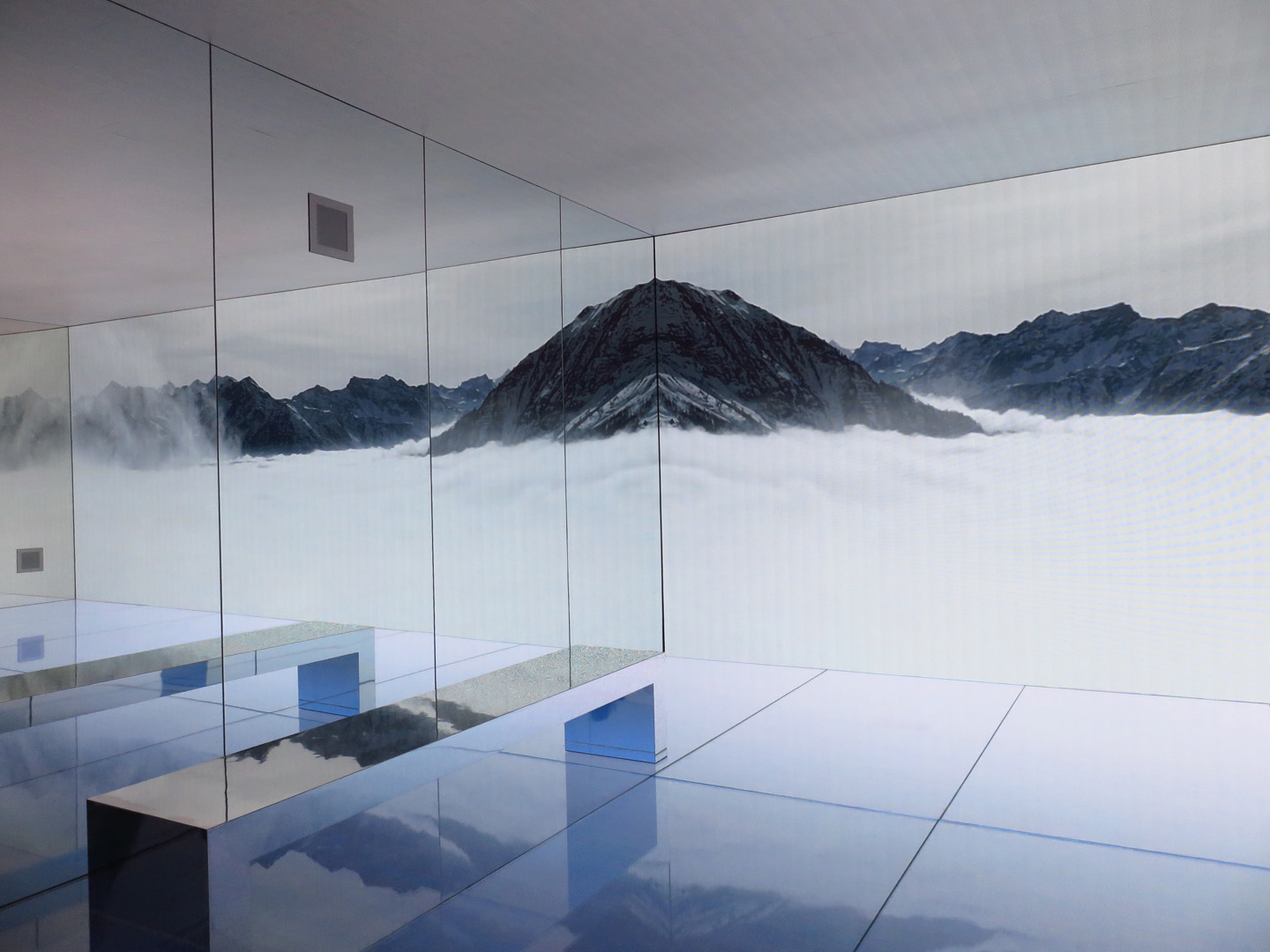
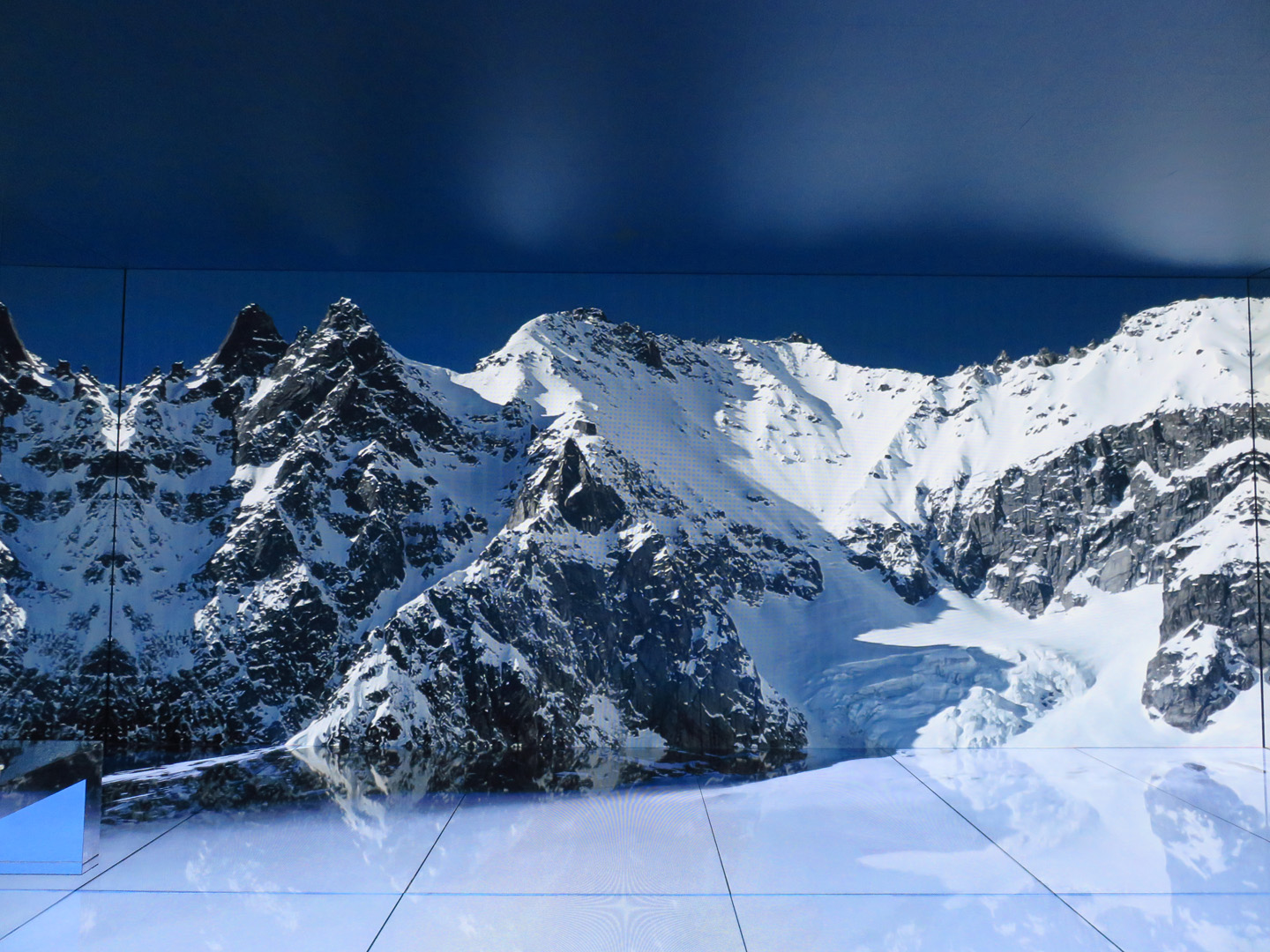
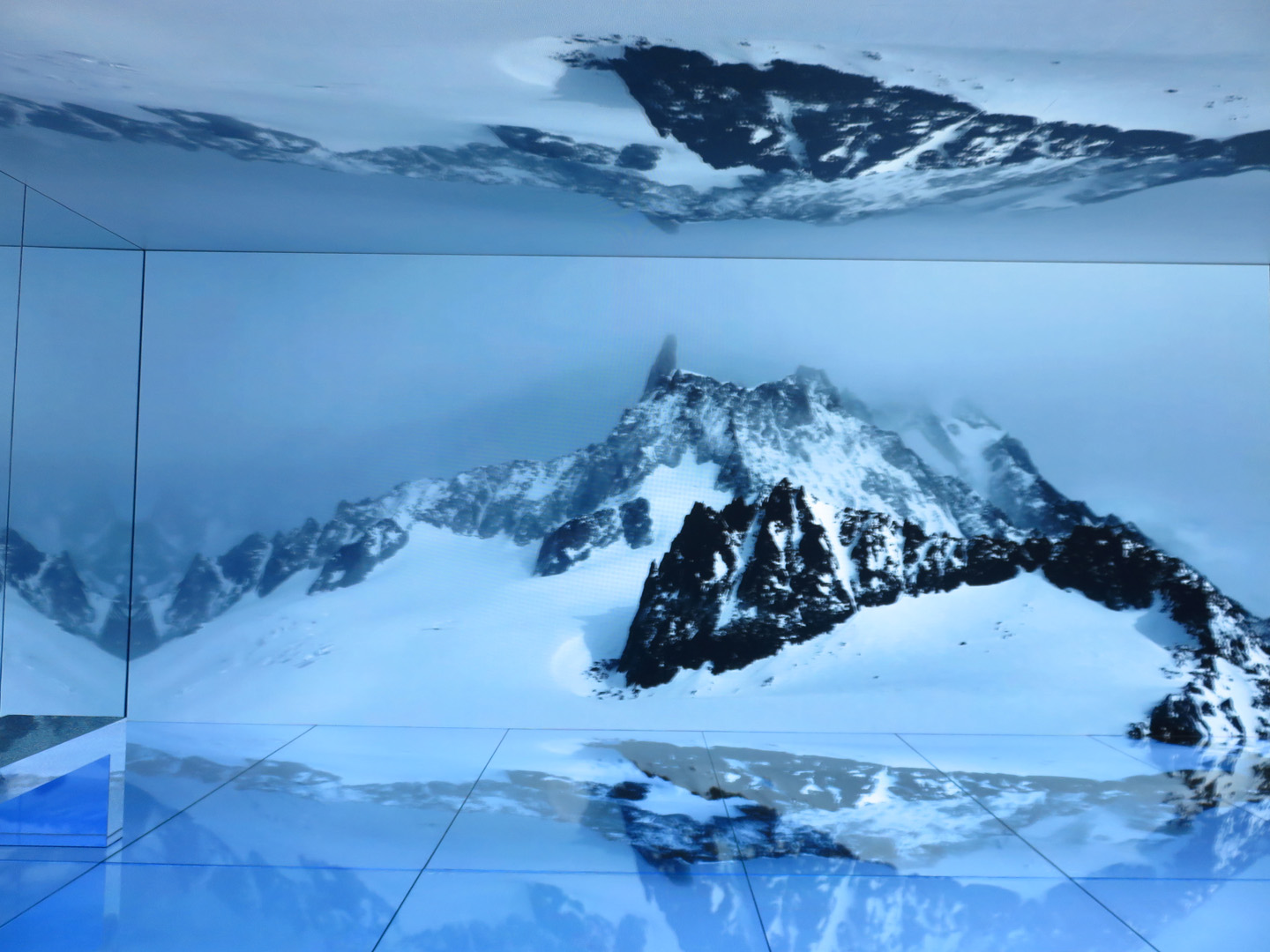
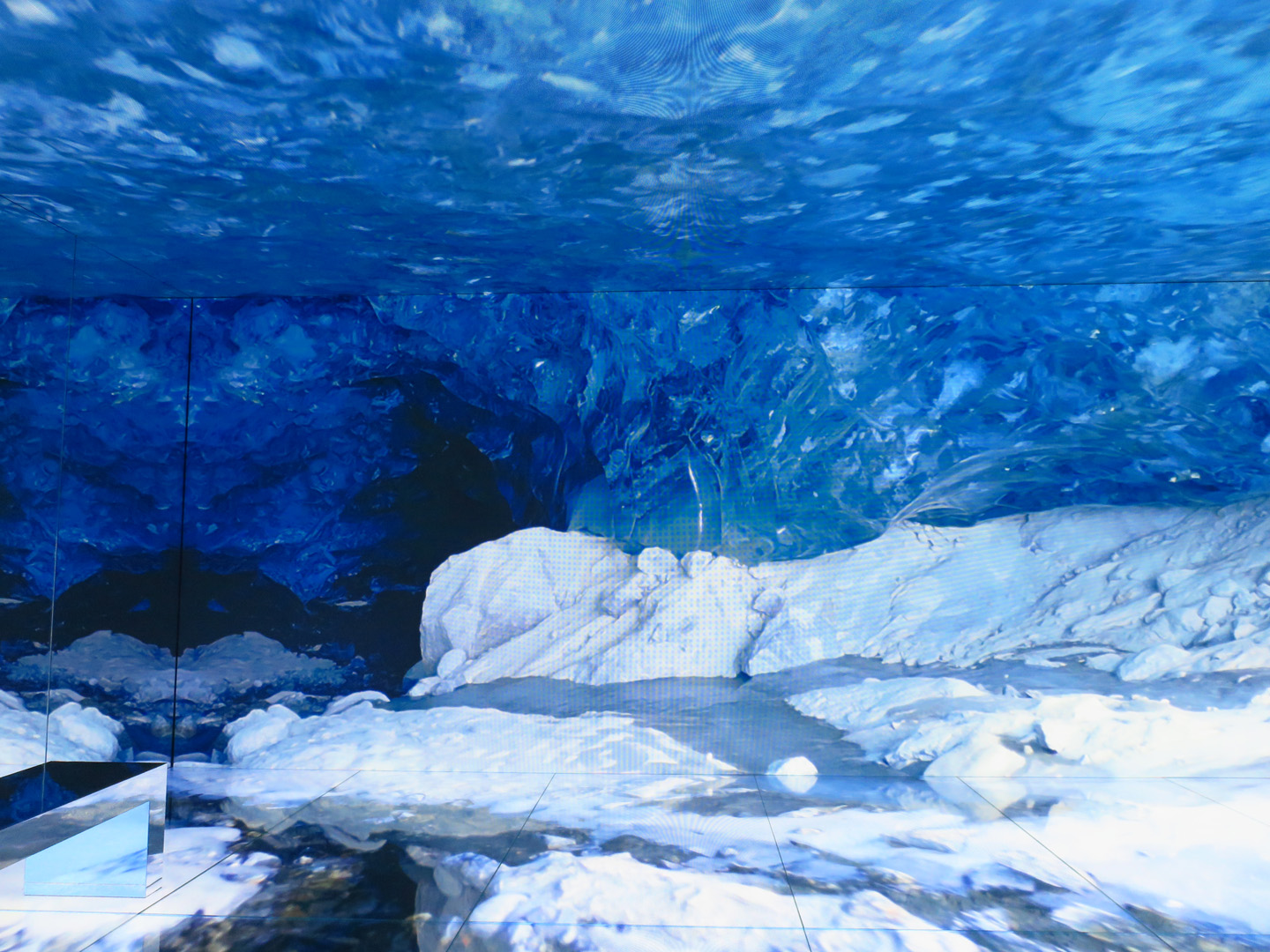
There’s a wonderful space for a brief repose—the Infinity Mont Blanc Room inside the station. Seated on a bench there, visitors become surrounded by a masterful video projection of the inaccessible peaks and crevices of the mountain range, interspersed with the seasonal views of the valleys and alpine wildlife, and other marvelous nature shots.
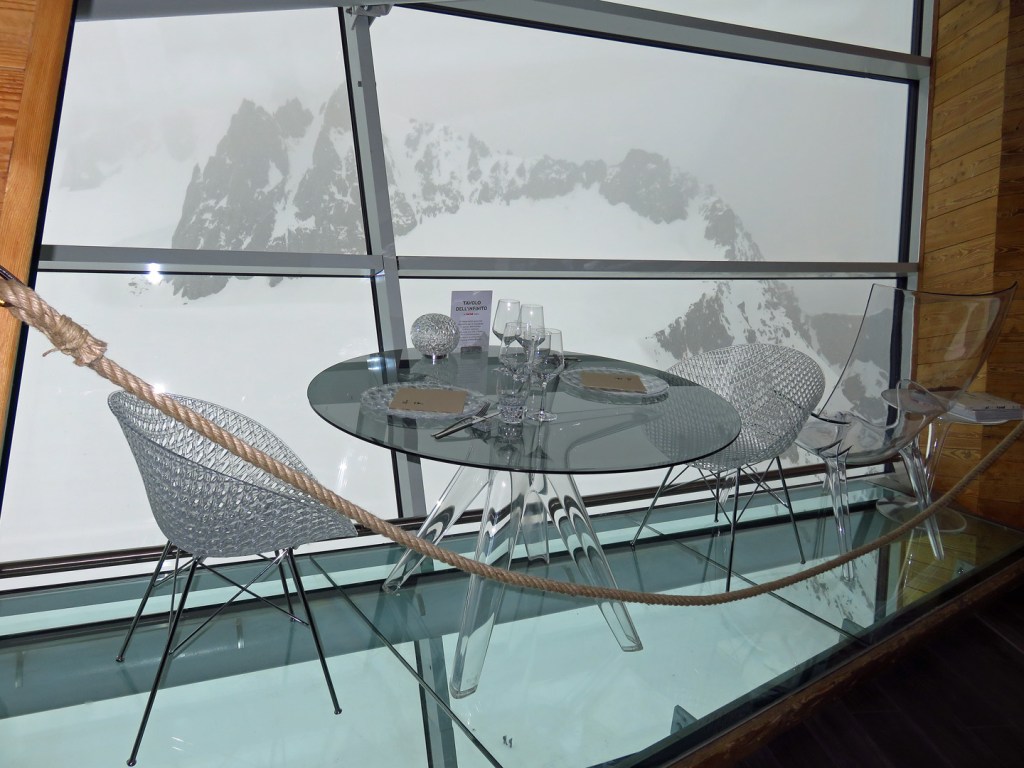
At the super contemporary and glamorous Kartell Bistrot Panoramic at Punta Helbronner we enjoyed some hearty specials of meat-and-potato kind, and learned from our knowledgeable guide how to order coffee like real Italians. When I asked why she ordered normale while we asked for espresso, Maria Chiara explained that a dark and mighty shot of strong coffee known as espresso is normal for Italians, who consume it at least a few times throughout the morning, thus the name, which means, “normal.”
There’s a very special corner at the Kartell Bistrot, called Tavolo dell’Infinito, with a table and two chairs made of clear polycarbonates, set up upon a transparent floor and by a glass wall—squarely above the snowy abyss where barely visible ant-like files of alpinists make their way up the majestic mountain.
Monte Bianco is visible from here in all its 15,777 feet glory. When putting on our winter hats and jackets for a brief excursion outside, where we could take photos and hold a little real snow in our hands, we passed a special exit, intended only for fully equipped mountaineers, that was framed with multiple warning signs and prohibitive wording. Obviously, no one besides those rugged-looking bearded men with ruddy faces and loads of gear could step outside this particular door to the white wilderness… except the station’s cleaning lady who just stepped out for a smoke without any safety net, mop in hand!
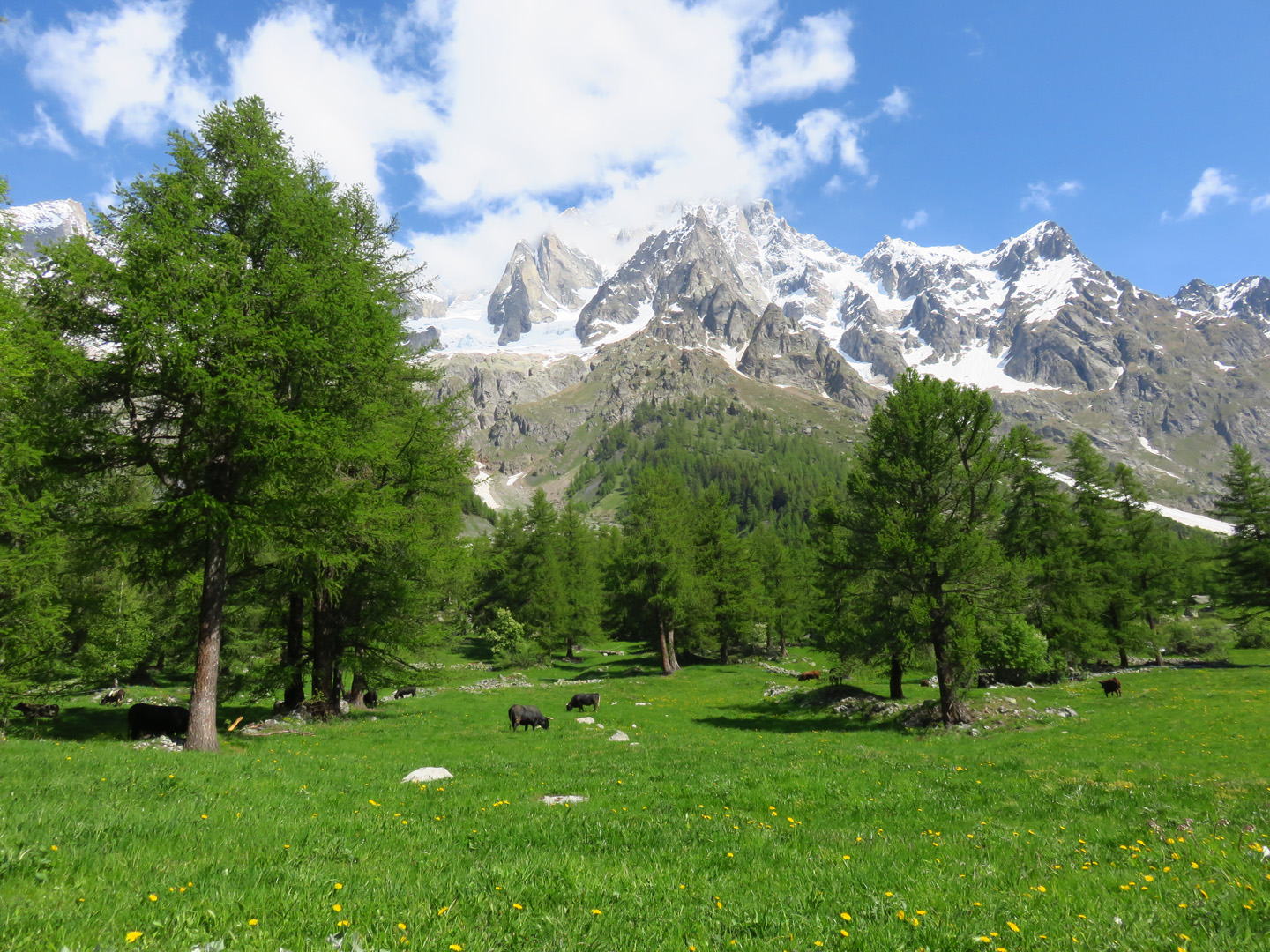
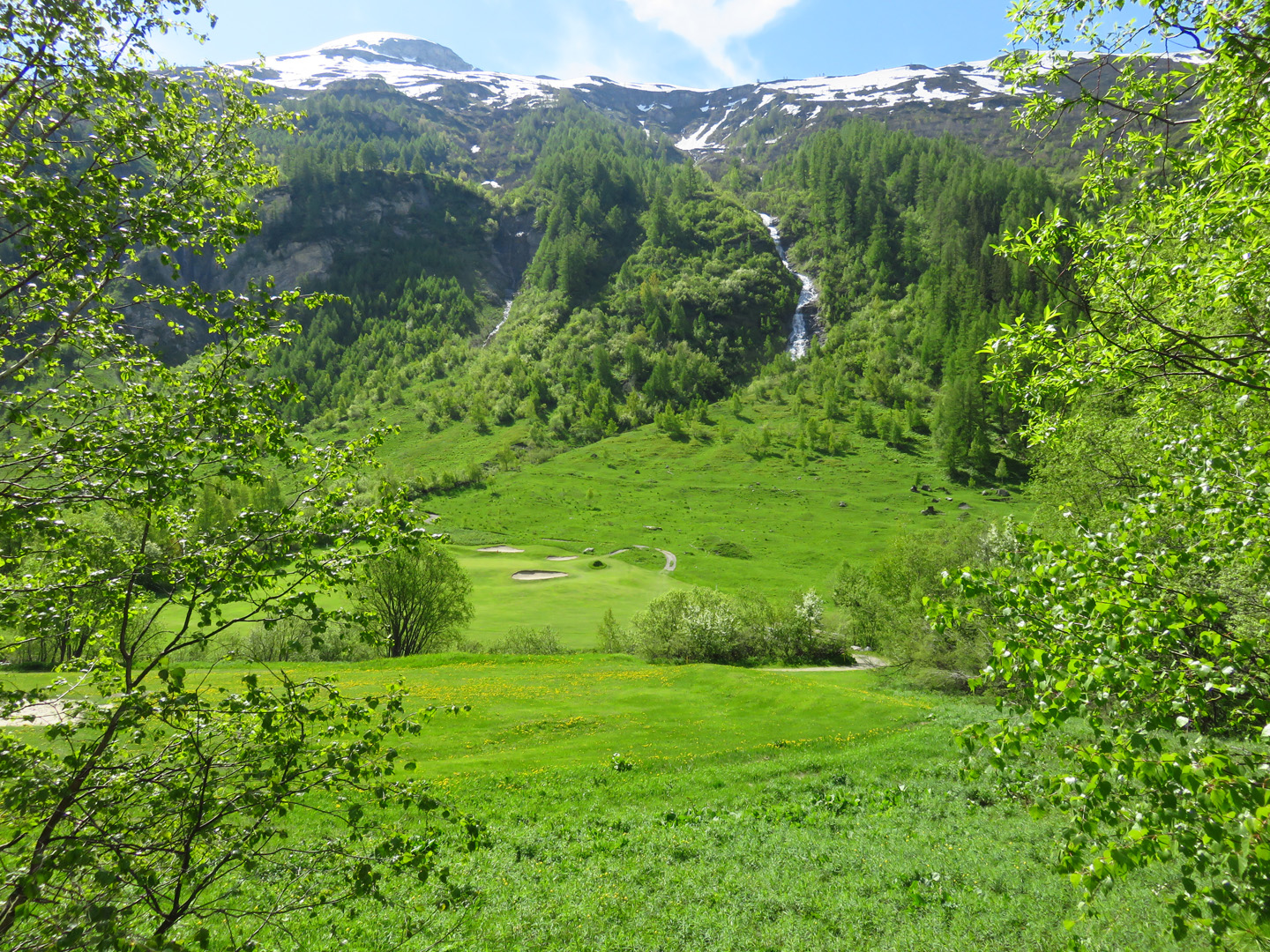
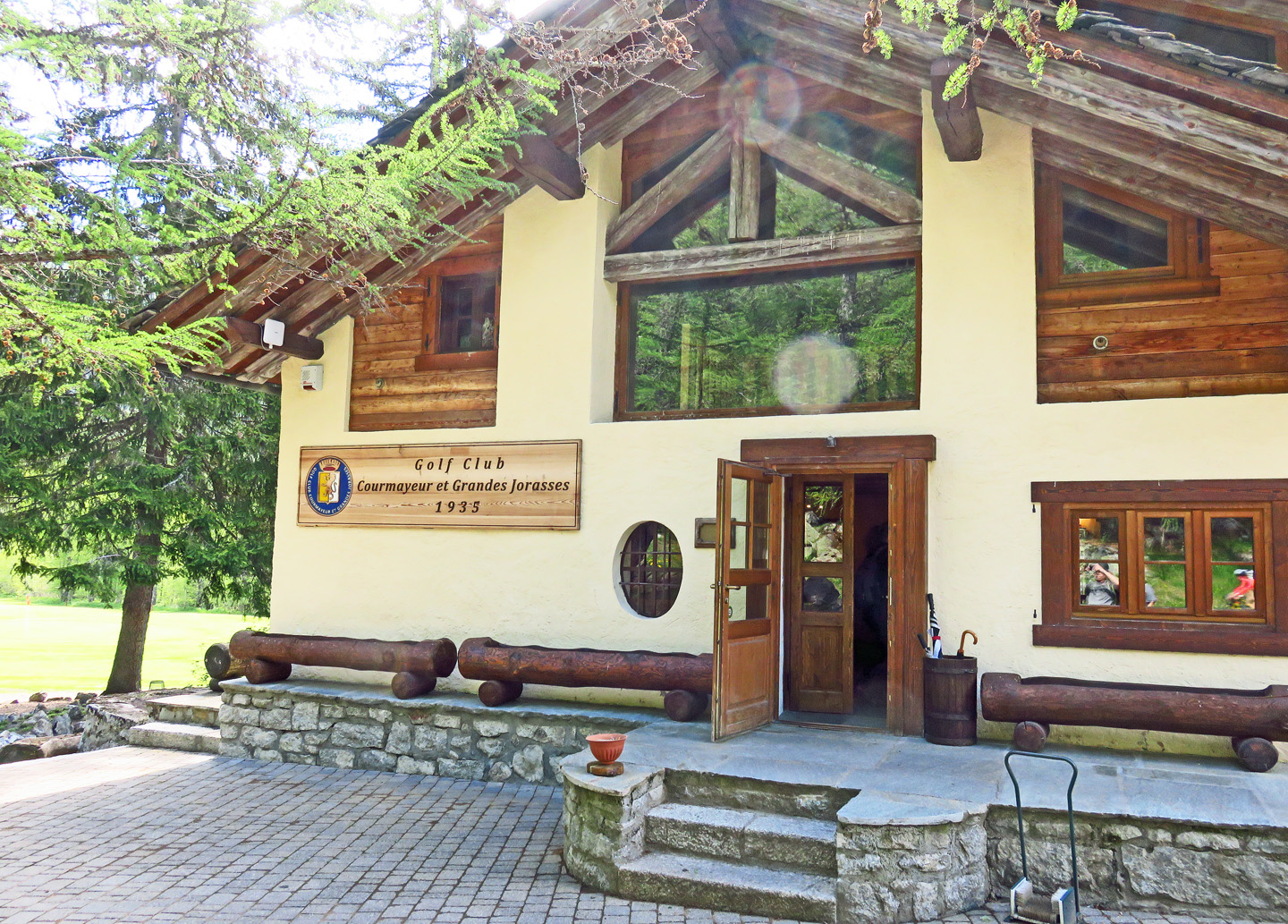
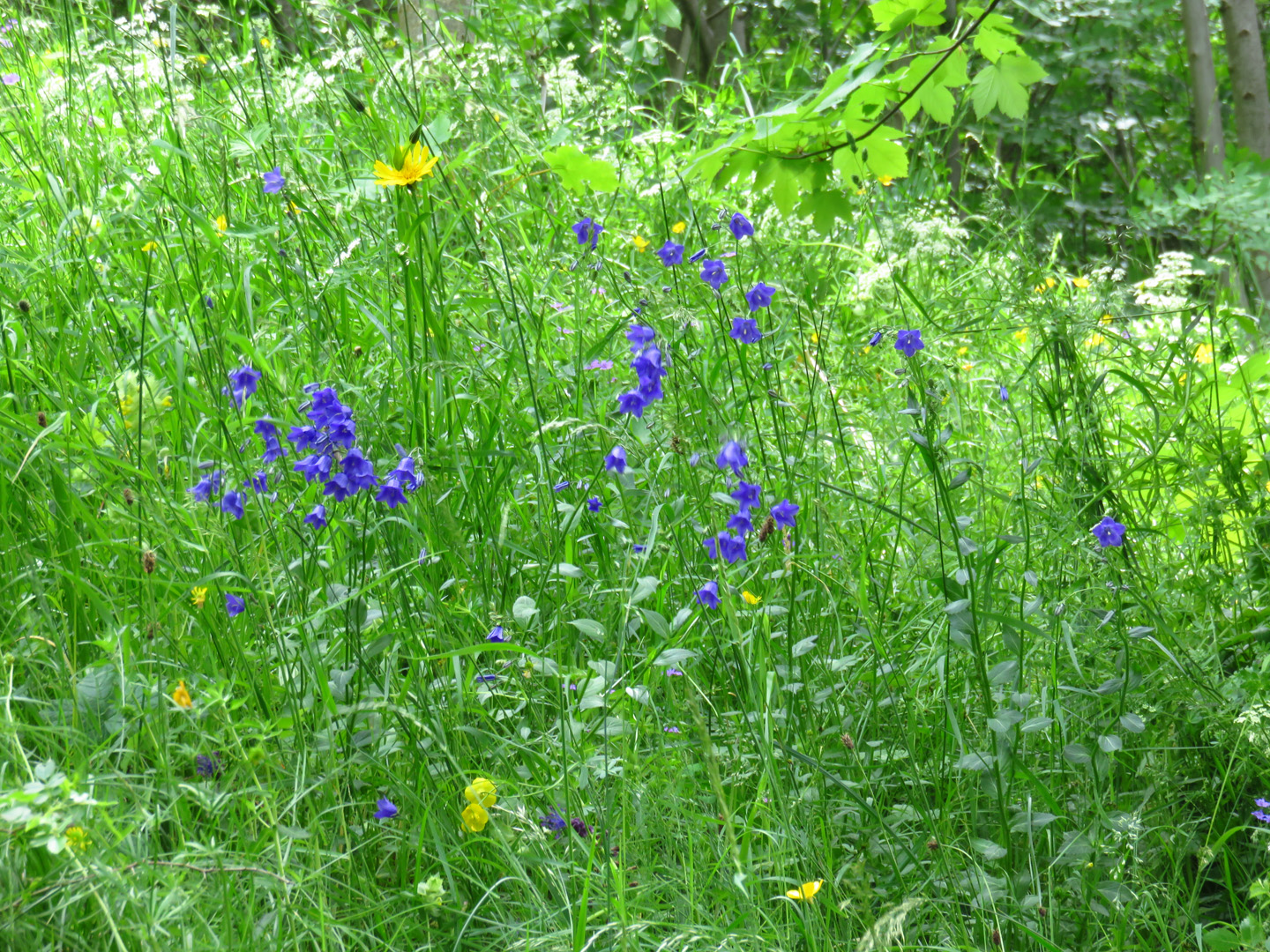
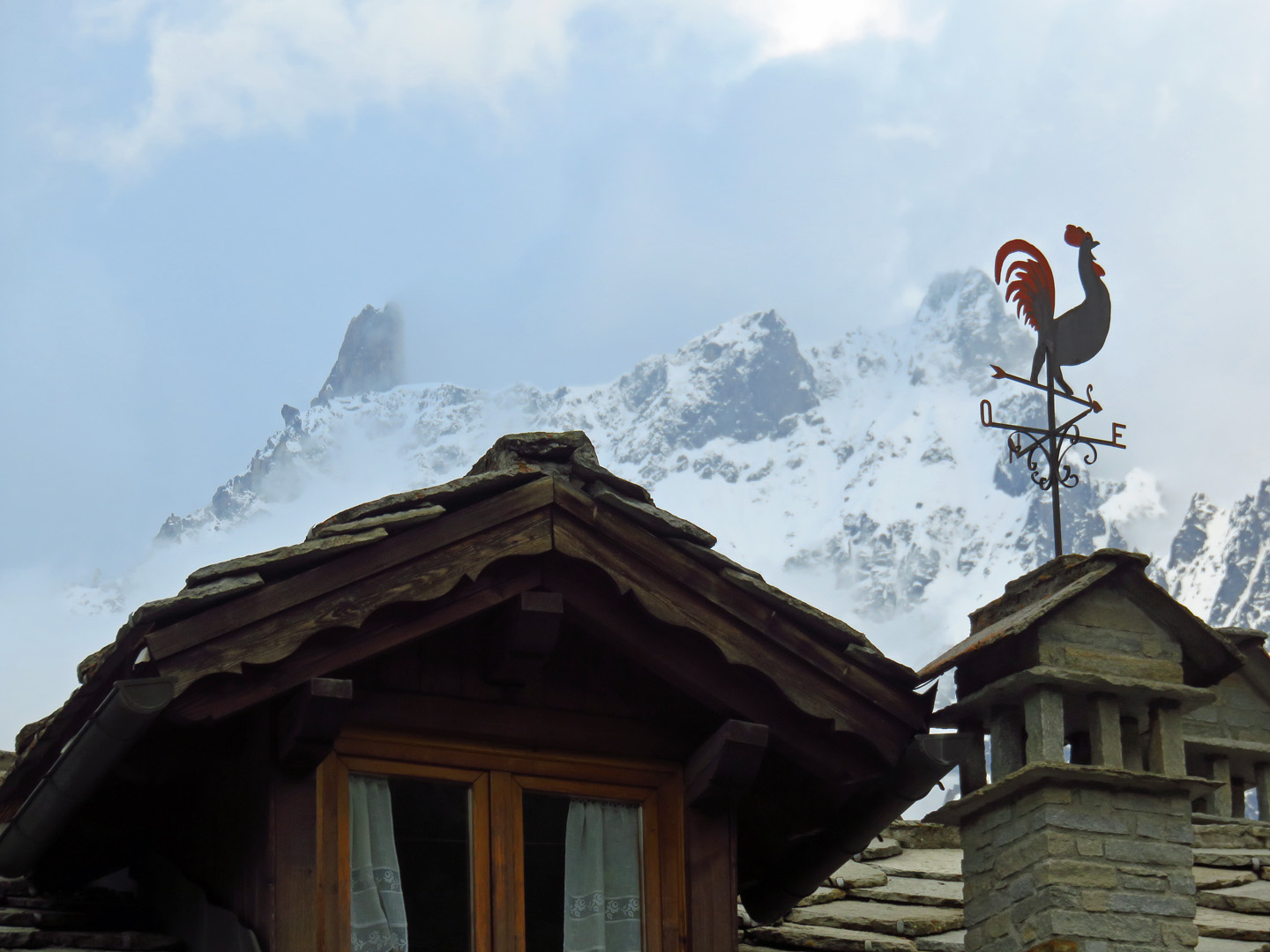
During our short stay, Maria Chiara, who never missed a chance to share her love and pride of this heavenly land, took us on educational tours to the surrounding Courmayeur ancient villages of Entreves, La Saxe, and Dolonne where medieval stone houses under slate roofs were spiked with multiple snow brackets to prevent damage from avalanches, and to the lush green valleys that wing out from the town in opposite directions—Val Ferret and Val Veny.
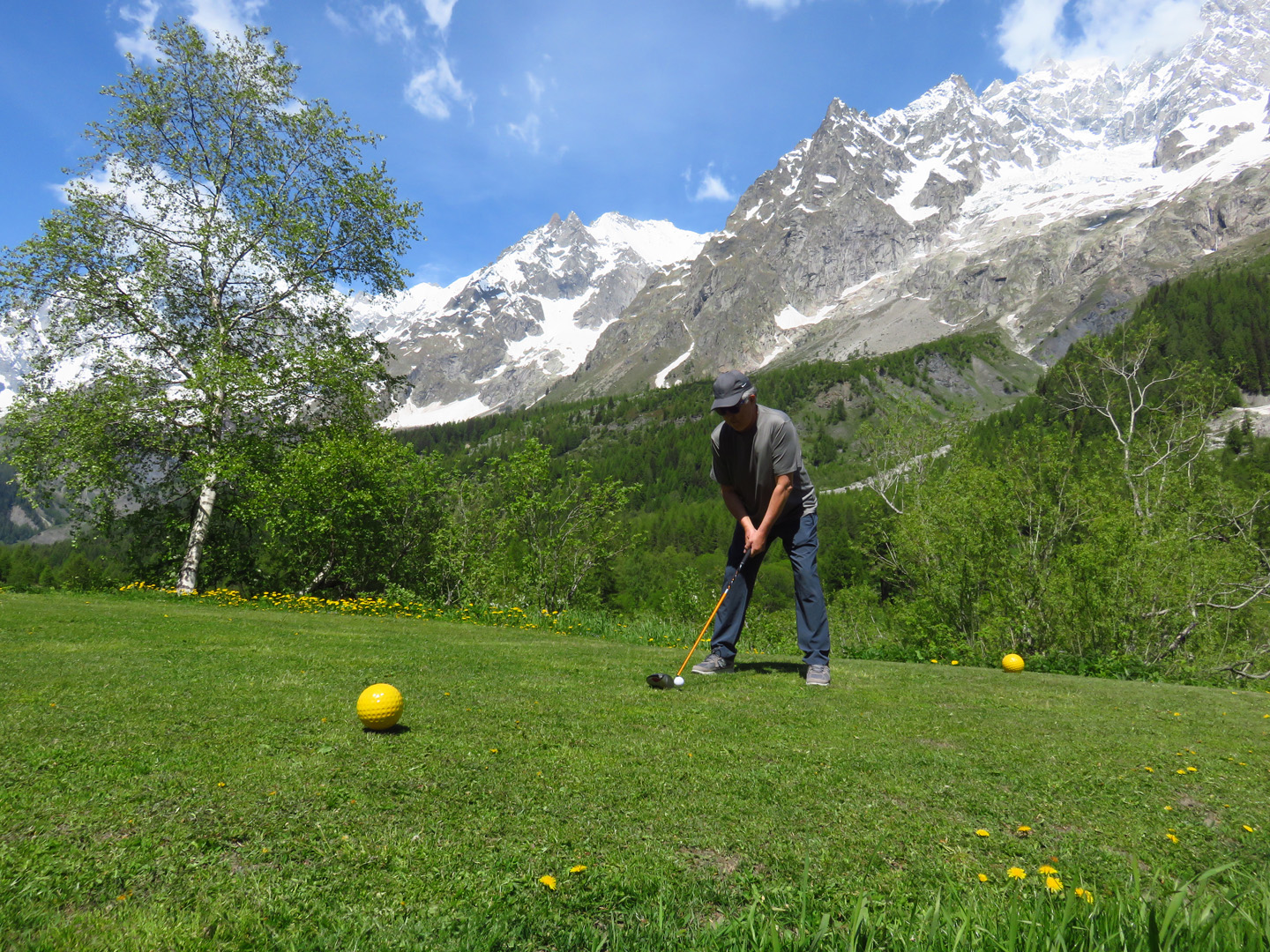
We visited Golf Club Courmayeur et Grandes Jorasses, founded in 1935 amid the prettiest in the whole world snowy peaks, green lawns, and streaming waterfalls, and even swung an iron in view of the fantastic, never losing their appeal mountains.
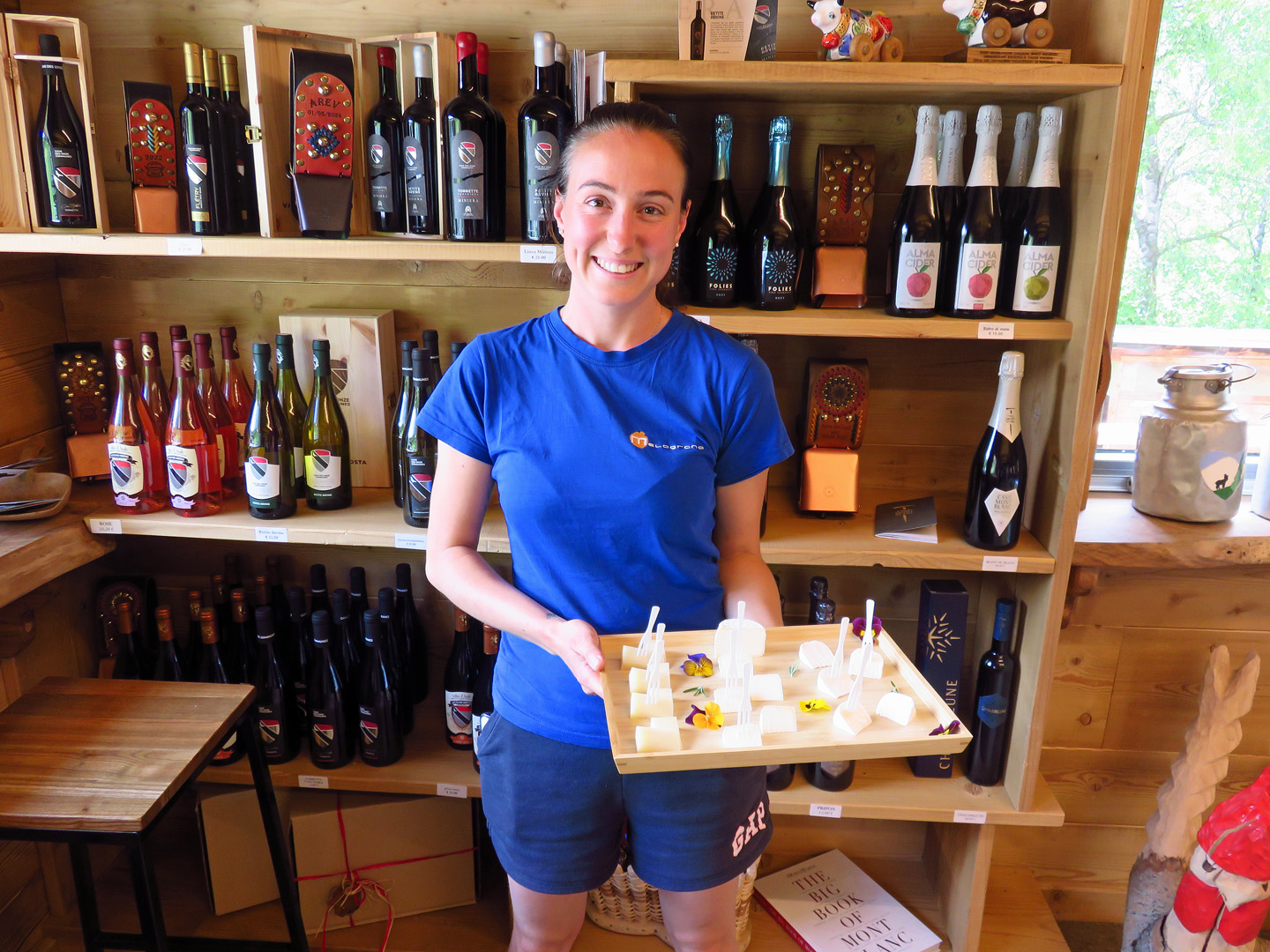
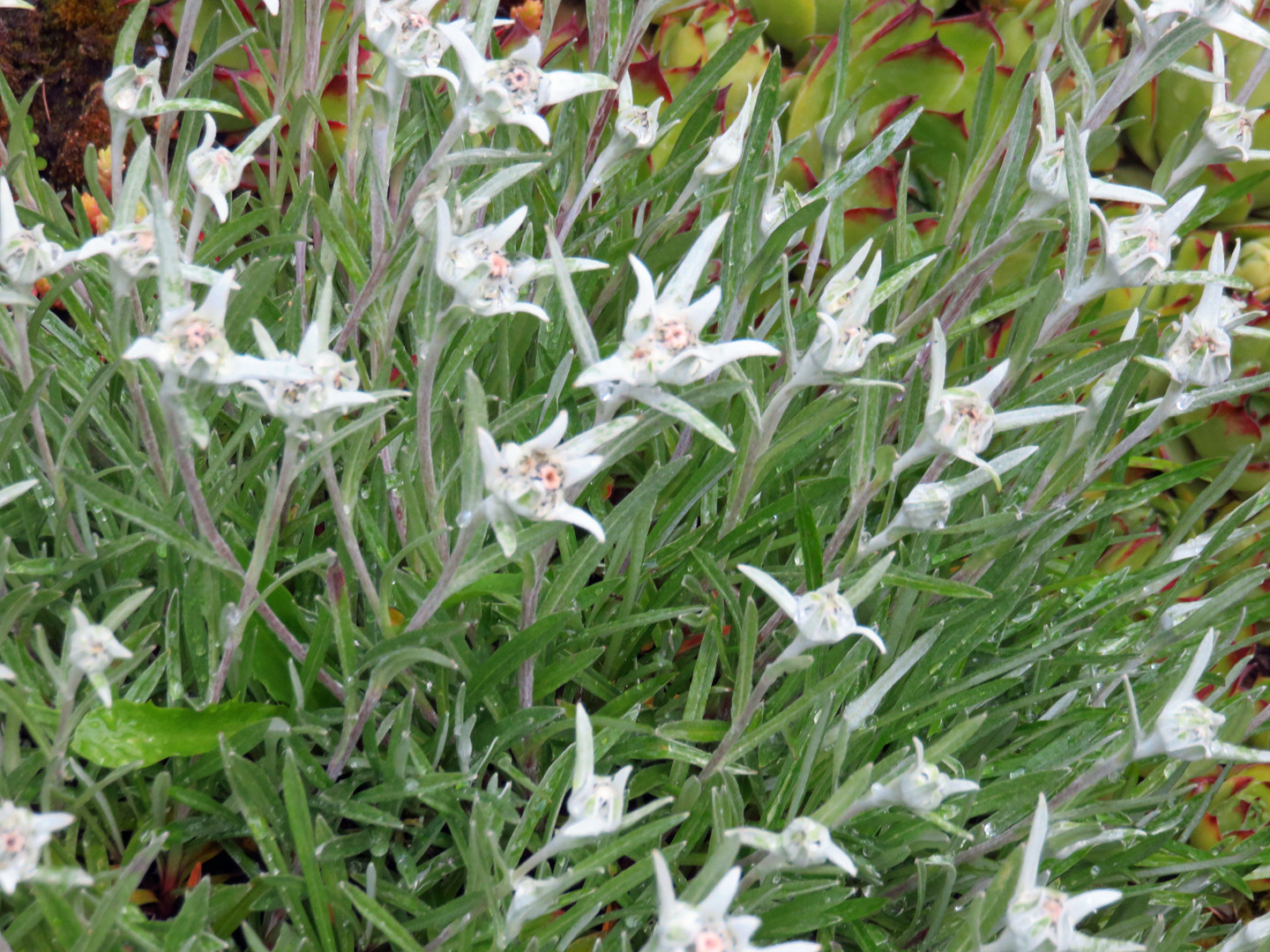
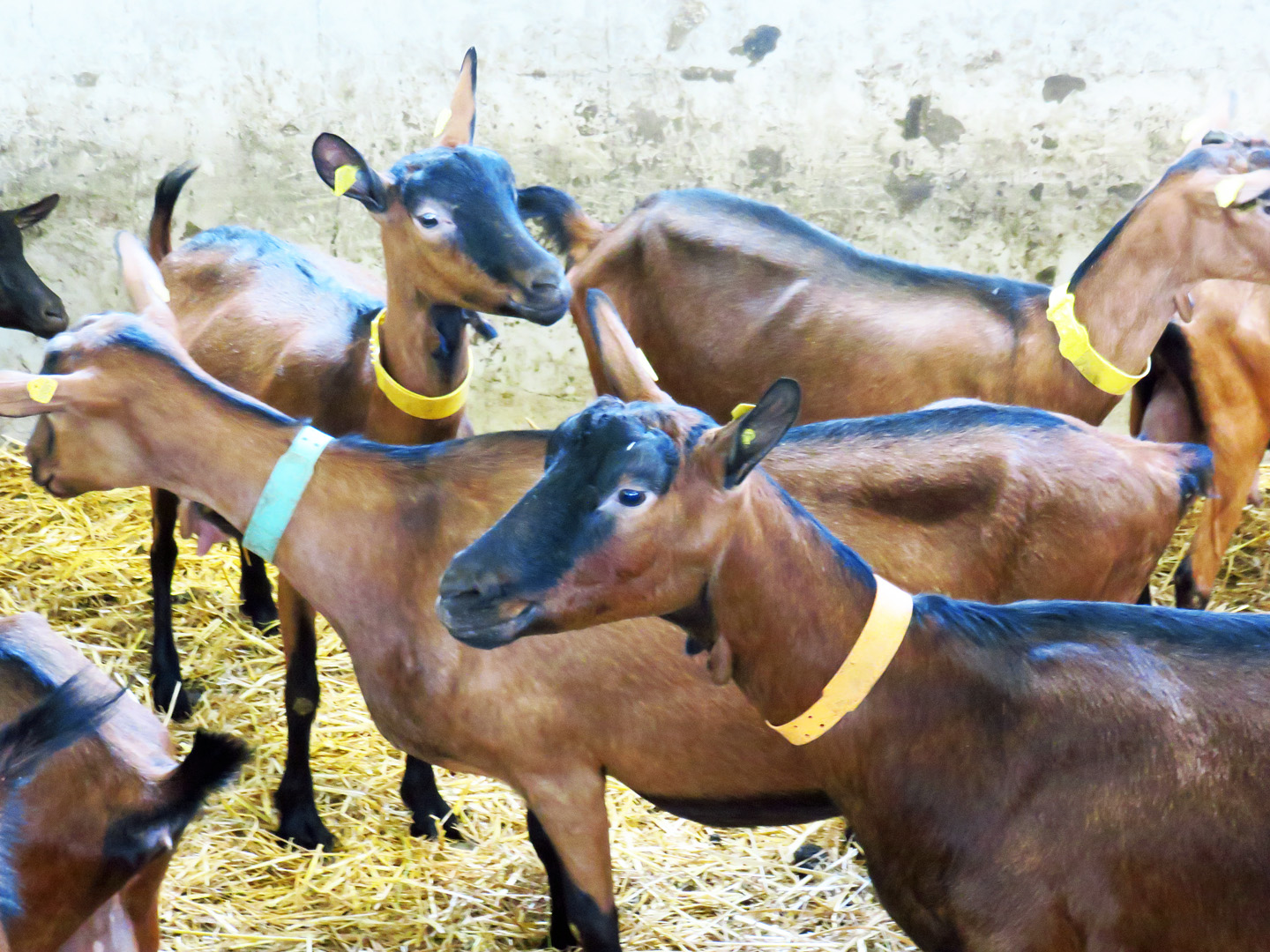
At the goat farm, Societa Agricola Mont Blanc, managed by two women—Fiorella Milliery and her daughter Valeria, we admired the shiny coats and curious muzzles of more than a hundred well-kept goats of the dark amber-colored capra camosciata alpina breed, and tasted the most delicious goat cheeses in various degrees of ripeness.
As for the culinary delights of the tiny Courmayeur, they appeared to be disproportionally abundant! Based in the alpine traditional cuisine with the prevalence of meats and cheeses, local specialties impressed us with their freshness and truly gourmet qualities along with seeming simplicity of preparation.
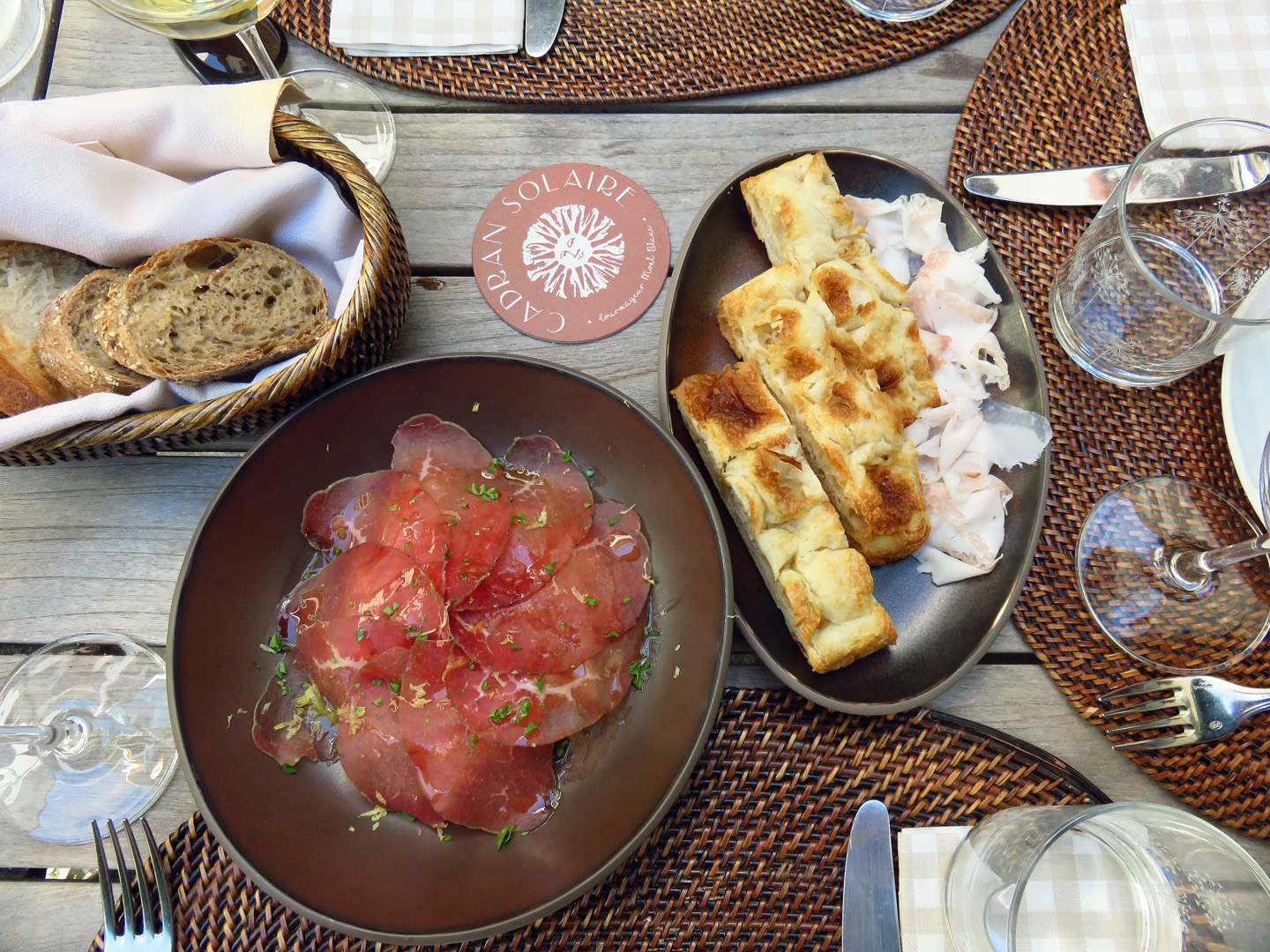
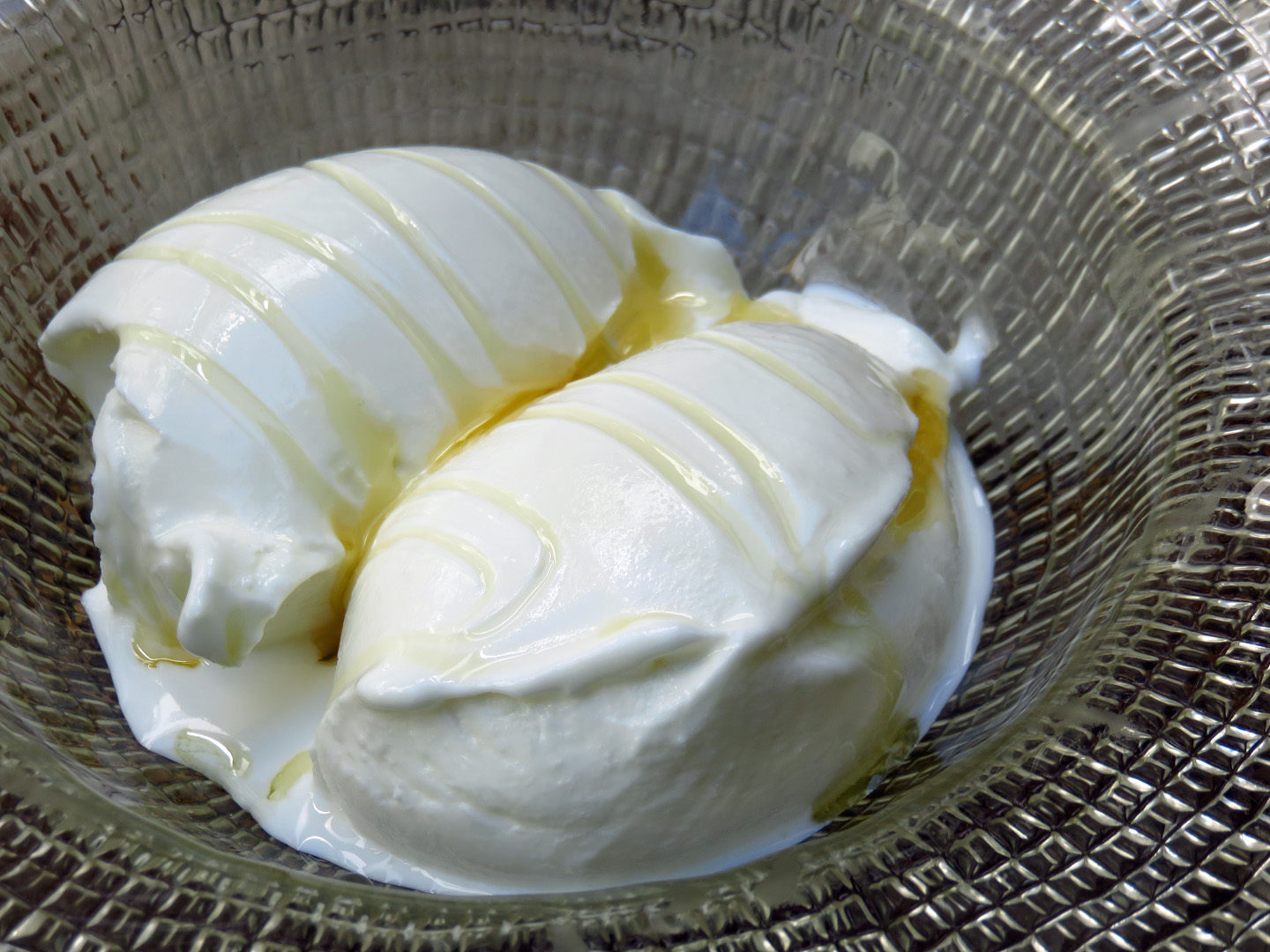
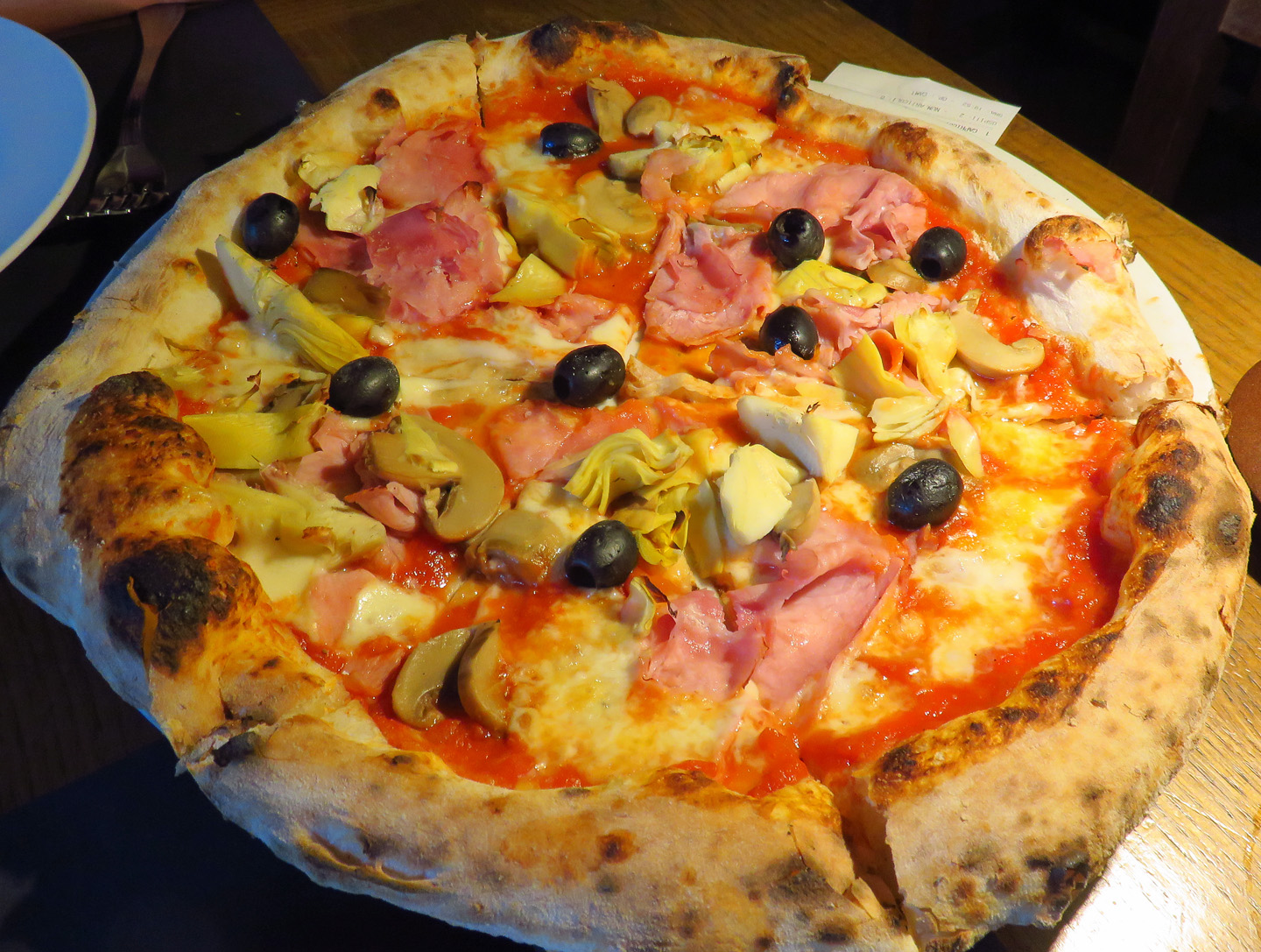
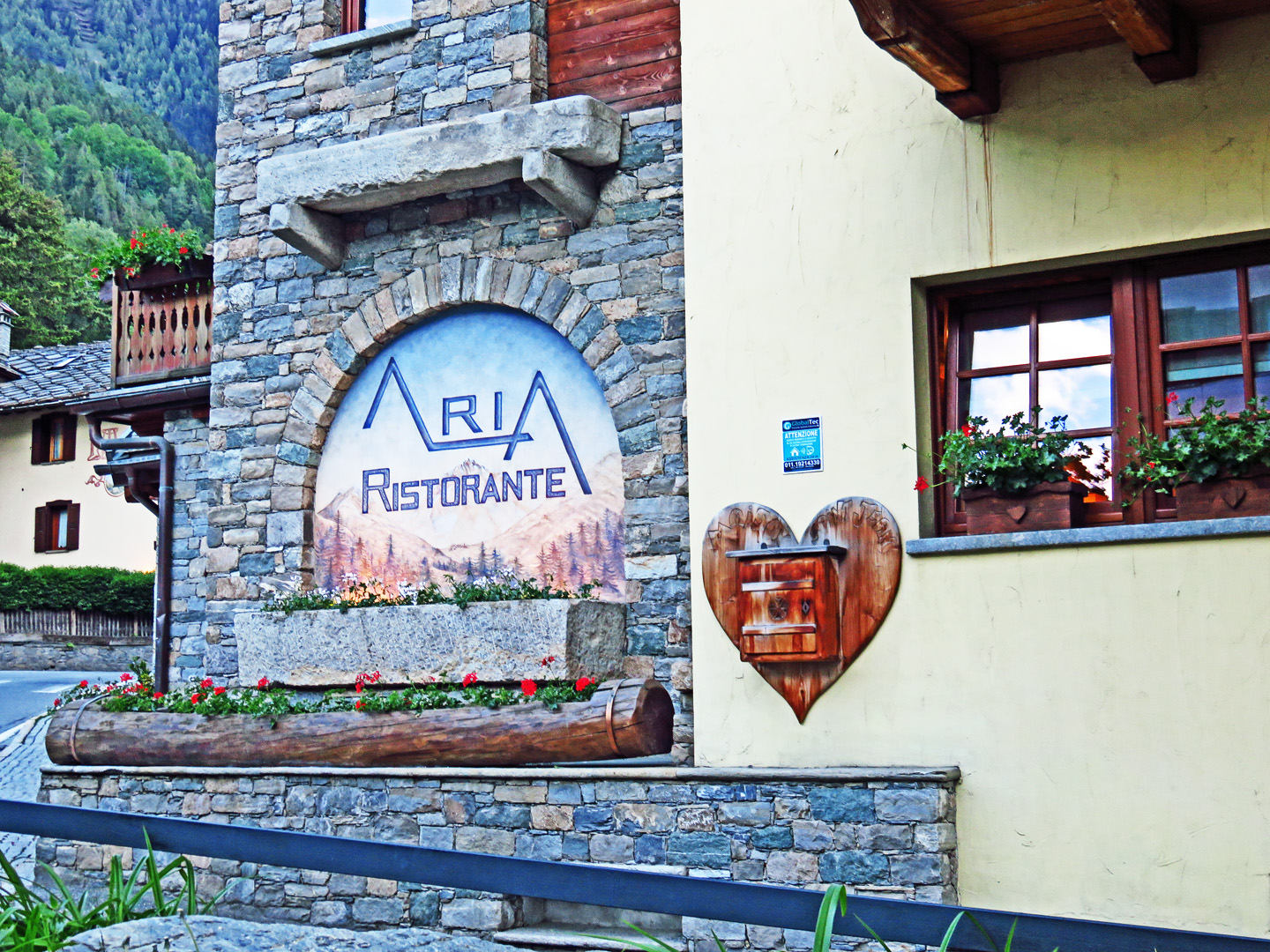
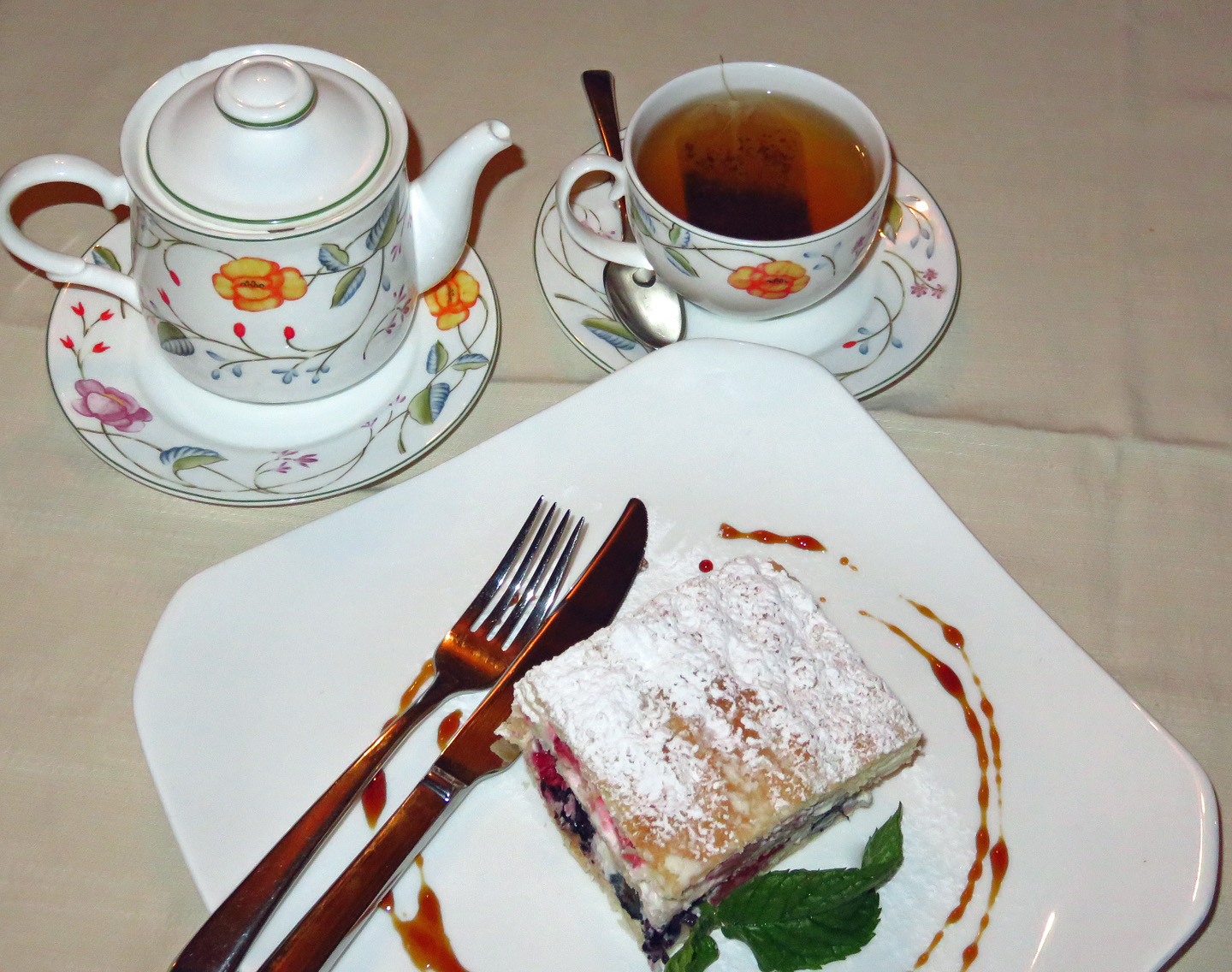
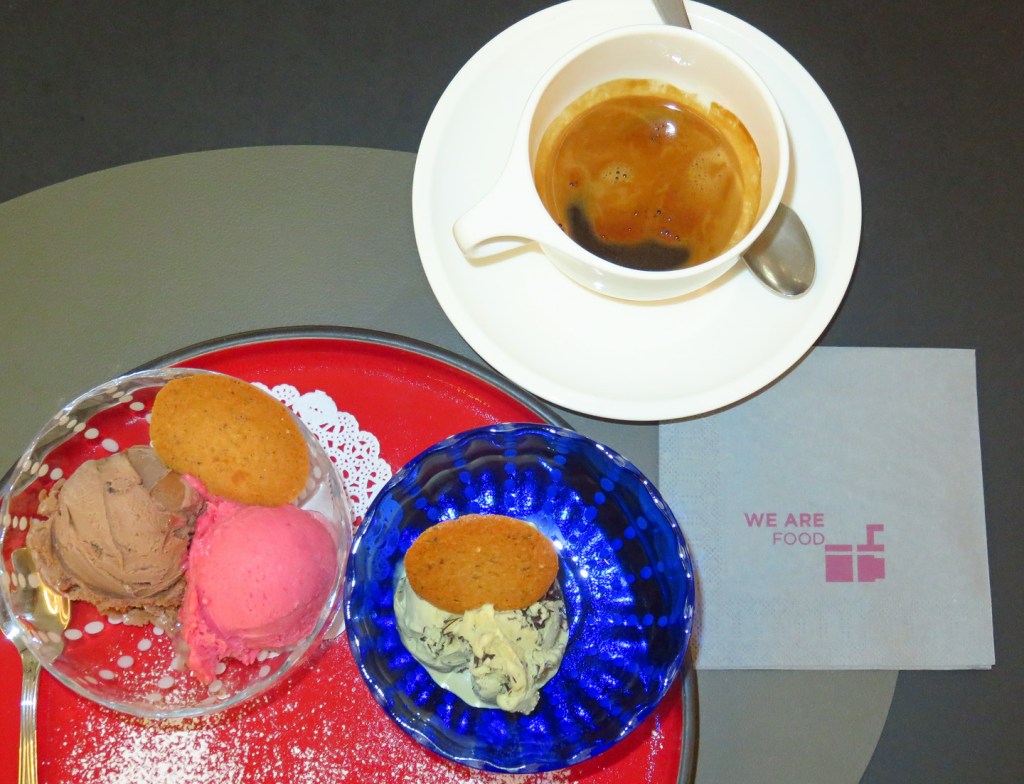
At Cadran Solaire we enjoyed a bountiful lunch of house-cured copa, bresaola and lardon served with the house-baked bread; a subtle yet irresistibly delicious house-made yogurt dessert, and dry white wine Rayon, made by Cave Mont Blanc right here, in Valle d’Aosta; at La Padella Pizzeria—a light and floral red Château Feuillet, also from Valle d’Aosta, alongside a hearty Salade Montagnard and Capricciosa pizza with ham, artichoke, mozzarella, mushrooms and olives. Ristorante Aria served us barbaresco wine with local beef and suckling pig in pinot noir sauce, followed by a dessert of puff pastry with whipped cream and mountain berries, while a stylish, contemporary 4810 food&fun (the numbers in its name correspond to the height of Monte Bianco in meters) provided us with even more local wine, paired with the freshest Burratina di bufala con ratatouille de verdure and Tagliatelle classiche al ragù bolonese, and a sweet finale of house-made Stracciatella ice cream with dark chocolate bits.
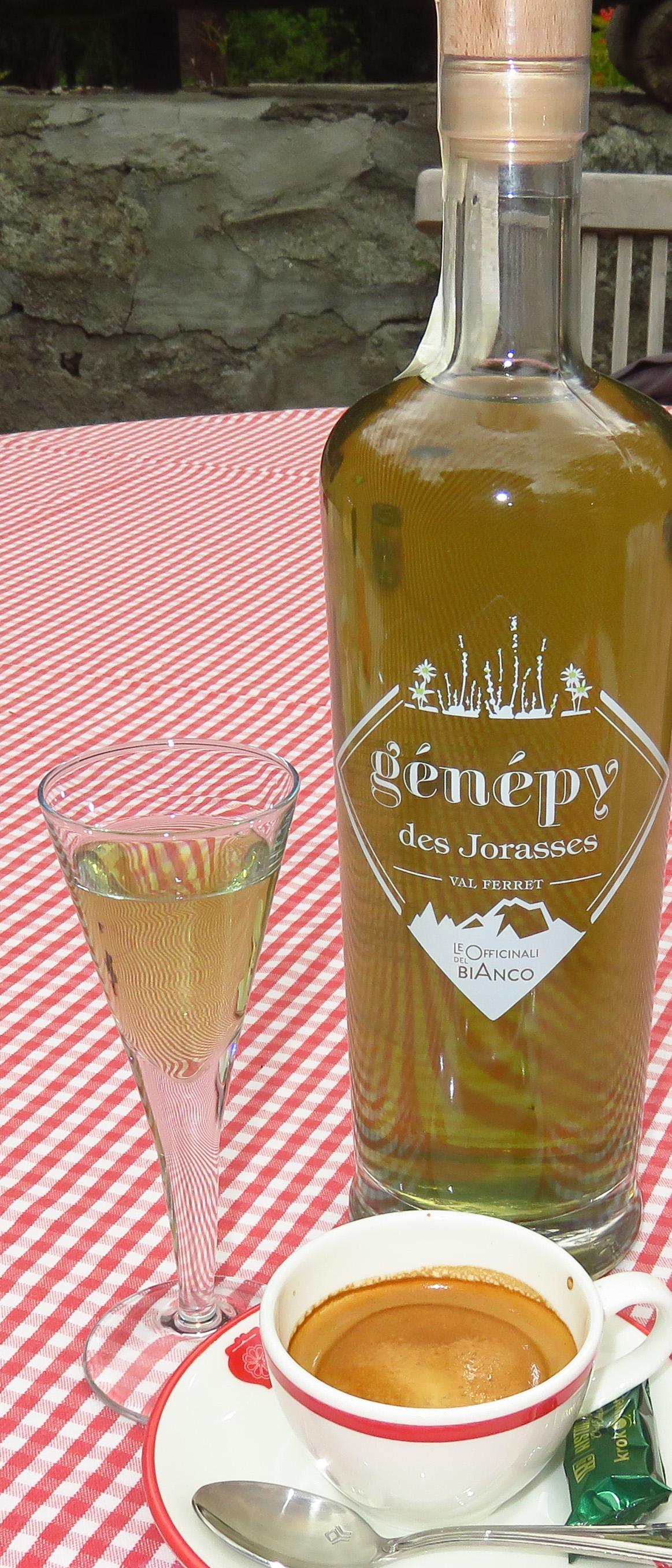
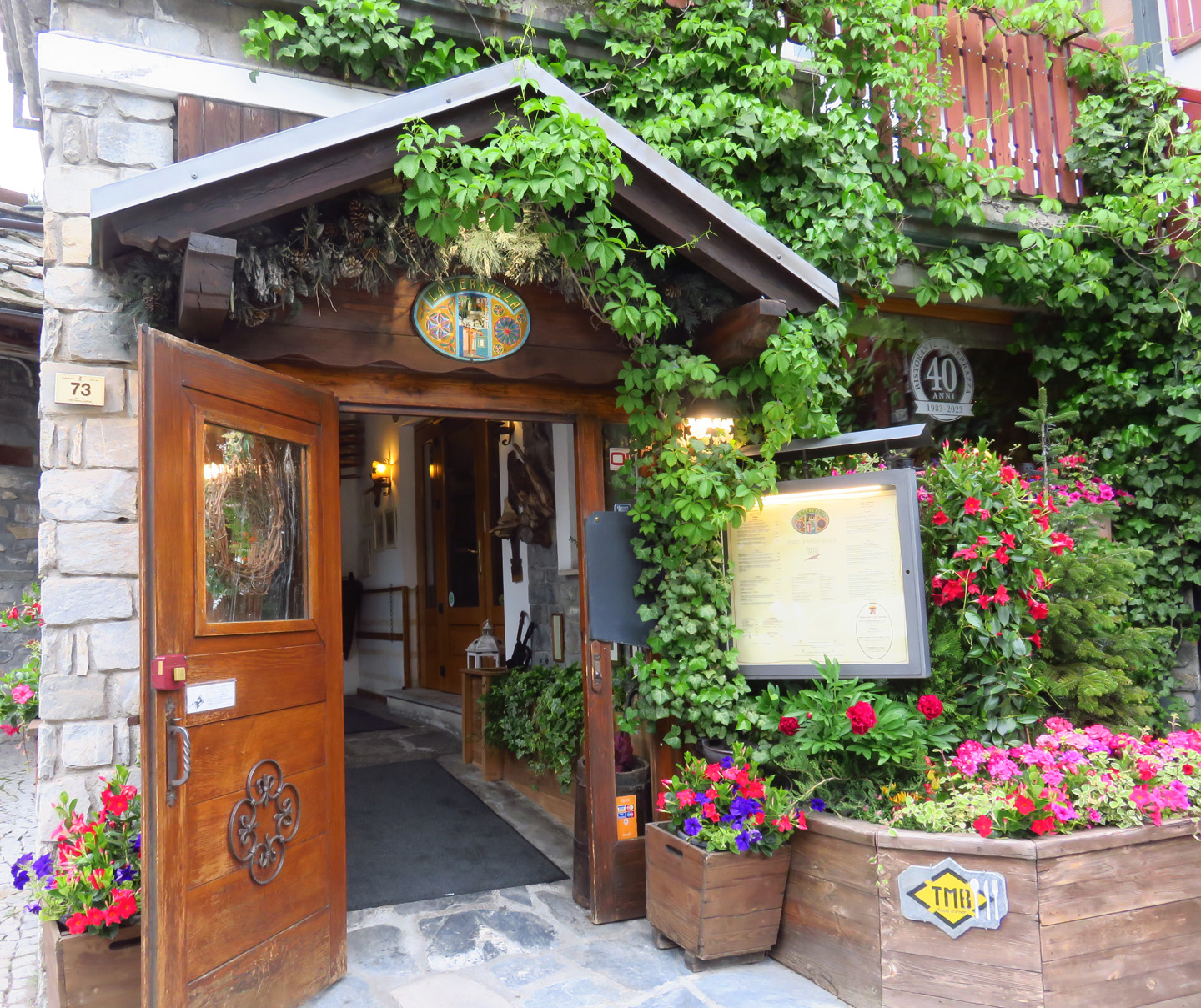
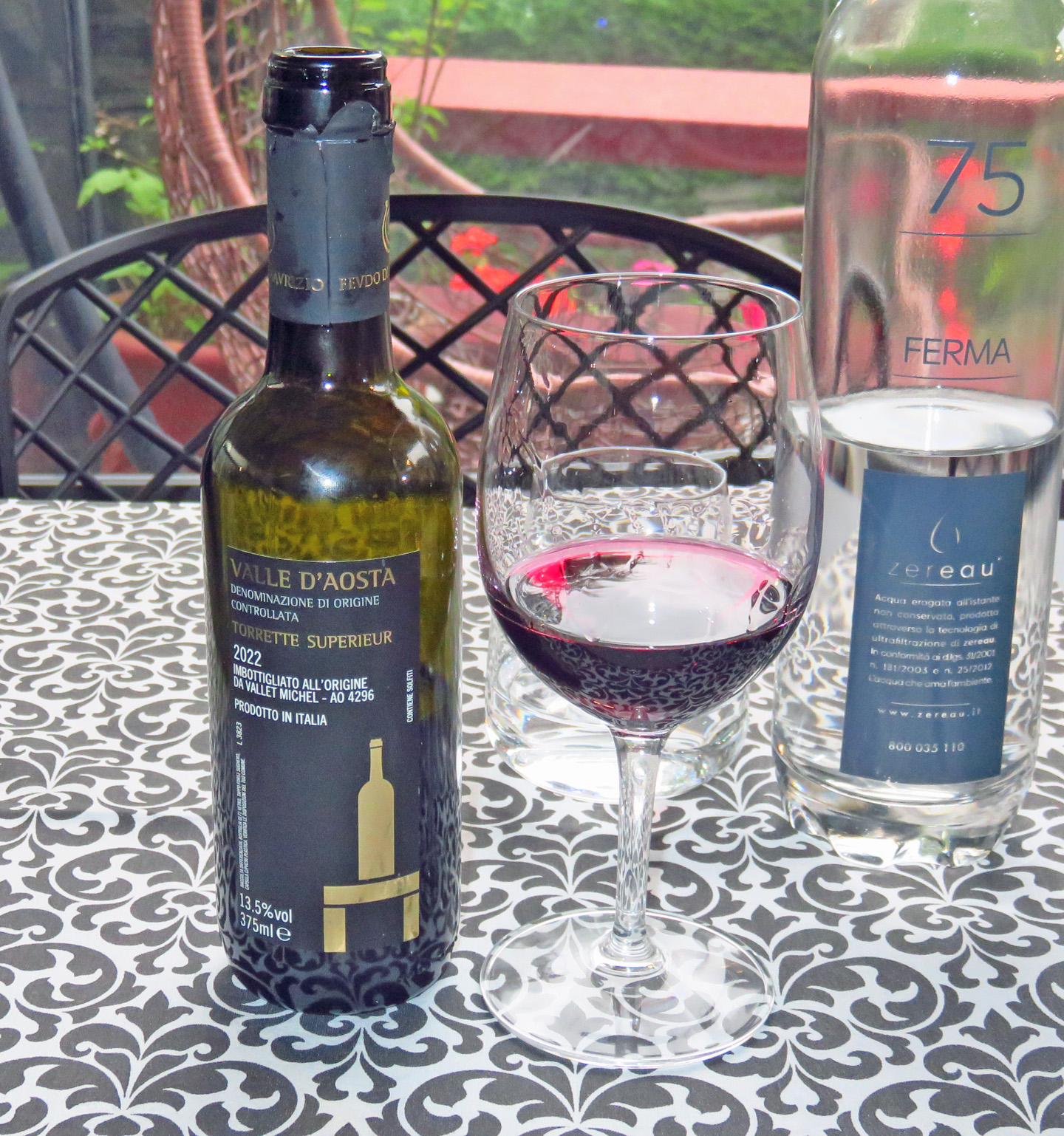
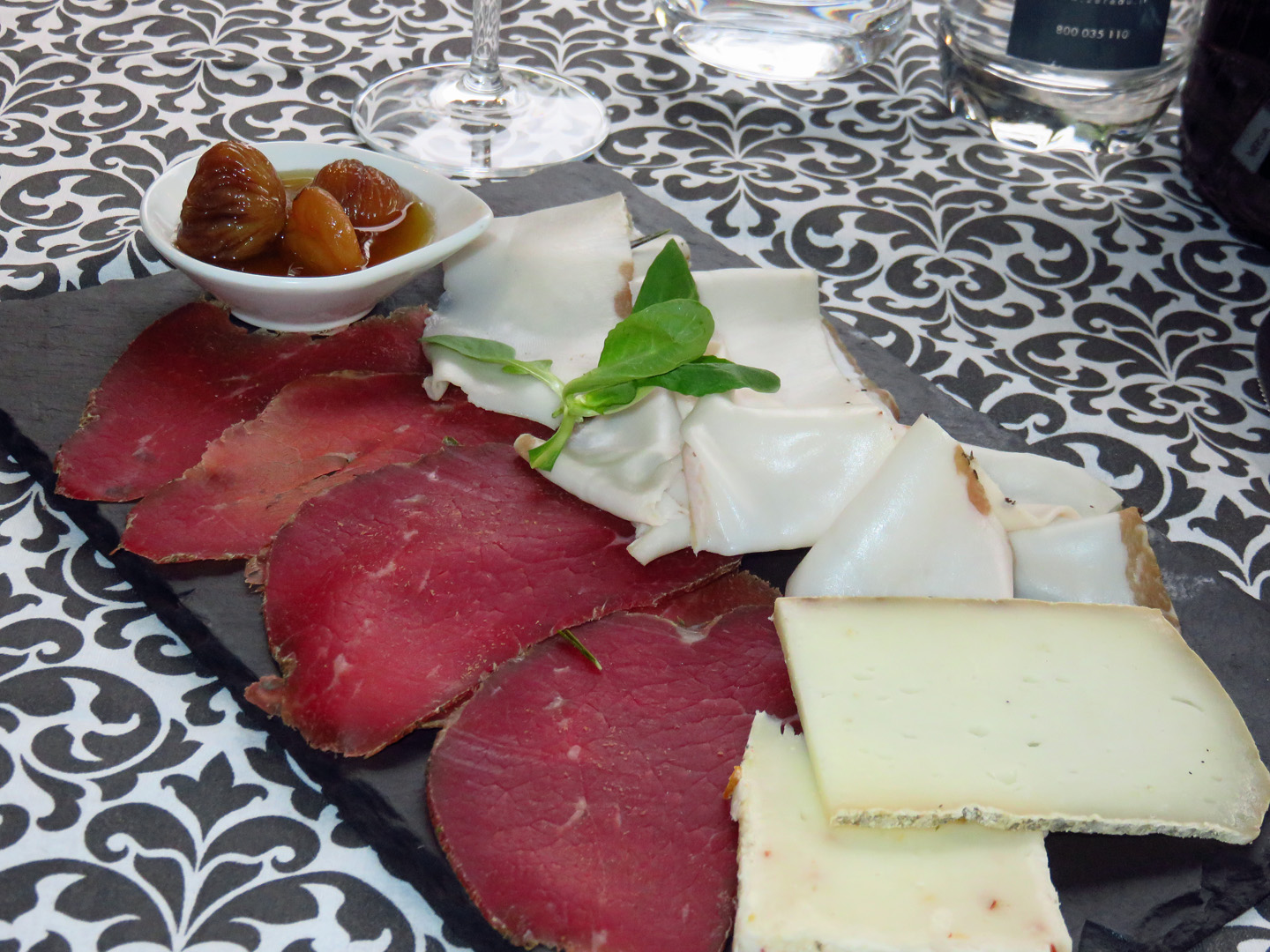
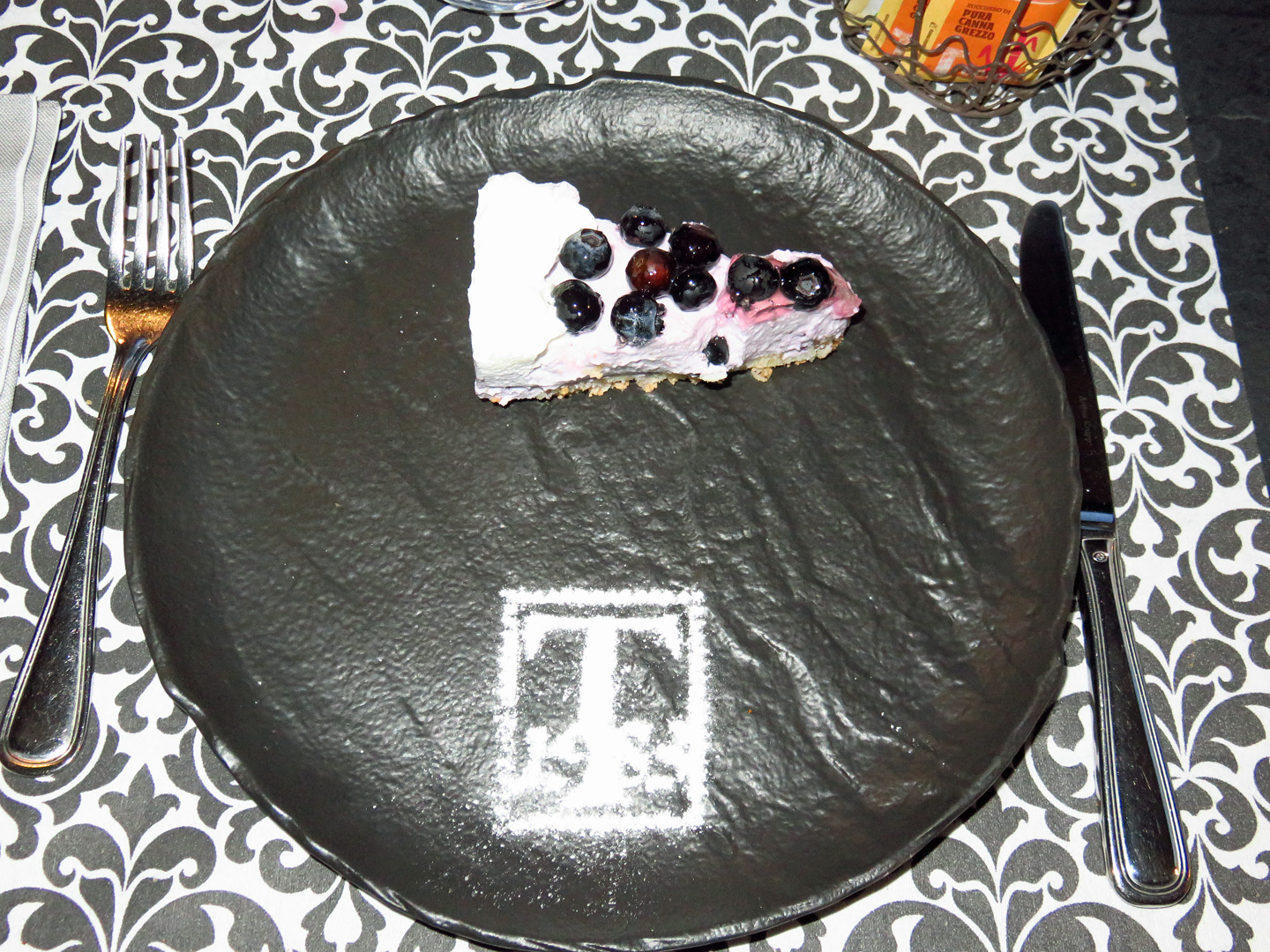
We spent some great dinner time at a boisterous, popular with the locals Ristorante La Terrazza consuming traditional specialties, like Zuppa Valpellinentze (baked soup with bread, cabbage, and fontina cheese); our now-favorite cured meats and cheeses, and a blueberry cake on a plate, adorned with a restaurant logo made of powdered sugar. After a day of exploring the emerald Val Ferret, we had a quiet lunch at the Ristorante La Clotze with a plate of pappardelle with venison ragù and a glass of a special herbal liqueur Génépi, inherited by this land from its Duchy of Savoy historical past, and made from alpine herbs, like Artemisia génépi a.k.a. wormwood.
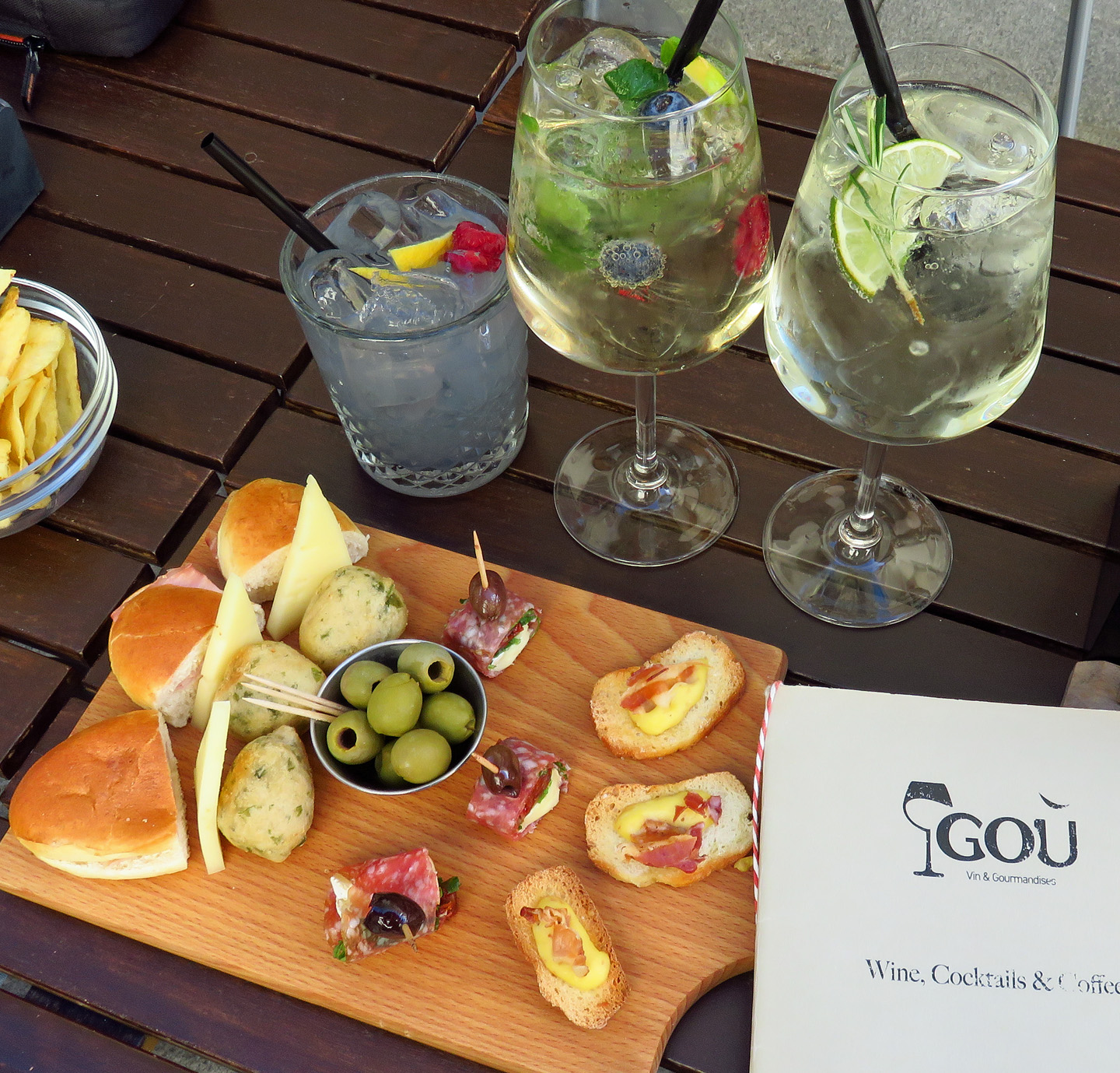
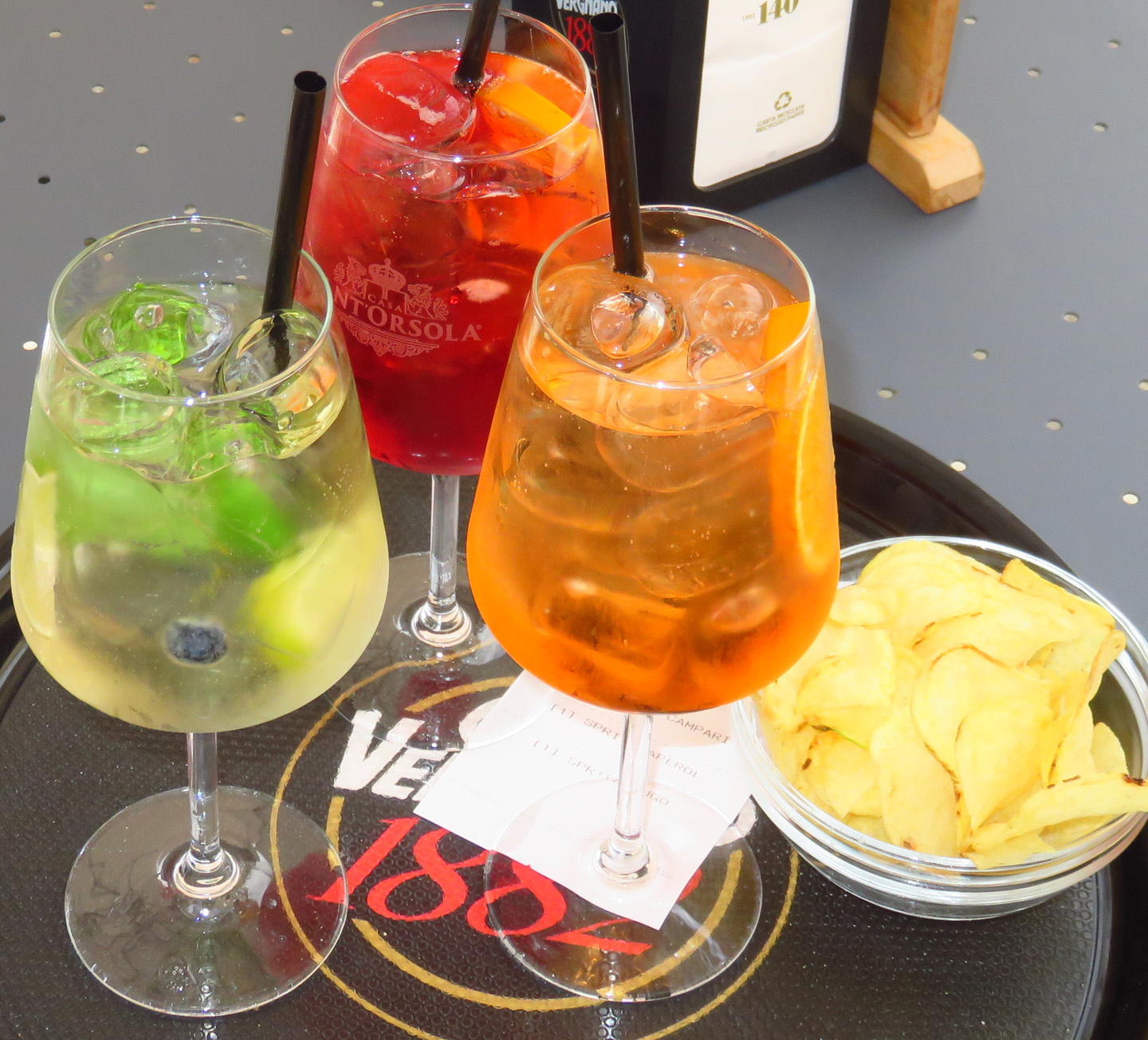
Since that time, we inevitably ordered génépi at an open-air Goù Courmayeur that became our favorite stop in town for now indisputably favorite caffè normale and aperitivo.
Additional information:
Best of the Alps: https://www.bestofthealps.com/en/
Courmayeur Tourism: https://www.courmayeurmontblanc.it/en/
Hotel Berthod: https://www.hotelberthod.com/
 Real Travel Adventures