

By Emma Krasov. Photography by Emma Krasov
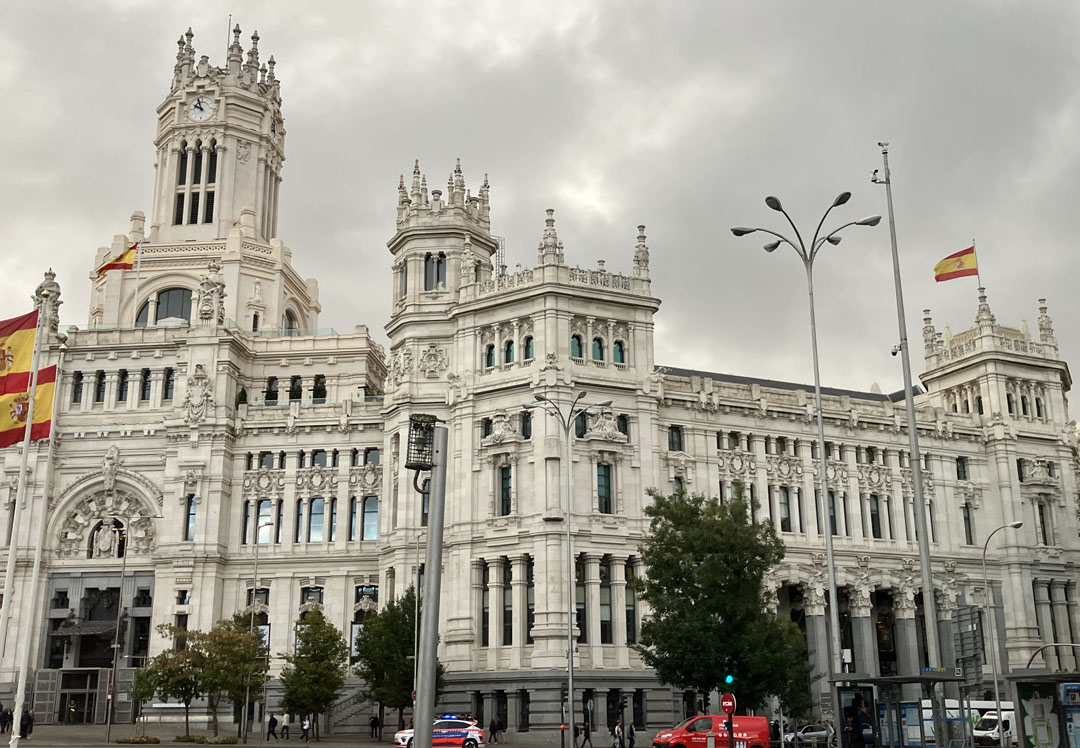
It’s been almost two months since my trip to Madrid, but the majestic capital of Spain keepscoming back in frequent recollections, both in dreams, and while I’m wide awake. I’m over my jetlag now, but not over the bright, vivid memories that continue to fascinate, like a kaleidoscope of precious, keenly etched mementoes—the colorful, full of life, high-energy city streets, crowded day and night; the gorgeous Royal Palace, both French Baroque and Neoclassical, surrounded by the serene, beautifully laid out parks and gardens; the massive marble fountains from the 1780s, one dedicated to Neptune—the crowned sea-god is holding a trident and standing on a giant shell pulled by fish-tailed horses, another to Cybele—the goddess of motherhood and nature sits in a chariot drawn by two lions; the Beaux-Arts architecture, which flourished here after the Napoleonic wars…
The blood of history seeps through the pores of Colmenar limestone of which the city is built…

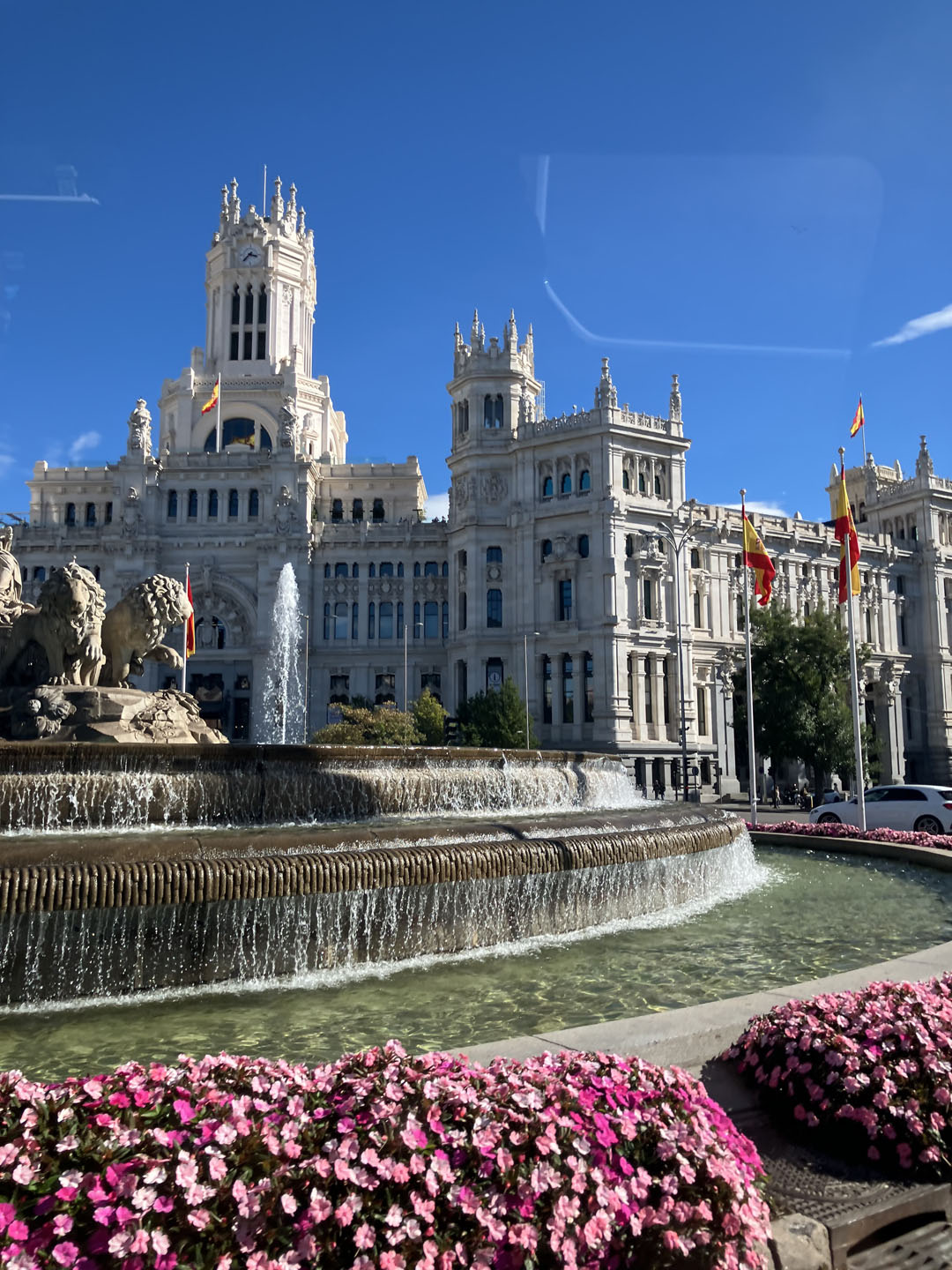
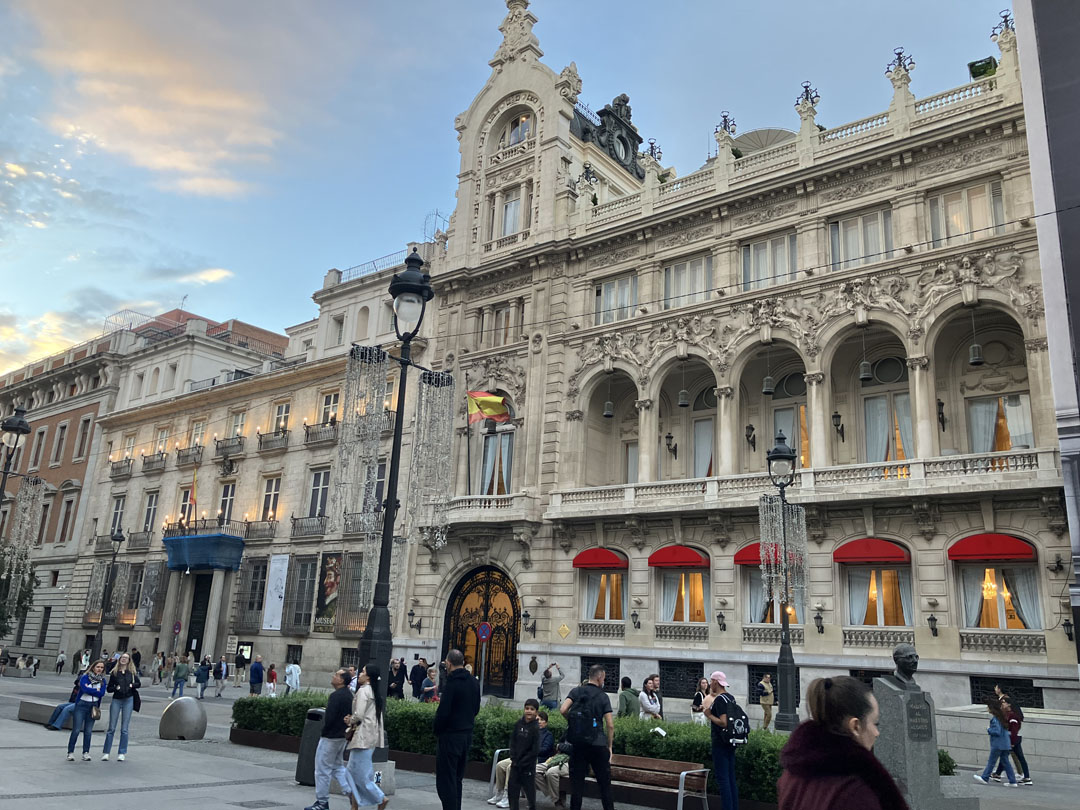
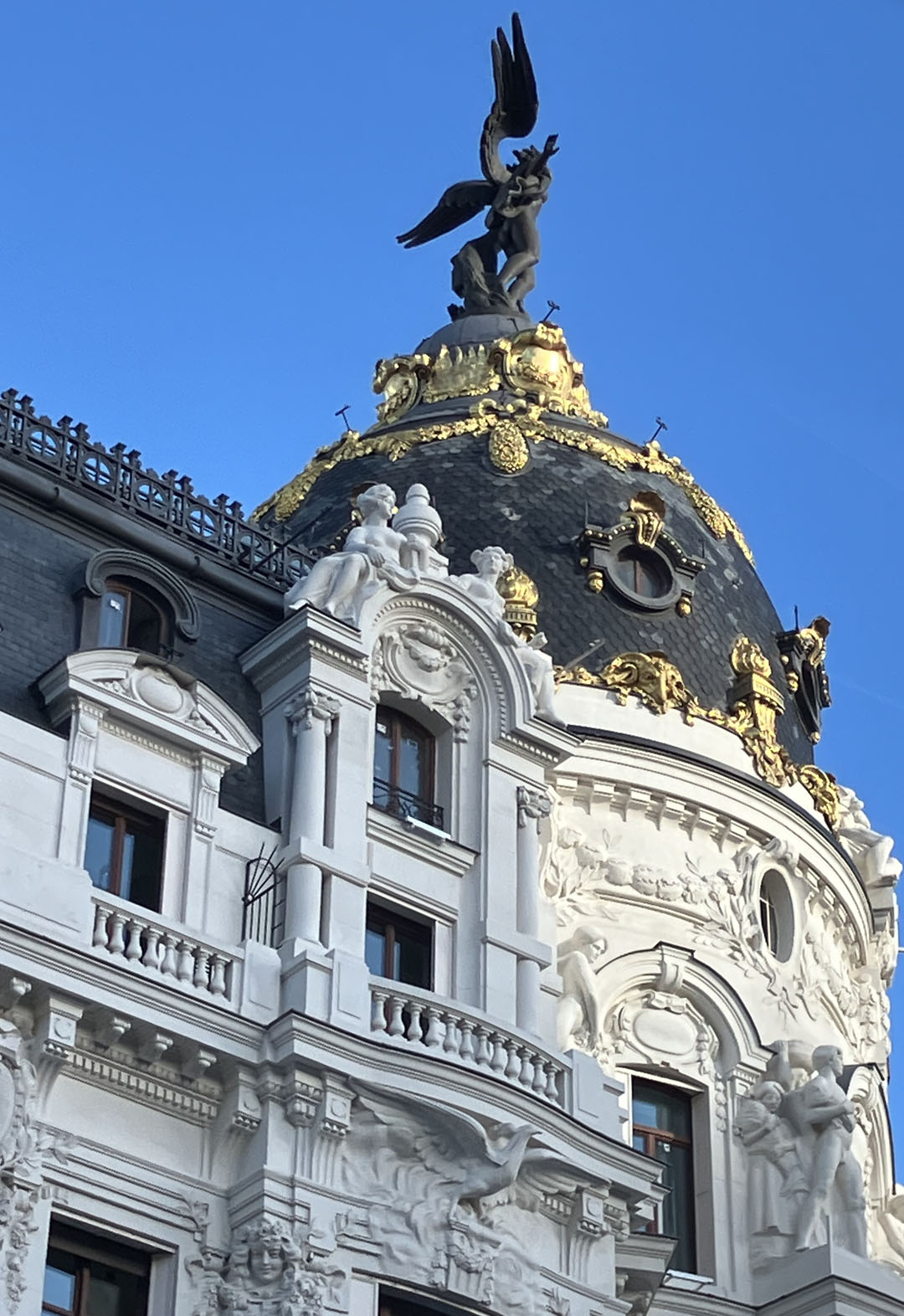
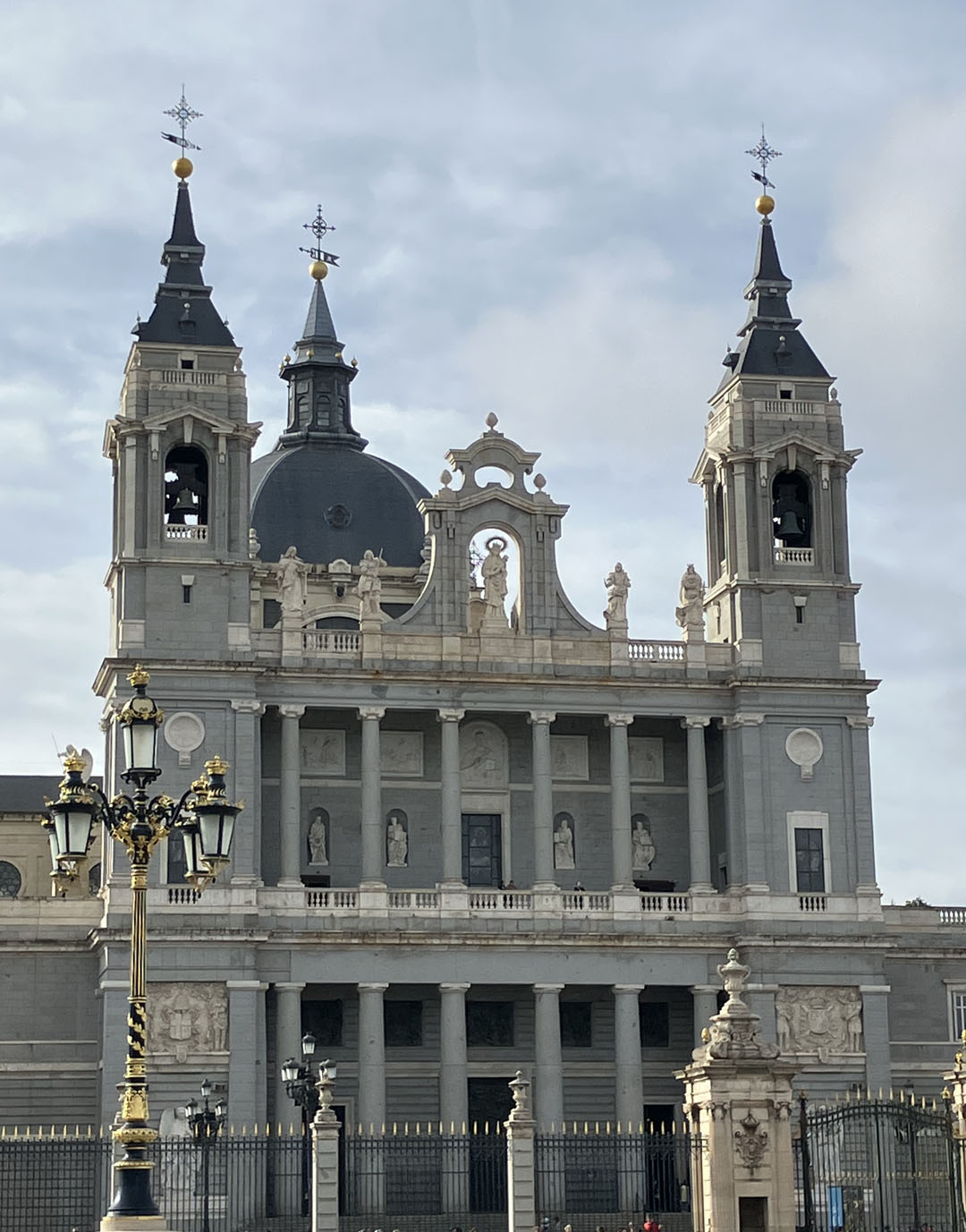
Populated since Prehistoric times, and established as the seat of Spanish monarchy by Philip II in 1561, Madrid is simultaneously a living monument and a distinctly contemporary metropolis with its own complex character and unique attractiveness.
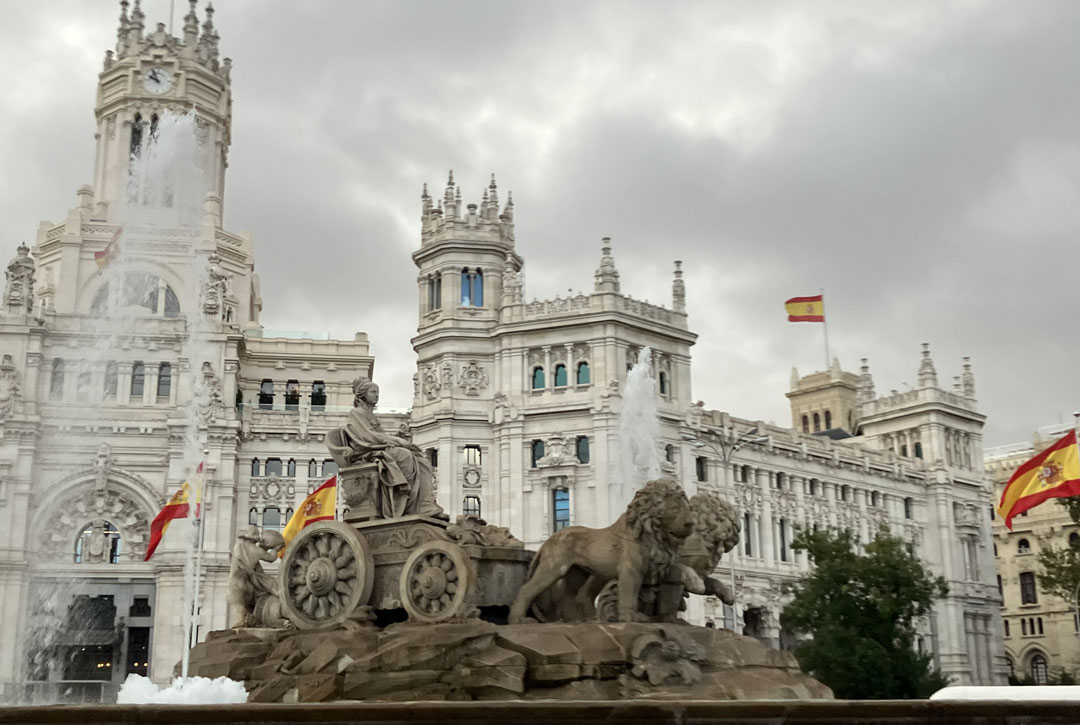
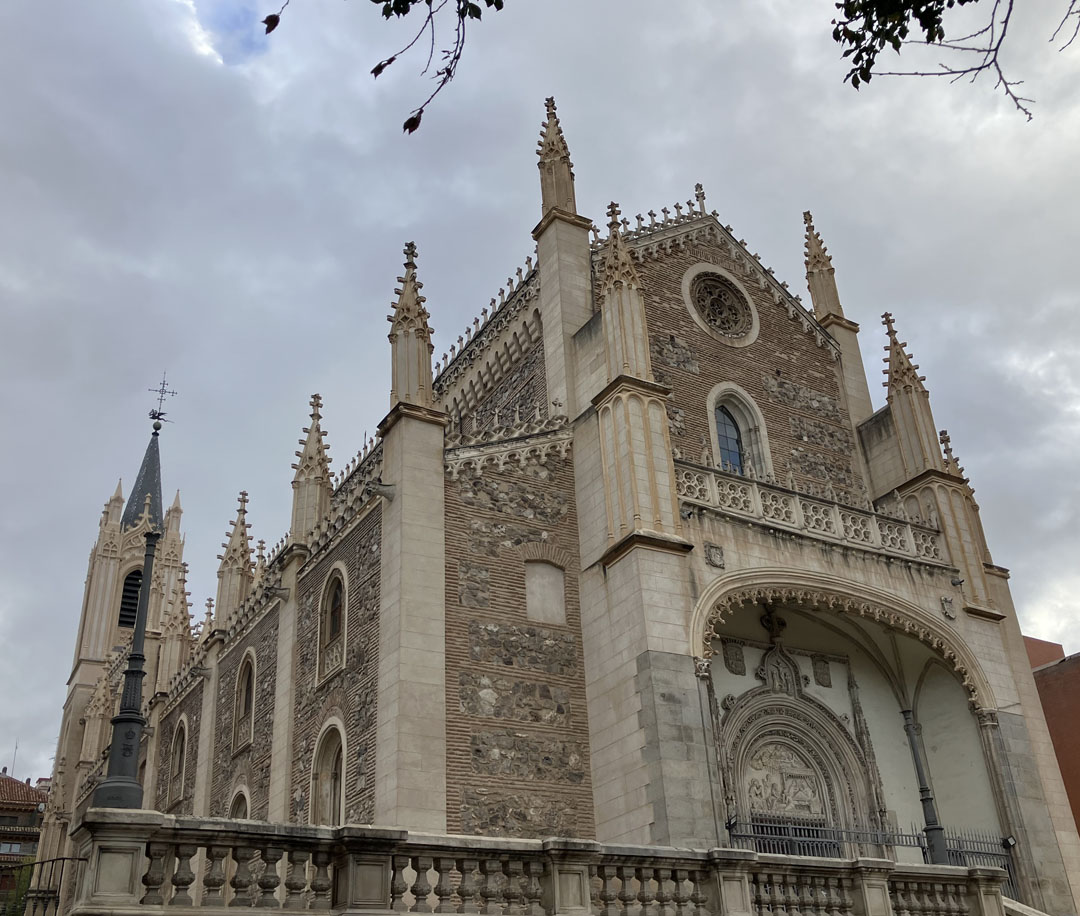
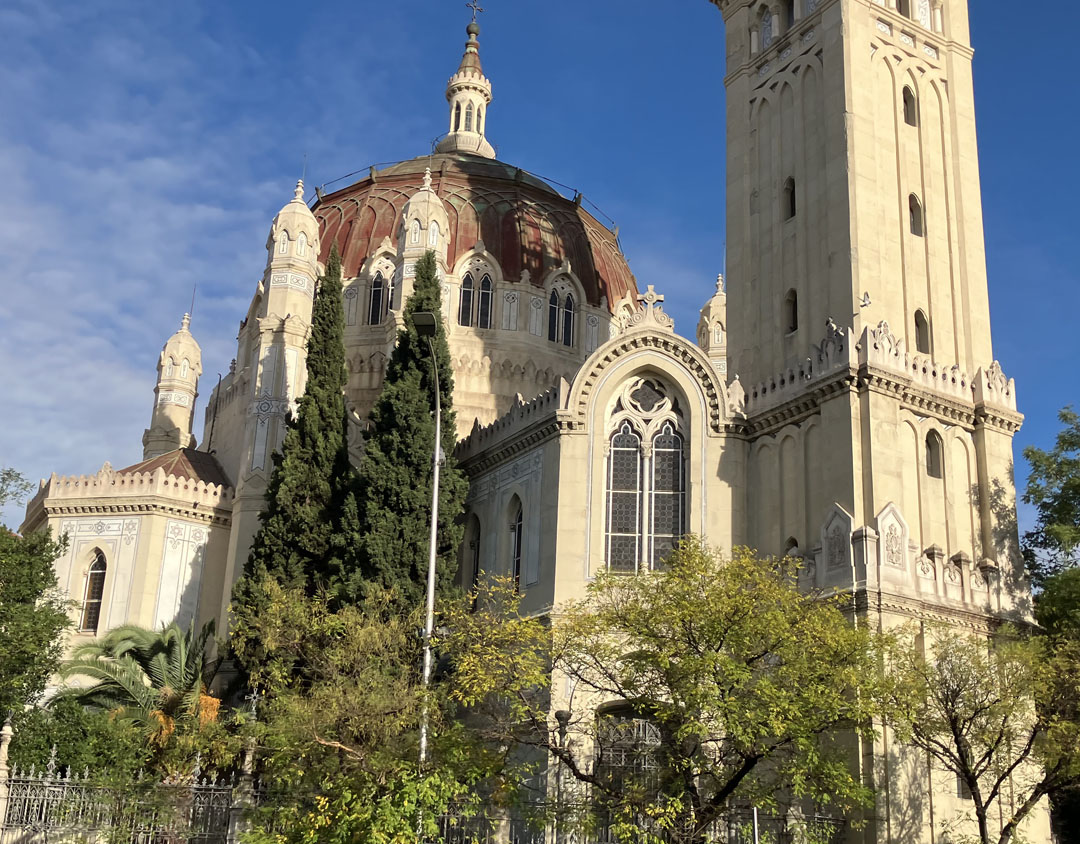
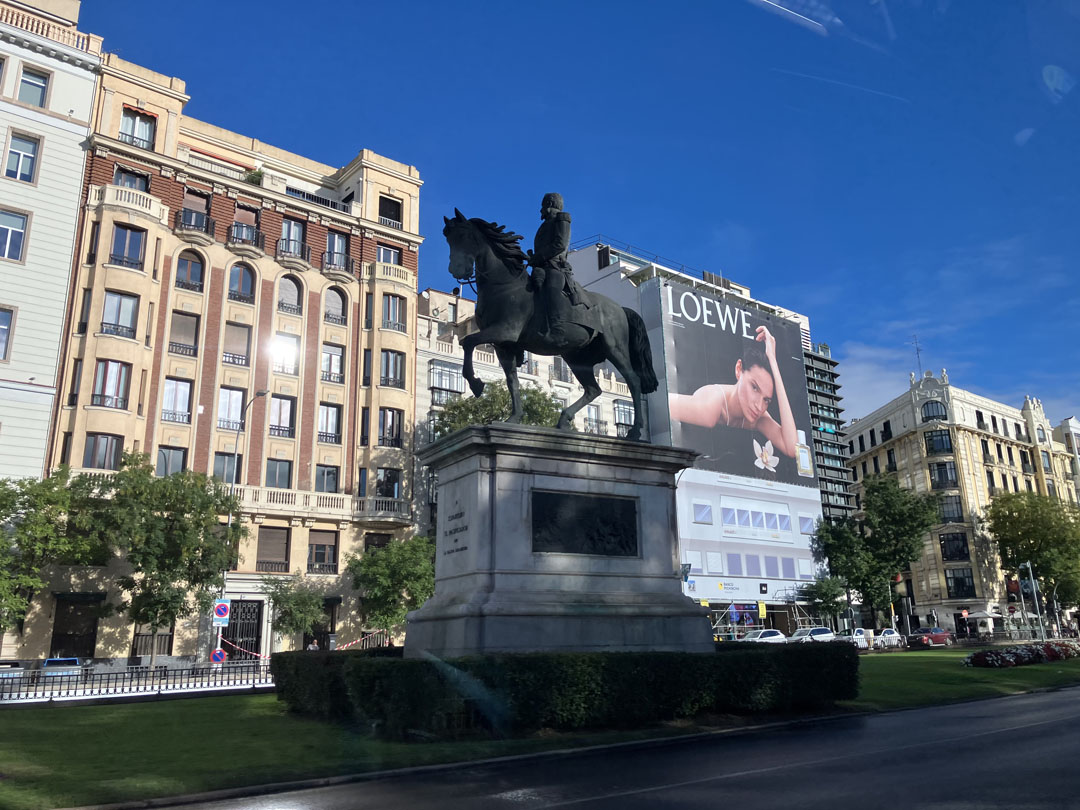
The ambrosia of omnipresent art and a penchant for artful living are diffused in the air, illuminated by the famous golden-scarlet sunsets for which the city is famous. They bloom in the dry climate of the Meseta Central plateau of the Iberian Peninsula, where Madrid thrives at more than 2000-feet above the sea level. One of the highest-elevation European capitals, it boasts unique observation points, unobstructed views, and endless horizons. For an American traveler, Madrid is a treasure trove of historical and cultural marvels, nature wonders, and sensory delights.
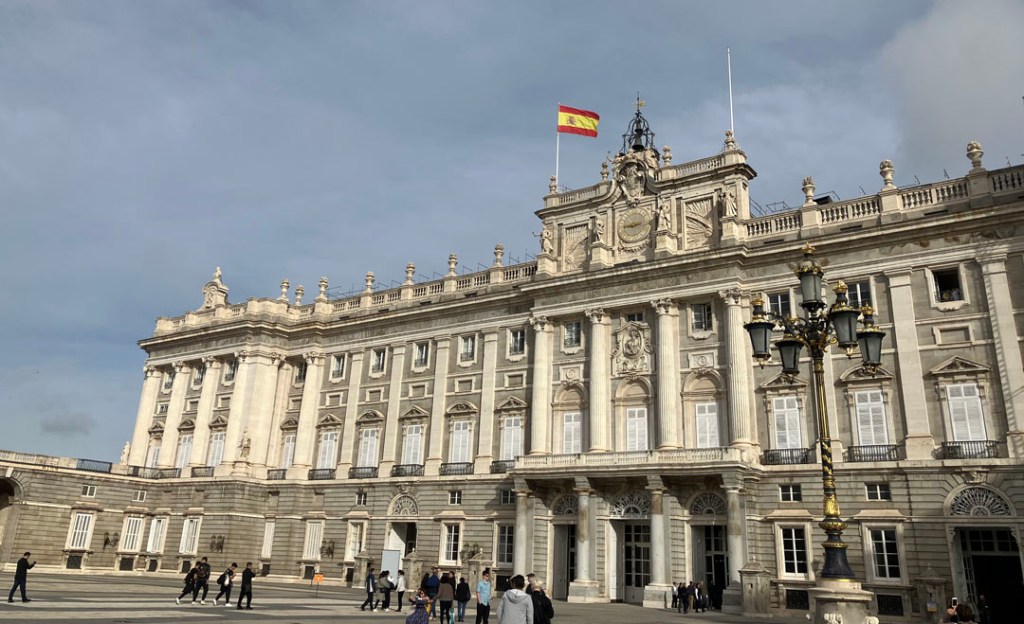
The Royal Palace of Madrid
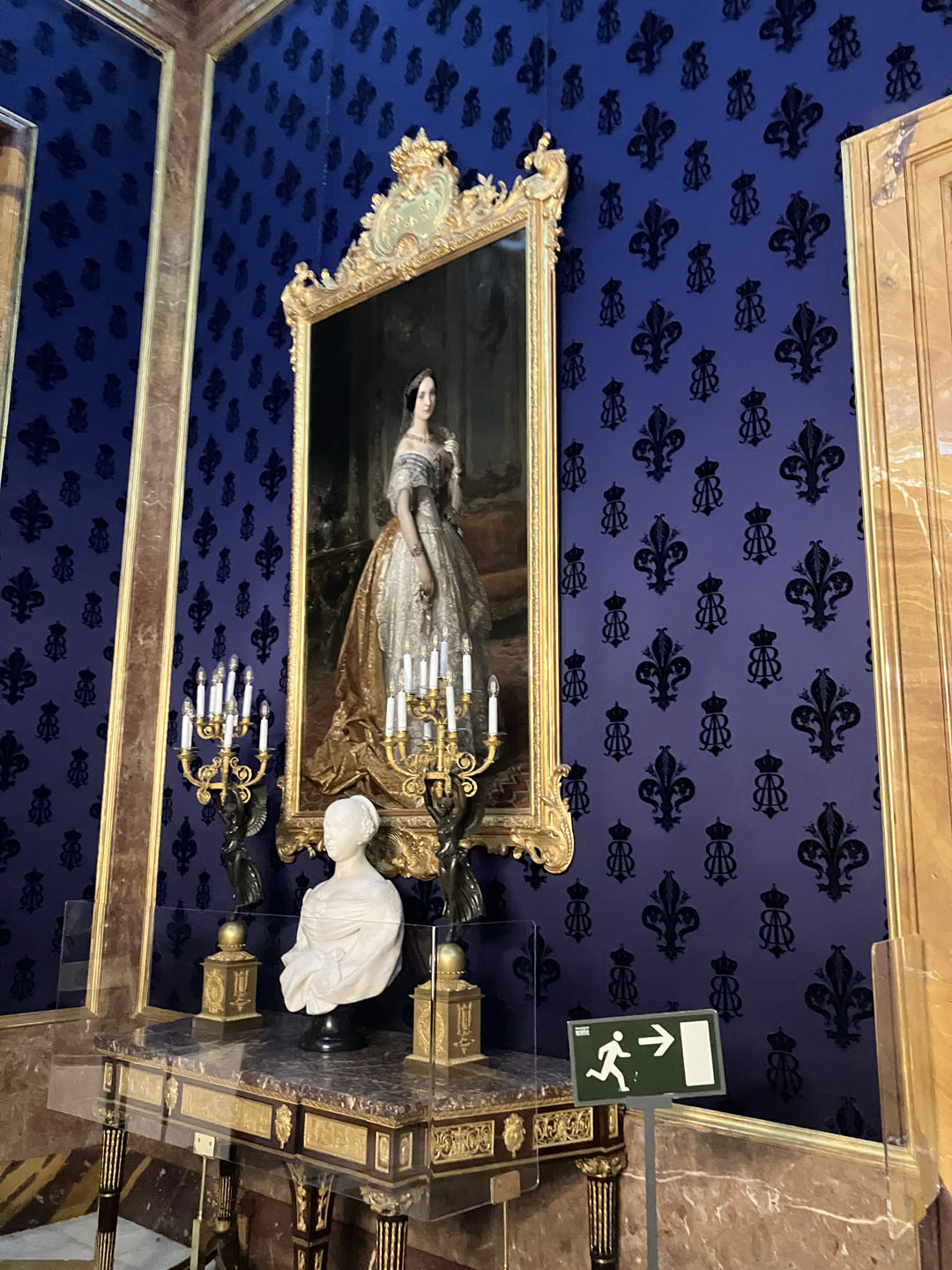
Within the Royal District, unimaginable luxury, richness of materials and the highest mastery of execution in every detail define the Royal Palace of Madrid—the official residence of King Felipe VI, Queen Letizia, and their daughters—Leonor, Princess of Asturias, and Infanta Sofía. The current royal family of Spain belongs to the House of Bourbon and the palace is indeed, an exquisite monument to their ancestors, the Spanish Bourbons who has ruled Spain since 1700, and to the artisans and craftsmen who implemented the royal vision in the countless halls, offices, and chambers of the enormous structure, founded in 1738 in downtown Madrid. Commissioned by King Philip V, and designed by architects Filippo Juvarra and Juan Bautista Sachetti, the palace housed its first resident, King Charles III, in 1764.
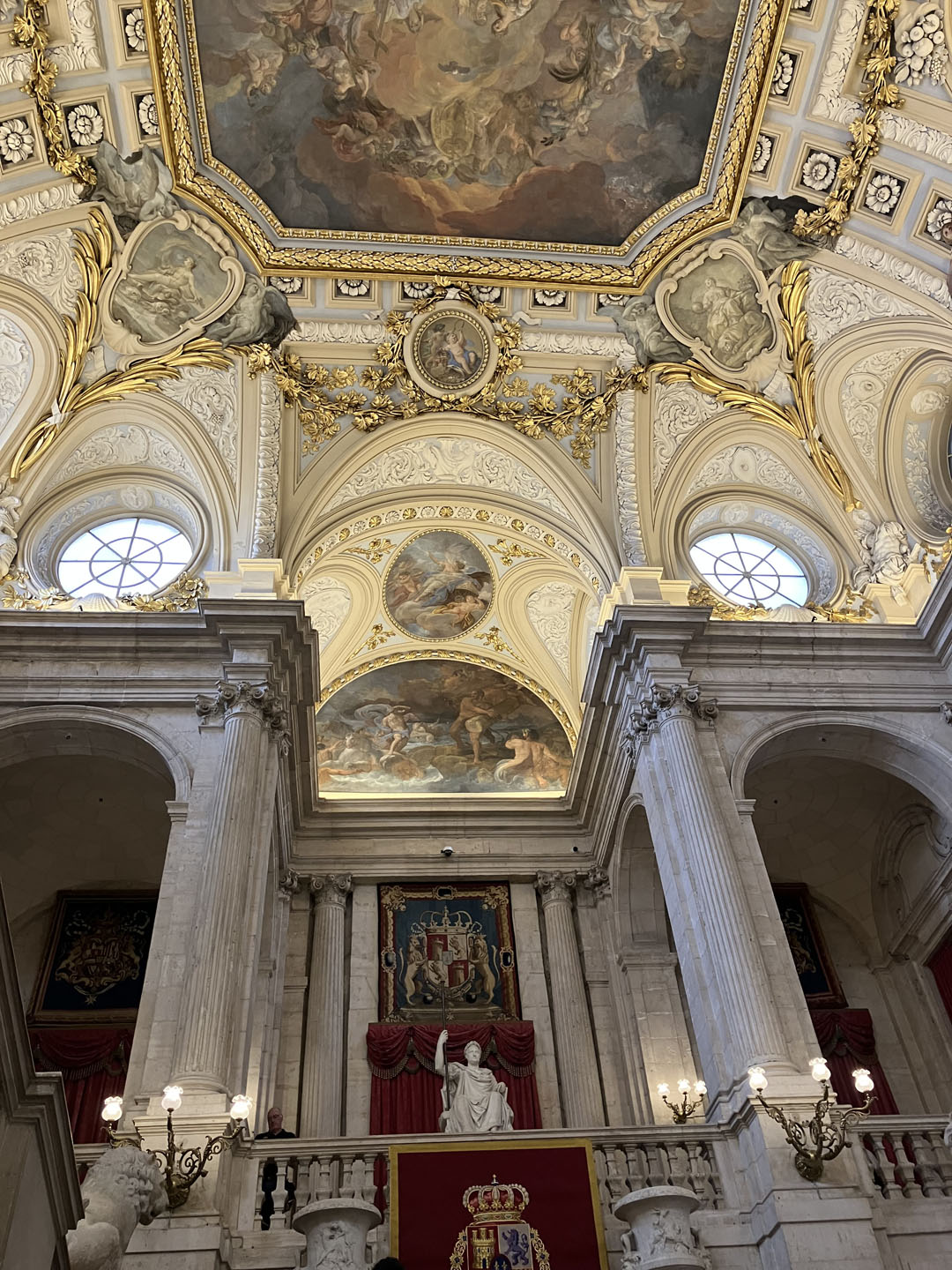
There’s no better way to explore the Royal District, which also includes the comprehensively designed Royal Collections Gallery, inaugurated in 2023, than with an English-speaking guide, knowledgeable in history and art. Mauricio Macarron, who has led historical tours in and around Madrid for more than 30 years, provided our tour group with extensive commentary, mentioning that while the royal family resides in the Palace of Zarzuela on the outskirts of Madrid, the Royal Palace is used for state functions and ceremonies. As a major tourist attraction, it’s open to the public when no official events are taking place here.
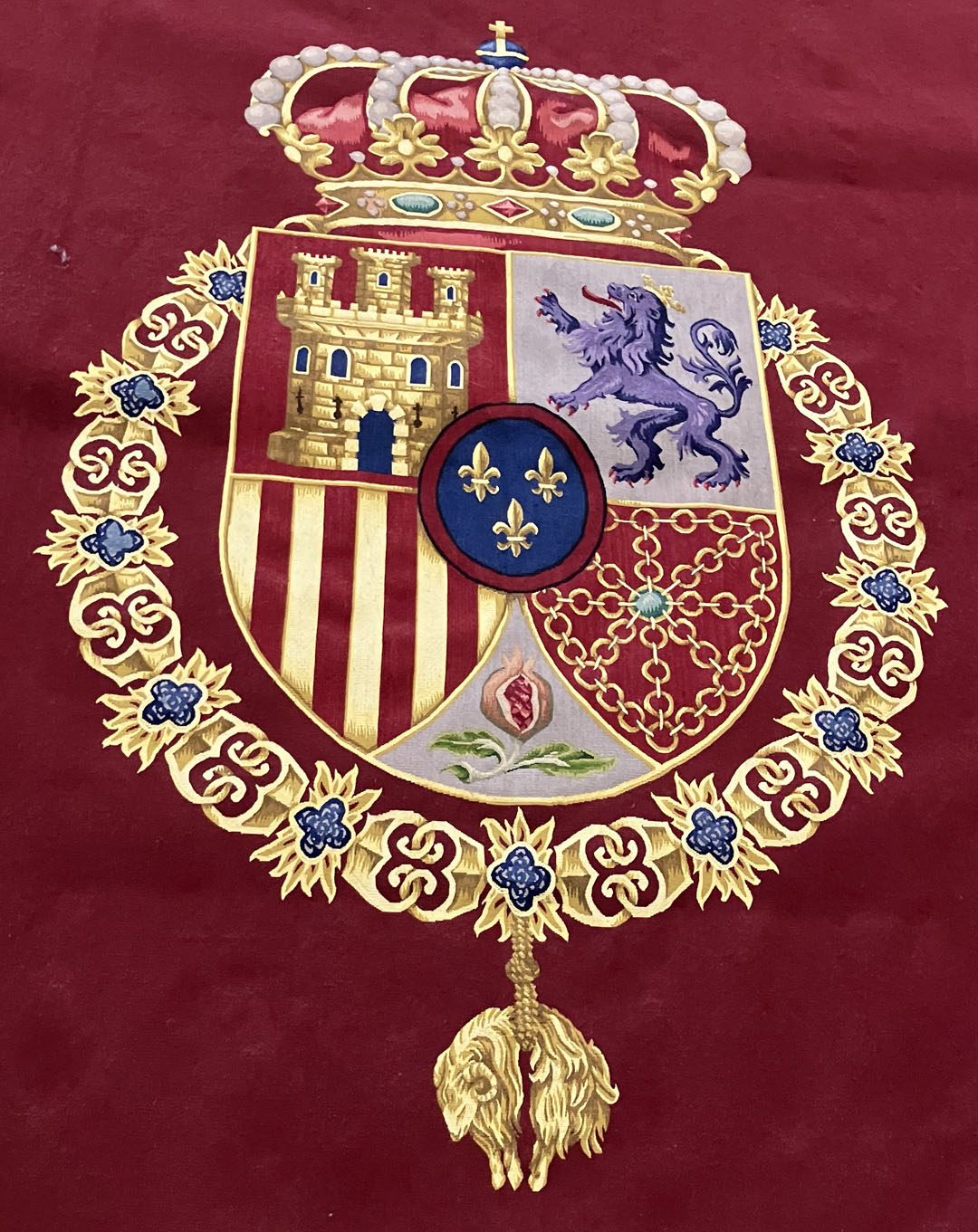
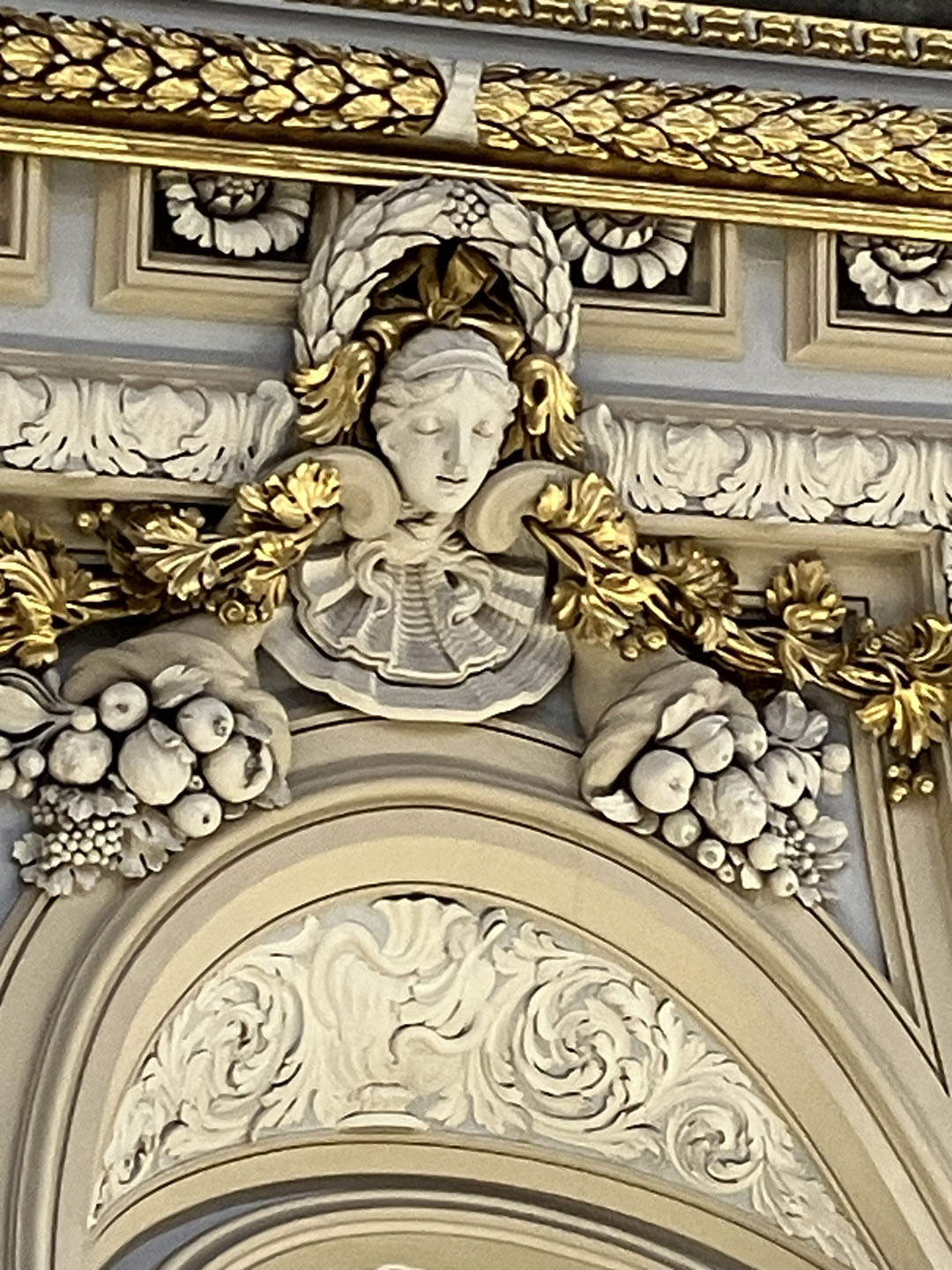
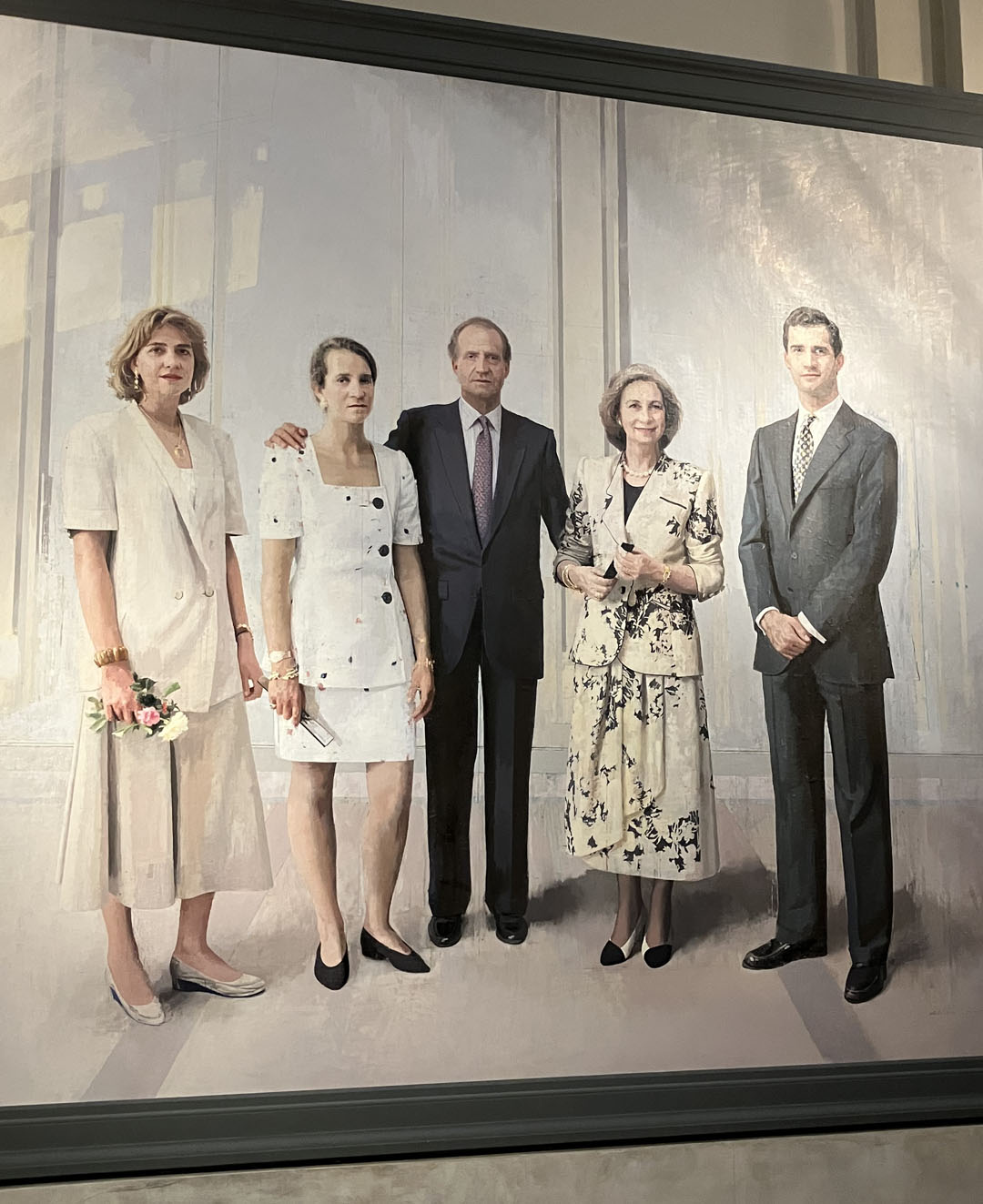
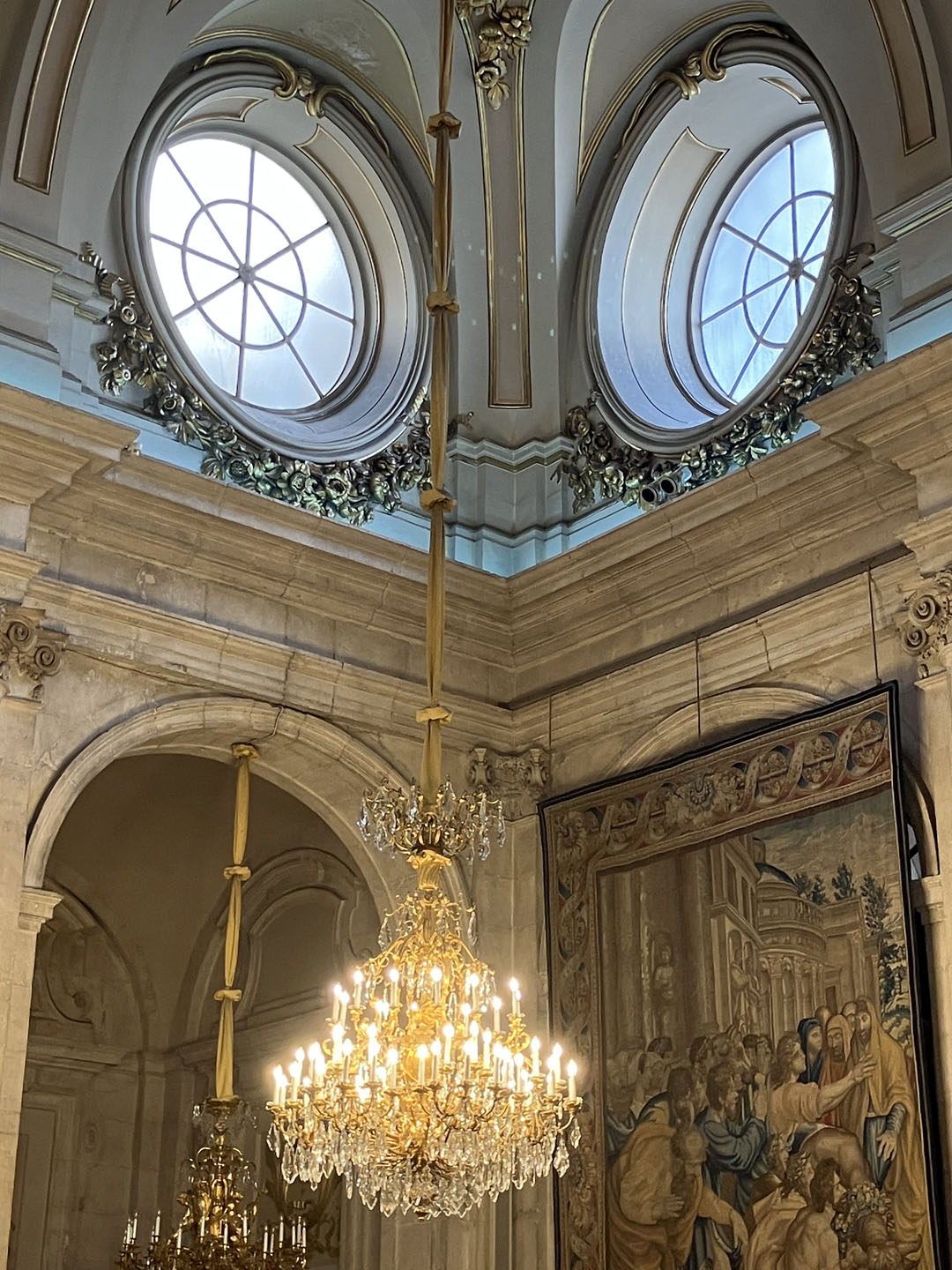
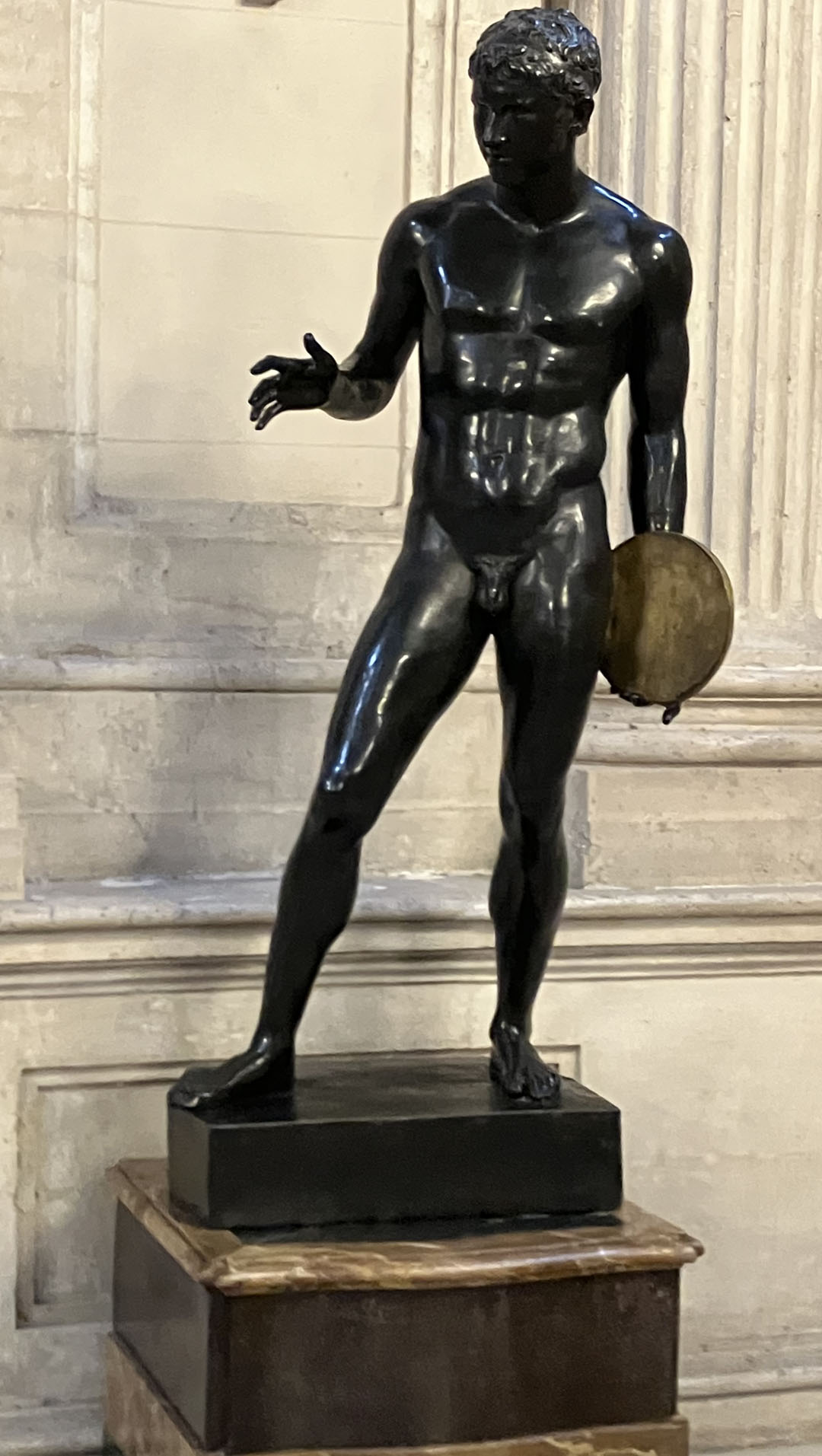
“Now you see the national flag of Spain over the Royal Palace,” said Macarron, pointing to the Rojigualda with a wide yellow band between the two narrower red ones. “When the King is present, the Royal Standard is also raised.” Inside the Palace, we observed the Royal Standard displayed at the Grand Staircase—a crimson square with the coat of arms of the King of Spain in the center. Our guide explained that this is the personal official flag of the King, and the coat of arms on it carries the following symbols: a castle for Castile, a lion for León, red and gold stripes for Aragon, and the golden chains for Navarre. It also includes a pomegranate for Granada at the bottom, and the House of Bourbon fleur-de-lis in the center, with the Royal Crown atop the quartered shield.
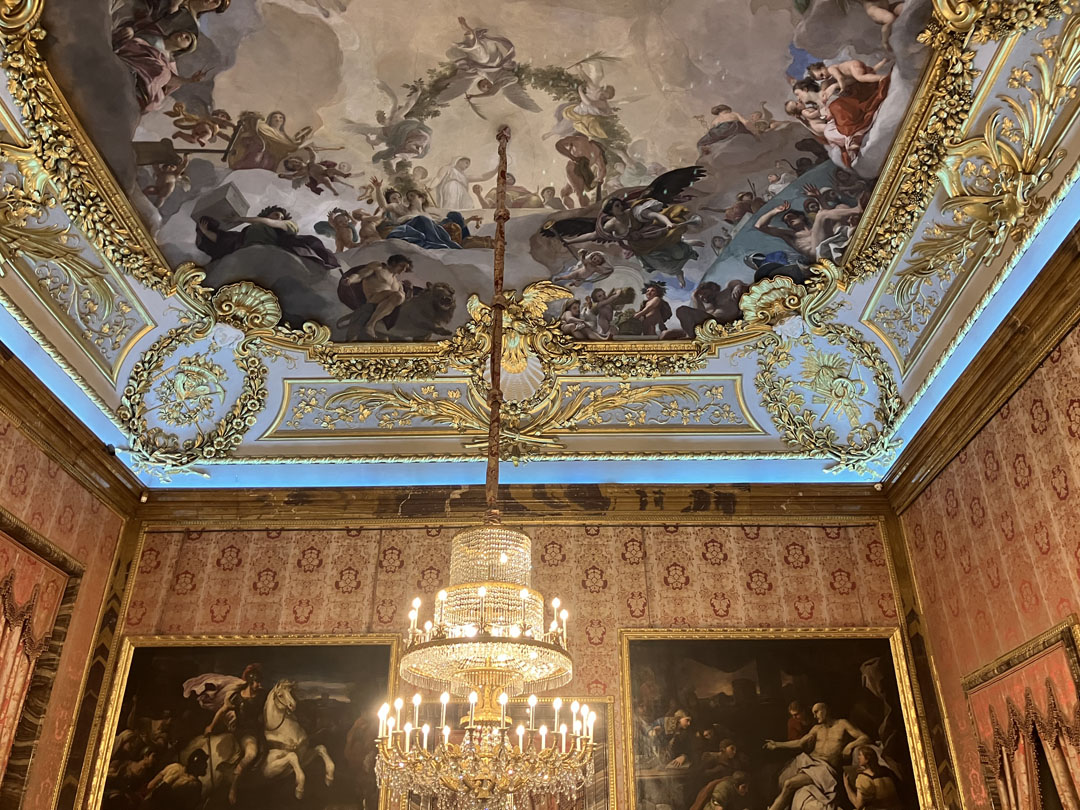
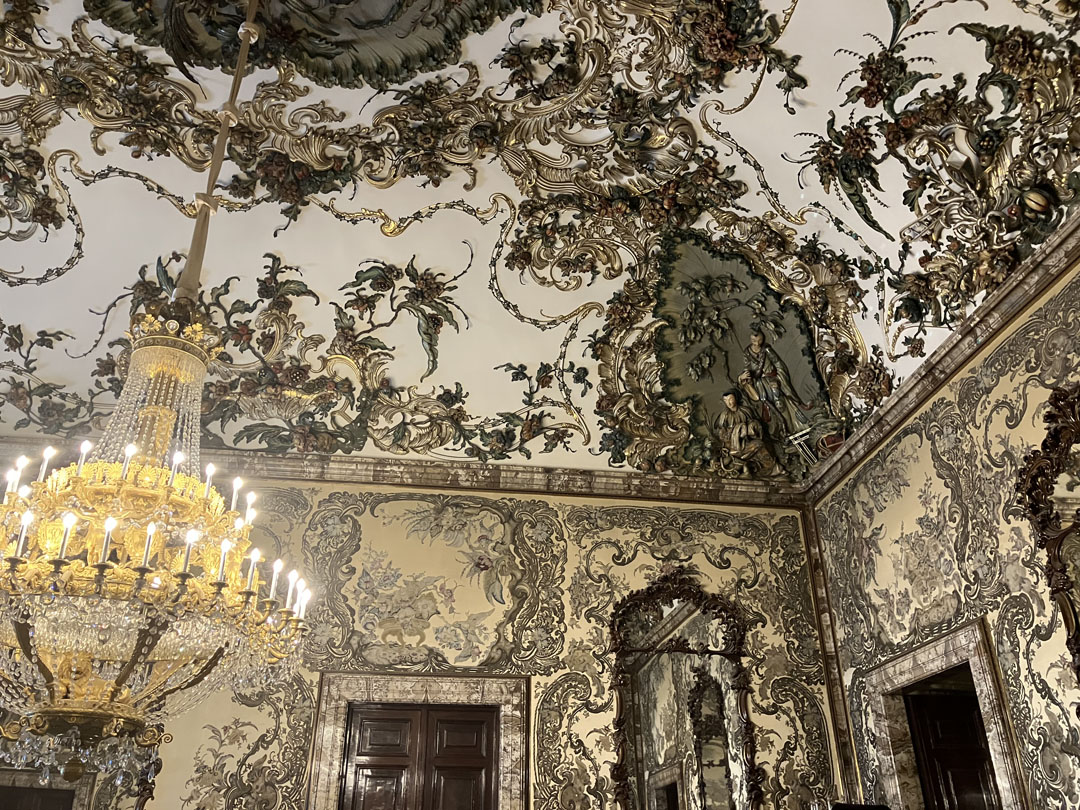
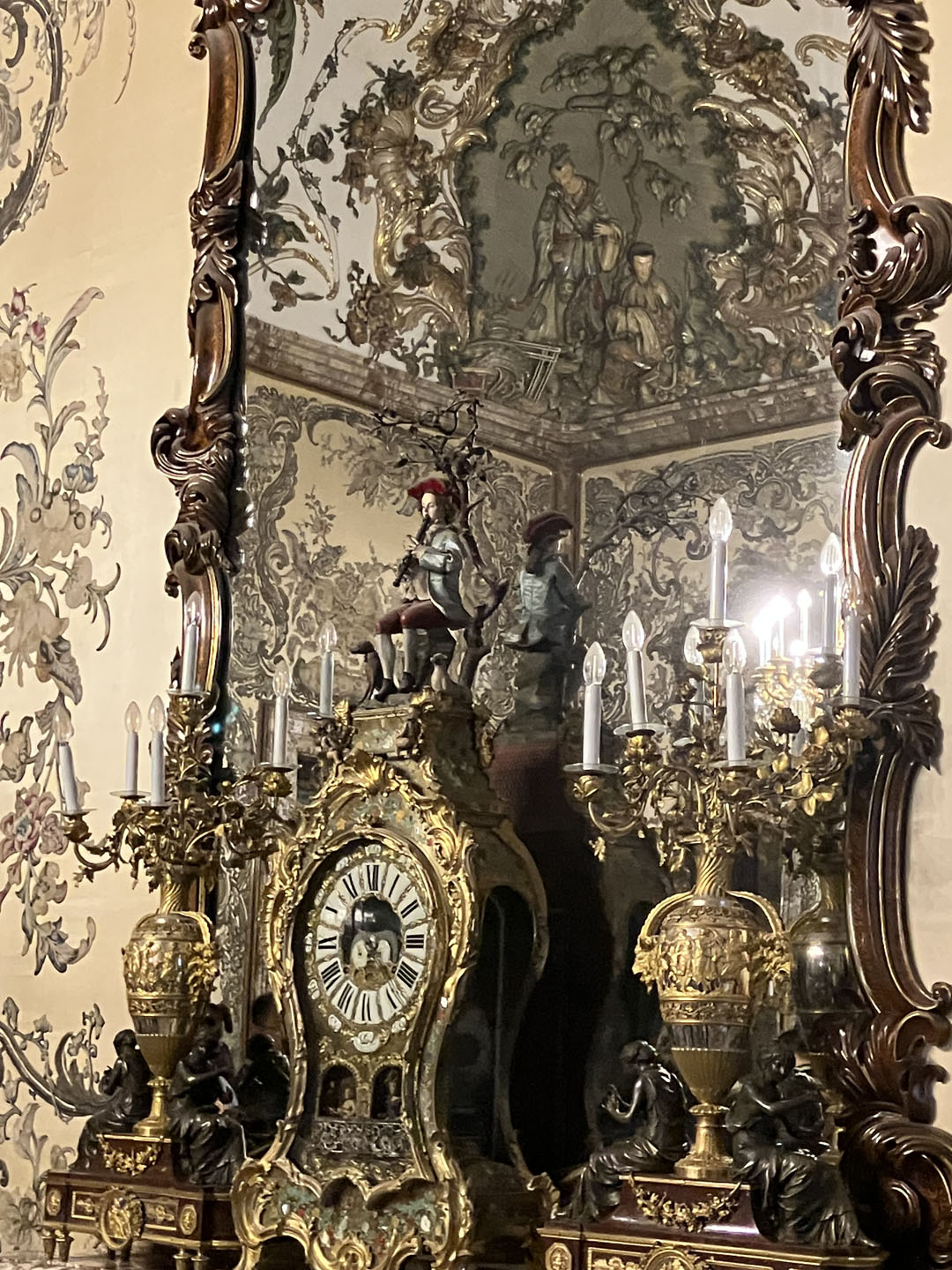
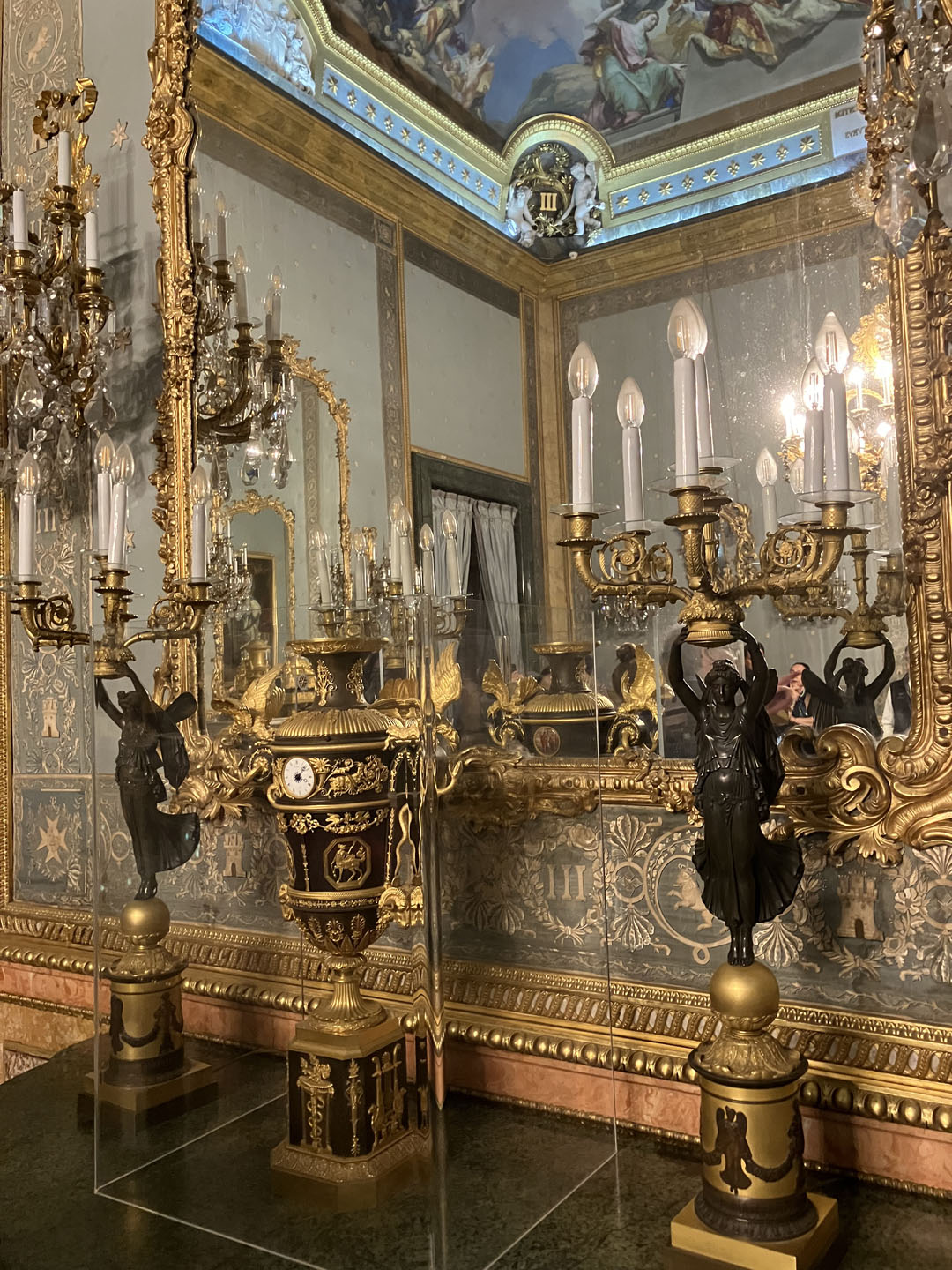
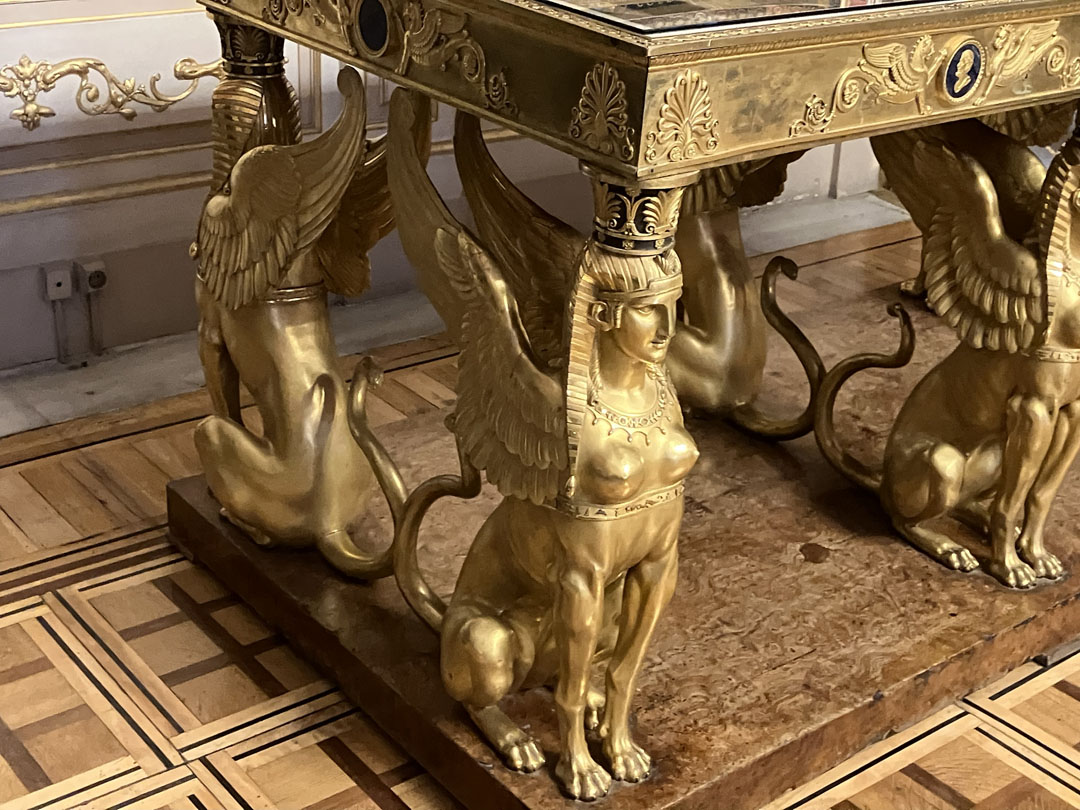
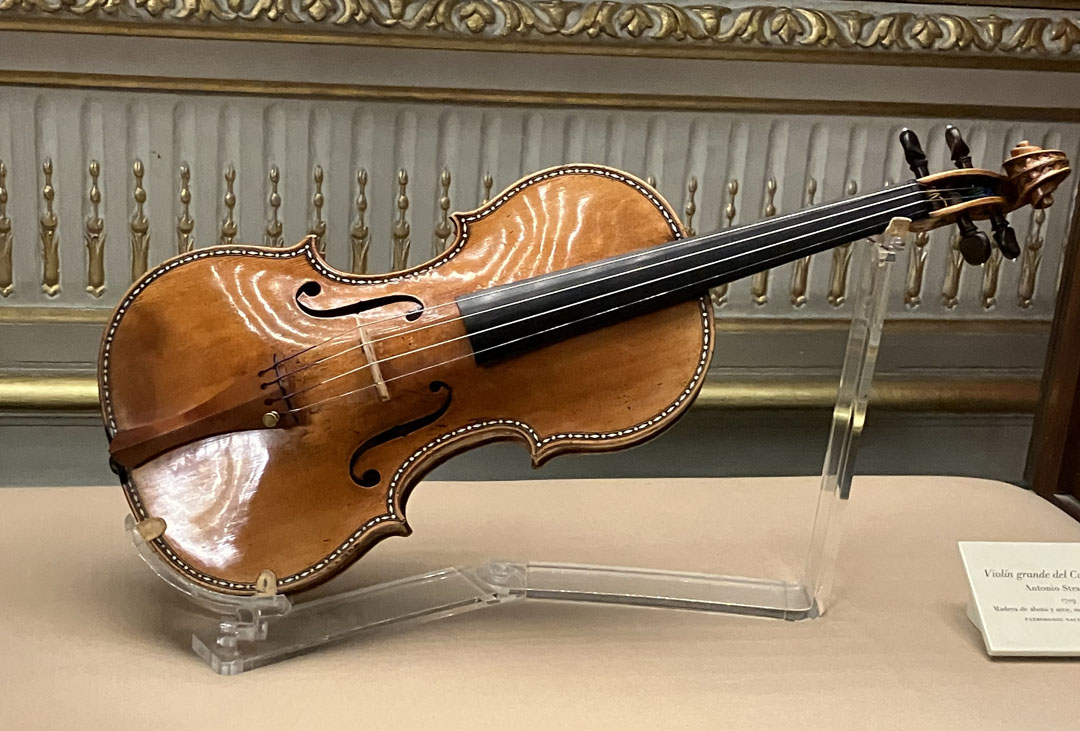
With almost 1.5 million square feet space, and hundreds of richly decorated rooms, the largest royal palace in Europe, and one of the largest in the world is impossible to cover in one visit, but with a guided tour you’re sure not to miss the most important things. Besides plethora of mind-boggling creations of decorative arts from different epochs—mahogany furniture, artisanal porcelain, clocks and statuettes, silverware and jewelry, plus the famed 16th century Royal Armory, within its walls are found the iconic paintings by Goya, Velázquez, Rubens, El Greco, and Caravaggio, and a superior collection of musical instruments, including the only existing complete string quartet by Stradivarius.
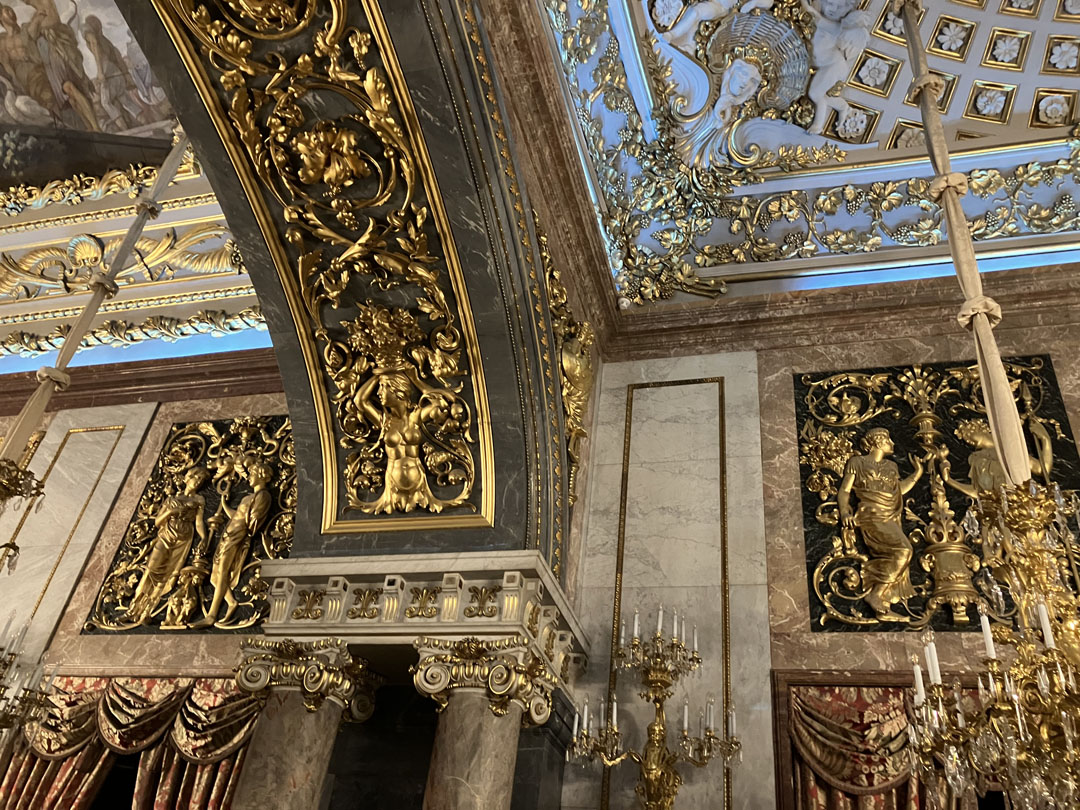
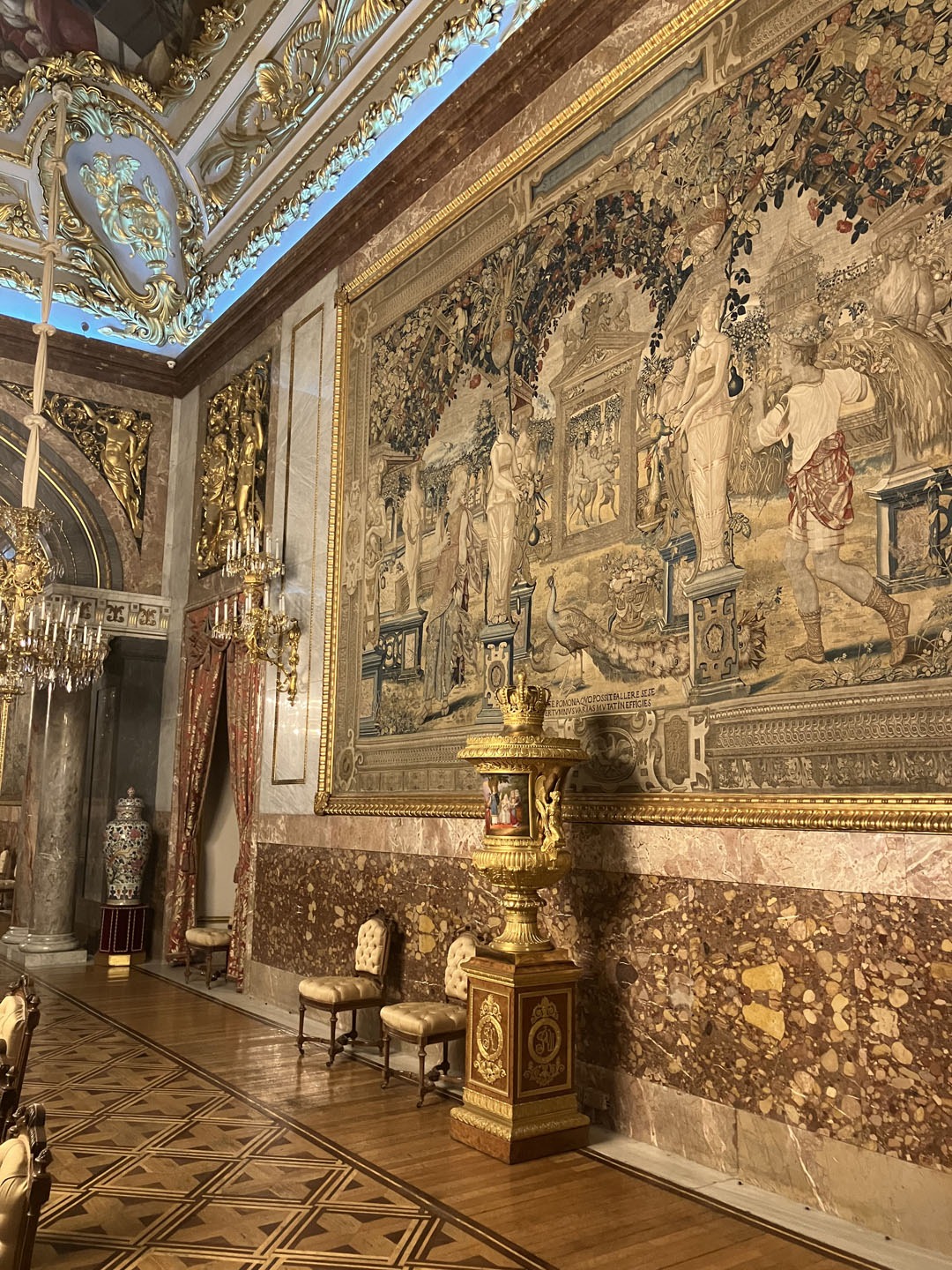
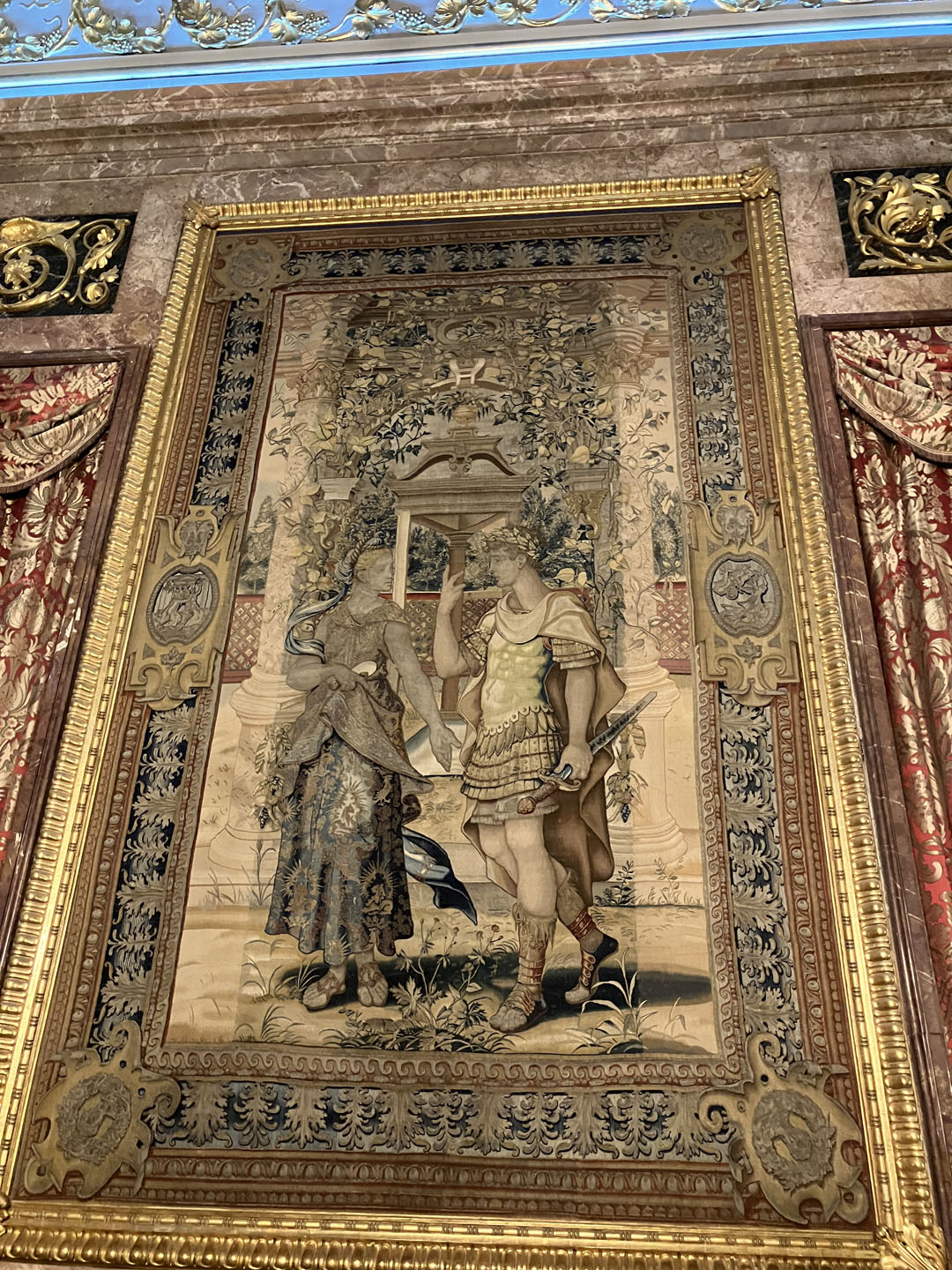
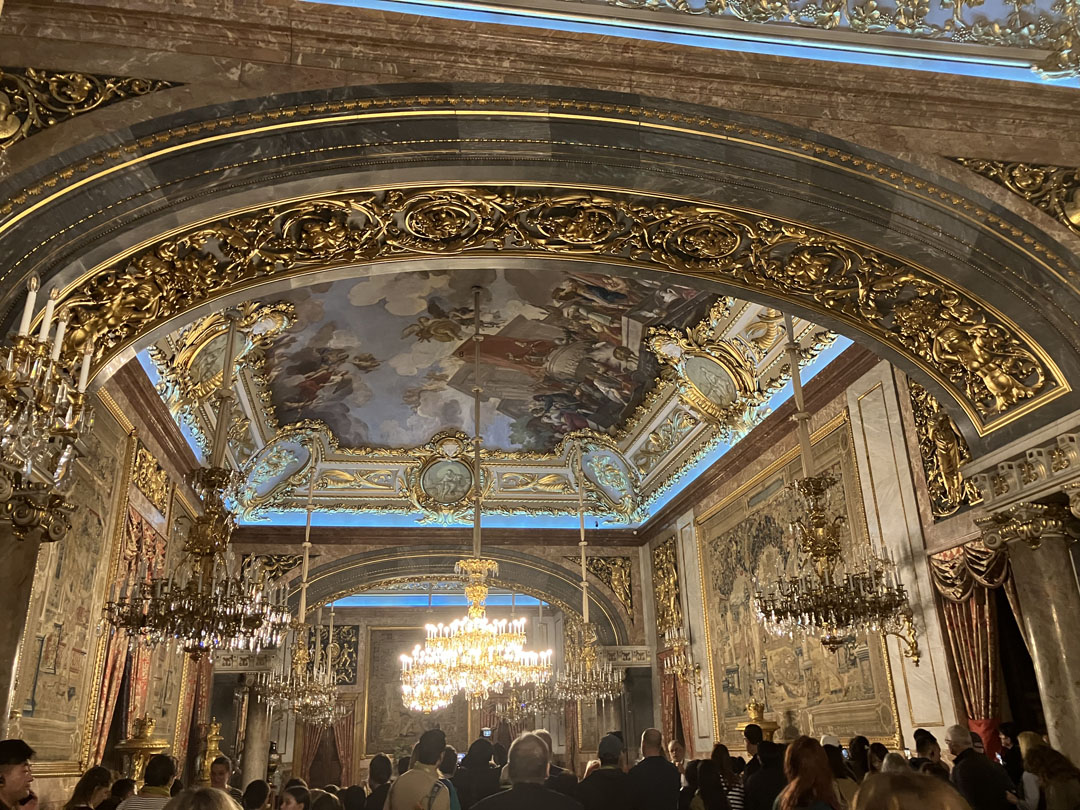
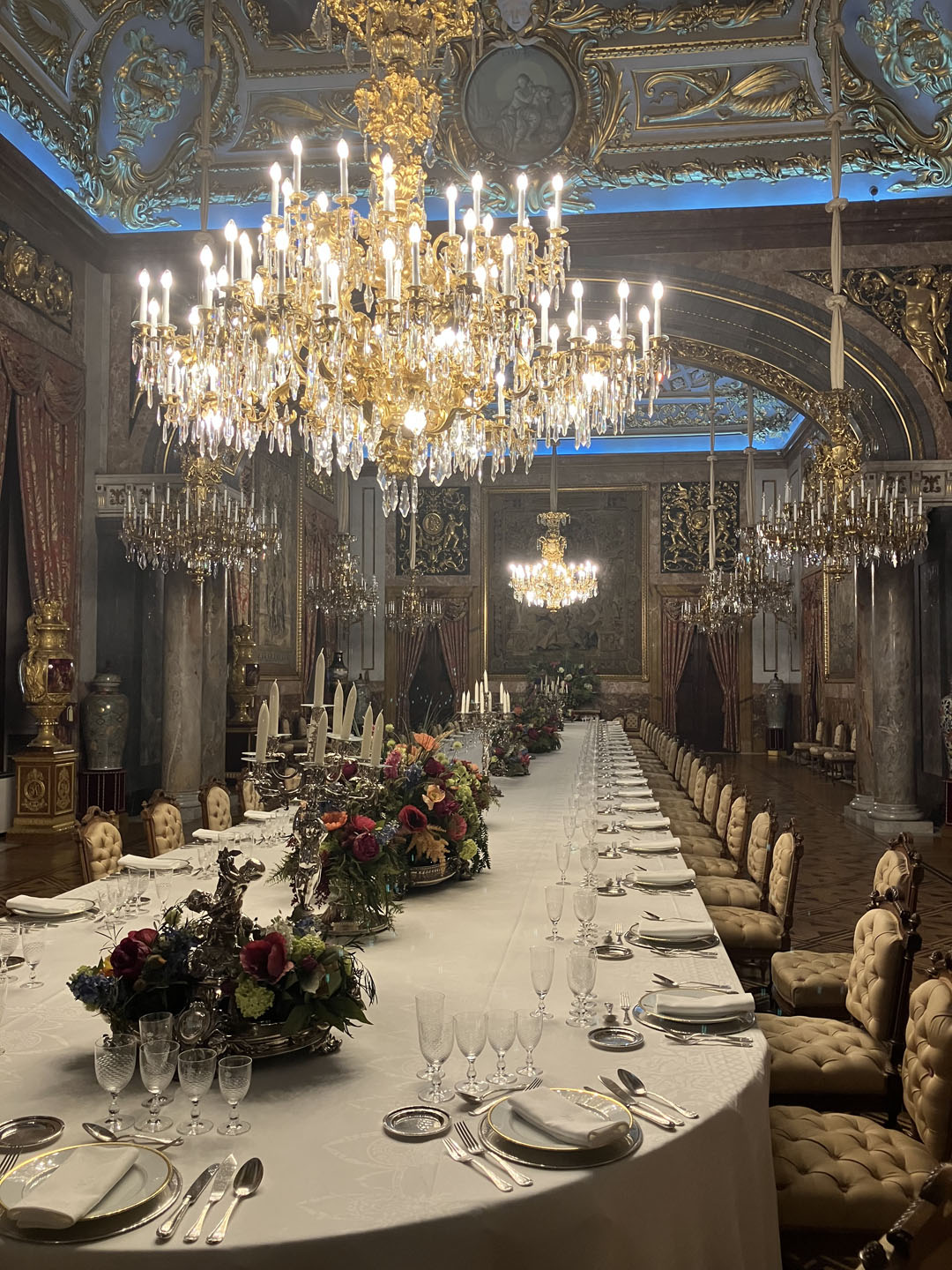
The opulent Banquet Hall, formerly a three-room part of the Queen’s Apartments, was first used for a wedding banquet of Alfonso XII and Maria Cristina of Austria (Habsburg-Lorraine) in 1879. Since then, it has been decorated with precious tapestries by the Brussels weavers, Wilhelm Pannemaker and Georg Wezeler, produced in 1545-50, based on the drawings by Jan Cornelisz Vermeyen. The Flemish Renaissance painter and tapestry designer depicted a popular contemporaneous motif—the love affair of Vertumnus, the god of seasons, and Pomona, the nymph of orchards from Ovid’s Metamorphoses. The Bagnères marble wall panels, precious wood parquet floors, gilded sculptured ceiling, and crystal chandeliers continue to serve as a backdrop for the grand state banquets held in this artful space today.
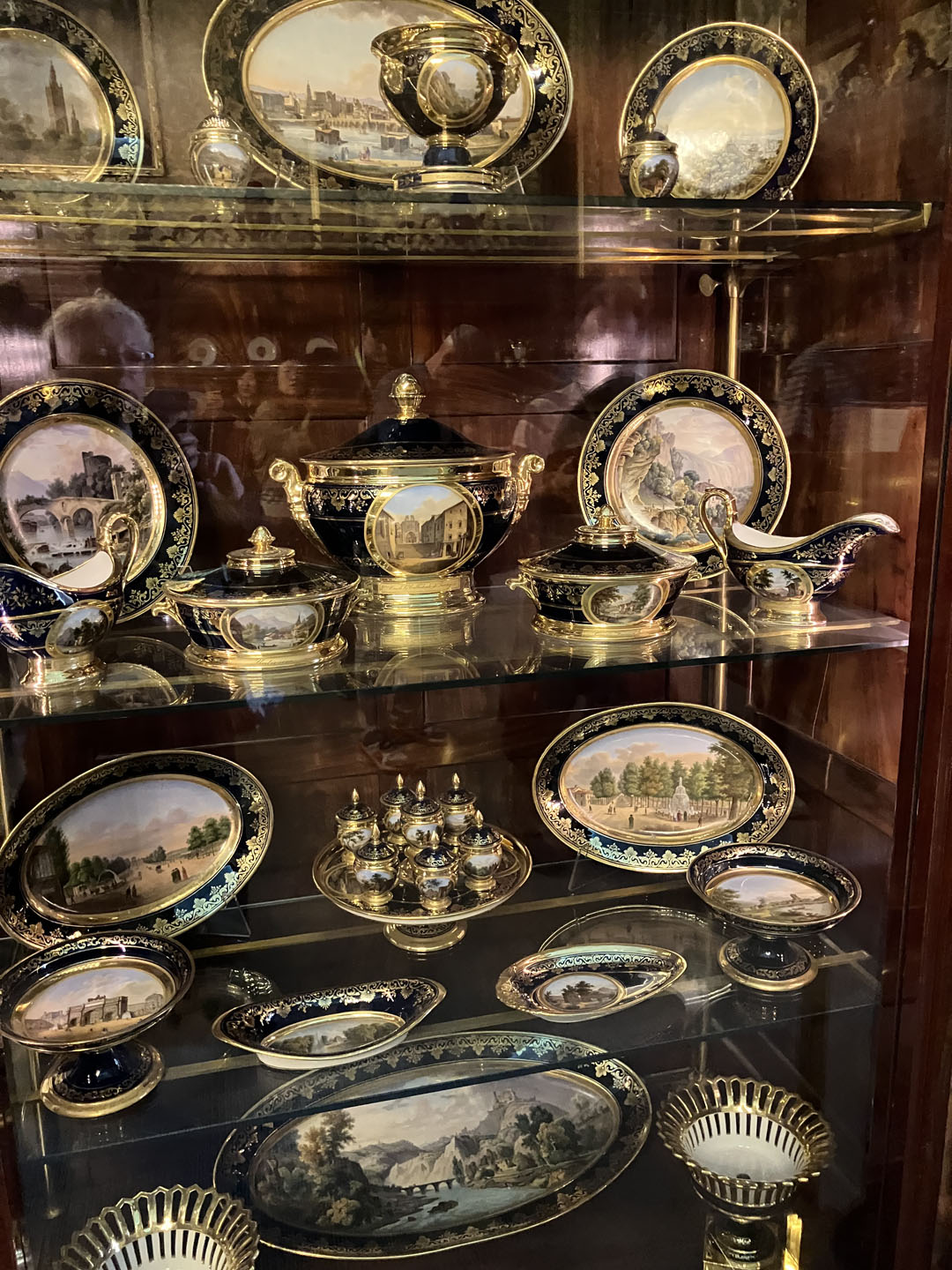
The elaborate Chamber of Charles III a.k.a. Gasparini Room served as an important meeting place at the King’s Apartments where the monarch’s private audiences were held during the dressing ceremony. The overwhelmingly whimsical Rococo design by Mattia Gasparini with patterned hardstone floor and flowering vines meandering throughout the walls and ceiling couldn’t even be accomplished in Charles III’s lifetime. The room in its entirety was finished only in 1815, under Ferdinand VII.
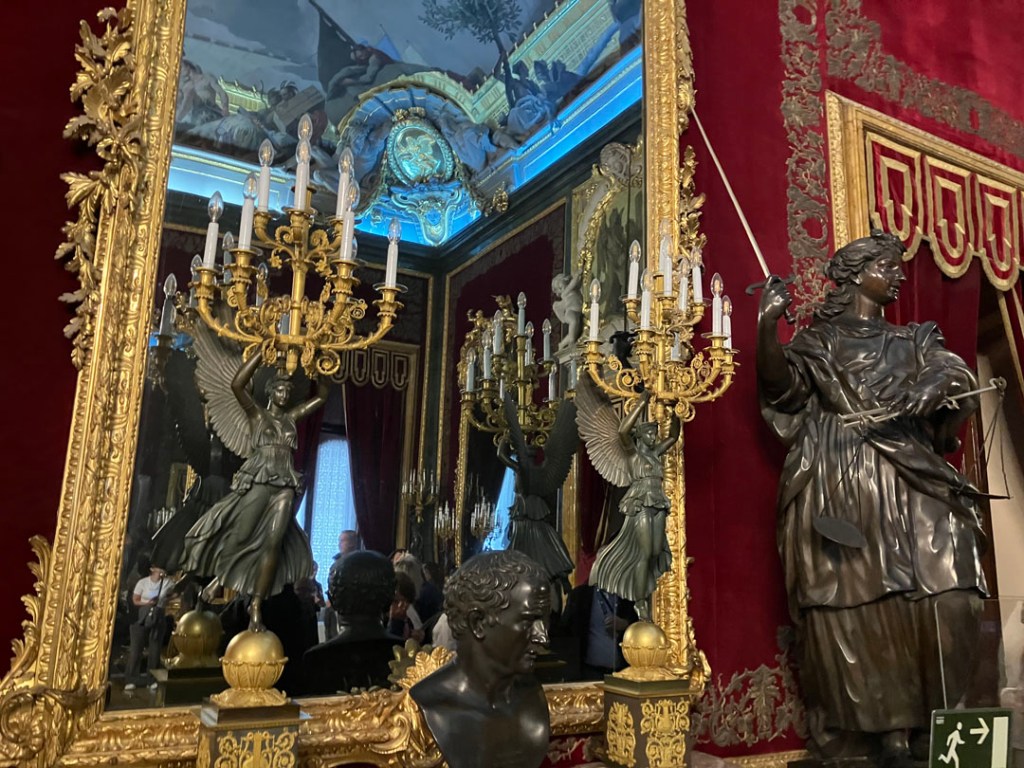
The intensely red Throne Room, completed in 1772, designed by Giovanni Battista Sacchetti, represents the glory of the Spanish crown in the most indisputable manner. The late-Baroque ceiling fresco, painted by Giovanni Battista Tiepolo, and titled The Apotheosis of the Spanish Monarchy depicts the allegory of Spain surrounded by various coats of arms, flags, and mythological figures that stand for the kingdom’s provinces and the historical conquests on other continents. Two red Genoese red velvet thrones, framed with gold leaf molding are guarded by four golden replicas of Medici lions, each stepping on a marble sphere symbolizing the world power. Black and white marble statues include busts of Roman emperors, ancient Greco-Roman gods, a set of four Cardinal Virtues— prudence, justice, fortitude, and temperance, and an array of smaller-format angels. Twelve massive gold-framed mirrors, floor carpets with patterns of Spain’s national colors and symbols, heavy velvet draperies, bronze chandeliers covered with rock crystals—everything in the Throne Room is majestic, stupendous, and thoroughly impressive for the throngs of international commoners, crowded eight-deep behind the velvet ropes that separate them from the Spanish royal splendor.
Private tours of the Royal Palace of Madrid are offered by Patrimonio Nacional, “the Spanish government agency that manages the country’s historical, artistic and cultural heritage, including royal sites, palaces, forests, parks, gardens, and collections. Its mission is to preserve the heritage while making it available to the public for cultural, scientific, and educational purposes, and to support the Head of State in the fulfilment of his representative duties under the Spanish Constitution.” To learn more visit https://www.patrimonionacional.es/. To book private tours and events, contact departamentomuseos@patrimonionacional.es.
The Royal Collections Gallery
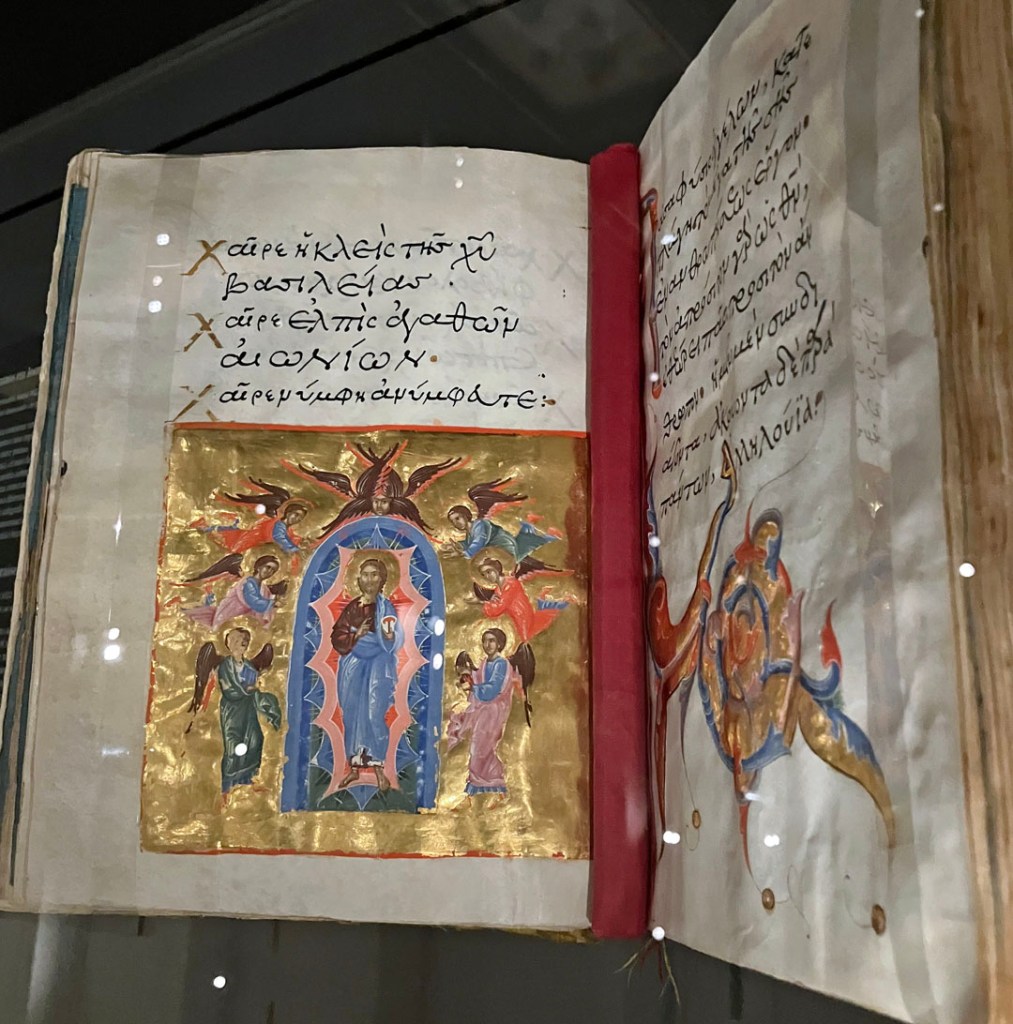
With the massive amounts of priceless artifacts, accumulated over the centuries by the Spanish crown, it’s obvious that even the largest of palaces wouldn’t be able to contain most of them. The new Royal Collections Gallery, right next to the Royal Palace, houses rotating exhibitions of paintings, sculpture, tapestries, arms and armor, furniture, bronze, porcelain, glassware items, embroidery, books, fans, photographs and other artworks from the highest-skilled artisans of every time period.
“The Royal Collections Gallery stands as a testament to Spain’s rich artistic and cultural heritage,” states Patrimonio Nacional in its richly printed catalog. “The gallery displays more than 650 pieces chosen from among the 170 000 items that comprise the royal collections, attesting to their wealth and diversity.”
The majority of the artworks on display were kept in storage at the various royal sites, and haven’t been exhibited anywhere. Thanks to this gorgeous new gallery space, visitors to the Royal Palace can now easily add it to their Madrid itinerary.
The multiple award-winning building with reinforced concrete columns and granite exterior, was designed by the contemporary architects Emilio Tuñón Álvarez and Luis Moreno Mansilla with the goal to harmoniously add it to the ensemble of the Royal Palace, Almudena Cathedral, Plaza de la Armería, and the surrounding Neoclassical parks and gardens, not to contrast with their formal layouts, symmetry, and a regal, orderly look.
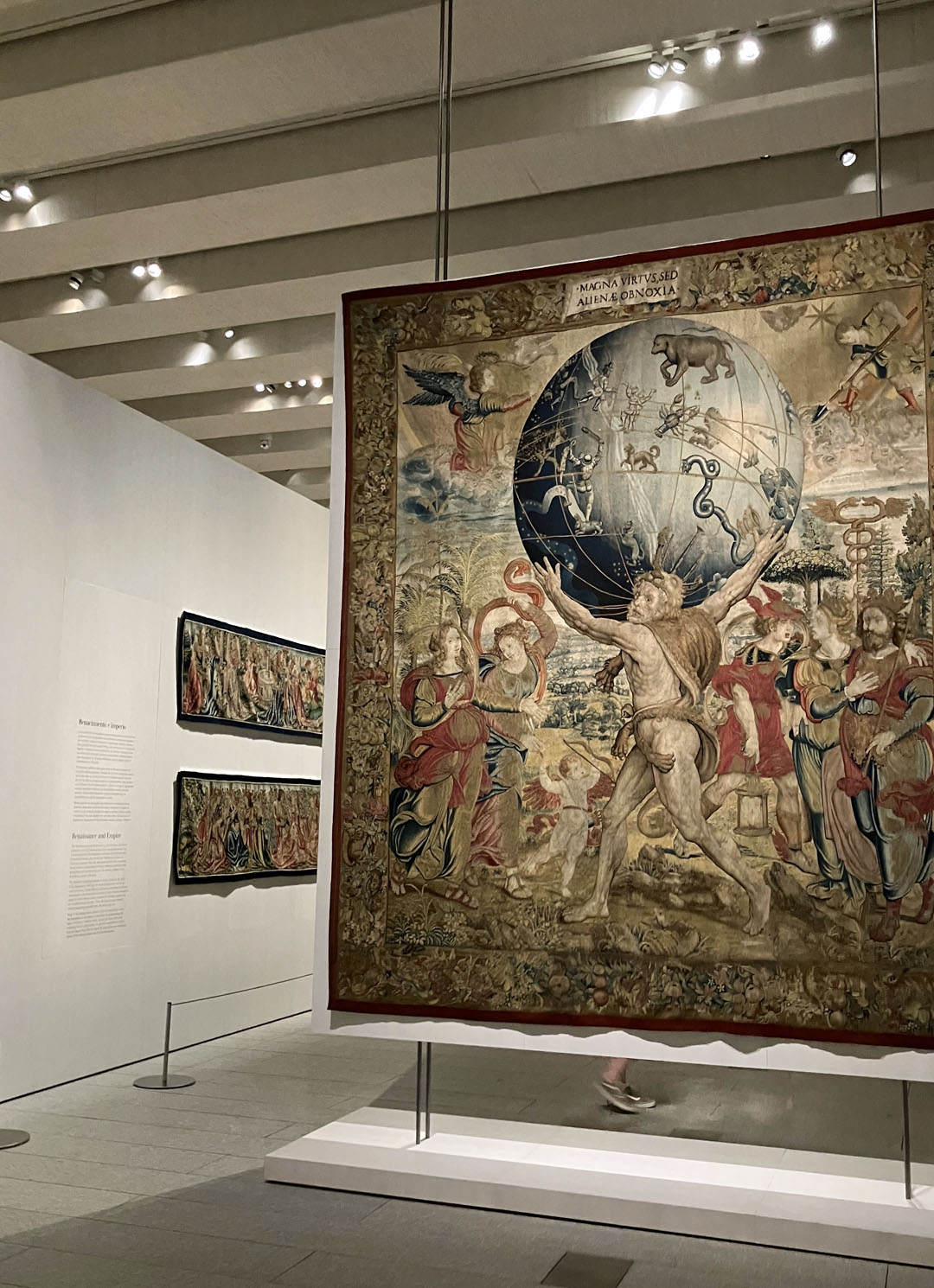
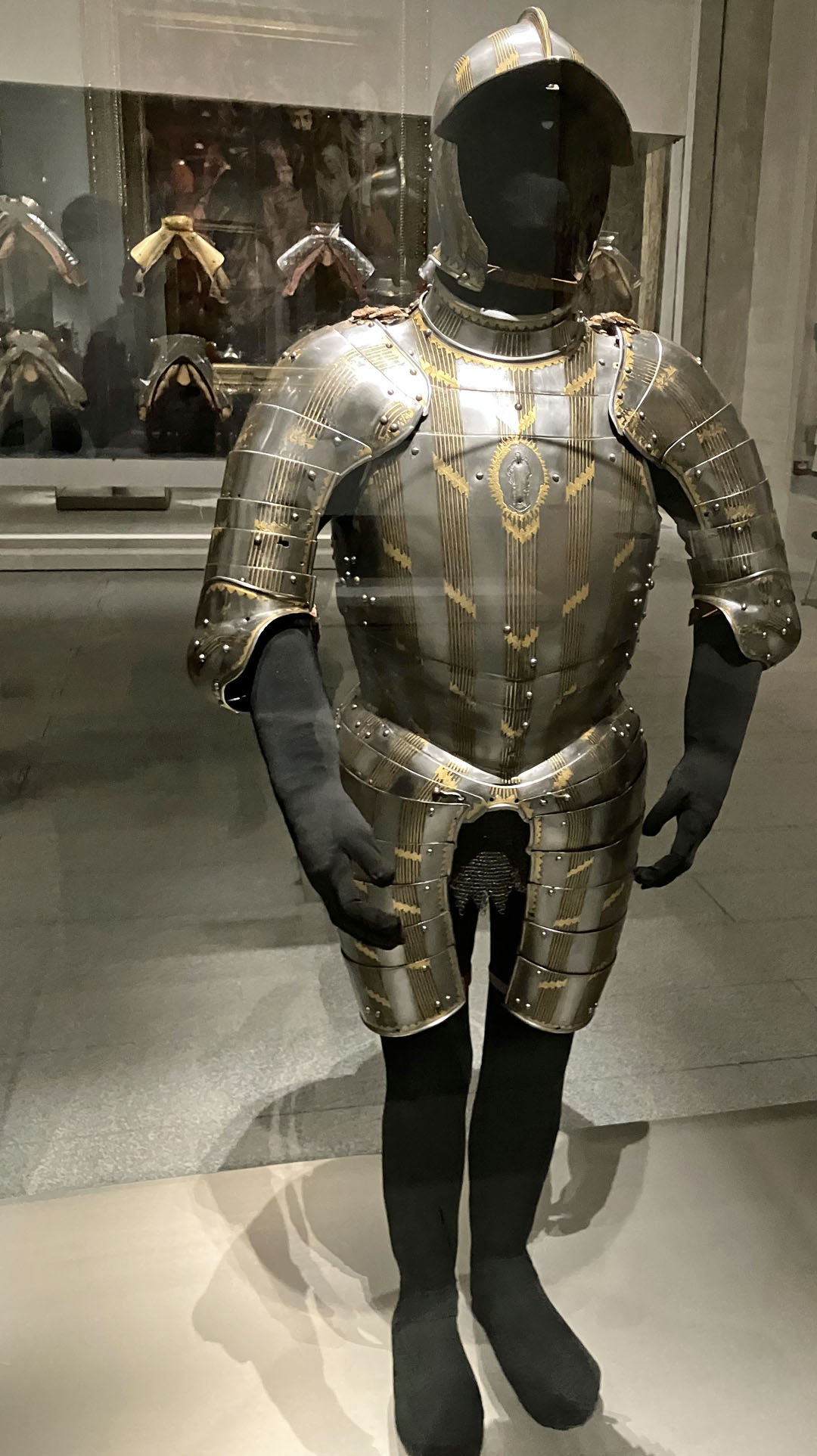
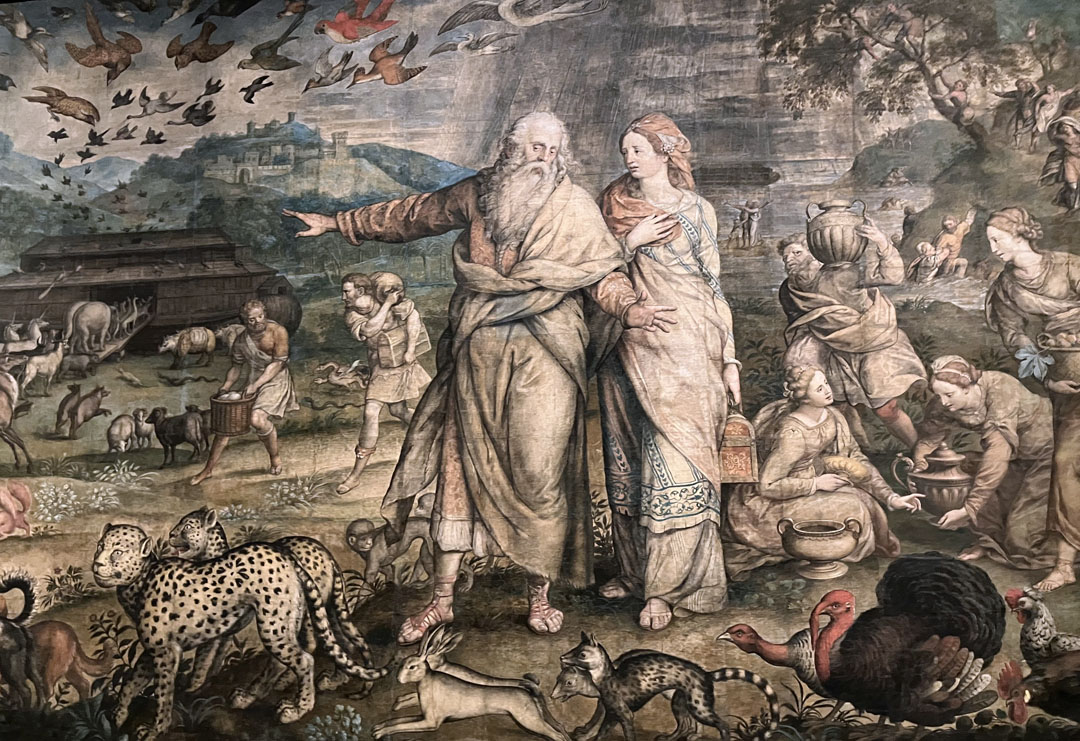
Spacious, high-ceilinged, and full of natural light, the structure’s interior is welcoming and comfortable for visitors, no matter how many of them roam the galleries. Due to its sheer size, the facility allows for a thoughtful, slow-pace observation of the objects on display. There are three main exhibition halls, each located on a separate level, and easily accessible via elevators.
Gallery A, on Level 1, is dedicated to the history and collections of the Habsburgs, who ruled Spain from 1516 to 1700, starting with Charles I and his son, Philip II, and ending with Charles II, whose poor health and inability to produce an heir ended the dynasty. Known as the “House of Austria,” the Habsburg dynasty contributed to uniting Spain through royal marriages and land holdings in Europe, Asia, and the Americas. The military and economic proliferation of the mighty empire led to the so-called, “Spanish Golden Age” abundantly presented in Gallery A in a succession of halls, filled with outstanding artifacts.
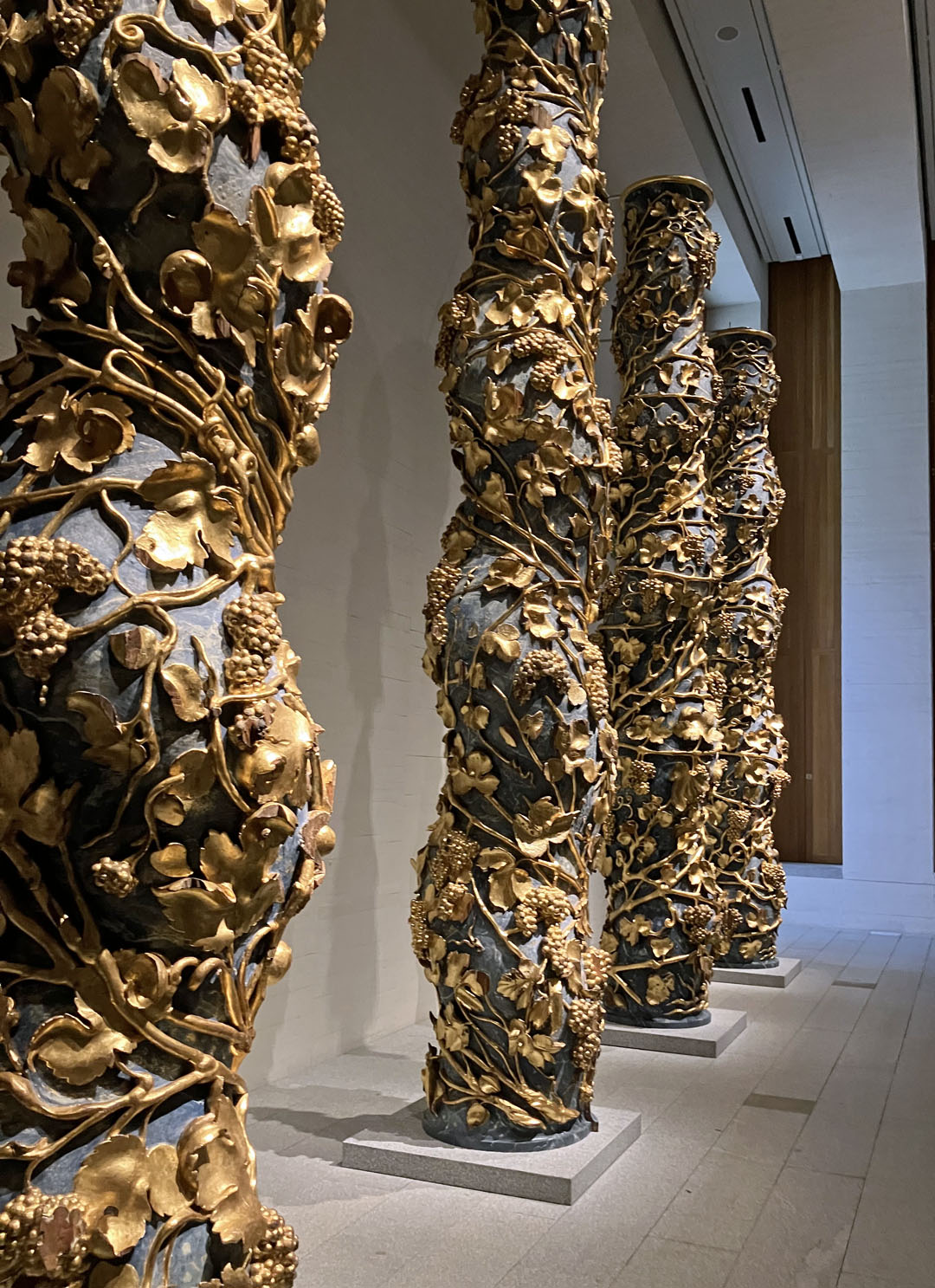
A striking piece (or four) of fantastic architectural prowess greets visitors right at the Gallery A entrance. Tall, black, twisted into spirals, and wrapped in gold-leaf grape vines, four monumental Baroque columns used to be part of the church altarpiece at the Montserrat Hospital in Madrid, built in 1678 and demolished in 1903. 16 feet high each, they are constructed from eight pine trunks sourced from the Valsaín forests in Segovia. These columns are called “Solomonic” because they feature the iconic corkscrew shafts inspired by the legendary prototypes from King Solomon’s Temple in ancient Jerusalem, and in the 1620s-1630s replicated by Gian Lorenzo Bernini in St. Peter’s Basilica in Vatican City.
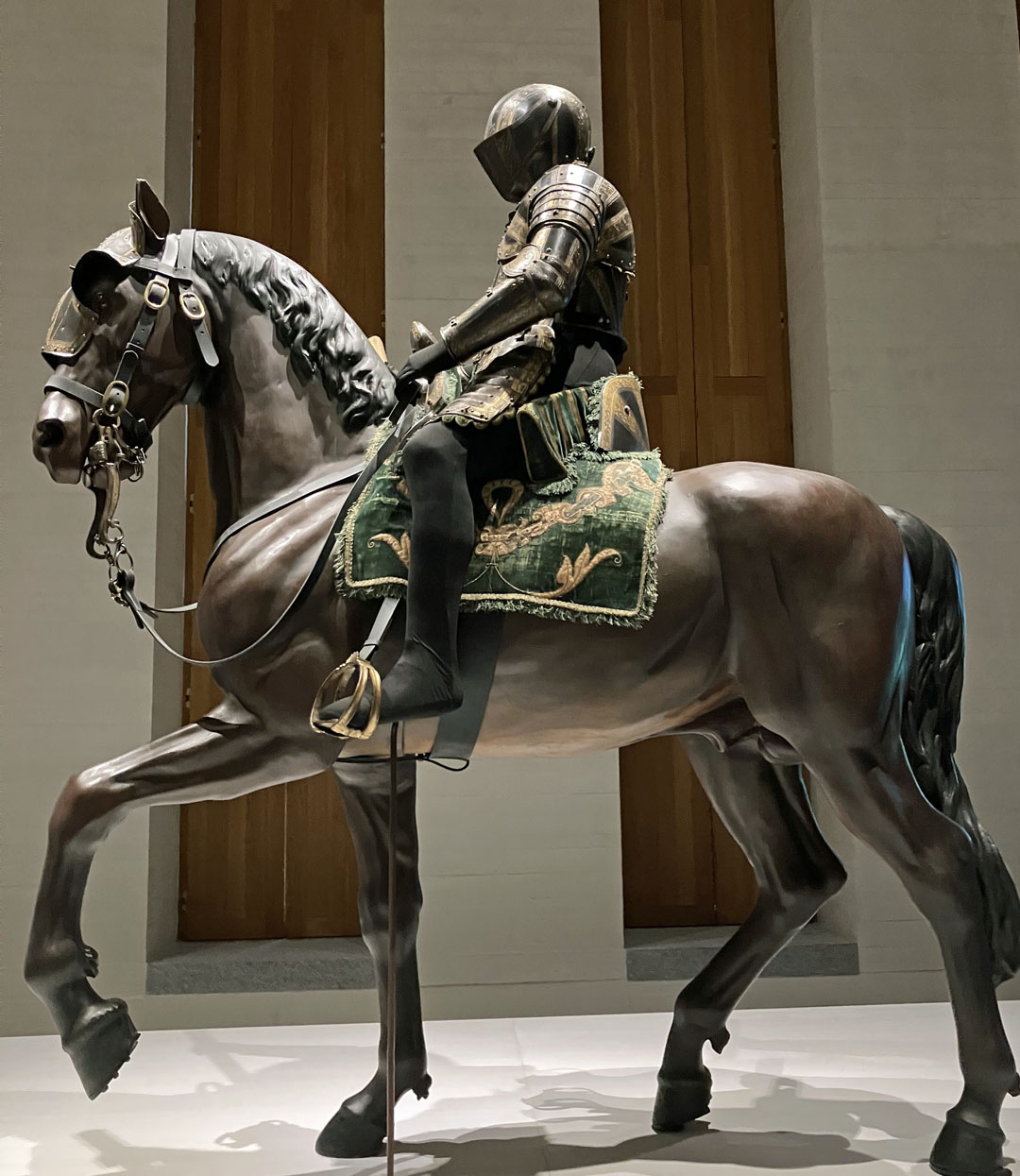
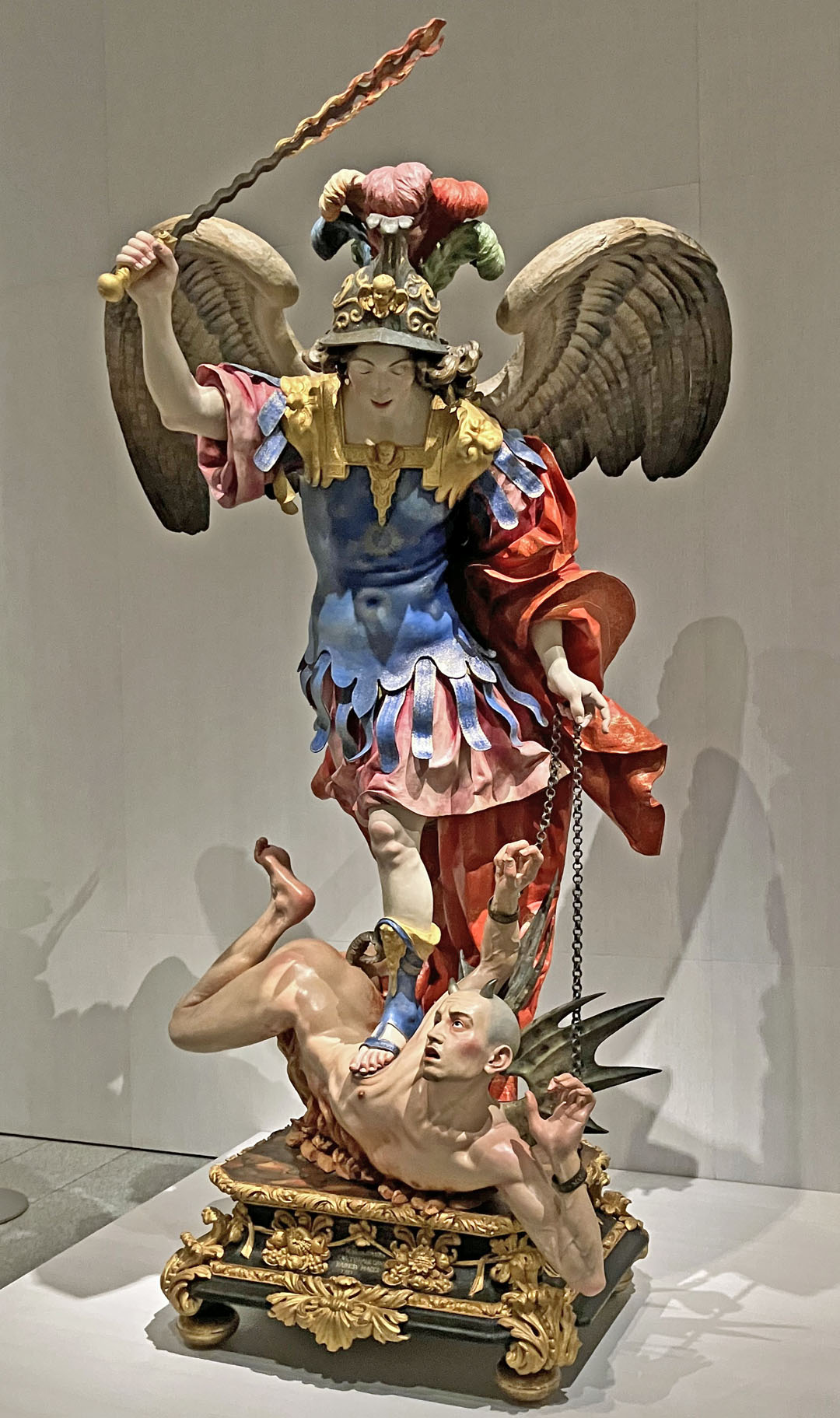

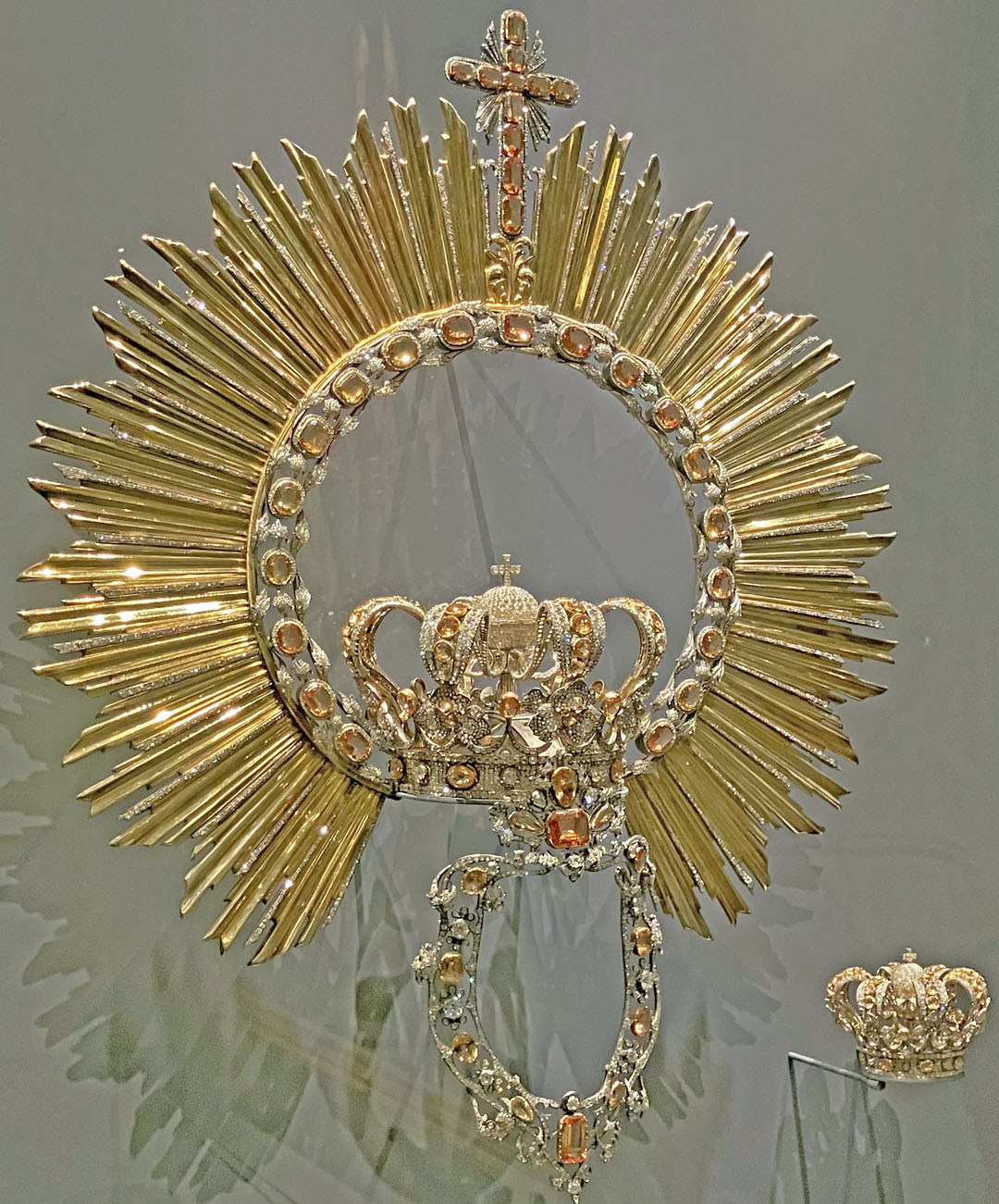
These imposing columns immediately hint at the grandiosity and significance of the royal treasures you’re about to see—portraits of the rulers, painted by the greatest artists of their time; extensive tapestry collections from each and every Habsburg monarch, often depicting sacred or moralizing themes; unique, richly illustrated and gilded leather-bound books, and even full-size carriages, equestrian statues, and fountains.
A section of the Habsburg Gallery that talks about Philip IV, a known patron of the arts and supporter of artists, generously displays an array of world-famous works by Rubens, Bernini, Velázquez, Jusepe de Ribera, and Caravaggio.
The death of Charles II, the last Habsburg king of Spain, in 1700, led to the War of the Spanish Succession as rival European powers vied for the throne, and the ascension of Philip V of the Bourbon dynasty.
In a separate glass-walled area on Level 1 you can see the archaeological find of the ninth-century city wall from the time when Madrid had been founded. The historic ruins were discovered during the construction of the gallery building, and, when unearthed, found their rightful place inside the new building as part of the historical display.
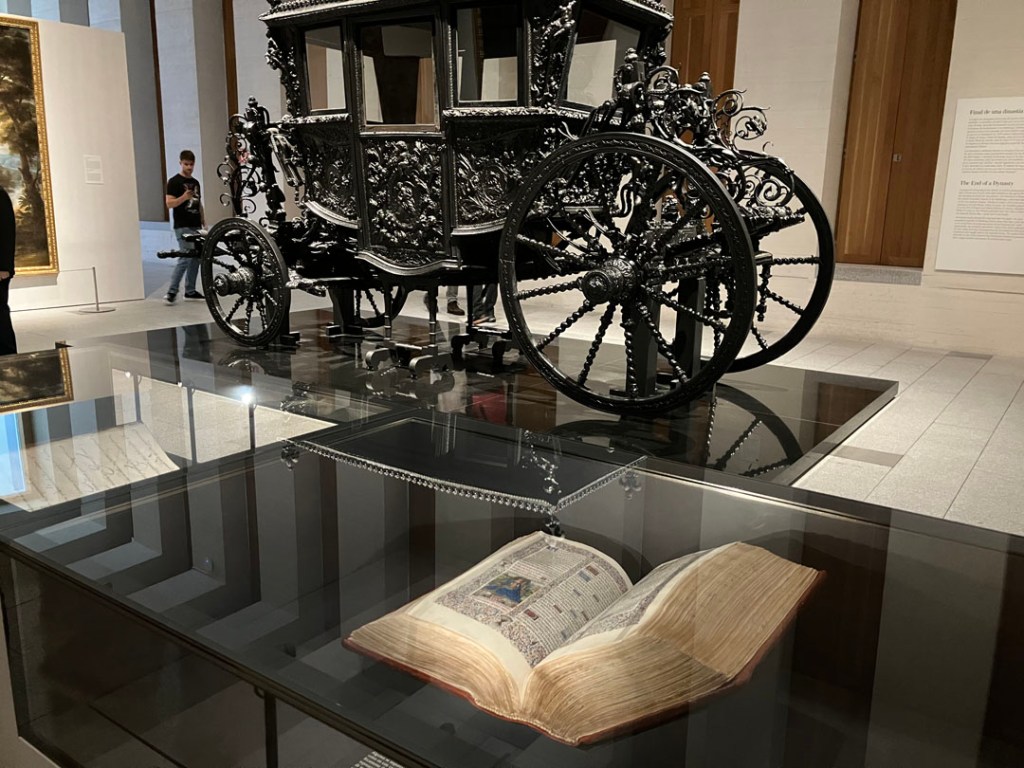
Gallery B, on Level 2 is all about the House of Bourbons, vividly demonstrating their preference for luxury of silks, embroideries and rich ornamentation in completely renovated furnishings and décor, as opposed to Habsburgs’ austerity. With the construction of the new Royal Palace after a fire destroyed the Alcázar in 1734, the dramatic change in tastes that the Bourbon dynasty brought to Spain became omnipresent in massive works of art, including Louis-Michel van Loo’s portraiture featuring Philip V and his second wife, Isabella Farnese—influential in foreign policy, domineering queen who paved the way to power for her sons, the future Ferdinand VI and Charles III. A little crowd of visitors usually gathers in the Gallery B section dedicated to Charles IV, because here you see the royal portraits painted by Francisco de Goya, one of the great court painters, and obviously the greatest of them.
Interestingly, photography as a new 19th century medium that hasn’t even been considered “art” at the time, was promoted by Isabella II, Queen of Spain from 1833 to 1868, the elder daughter of King Ferdinand VII and Queen Maria Christina, and so photographic works are also present in the exhibition.
As an art supporter and a responsible collector, Isabella II made a clear distinction between royal property and crown assets or patrimonio de la corona. This notion became the foundation for what is now Patrimonio Nacional. After Alfonso XIII, the last monarch who held court and resided at the royal sites, went into exile in 1931, and the Second Spanish Republic was proclaimed, the royal collections were declared a national treasure and public heritage, and their management was entrusted to Patrimonio Nacional.
Level 3 is designed for temporary exhibitions that offer a deeper exploration of the thousands of items in the National Heritage collections, providing resources for an independent visitor experience. A 360-degree audiovisual screening area, called The Cube, invites audiences to virtually step into the royal sites, located in different regions of Spain. Gallery texts, explanatory labels, screens with digital images, and audiovisual materials are available in Spanish and in English, while audio guides can be heard in sixteen languages. The gallery also offers specific resources to facilitate accessibility for all visitors. For additional information and inquiries about private tours and special events contact: departamentomuseos@patrimonionacional.es
Prado Museum and Retiro Park
Entering the world-famous Prado, the largest and most important national museum of Spain with top international rankings for collection size and importance, you can briefly glance at the names carved into stone panels on the sides of the stairway that ushers you into this temple of fine arts. Titian, Giorgione, Rafael, Tintoretto, Veronese, Bosch, Durer, Holbein, Rubens, Van Dyke, Rembrandt—could it be that you’re about to see all these artists’ masterpieces in this one place? Yes, they’re all here, but no, you can’t see it all in one or even one hundred visits. Out of more than 8 000 paintings, 700 sculptures, and numerous drawings, prints, and decorative arts objects in the museum collection you have to pick and choose what to see on your (oh so short!) trip to Madrid.
Good that our excellent private guide, Macarron, in addition to his deep knowledge of history and culture of Spain, turned out to be an expert and co-author on publications on the highlights of Prado Museum, especially the works of Velazquez, El Greco and Goya.
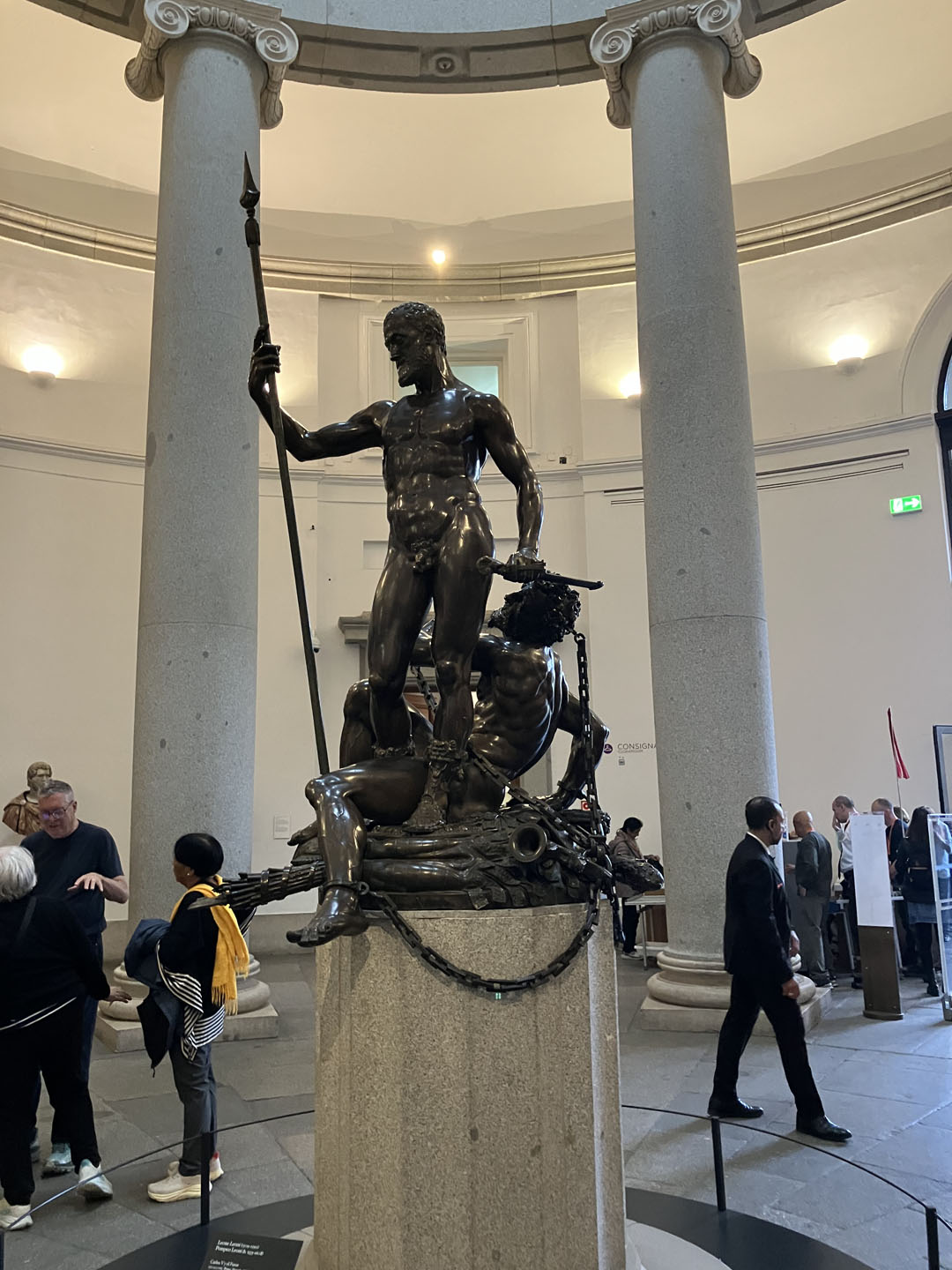
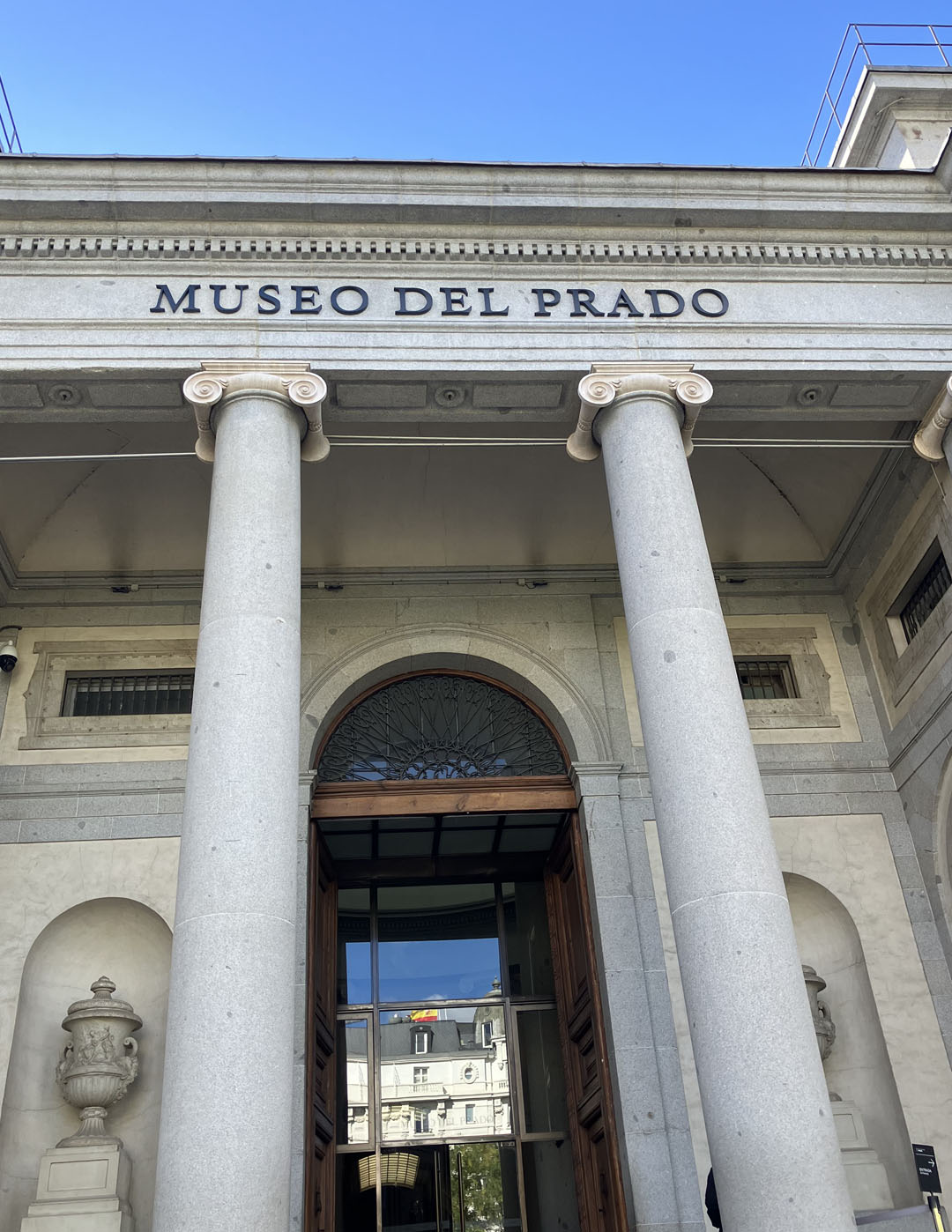
“Prado is not as large as some other great museums,” said Macarron. “It was designed to hold a collection of fine art not for the public’s pleasure, but for art students to learn and develop painterly skills by making copies of the big masters’ works. Therefore there are more world-class masterpieces per square meter in Prado than in any other museum in Europe.”
Our guide’s in-depth commentary brought to life and made much more meaningful some of the most significant and well-known pieces, like Las Meninas by Diego Velázquez, the leading artist in the court of King Philip IV, created in 1656, during the Spanish Golden Age; Charles IV and His Family by Francisco de Goya from 1801, when the artist became First Chamber Painter to the Royal Family; his Nude Maja, the first and unusual for the time period depiction of a real woman, not a goddess, Biblical or mythological character appearing nude in official art; and of course, the macabre Saturn Devouring His Son, one of the 14 “Black Paintings” that Goya painted on the walls of his house in the 1820s that were not intended for public viewing. This horrific image along with the Witches series is held in a separate room, which some faint of heart visitors to Prado usually try to avoid.
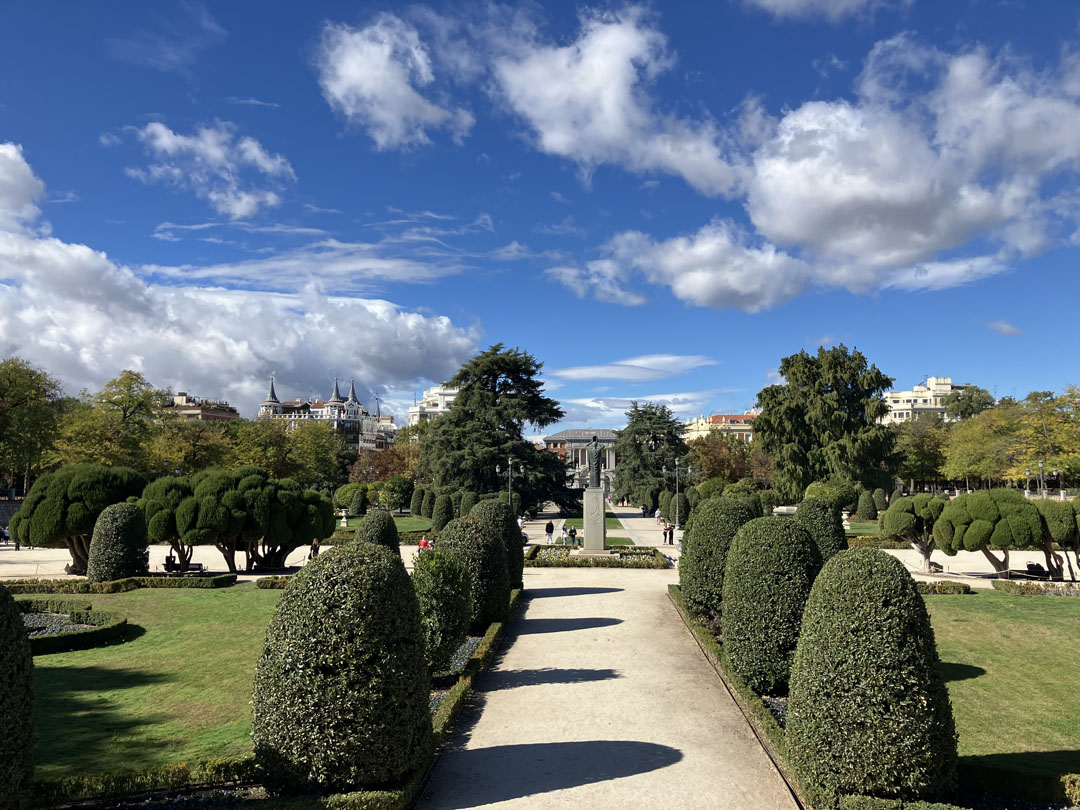
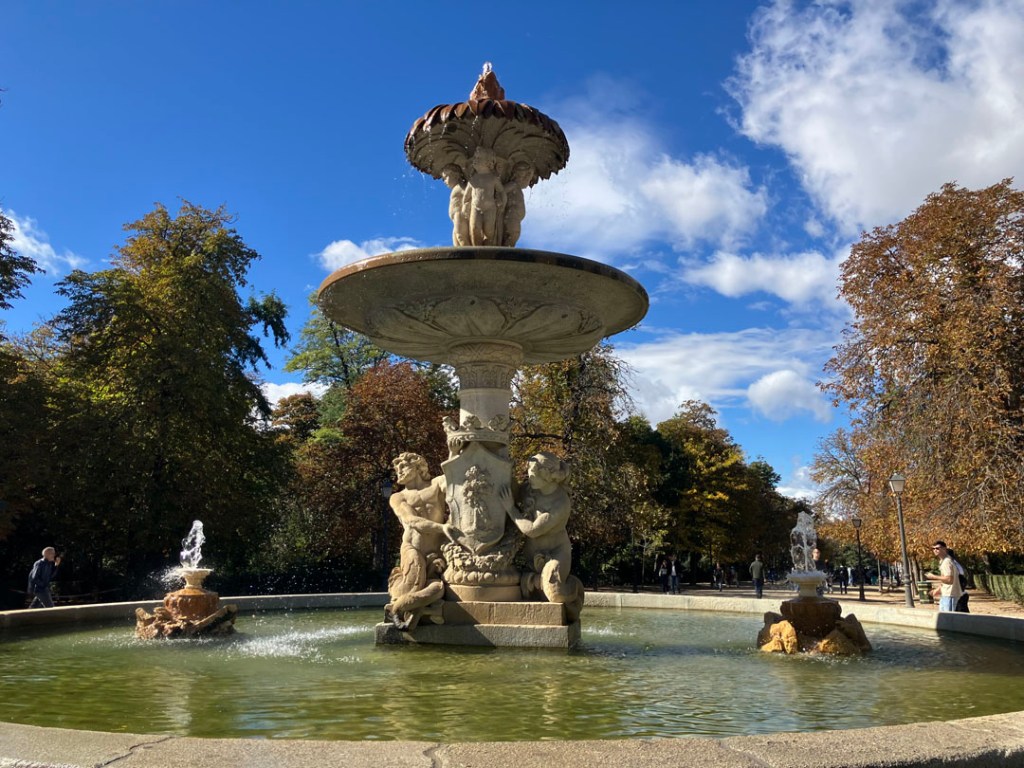
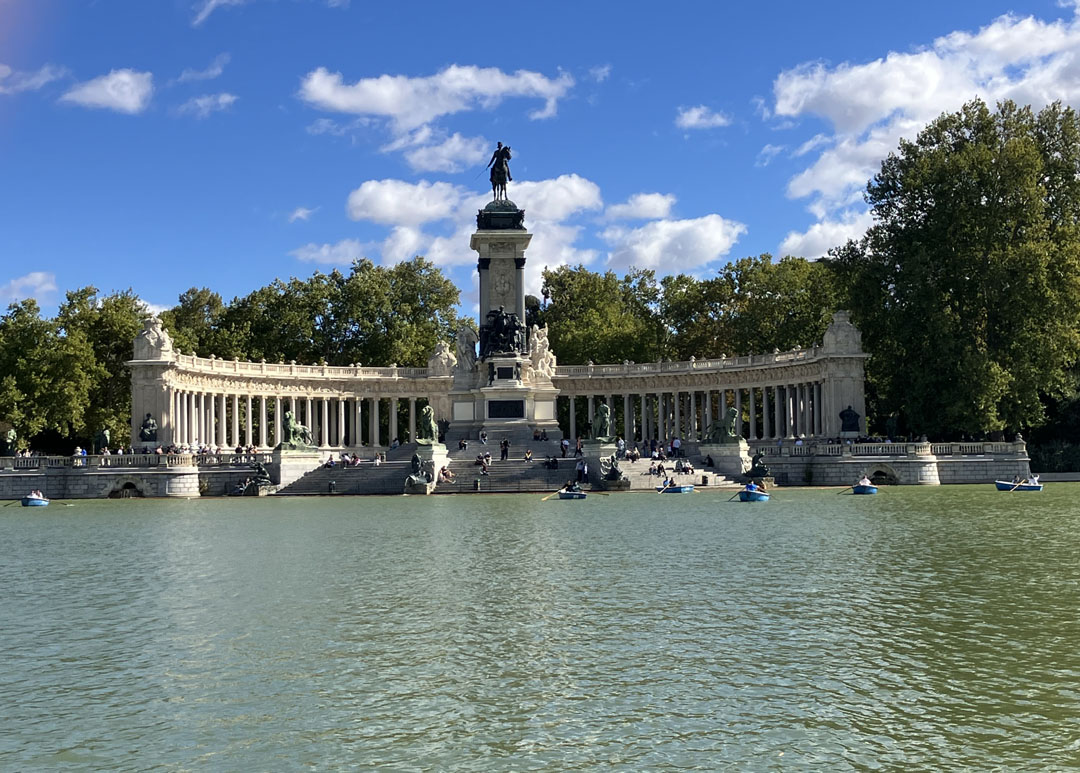
A deep breath of fresh air awaited us at the glorious gardens of El Retiro, laid out in the 17th century by Felipe IV, and opened to the public in 1868. Since then, Retiro Park remains a favorite place for the city dwellers to spend leisurely hours strolling between the landscaped lawns, taking a row boat ride on the calm artificial Great Pond, or dancing to live music at sunset. There are multiple sculptures of the Spanish royals from different epochs, architectural monuments, and fountains, placed among the groves and flower beds throughout the 350-acre space.
The Monument to Alfonso XII, a massive marble and bronze structure on the east shore of the lake, was designed by José Grases Riera, who envisioned a grand two-wing colonnade framed by the sculptures of lions and topped with allegorical figures of peace, freedom, progress, and others underneath a tower with an equestrian statue of the king overlooking the park. Completed in 1922, after the architect’s passing, the monument, true to his original design, stands 98 feet high and 282 feet long.
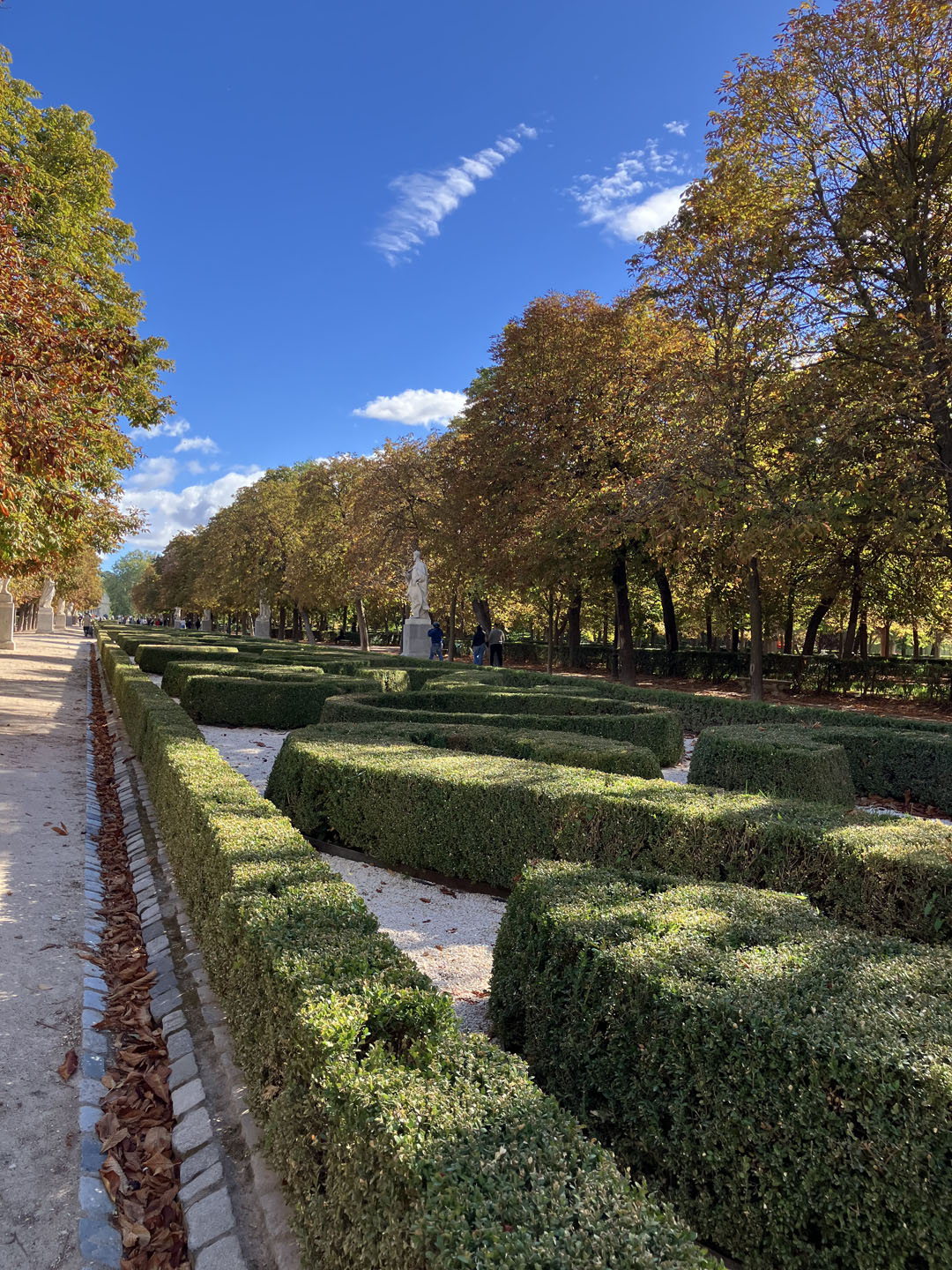
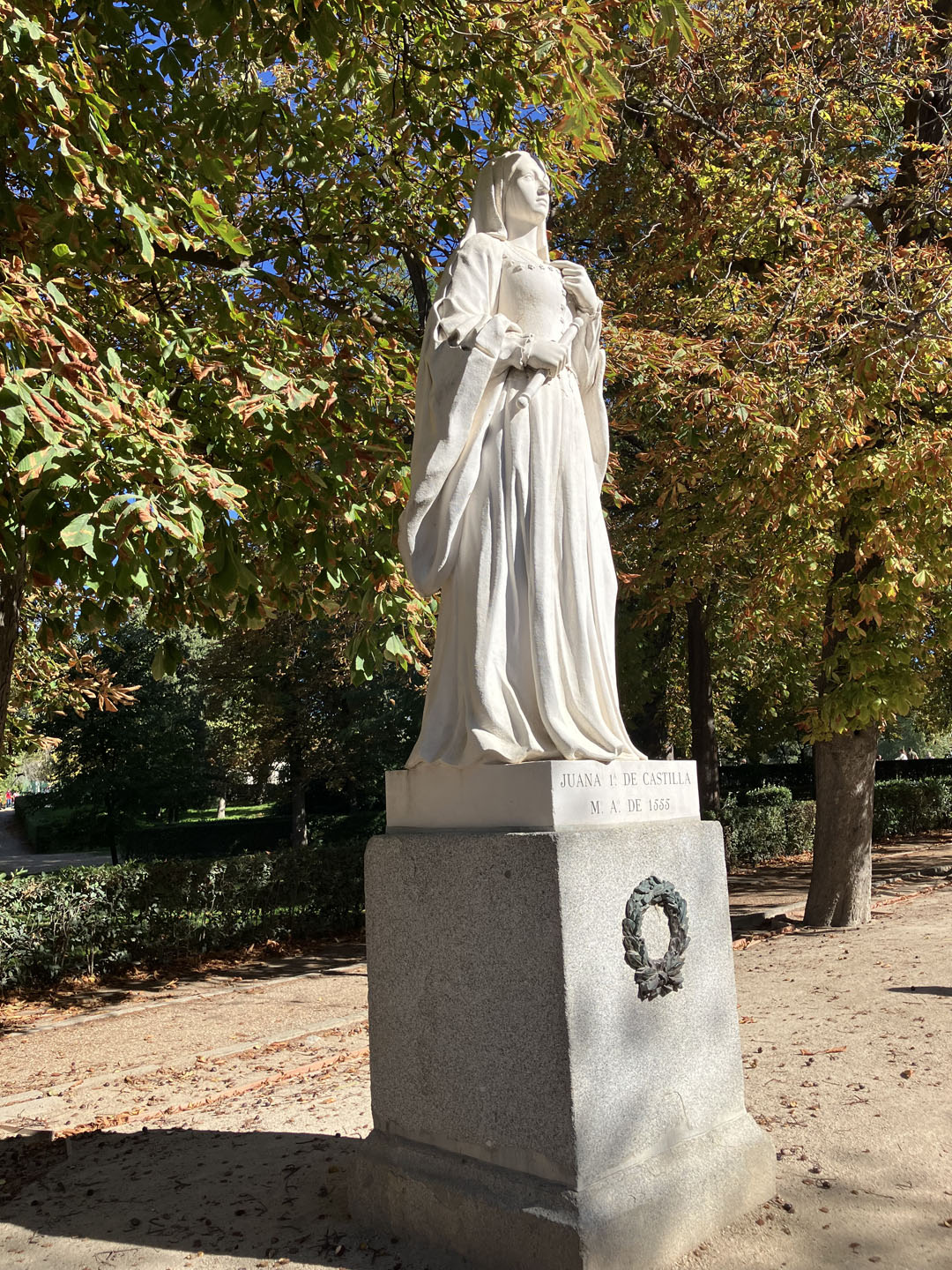
Thousands of trees, planted and thriving in the center of the city, are organized into a series of gardens with historical significance—Jardín de Vivaces, Jardines de Cecilio Rodríguez (classical gardens of an Andalusian style), Jardines del Arquitecto Herrero Palacios, the Rose Garden, and the Parterre Francés where you’ll find the legendary 400-year-old cypress, the oldest tree in Madrid.

Madrid Gastronomy and Wine
An embarrassment of reaches unfolds in the Madrid’s food and wine scene. American tourists who crave cuisine authenticity would flock to the city’s favorite traditional restaurants, some continuously operating for longer than the U.S. exists, only to discover that far from being tourist traps these are the places where locals gather often for casual lunches and dinners.
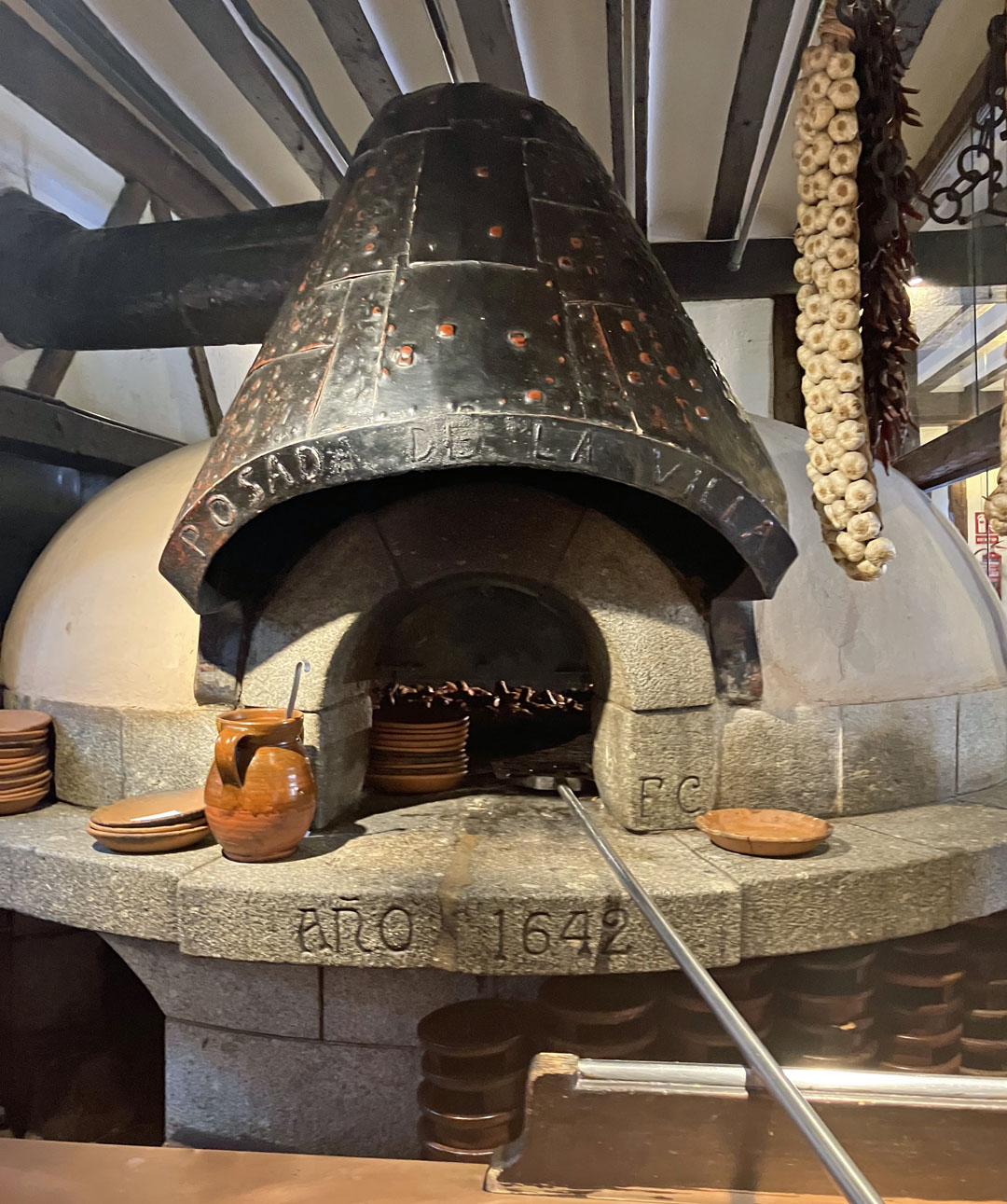
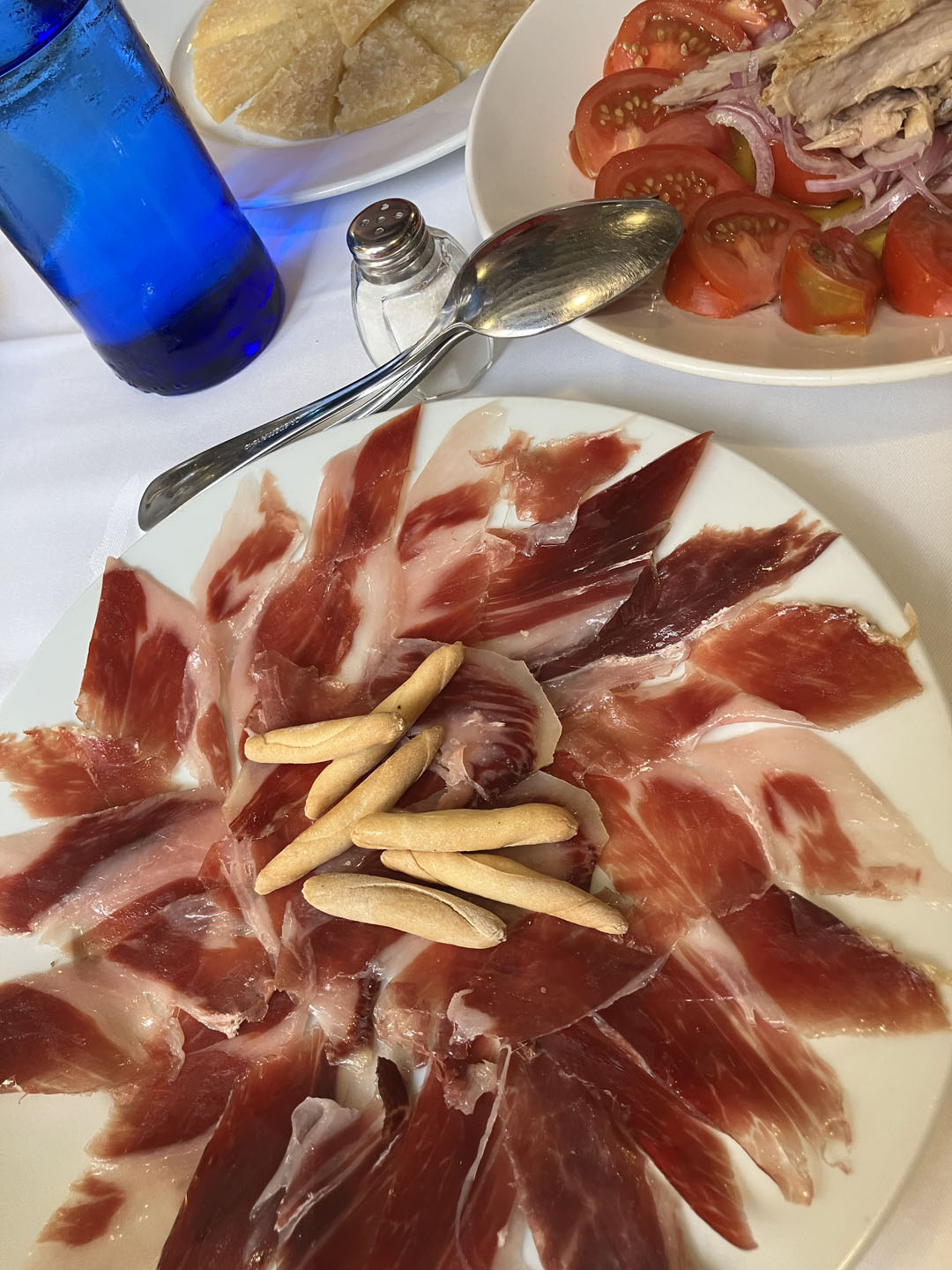
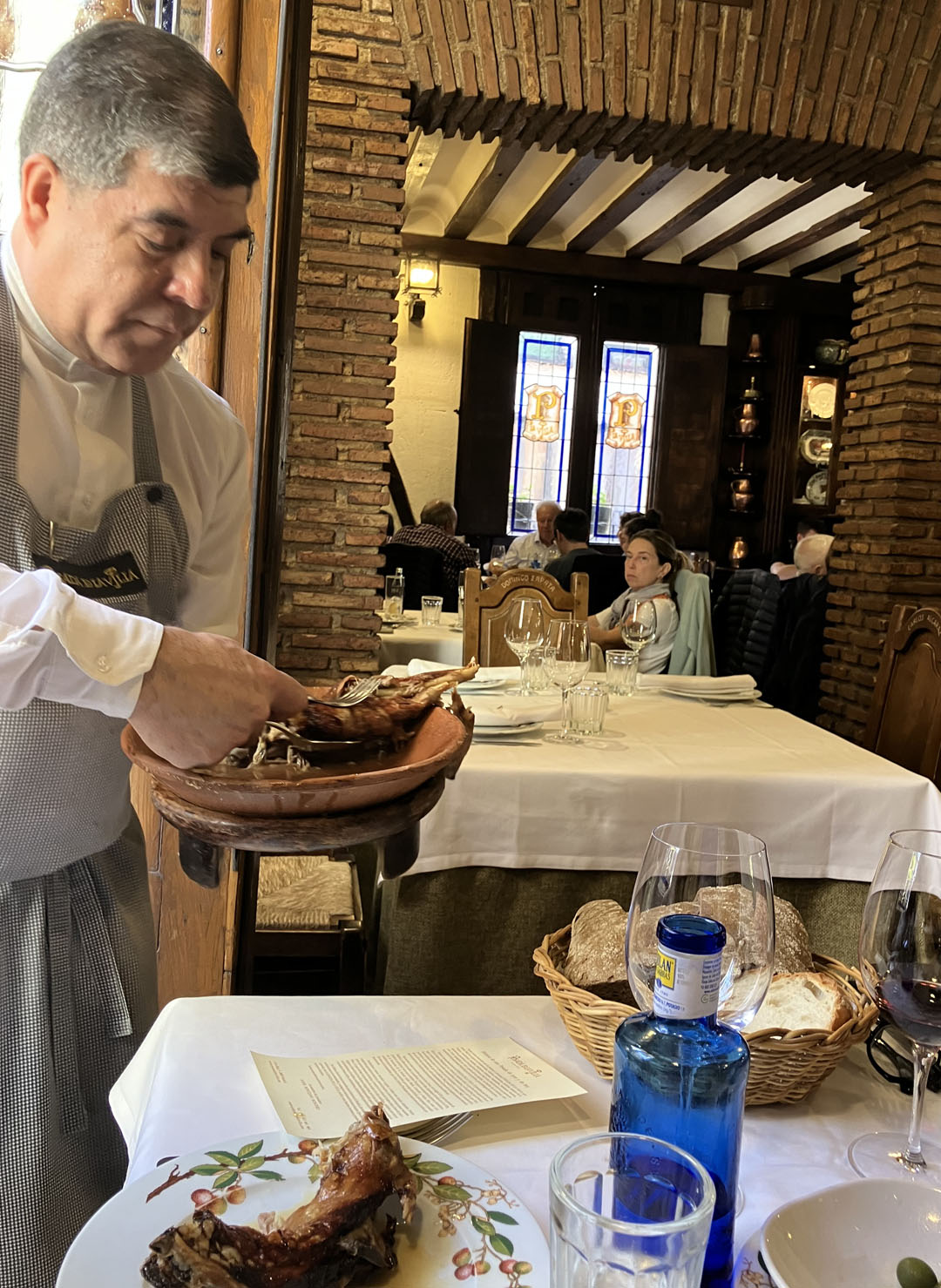
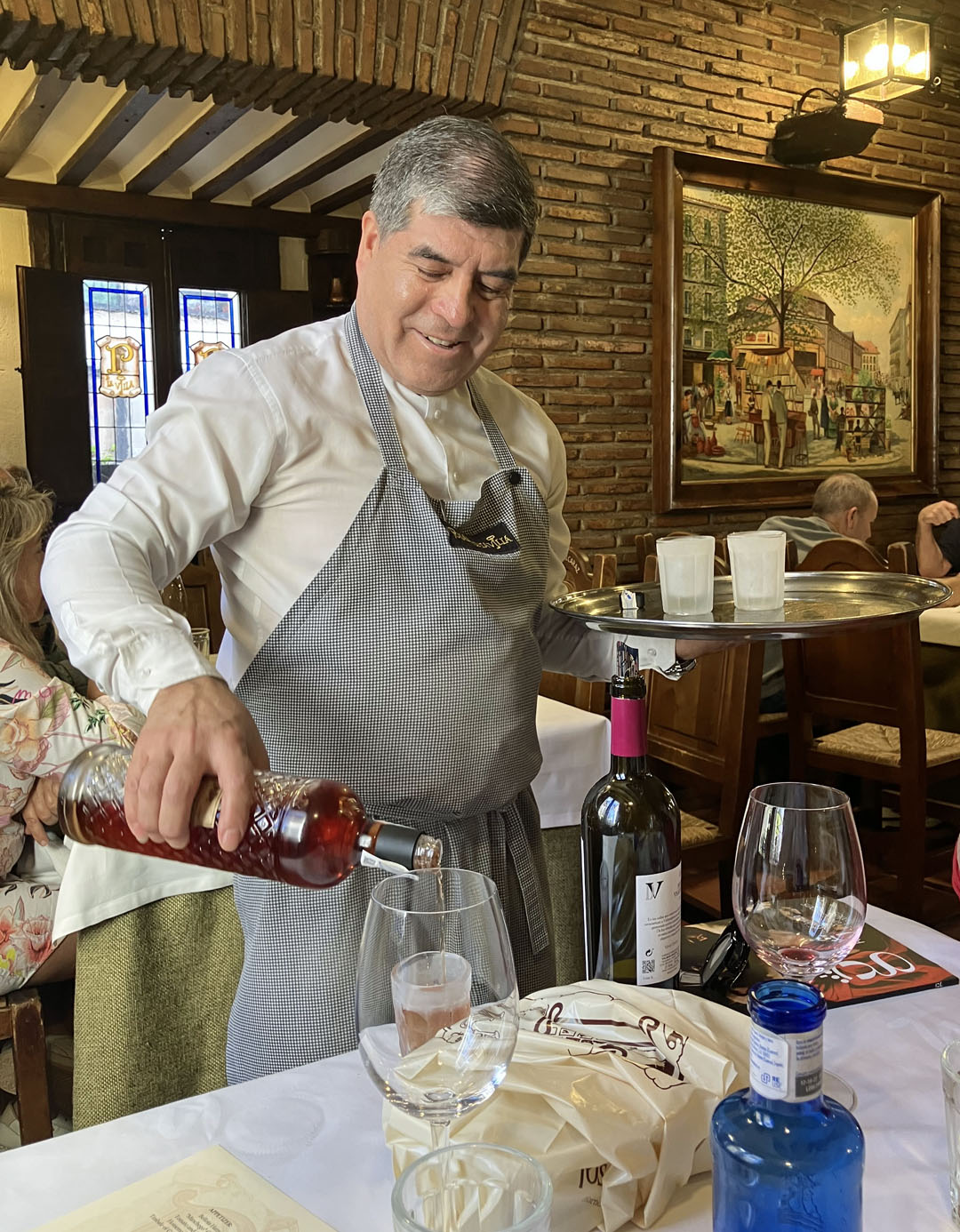
At Posada de la Villa, founded in 1642, our group indulged in typical and cherished dishes of Spain, like Bellota ham, made from Iberian pigs raised free range on acorn feed; Manchego cheese, 100% made from La Mancha sheep milk; tomato and tuna salad with Spanish olive oil; croquettes with creamy béchamel sauce interior in a crispy golden-fried shell, and bone-in lamb roasted in a large traditional oven. https://www.posadadelavilla.com/.


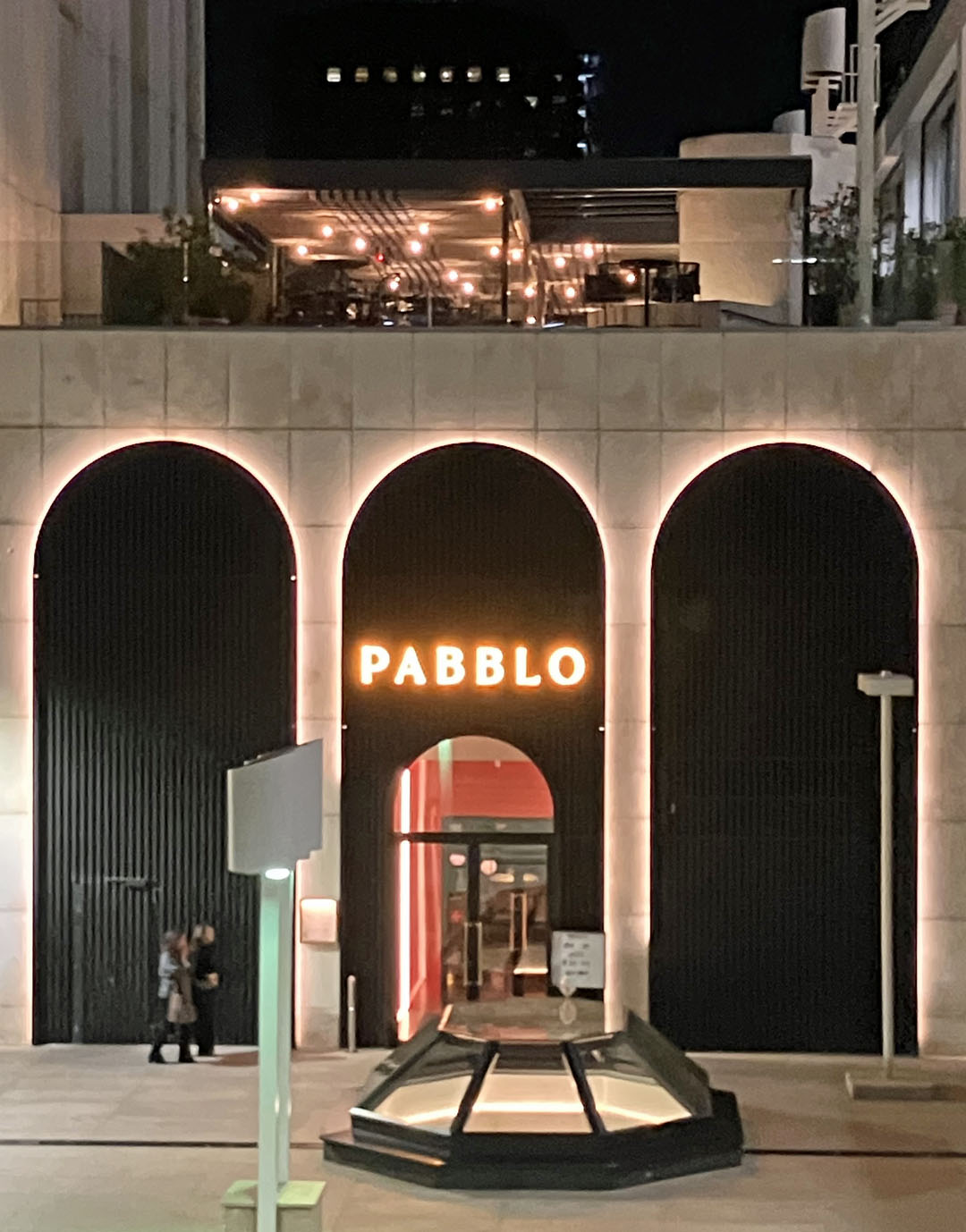
On an opposite side of the spectrum would be a new, vibrant, always crowded with hip young patrons Pabblo, where dinner comes with a side of entertainment. This stylish two-level restaurant with a lively cocktail bar, and a stage space on the lower level, visible from everywhere, is located at the Torre Picasso, designed by Minoru Yamasaki—an iconic 515-feet skyscraper in Madrid’s financial district.

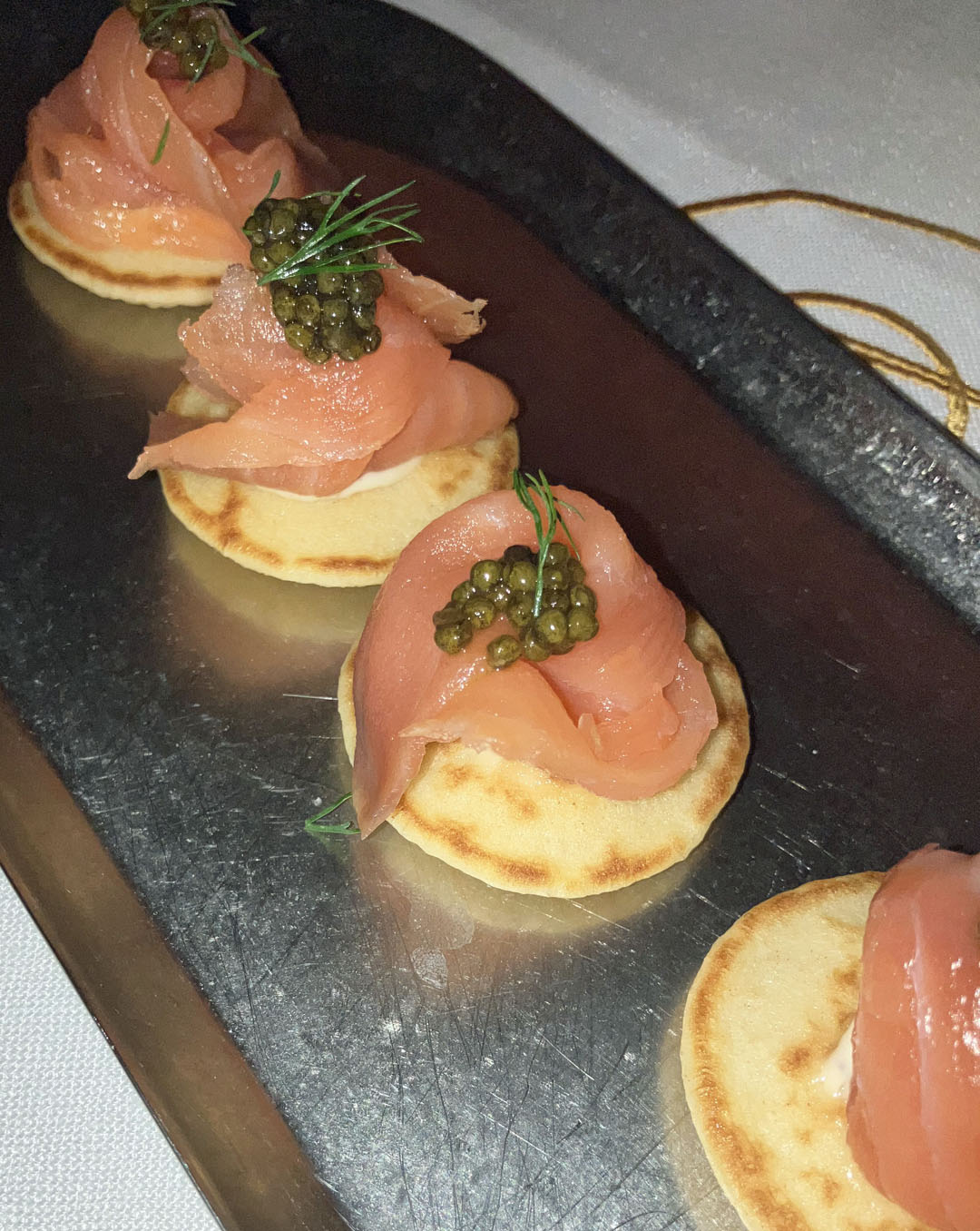
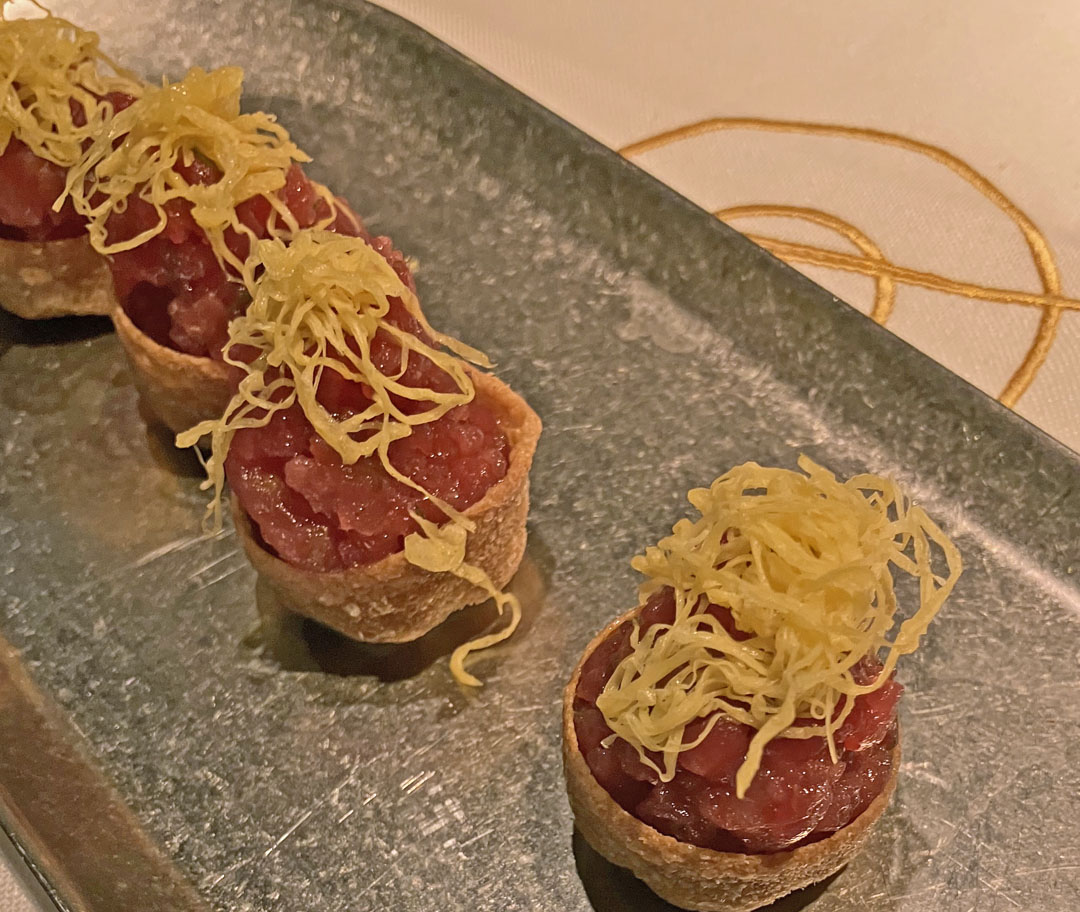
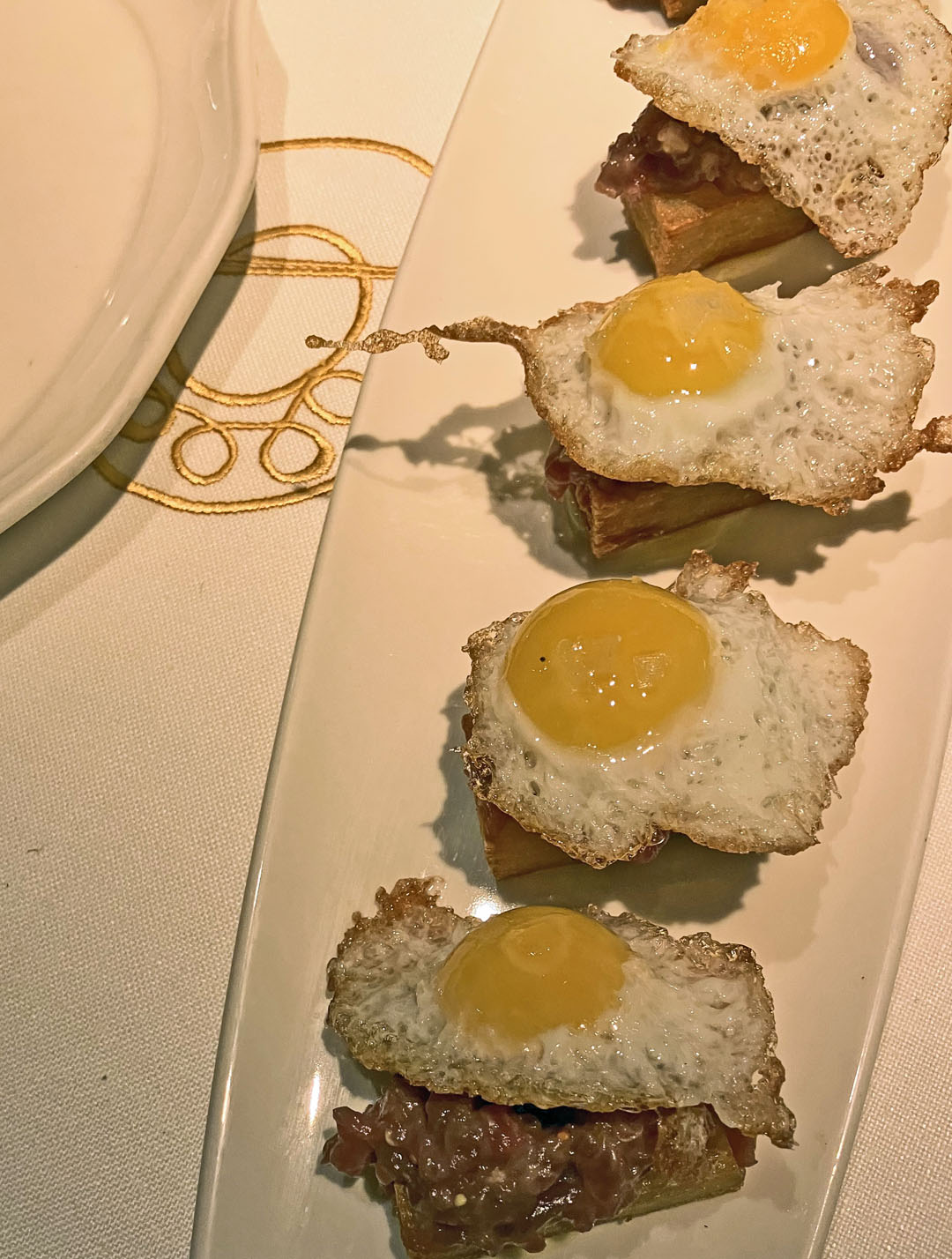
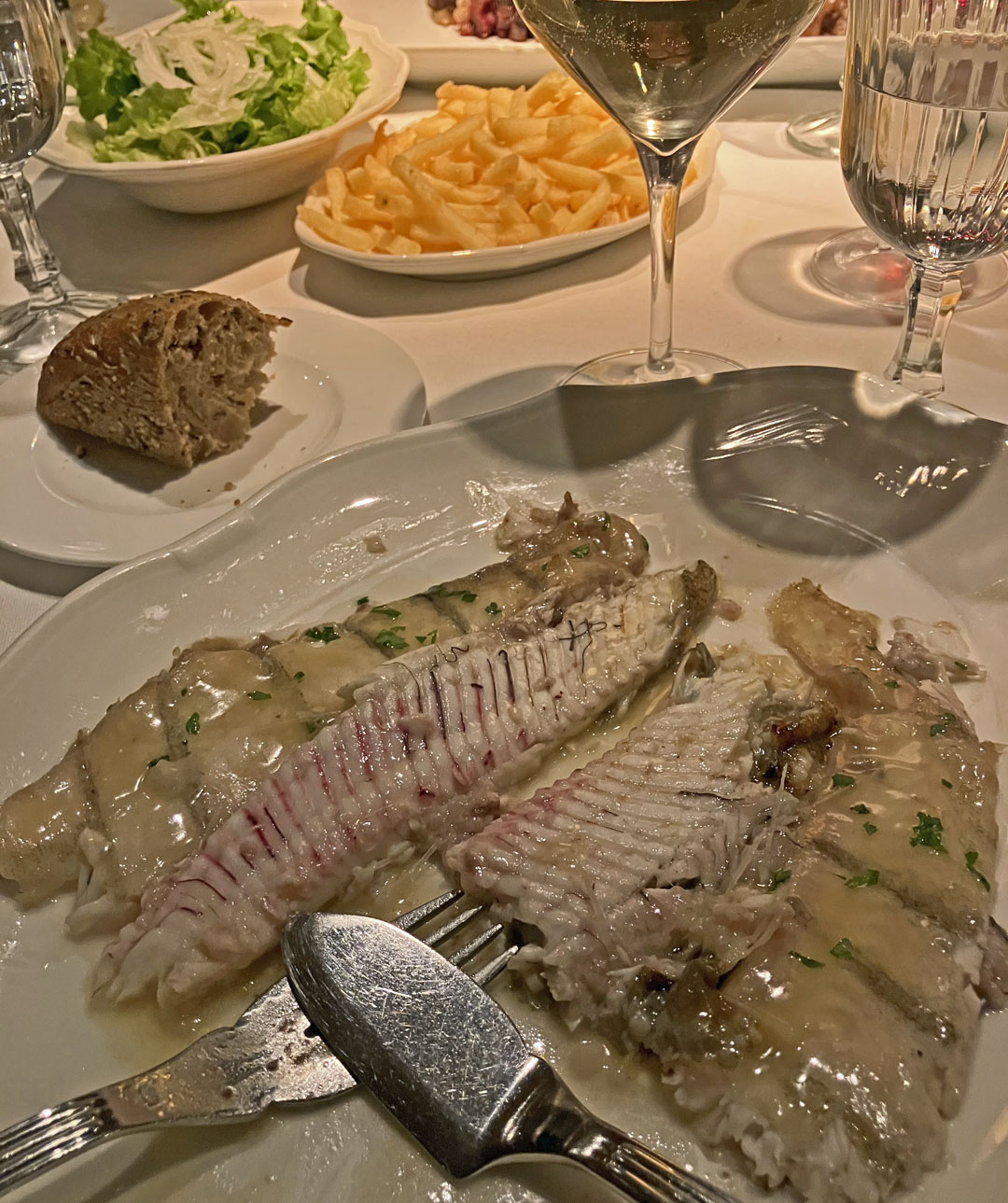
The restaurant kitchen offers an array of popular international dishes in the form of Spanish tapas, like homemade blinis with smoked salmon; crispy potato bites and steak tartare topped with a fried quail egg; eggplant hummus with hazelnuts and fresh cheese, and substantial main courses, large enough to share, like wood-fired wild sole Meniere, vegetable ratatouille, and various grilled meats.
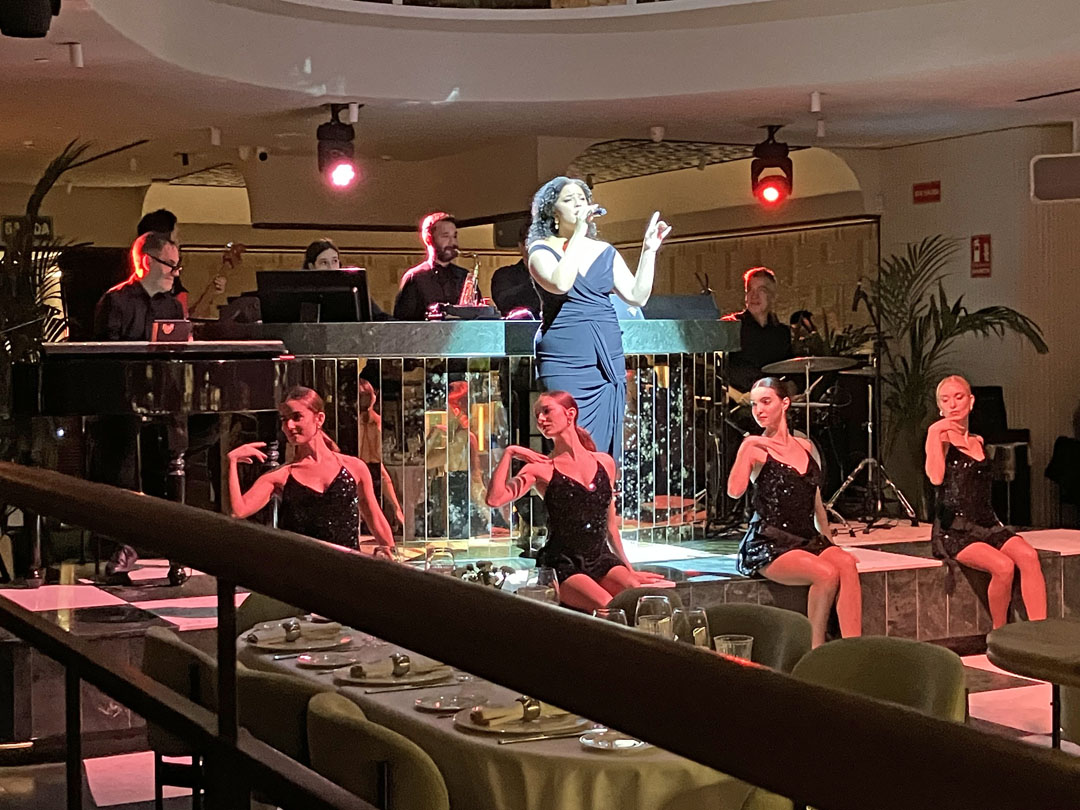
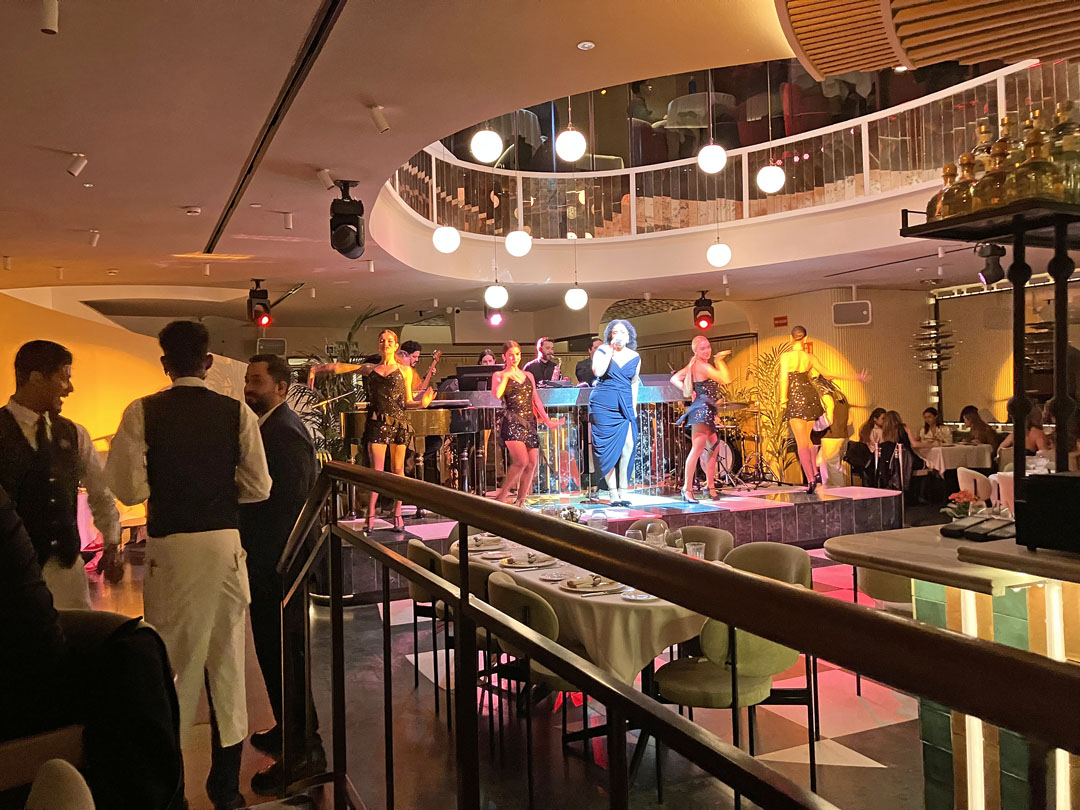

House-made vanilla ice cream for dessert comes with many garnishes from dried fruit and nuts to corn flakes and chocolate sauce. A seven-piece band that accompanies a virtuoso jazz singer, and a highly-trained troupe of acrobatic dancers create a sparkly, festive atmosphere in the elegantly darkened venue. https://glhrestaurants.com/c/restaurantes/pabblo/.
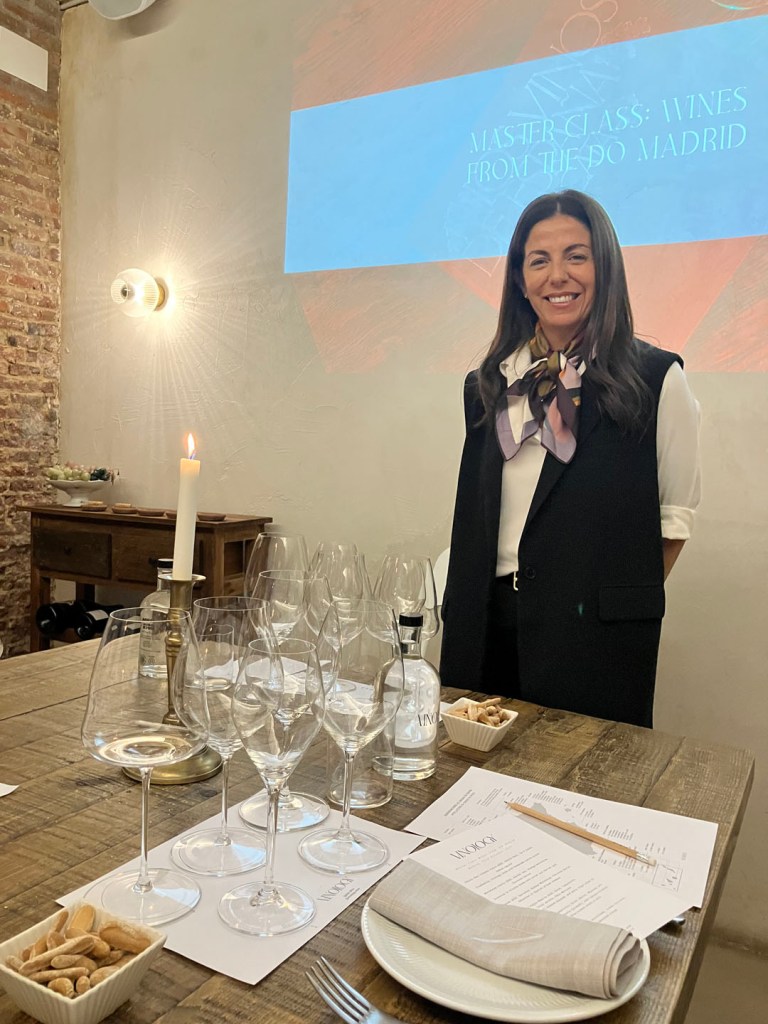
To learn everything there is to know about the wines of Madrid, we took a master class with Pilar Oltra, a sommelier at Vinology Conde de Aranda wine bar and restaurant in the posh Salamanca district. As a founder of Vinology, Oltra designed a fun and educational experience for groups of 10 or less to provide tasting of sparkling, white, and red wines paired with tapas, alongside her narration of the oenological history of Madrid.
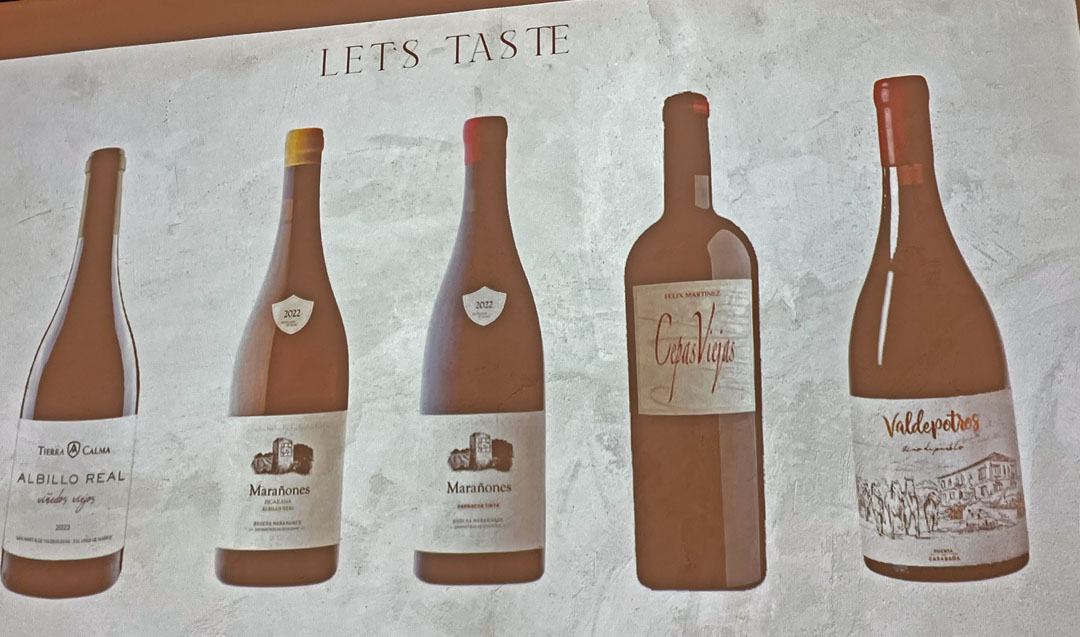
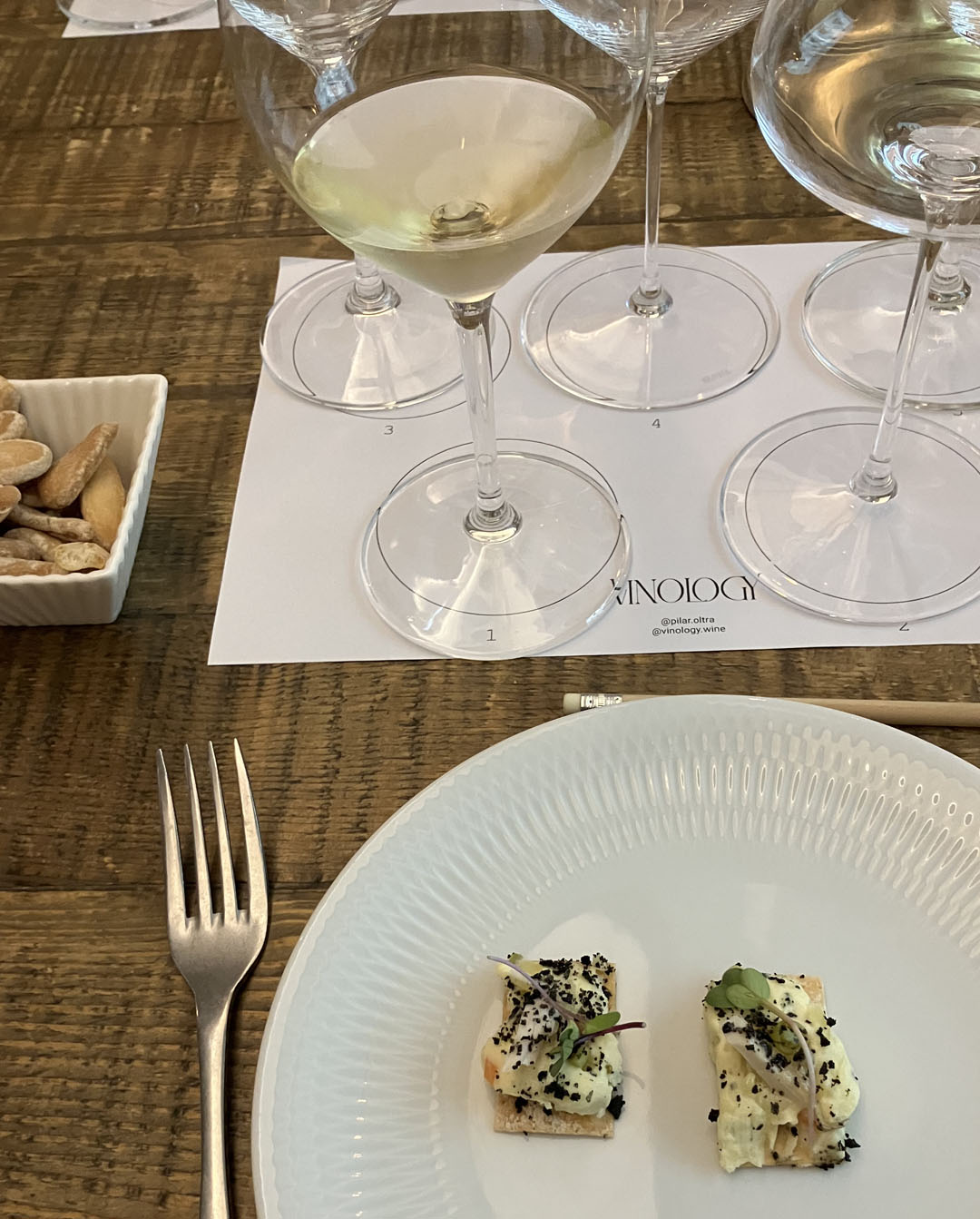
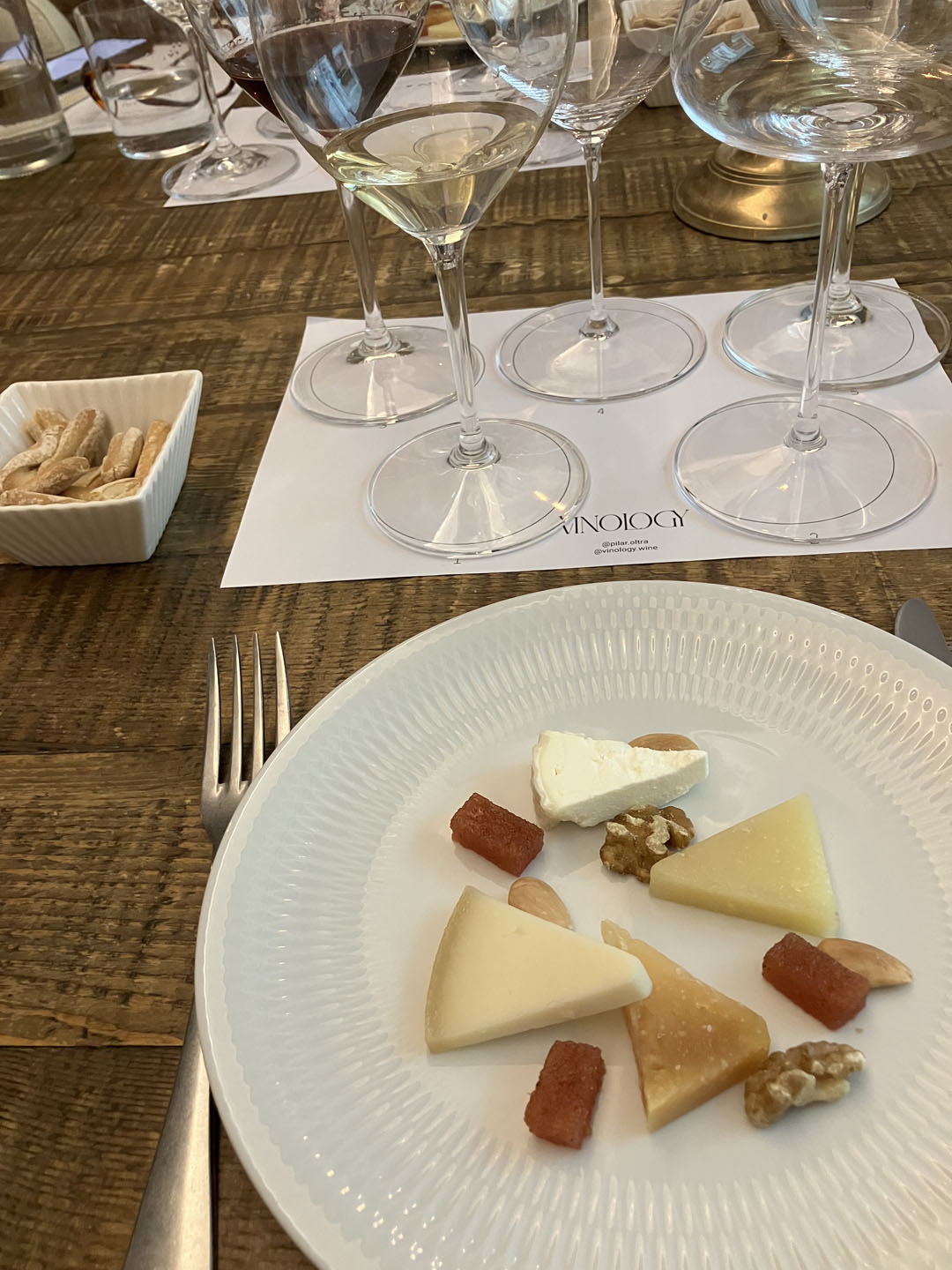
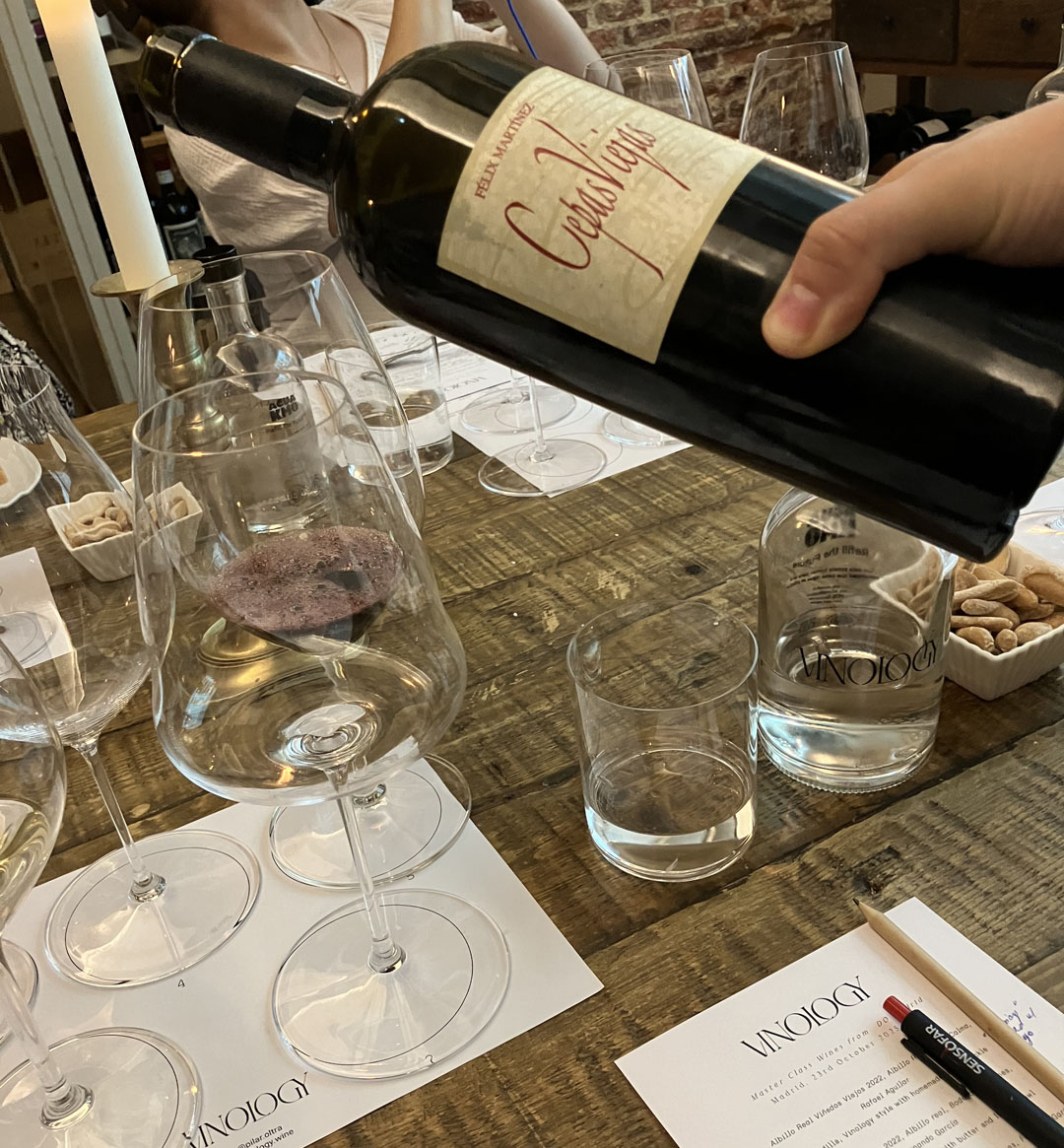
While wine production in the city started as far back as the 13th century, Madrid’s own Denominación de Origen (DO) has been established in 1990. It covers vineyards in Arganda del Rey, Navalcarnero, San Martín de Valdeiglesias, and El Molar, where small producers make wines from Spanish grapes often sounding unfamiliar to the American consumer.
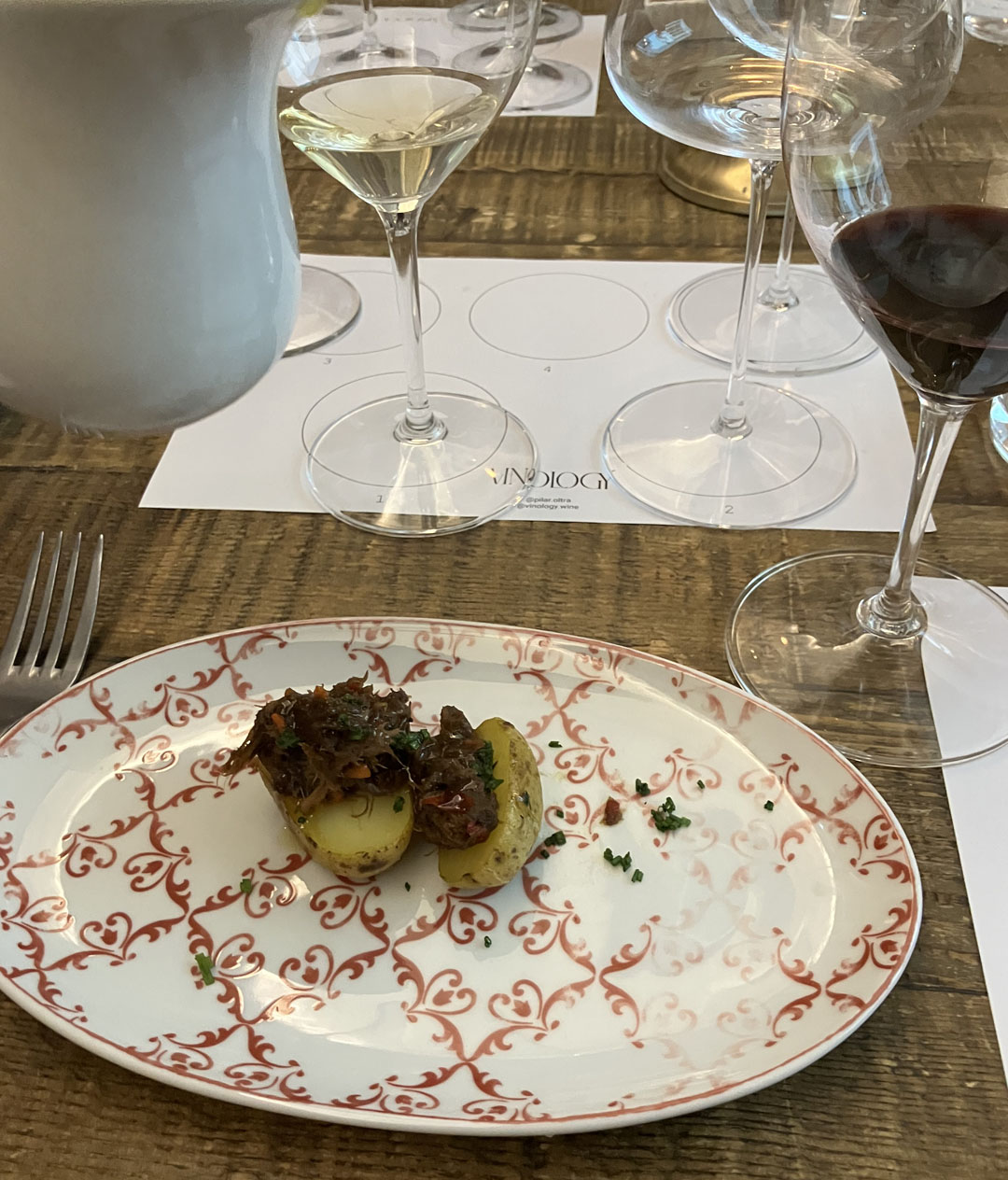
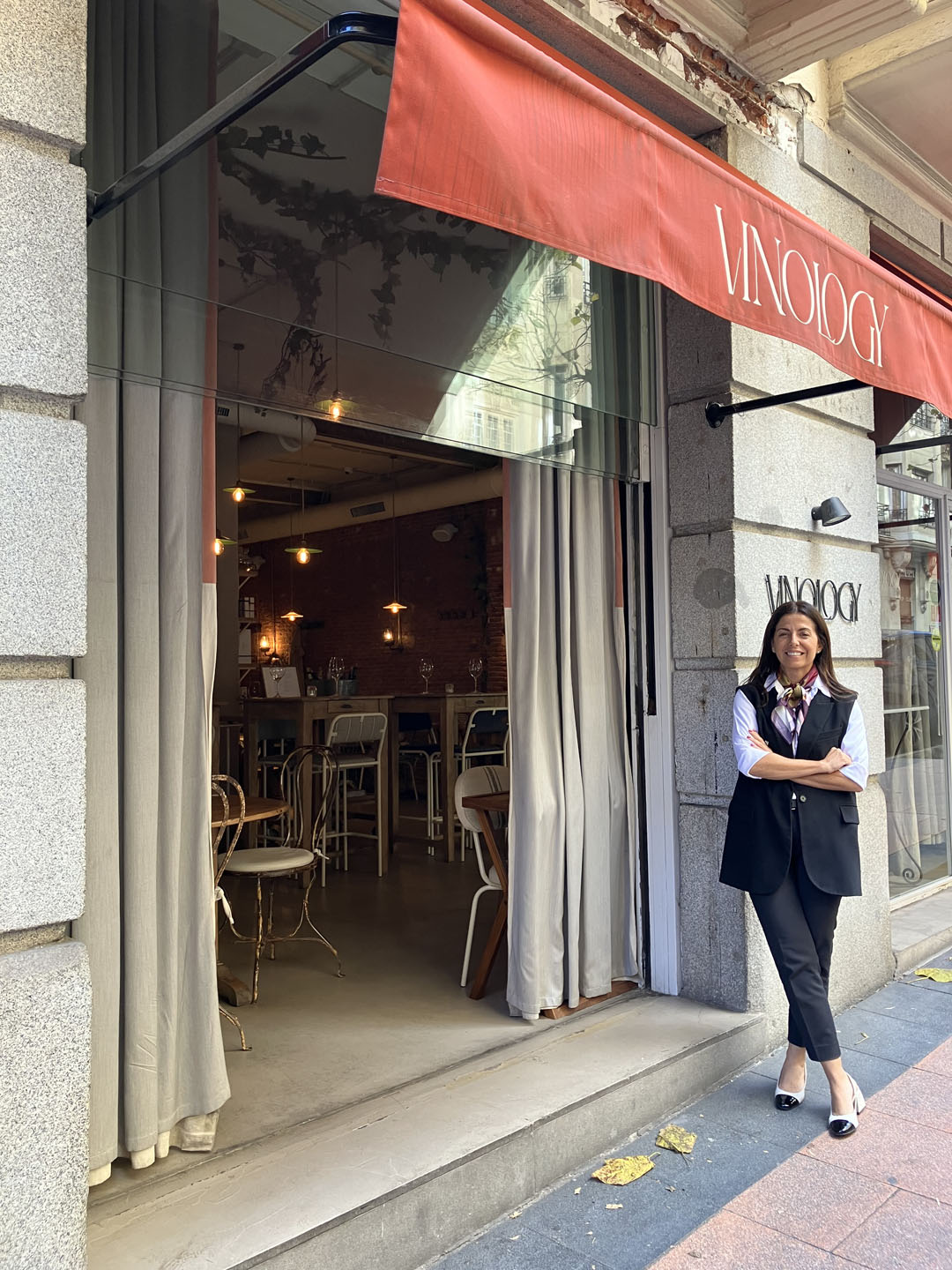
White wines include Malvar, airen, albillo real, macabeo, and Pardina. Red wines are mostly tempranillo, garnacha tinta, merlot and syrah, all coming from 45 wineries in and around Madrid—the only European capital with its own wine appellation. https://vinology.wine/en/.
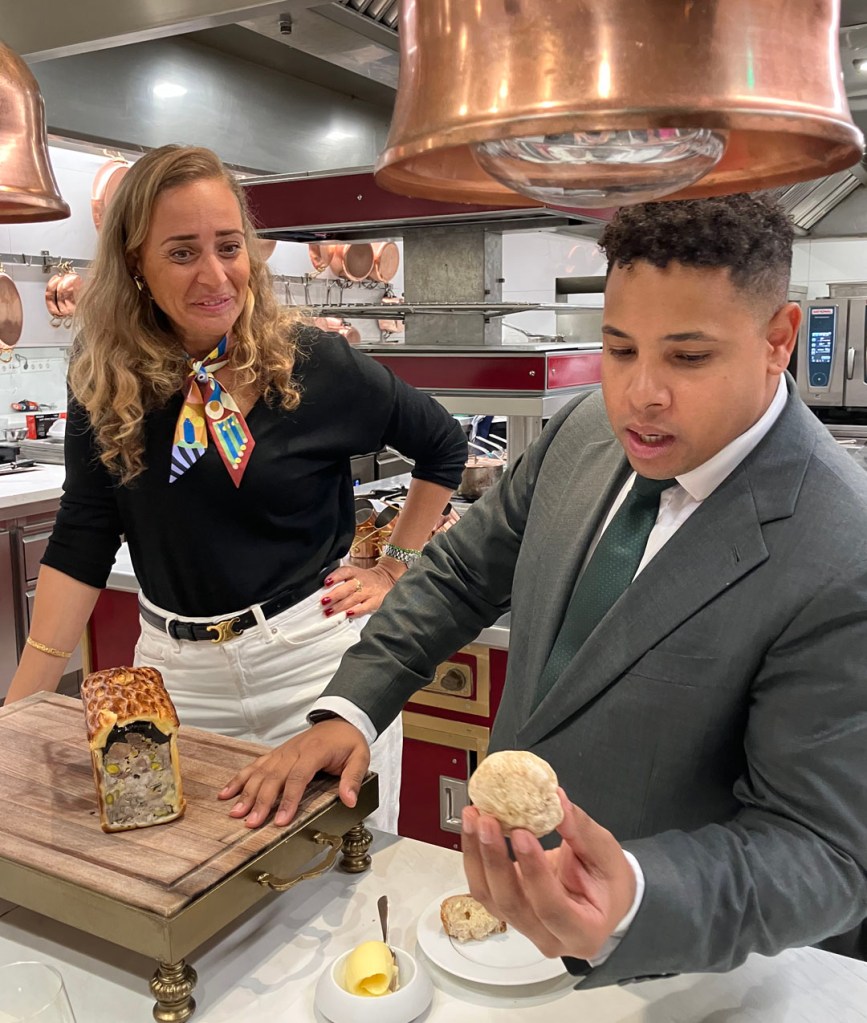
The most impressive food tour in Madrid that familiarizes guests with quite a few outstanding city restaurants is provided by Elysian Tales, “a luxury travel company specializing in boutique gastronomic experiences that connect travelers with the heart and soul of Europe’s most enchanting cities.” The company founder, Marwa Preston, who entered the world of hospitality with an extensive background in high tech and a Master’s degree in luxury travel management, personally curates an immersive dining adventure that takes participants on a journey through the traditional historic eateries, Michelin-starred restaurants, and ultra-contemporary bars, popular with locals and tourists. As opposed to the usual bite-on-the-go food tours, prevalent in most tourist destinations, Elysian Tales’ excursion includes learning about local produce and cooking techniques behind the scenes, participating in dish plating alongside a celebrity chef, and enjoying a full sit-down meal and individualized libations created for each tour participant based on their personal tastes.
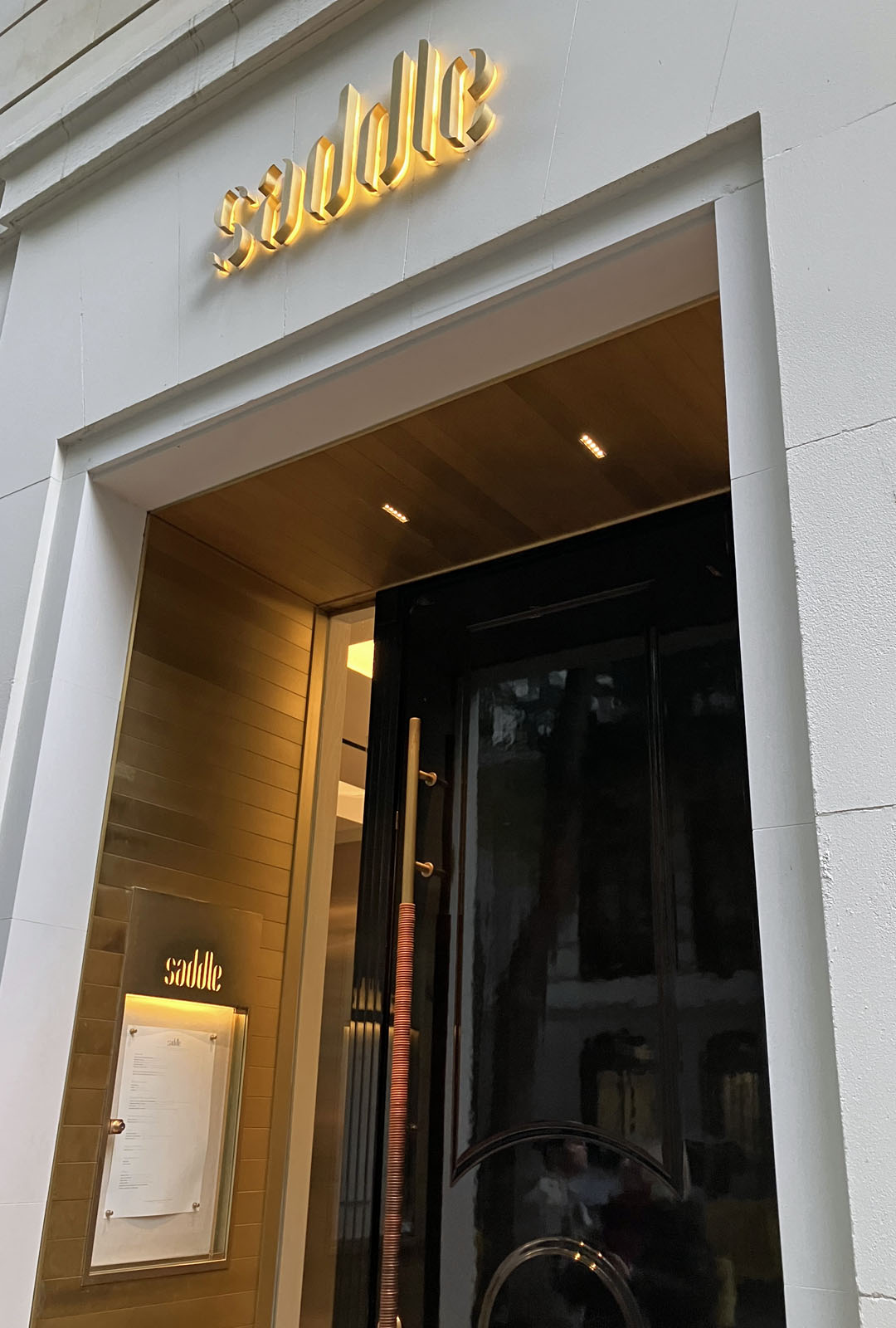
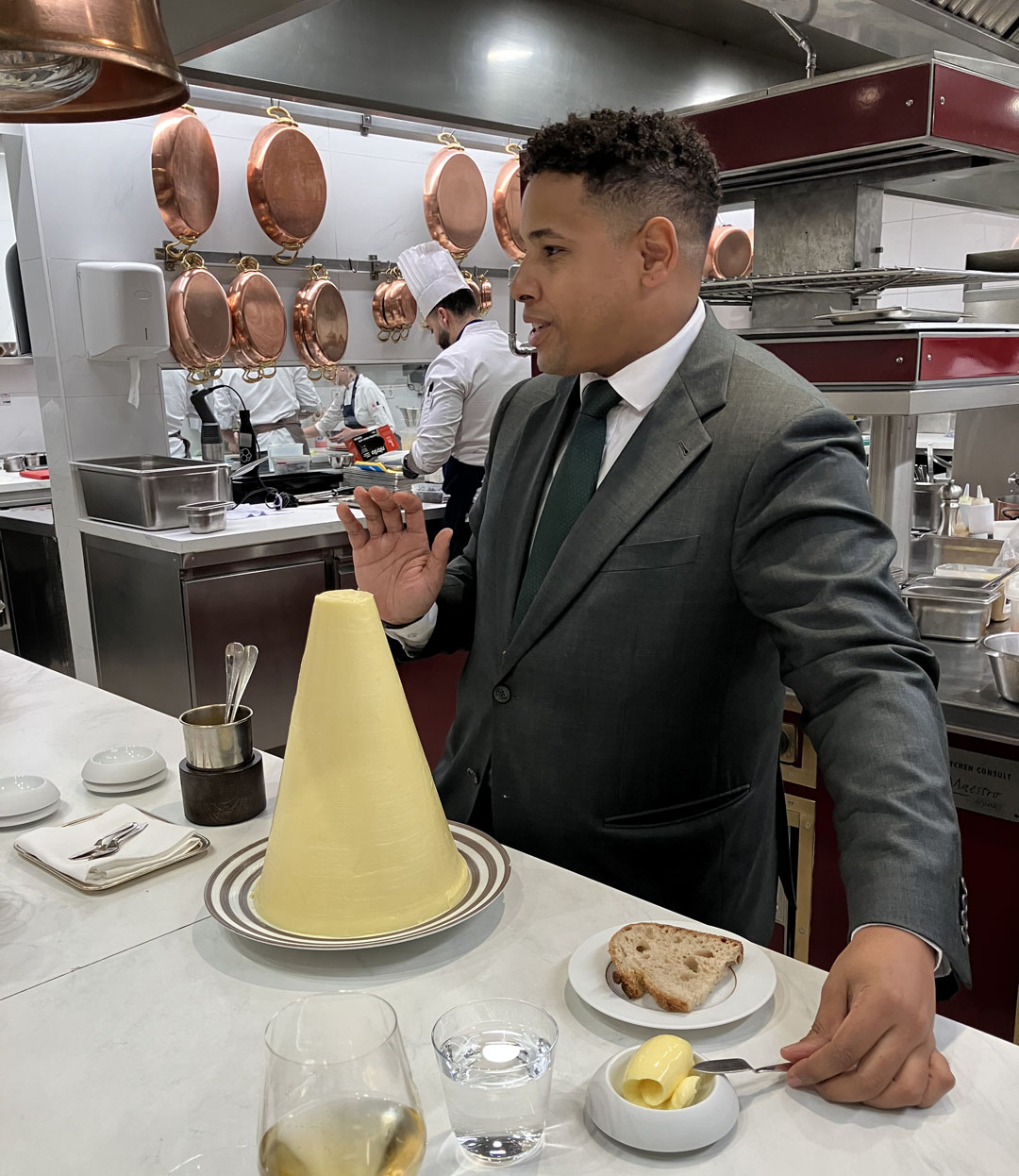
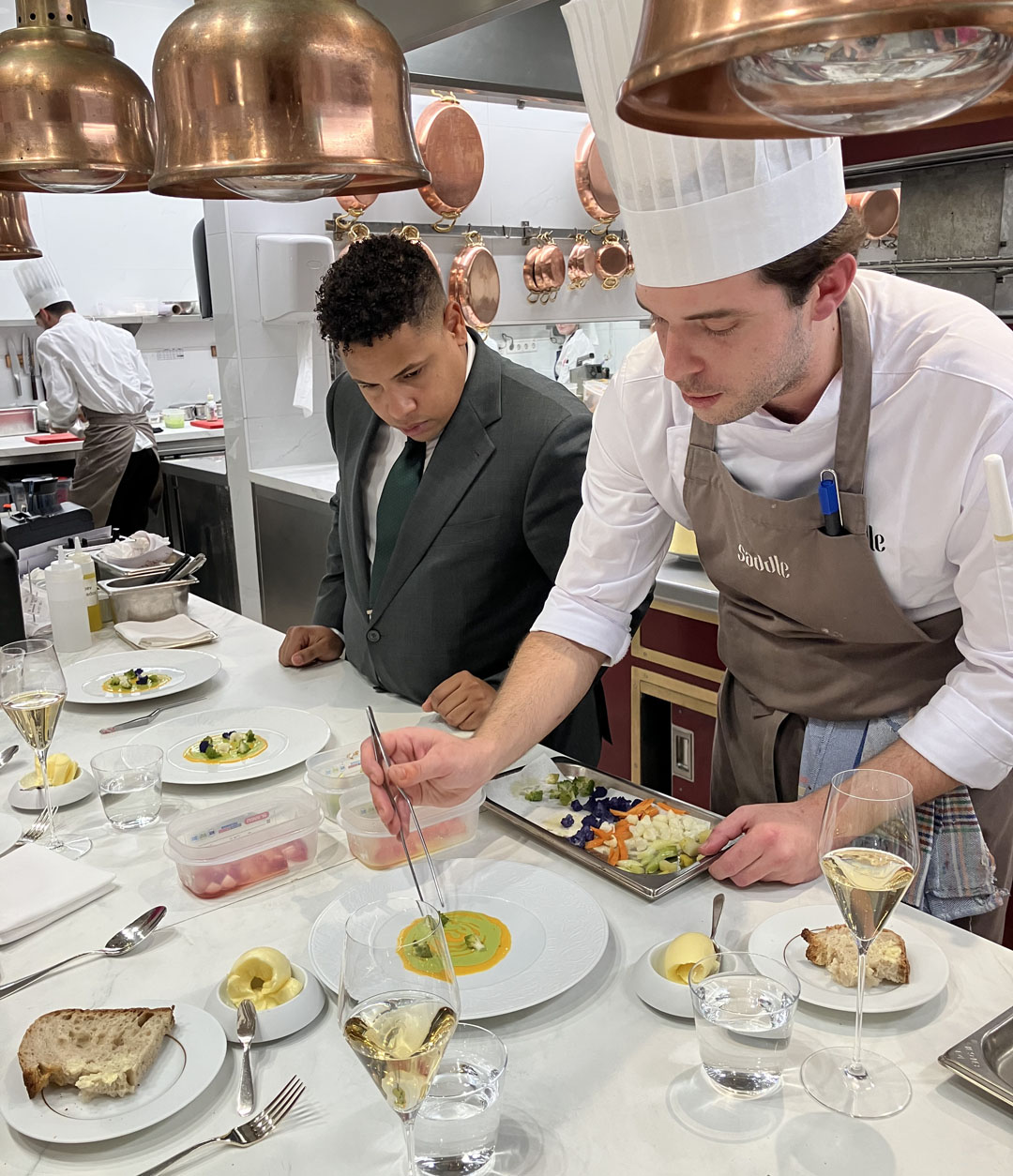
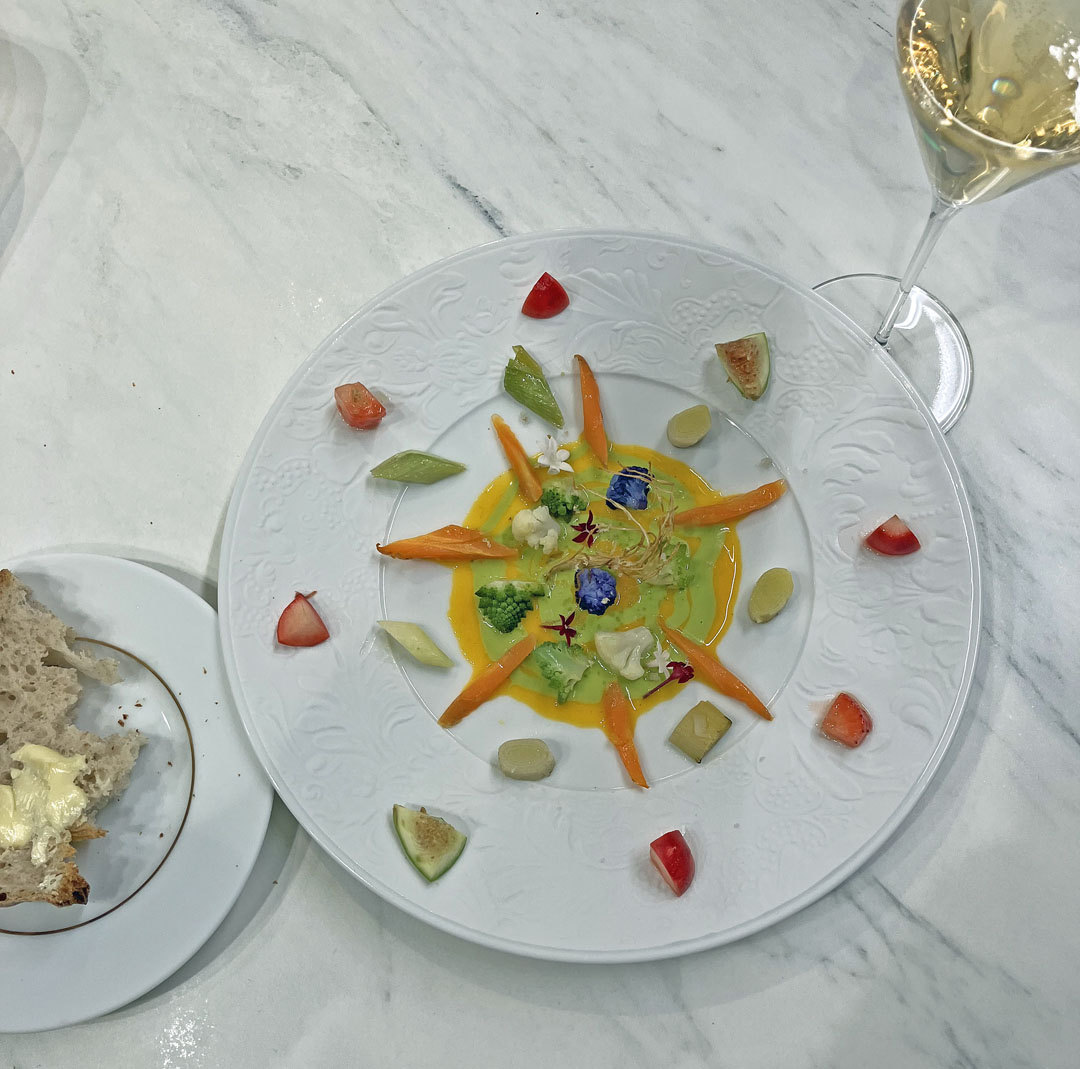
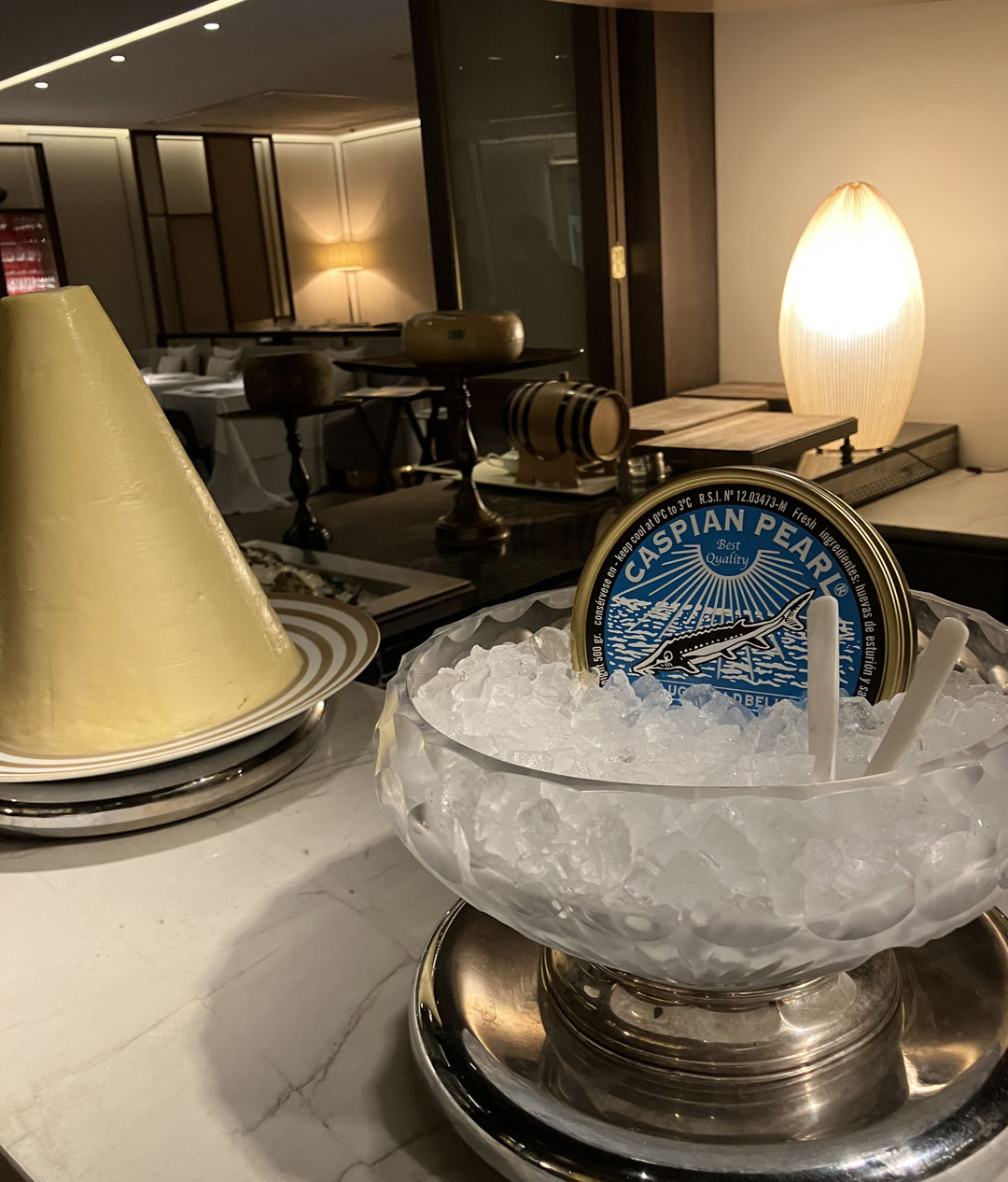
I won’t soon forget a lesson on making butter rosettes with one swipe of a table knife in the kitchen of Saddle restaurant, or a centuries-old tiled wall in Taberna la Carmencita, where Federico Garcia Lorca and Pablo Neruda used to dine, or dry-aged for 40 days beef from León, grilled over open fire at the dark, candle-lit Charrúa, or an embroidered ceiling and proliferation of mirrors and table lamps under pink lampshades at Bar Manero Madrid, where I had a uniquely crafted cocktail, made to my preferences of Campari, Aperol, orange and lemon juices, and whipped egg whites.
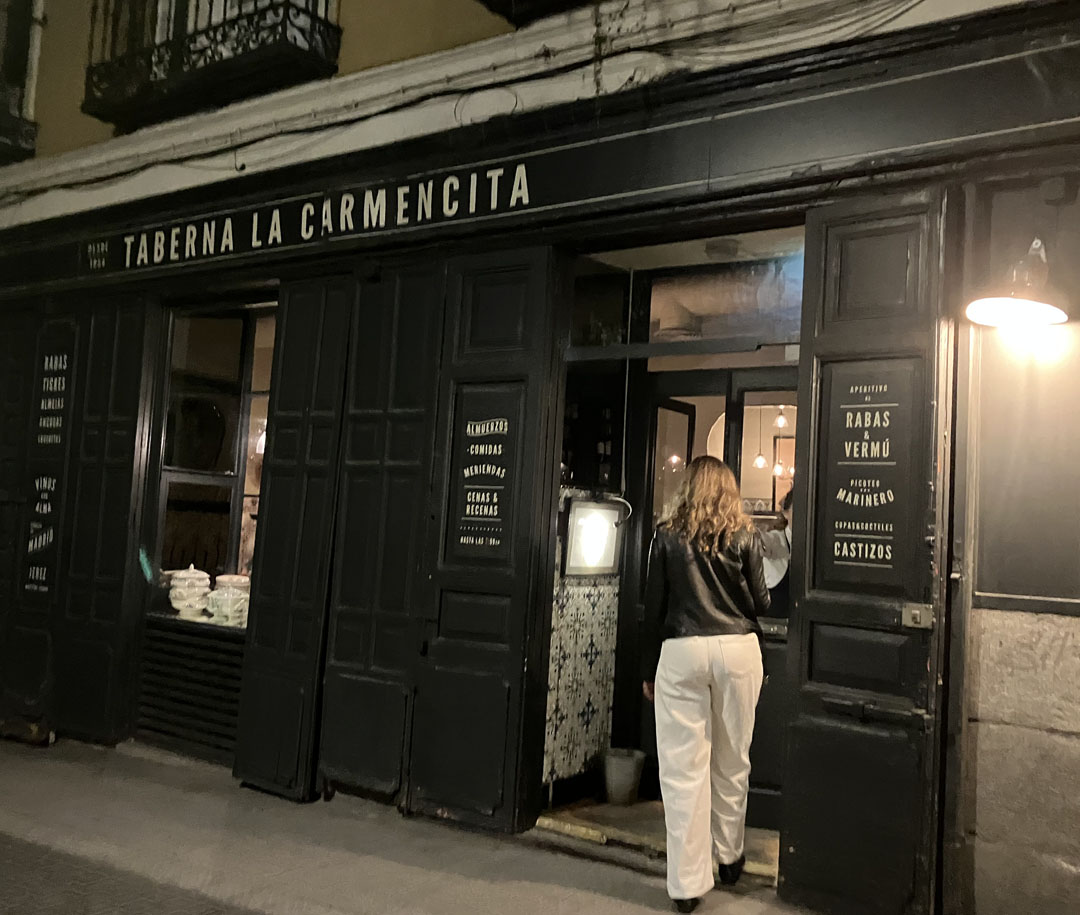
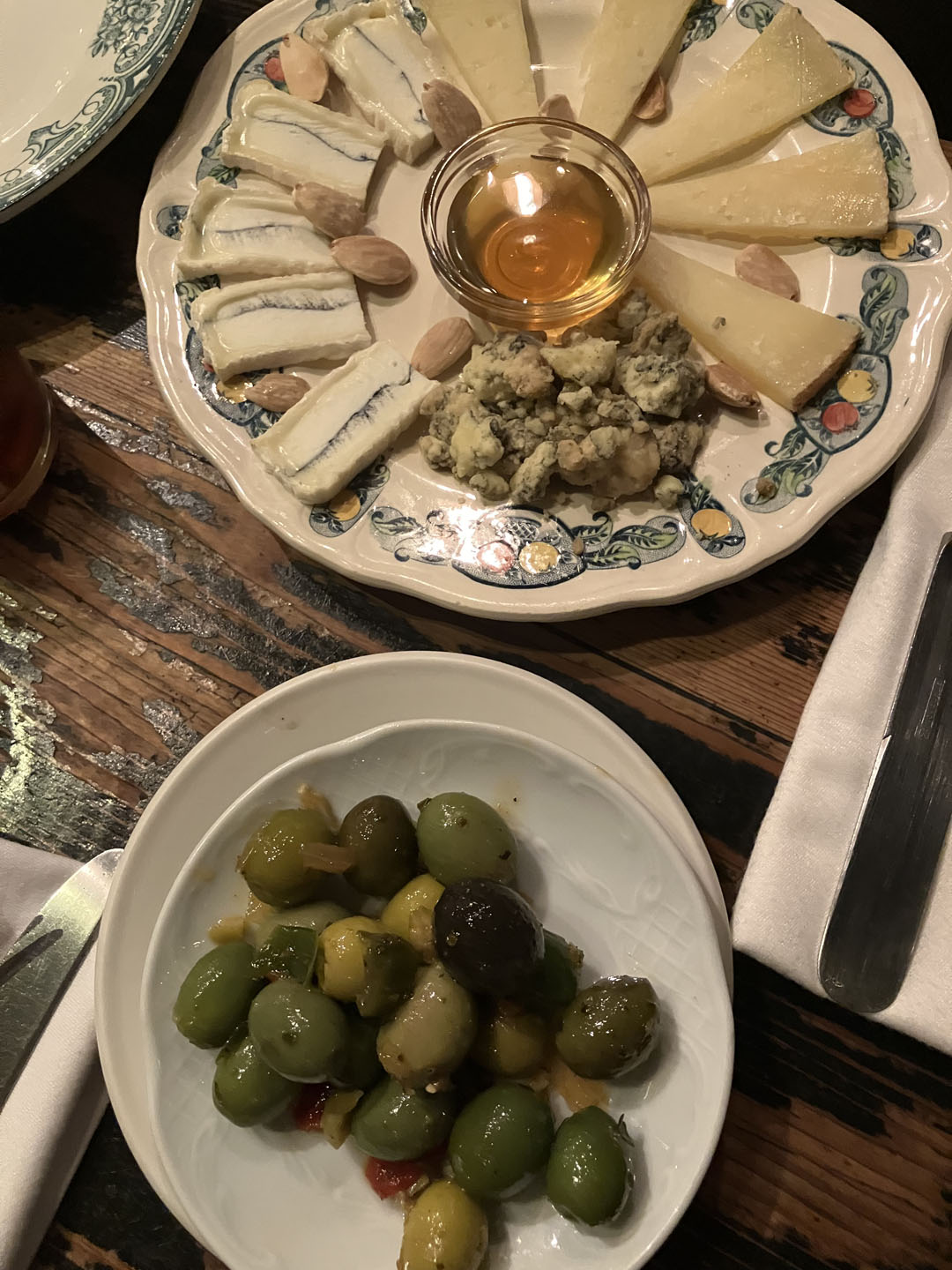
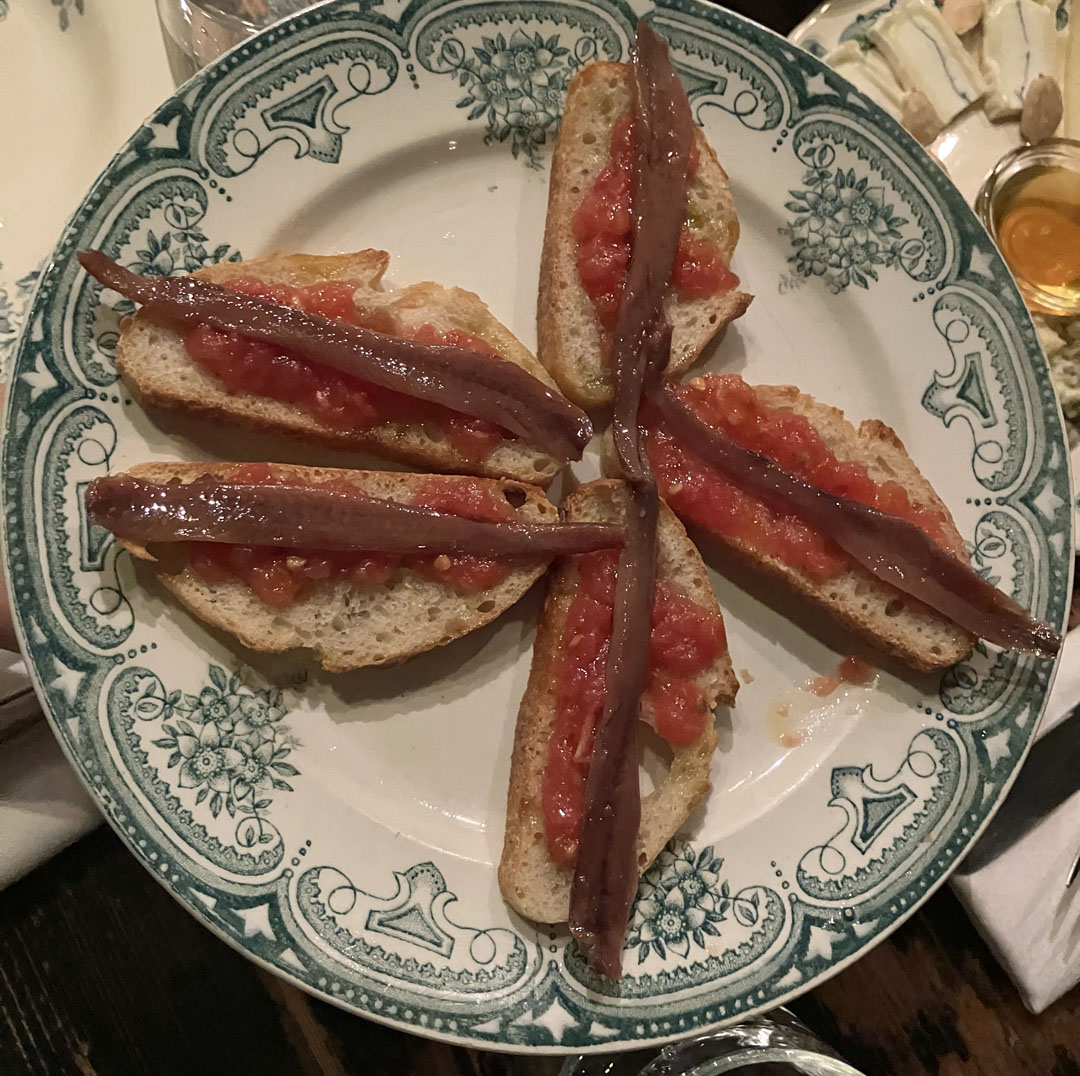
“We inspire unforgettable memories by guiding you on thoughtfully designed journeys through history, architecture, and the finest culinary traditions,” states Preston on the company website. “Every experience is curated with precision, ensuring authenticity, exclusivity, and a seamless celebration of the senses.”
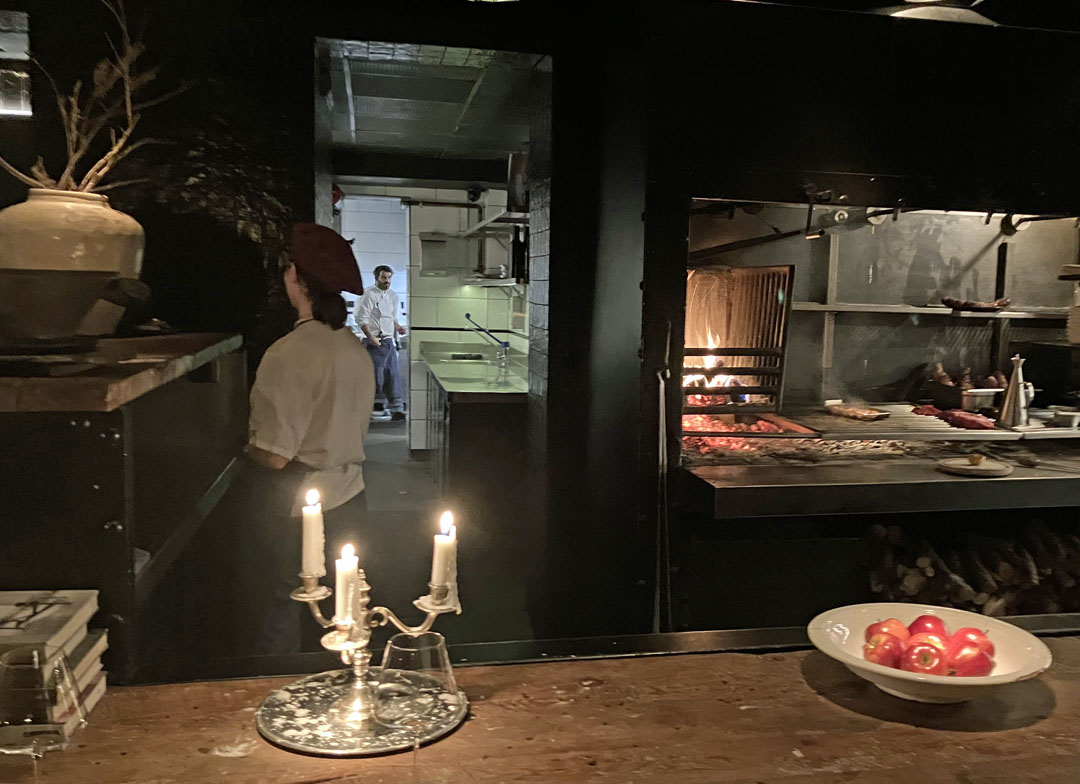
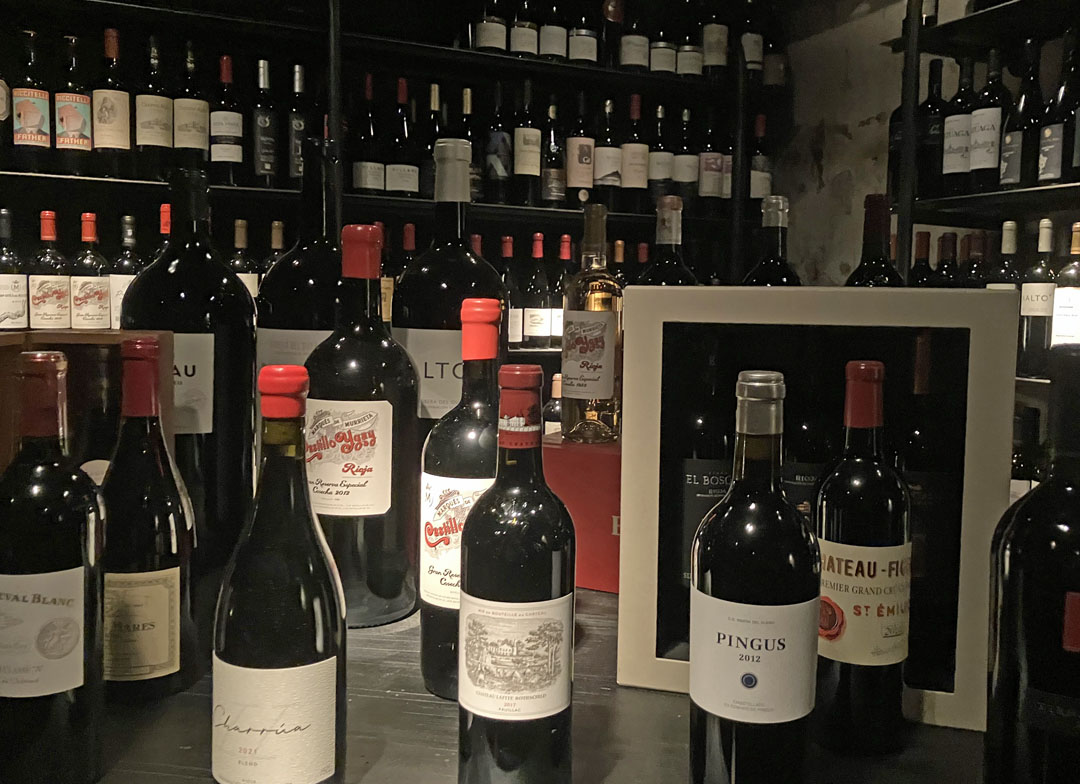

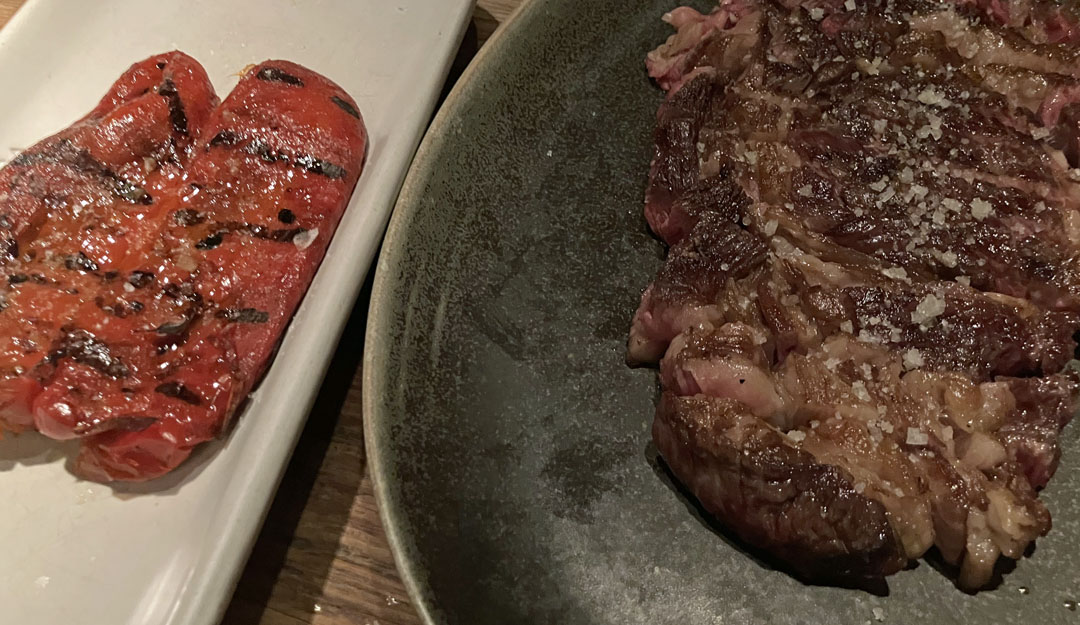
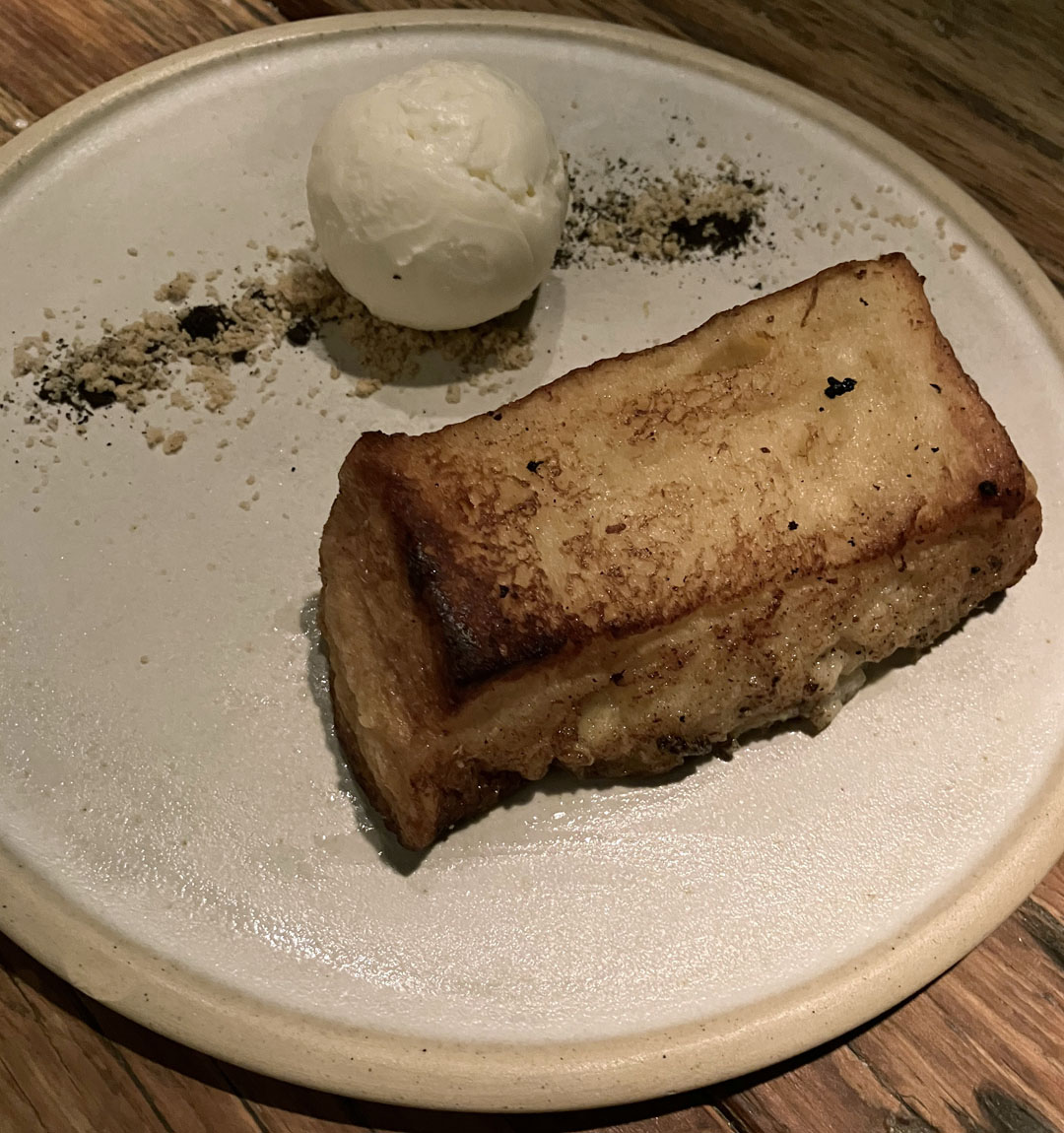
Make sure you allocate about four hours for this fantastic private culinary adventure, and don’t worry about anything—the company provides pick-up and drop-off at your location. https://www.elysiantales.com/aboutus.


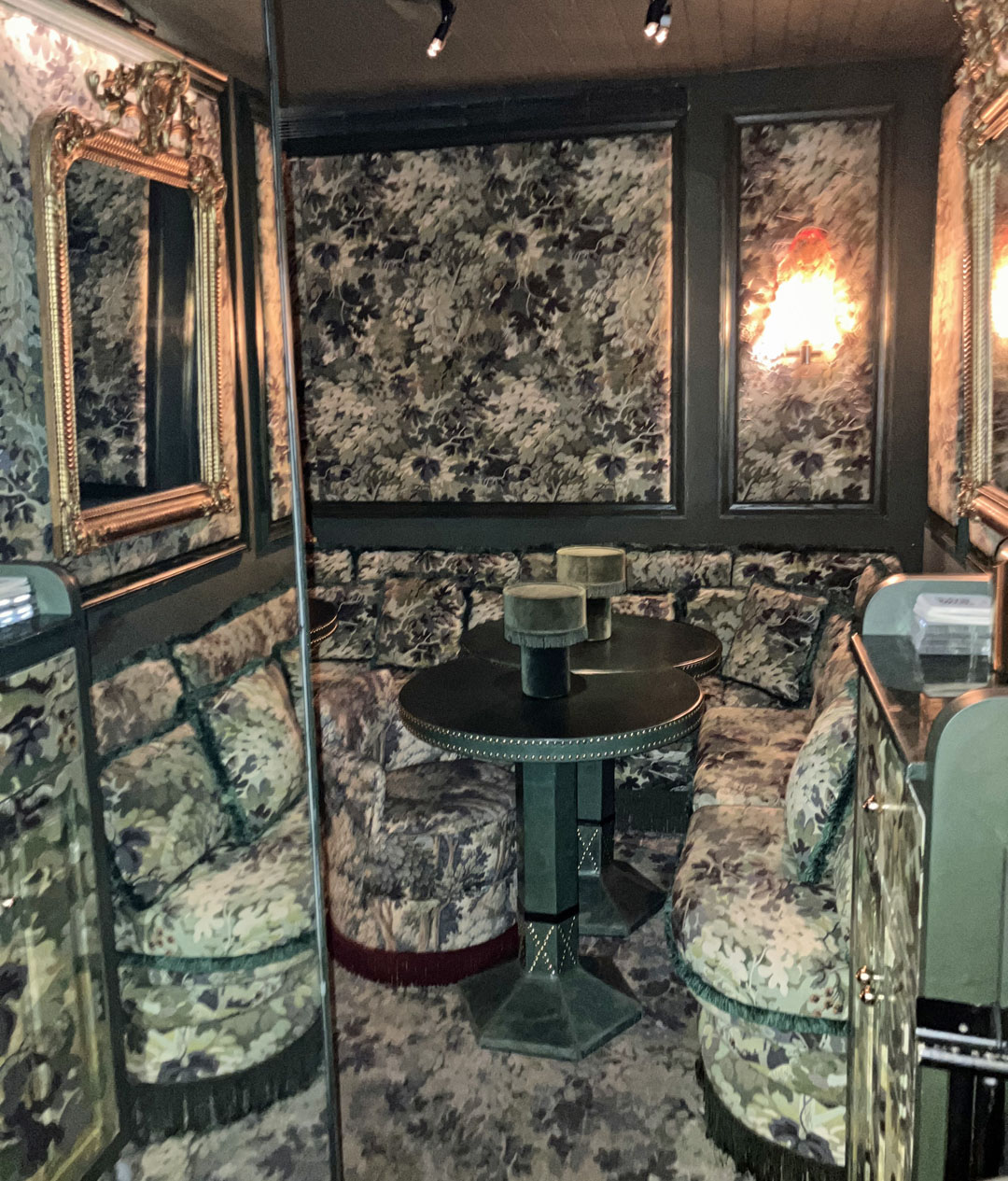
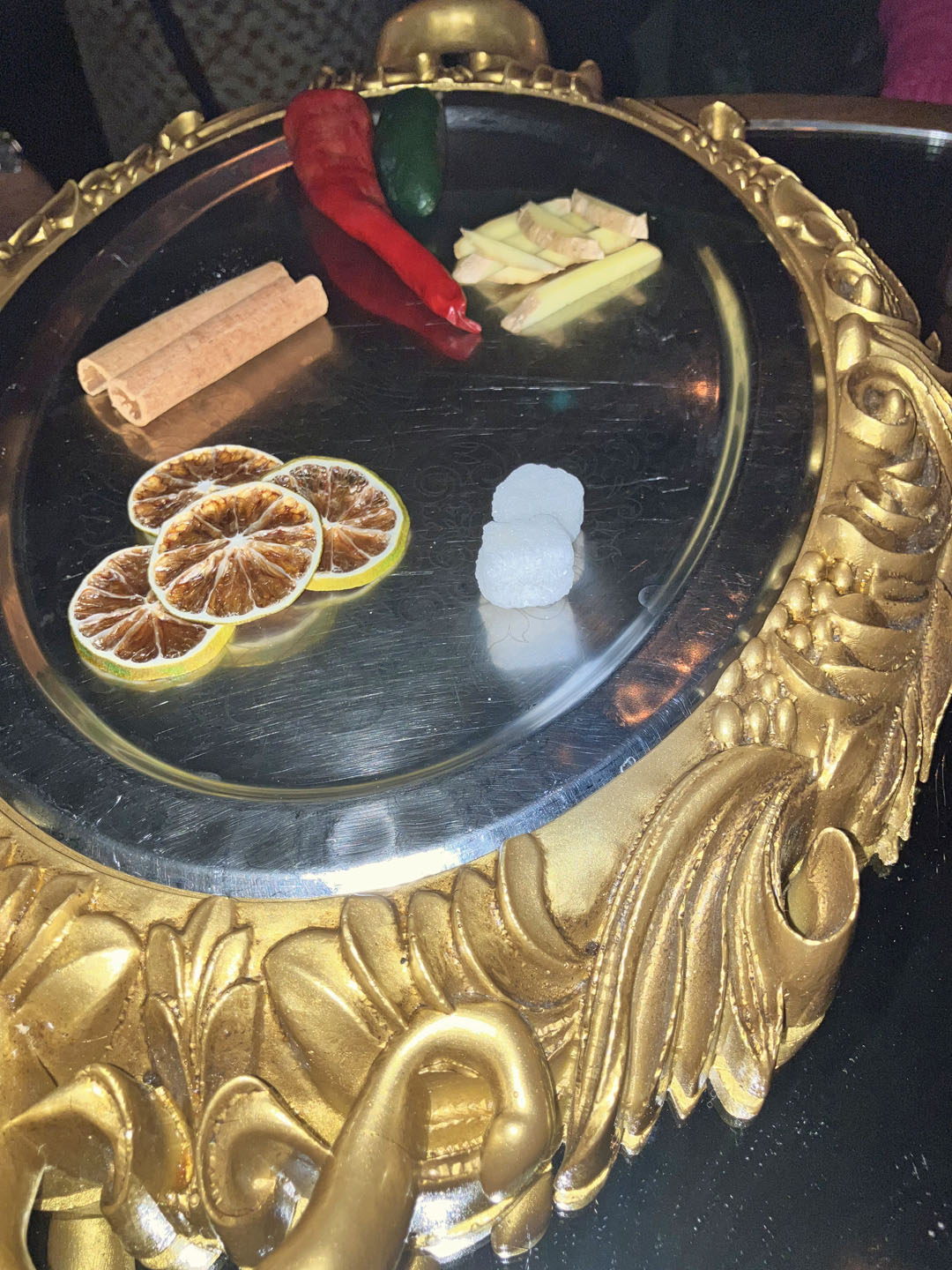
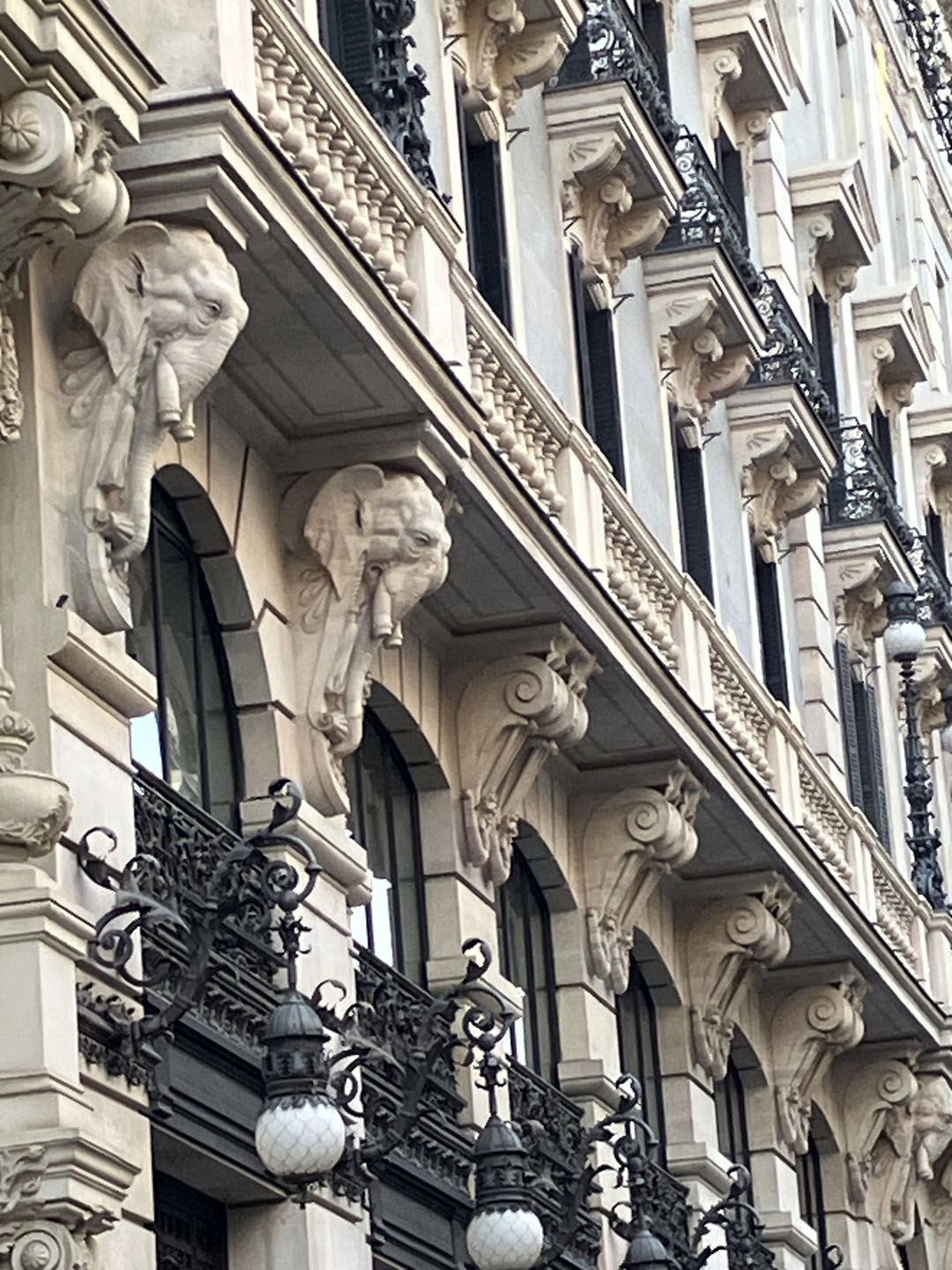
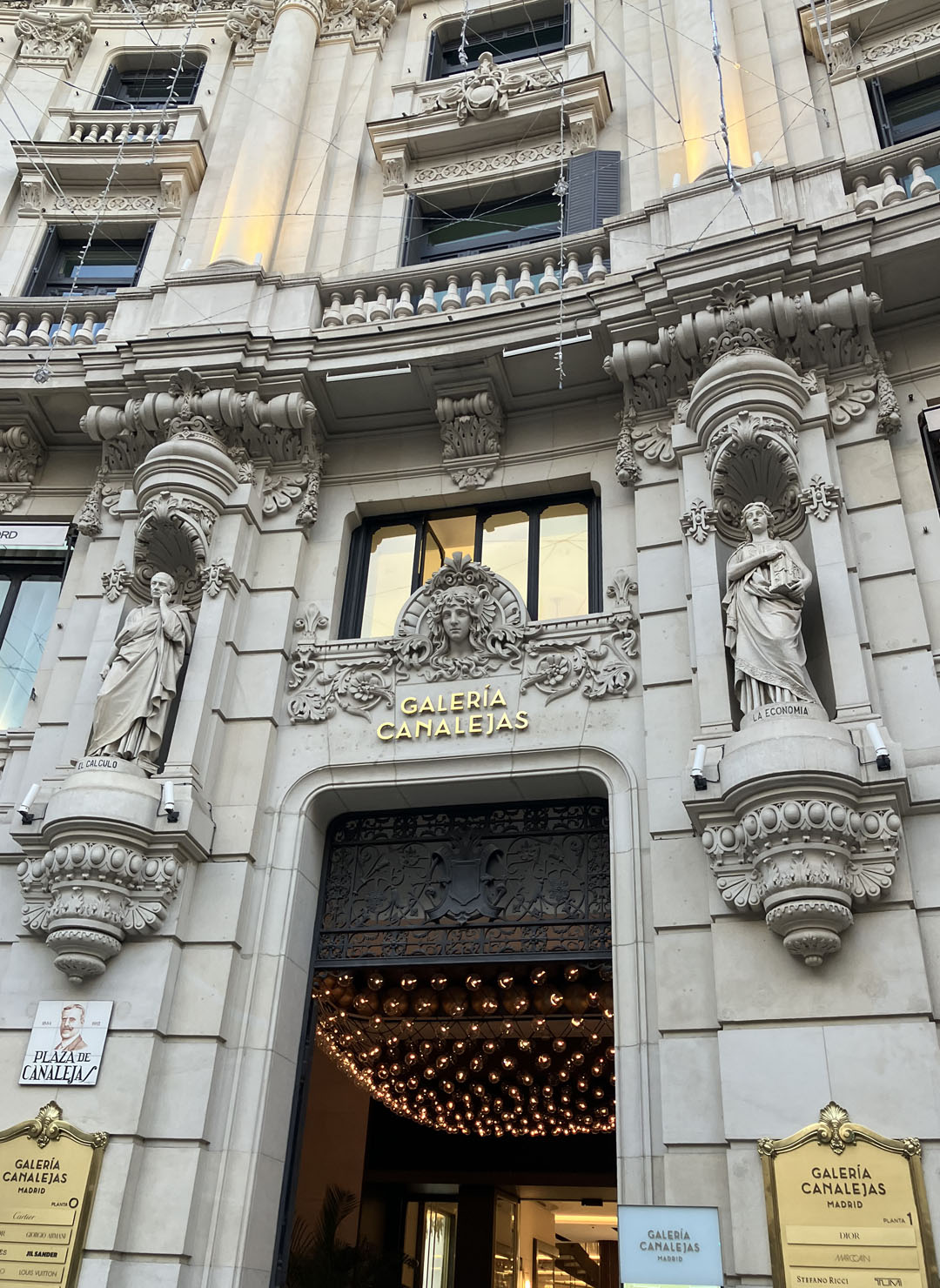
One of the most coveted new restaurants in the city would be Dani Brasserie, a Four Seasons Hotel rooftop in the marvelously renovated Galería Canalejas in Centro district, steps from Puerta del Sol square—a site of Madrid’s medieval city gate and the symbolic center of Spain. Galería Canalejas is a mixed use shopping center comprised of seven architecturally stunning 19th century buildings in the very heart of Madrid.

Formerly insurance and banking venues, the beautifully restored, spacious art-deco facilities now offer high-end shopping, fine dining, and upscale lodging, combining historical elegance with modern luxury.
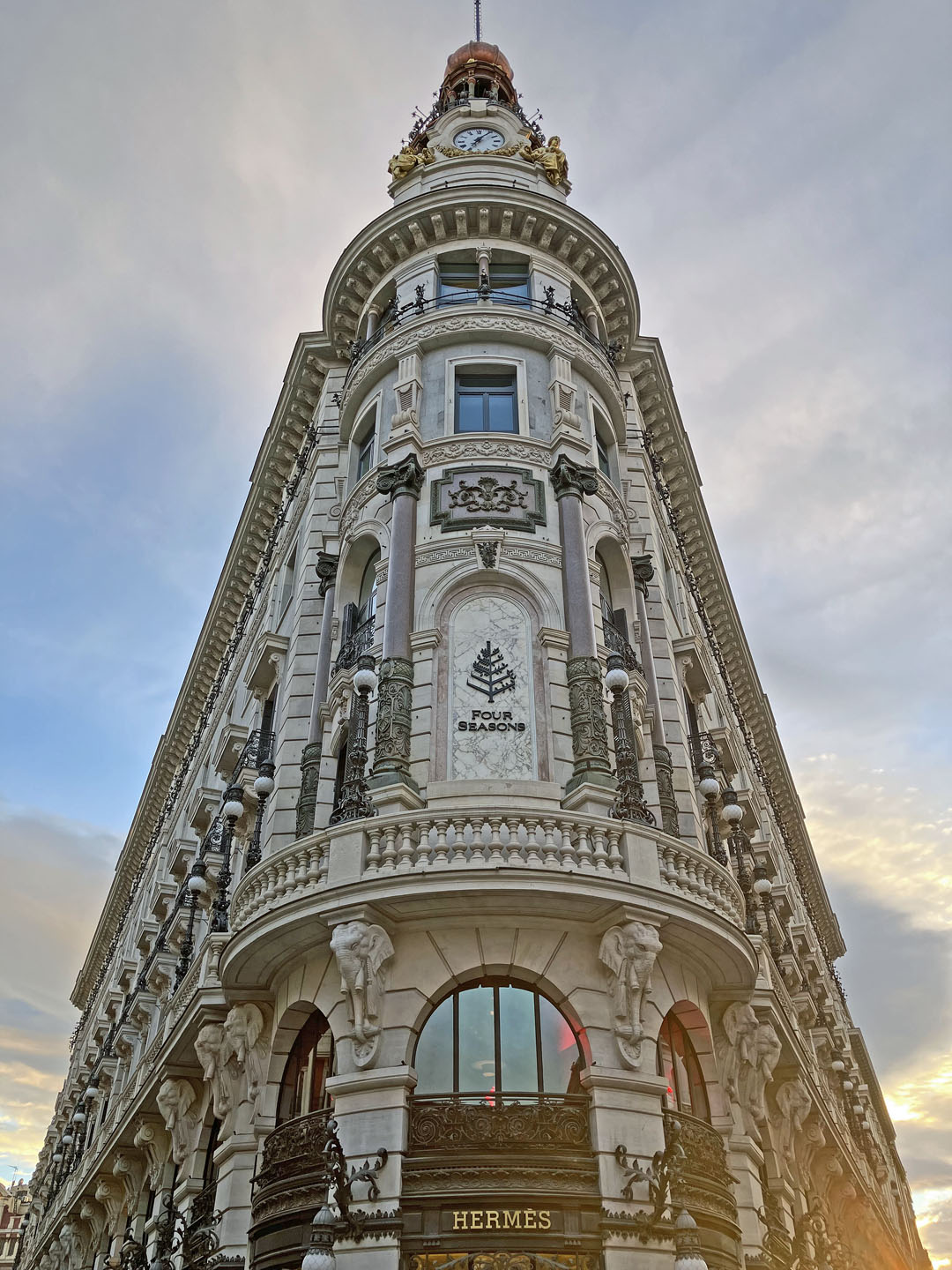
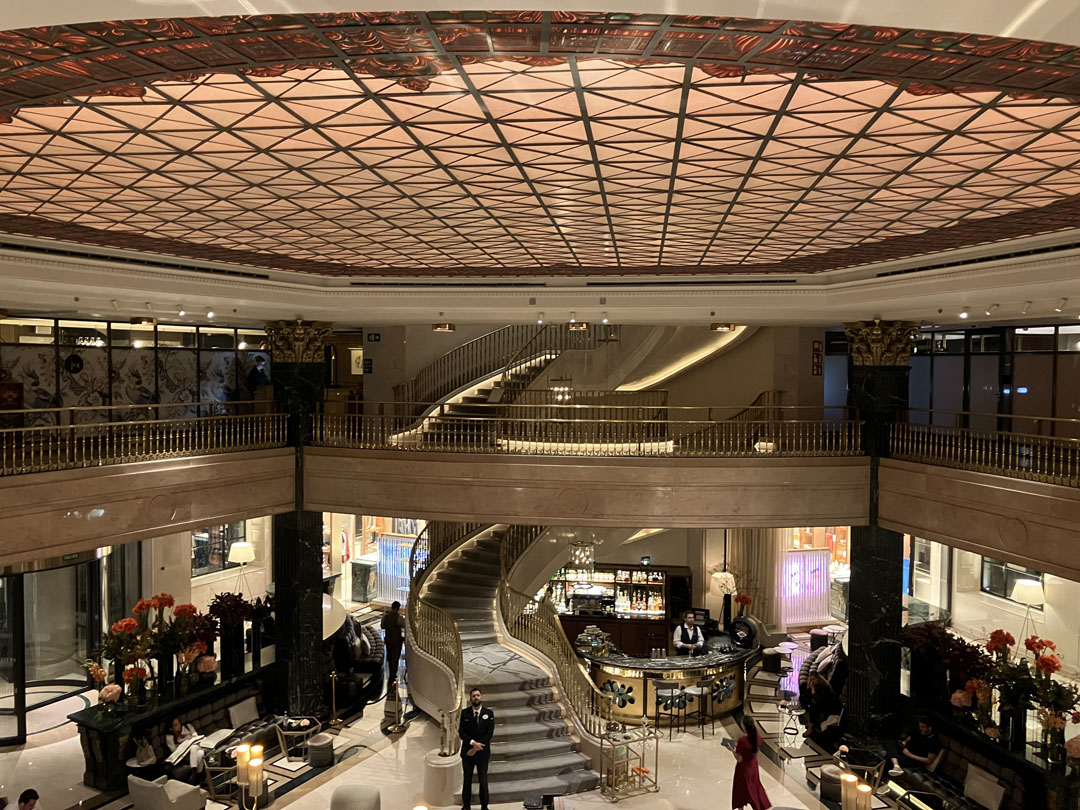
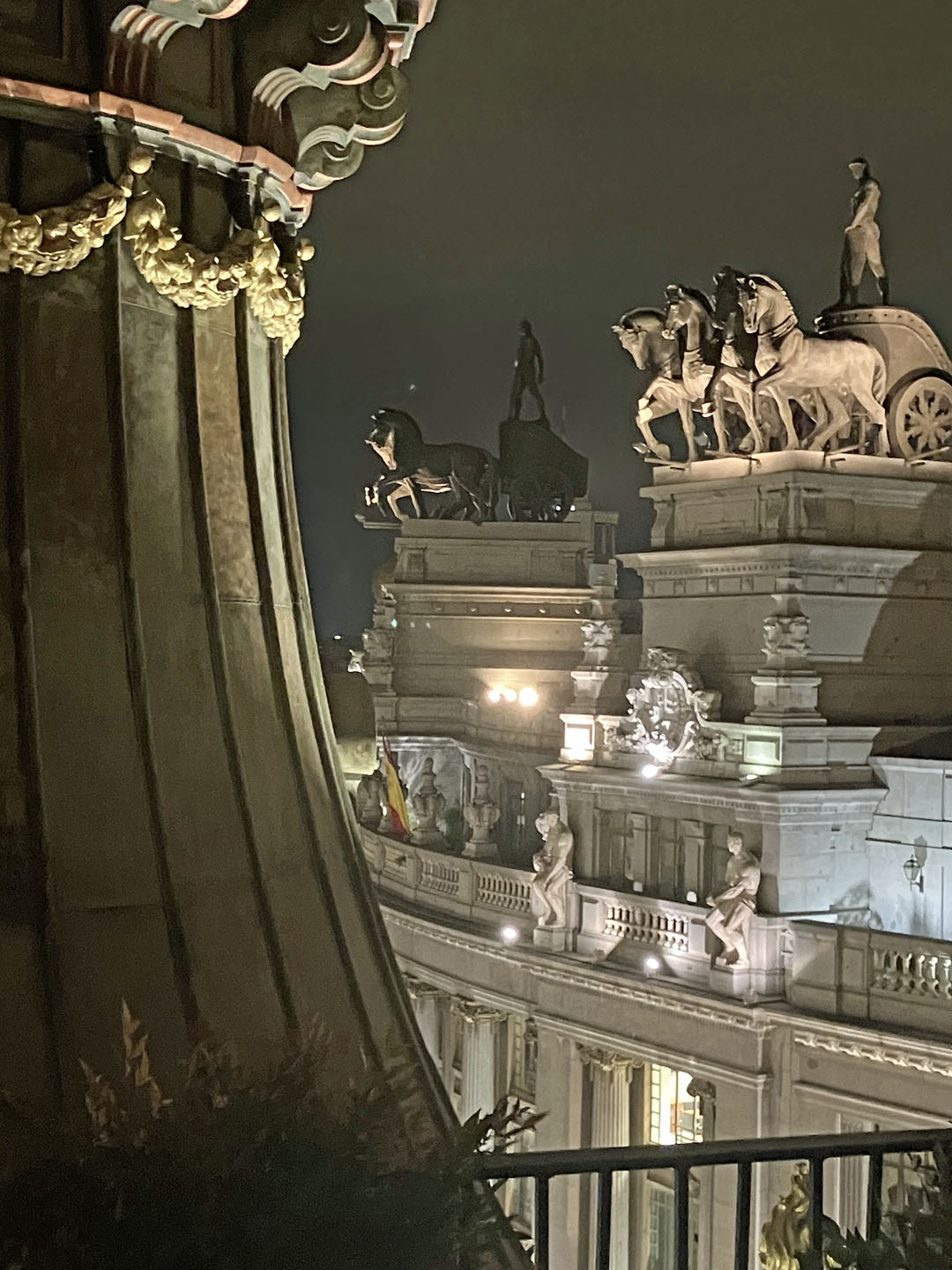
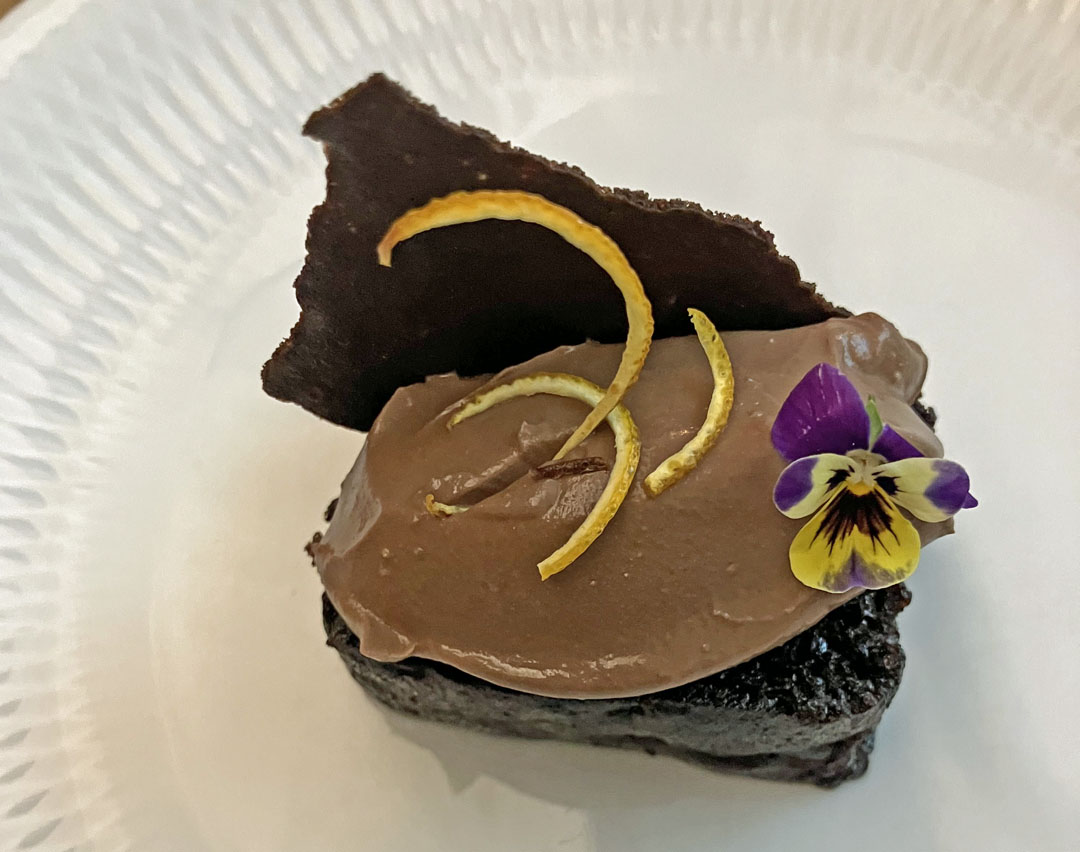
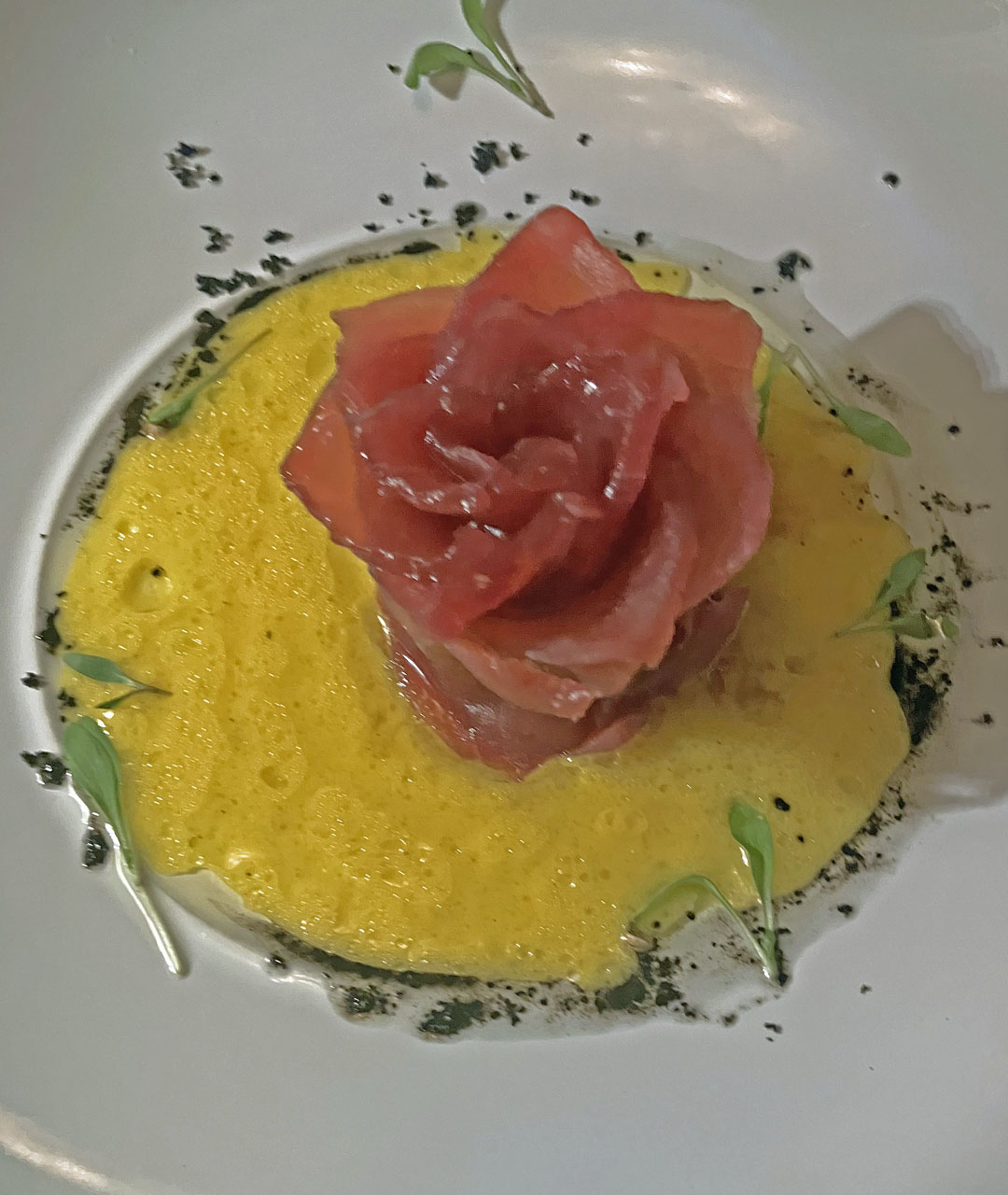
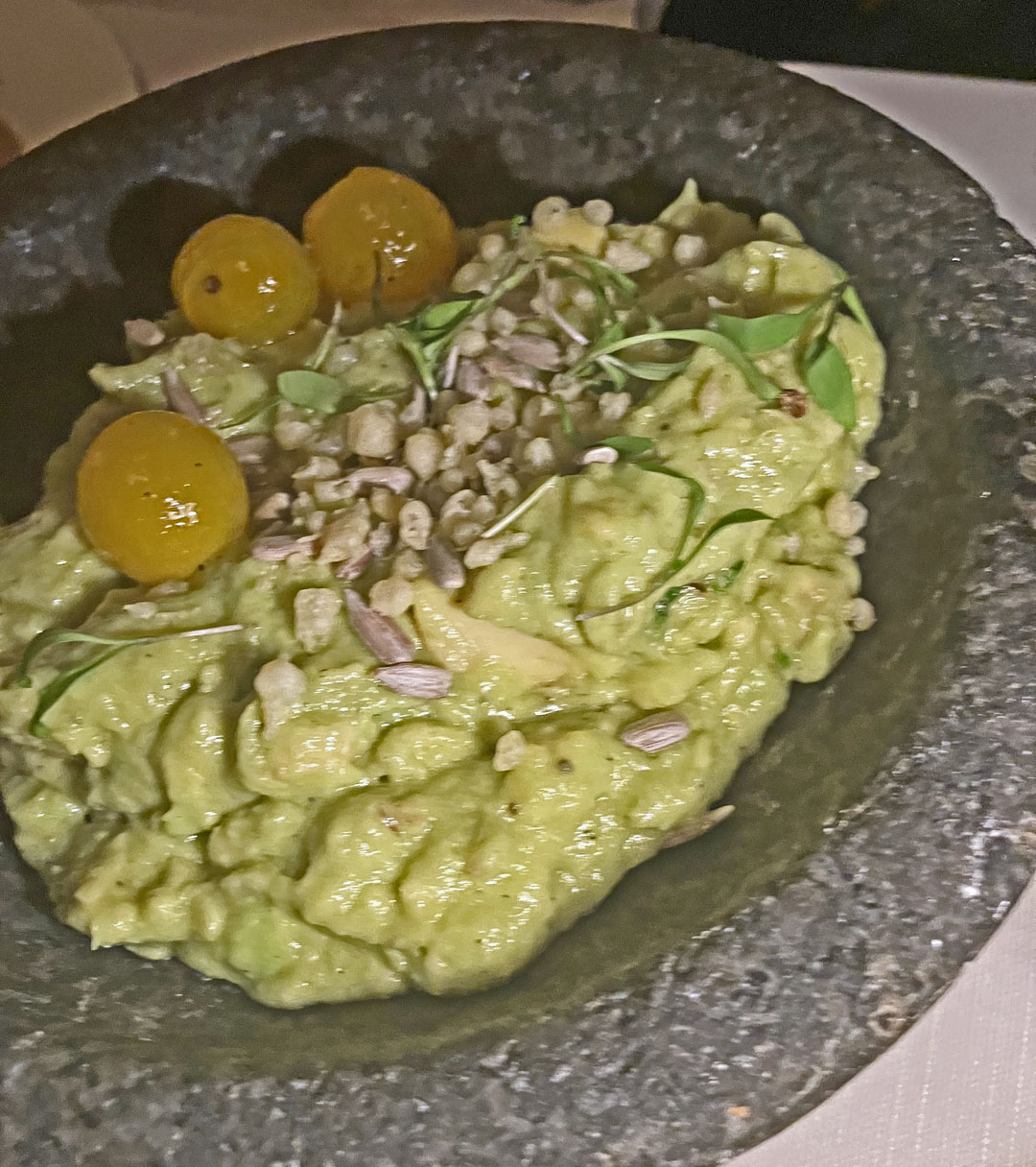
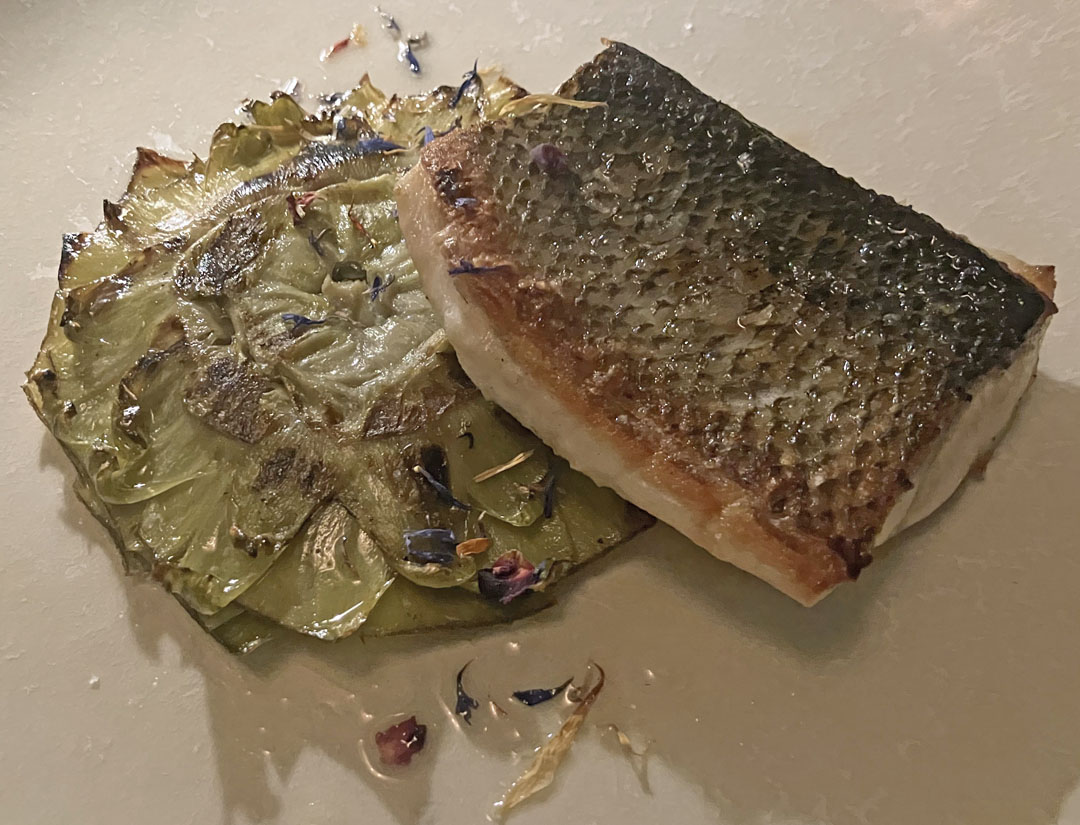
The restaurant is named after Dani García, a Michelin-starred chef, proficient in both Spanish and international cuisine. His focus is on seasonal products, authentic flavors and unique experiences in rather creative dishes, like kale-broccoli salad with honey mustard dressing and black sesame; guacamole with Málaga avocado, semi-dried tomato, edamame, sunflower seeds and tempura; grilled sea bass with lemon oil and grilled artichoke, and creamy chocolate gianduja with coffee sorbet and cardamom. The rooftop location provides unparalleled views of the downtown buildings and avenues. https://www.fourseasons.com/madrid/dining/restaurants/dani/.
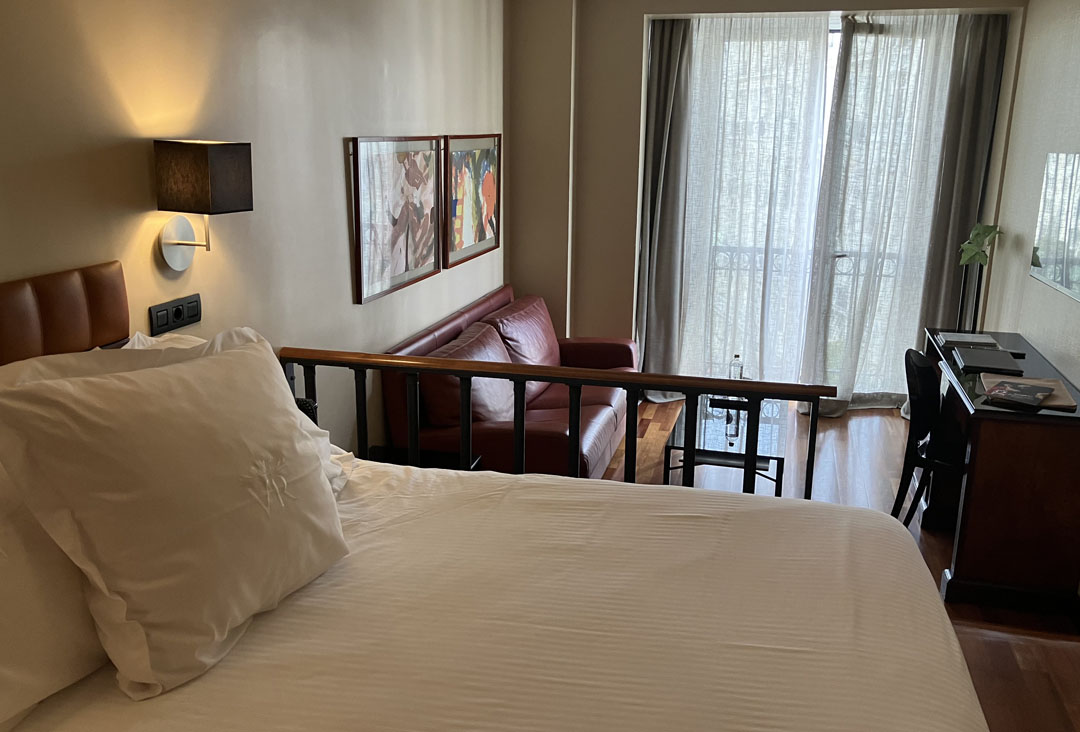
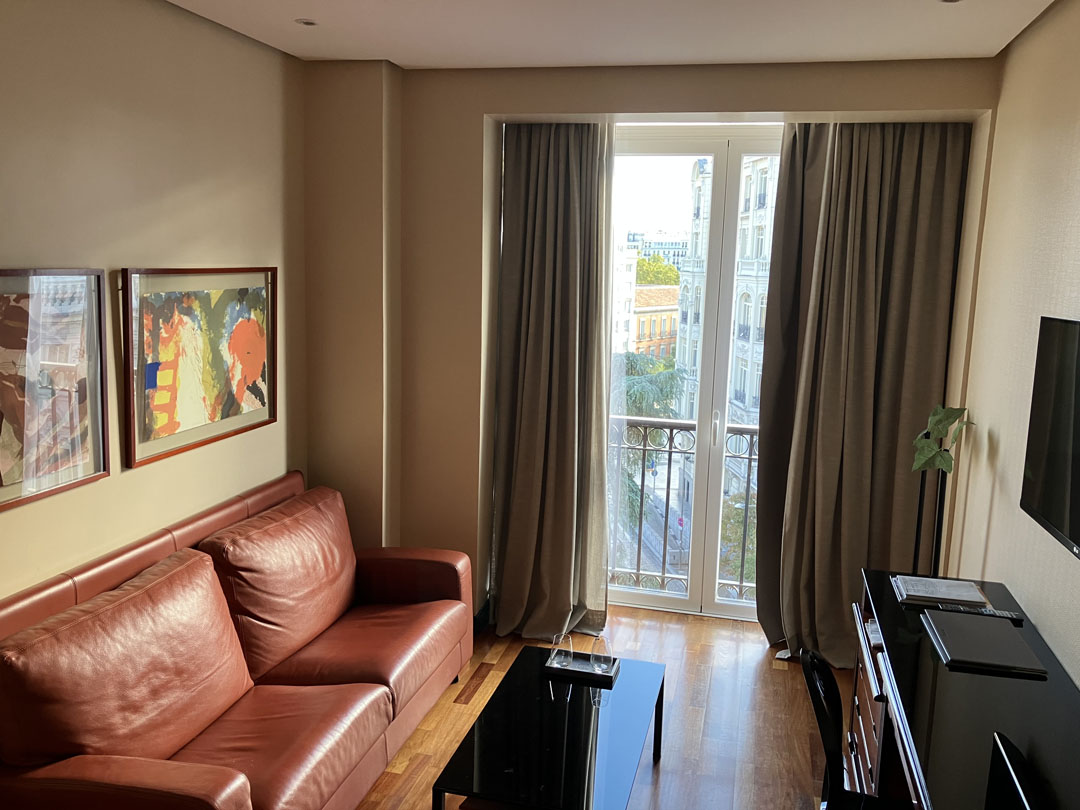
Our group’s five-star home away from home, Hotel Villa Real, next to a park, where live piano music has been performed on warm evenings, featured a large breakfast restaurant, and a cozy East 47 bar, one of the most fashionable and refined gathering places in central Madrid.
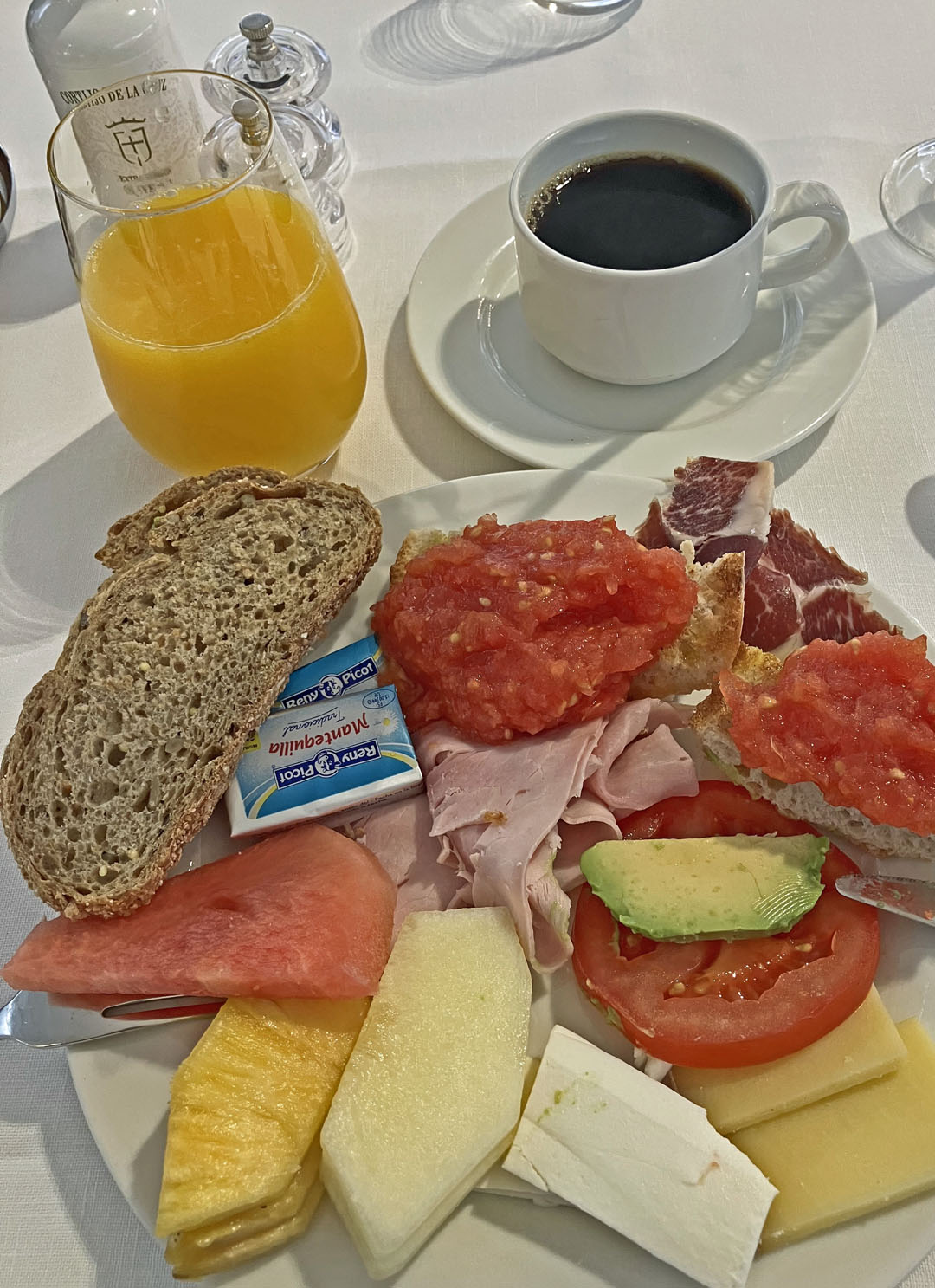
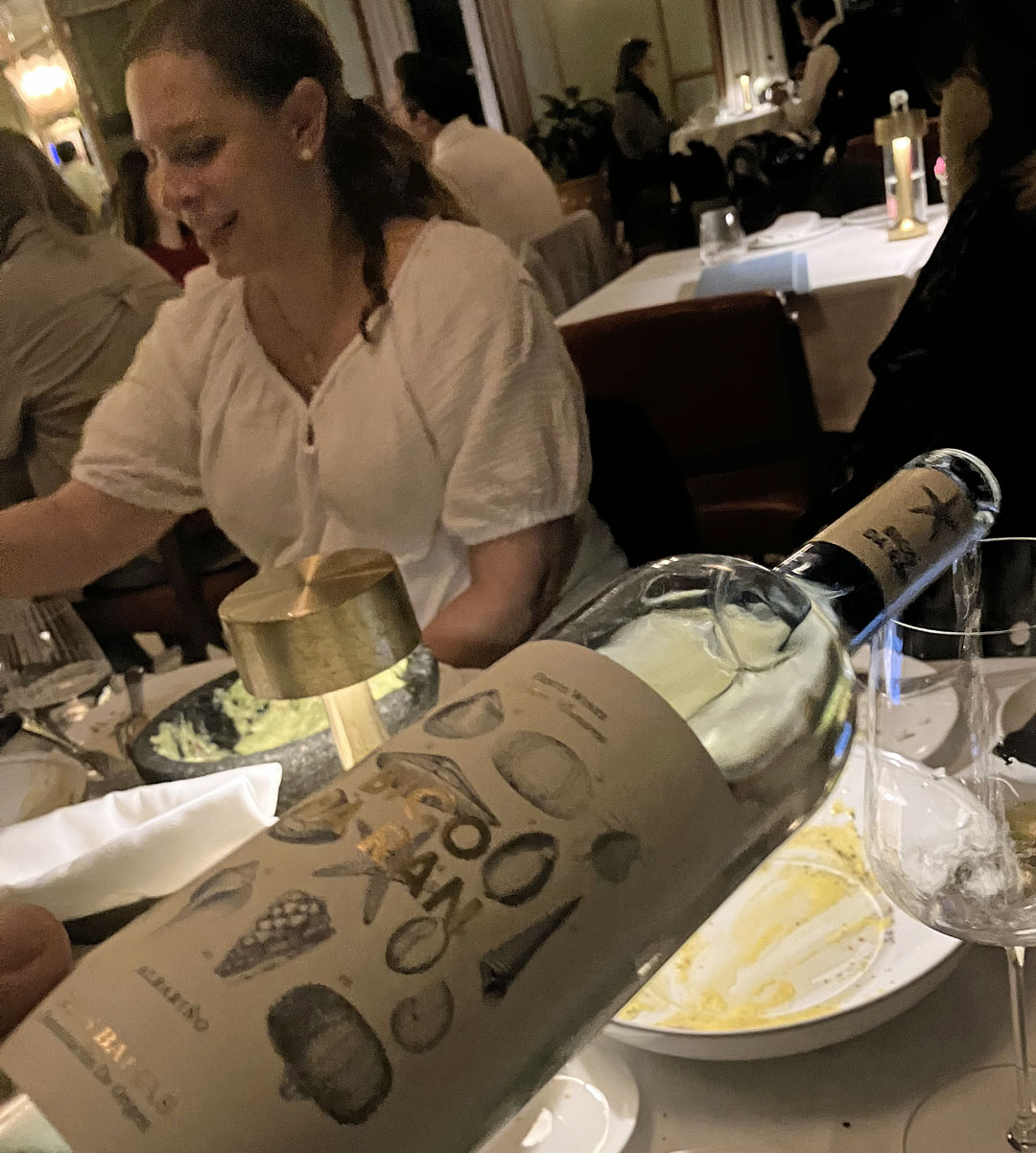
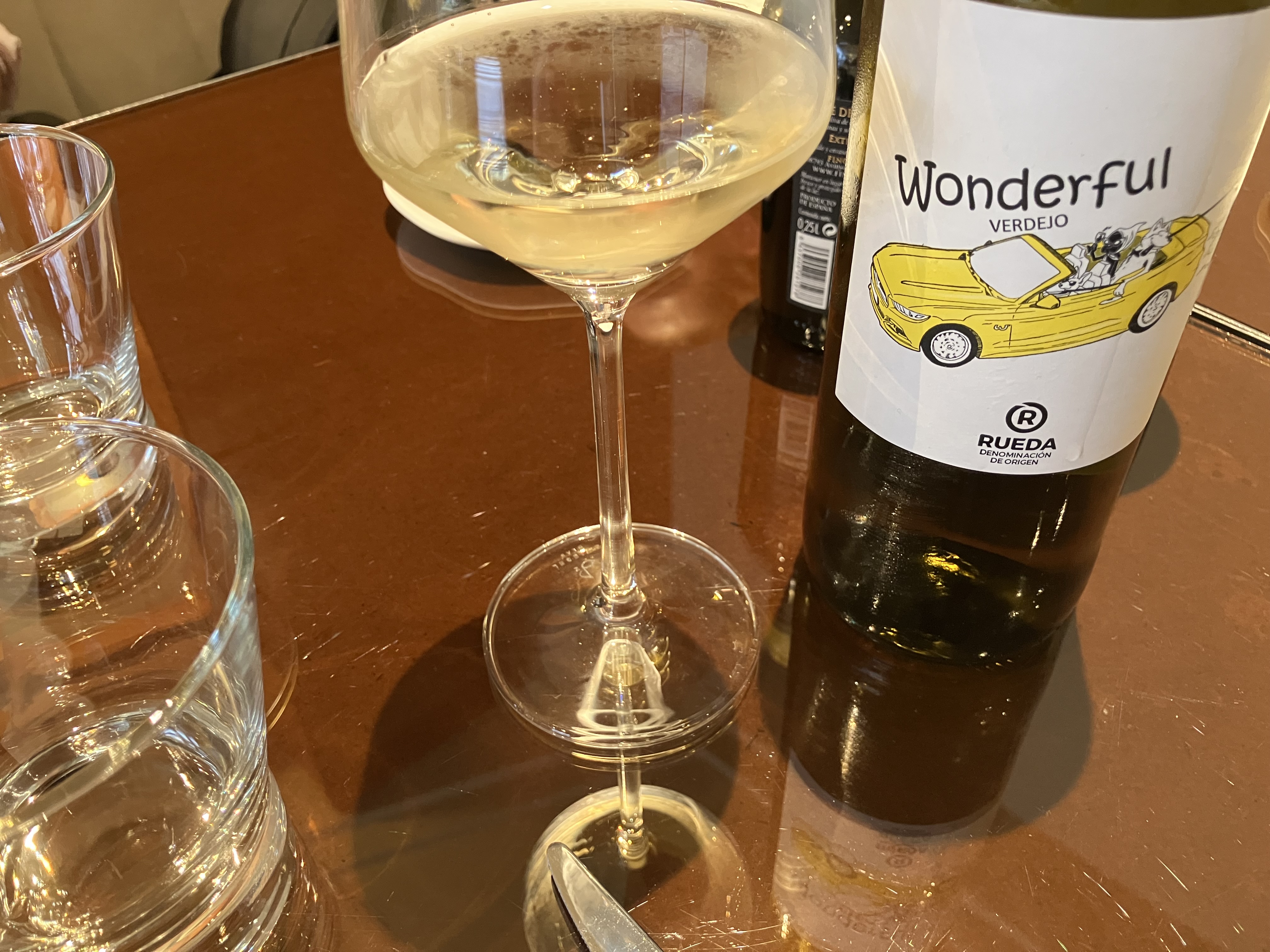
Our celebratory lunch at Villa Real was built on a gourmet menu of apple salad with avocado and mustard vinaigrette, guinea fowl stuffed with foie gras, couscous and vegetables, and caramelized briochelle with strawberry ice cream. A delightful Spanish white, refreshing and aromatic Wonderful Verdejo, and a tempranillo-based Alcorta Rioja with well-balanced fruit, spice, and oak notes, accompanied our sophisticated meal.
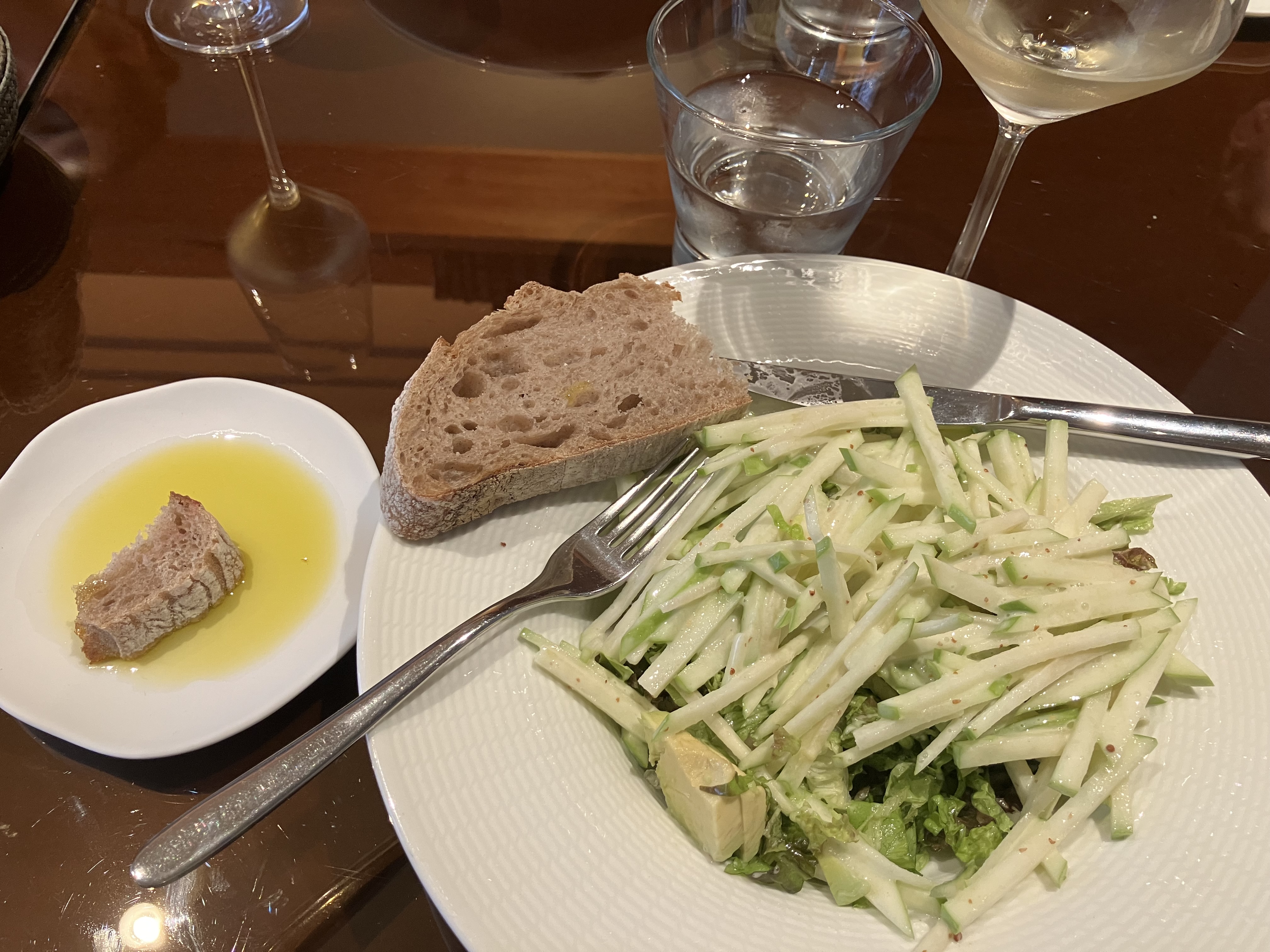
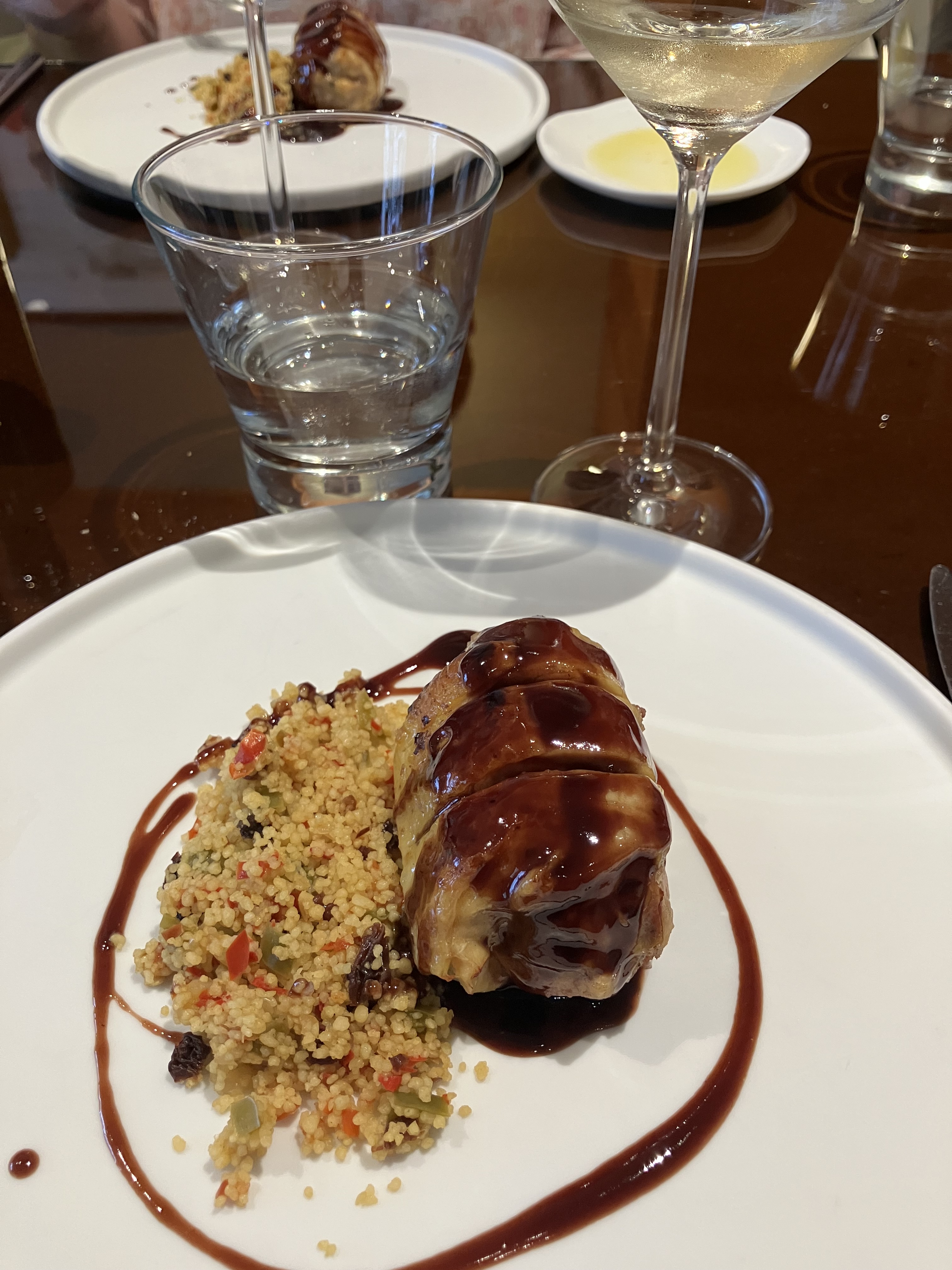
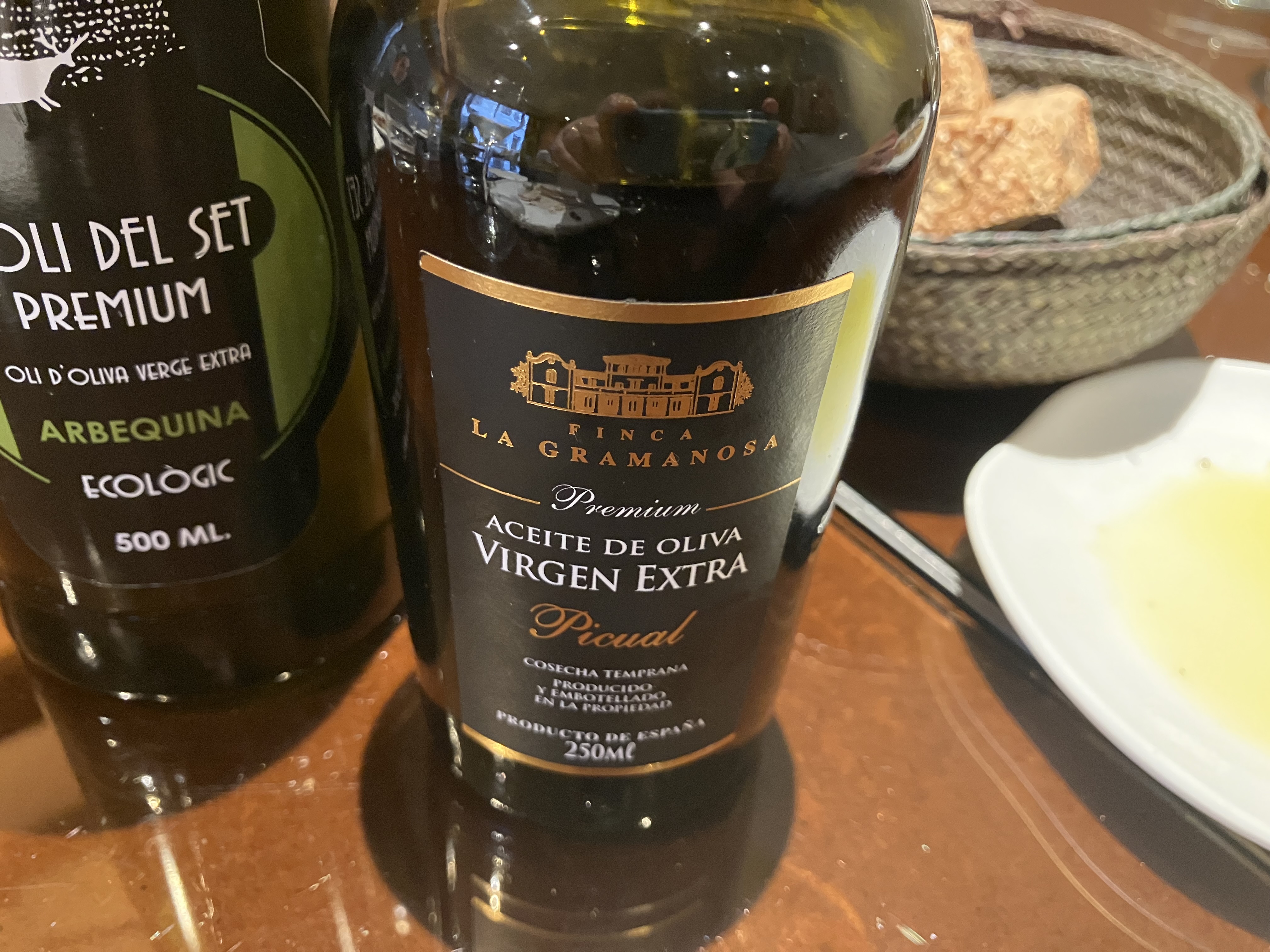
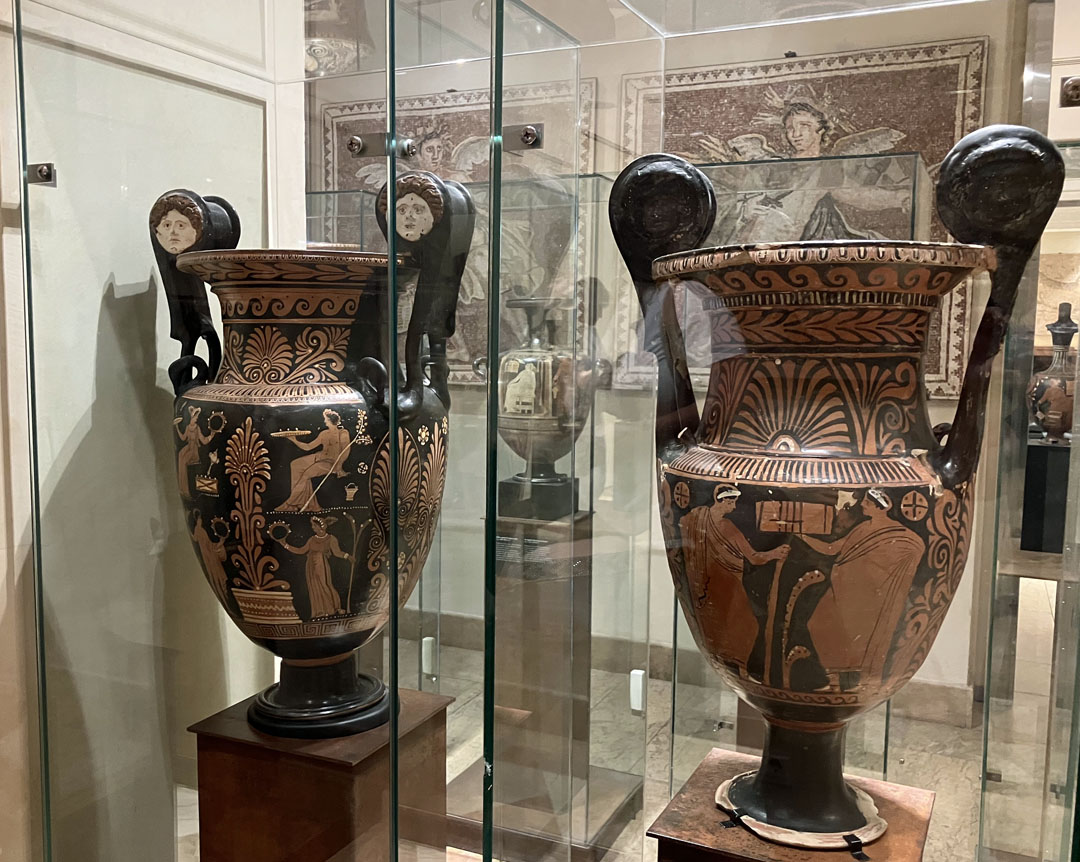
Located in the cultural, political and financial center of Madrid, Plaza de las Cortes, opposite the Spanish Parliament and a few minutes from the Prado Museum, Retiro Park, and other major tourist sites, Hotel Villa Real possesses its own museum of archeological artifacts. A selection of ancient Roman mosaics, dated between the 2nd and 6th centuries AD and more than 100 pieces of art from antiquity are located on the first floor of the hotel, and found throughout the hotel lounges, hallways, common areas and guestrooms. https://www.hotelvillareal.com/en/location.
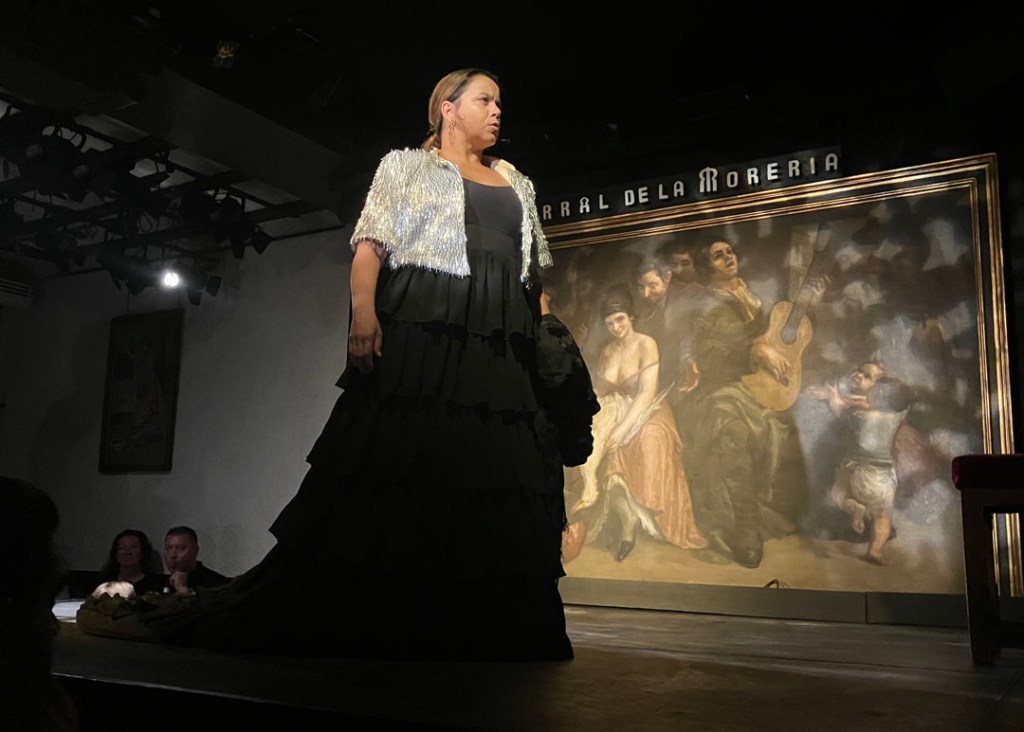
We couldn’t have left Madrid without attending its most prized intangible attraction! For our bittersweet farewell to the city of many wonders, we attended a flamenco show and dinner at Corral de la Morería, considered the “Cathedral of Flamenco Art” in Spain. Corral de la Morería was founded by Manuel del Rey in 1956 and since then, became the most known flamenco tablao in the world, and “the most passionate show in Madrid.” Currently owned and managed by the family—Bianca del Rey, one of the most important choreographers and dancers in the history of flamenco, awarded the Gold Medal for Fine Arts by the King and Queen of Spain, and her two sons, Armando and Juanma—the venue became a multiple award-winning tablao (flamenco stage) and a Michelin-starred restaurant.
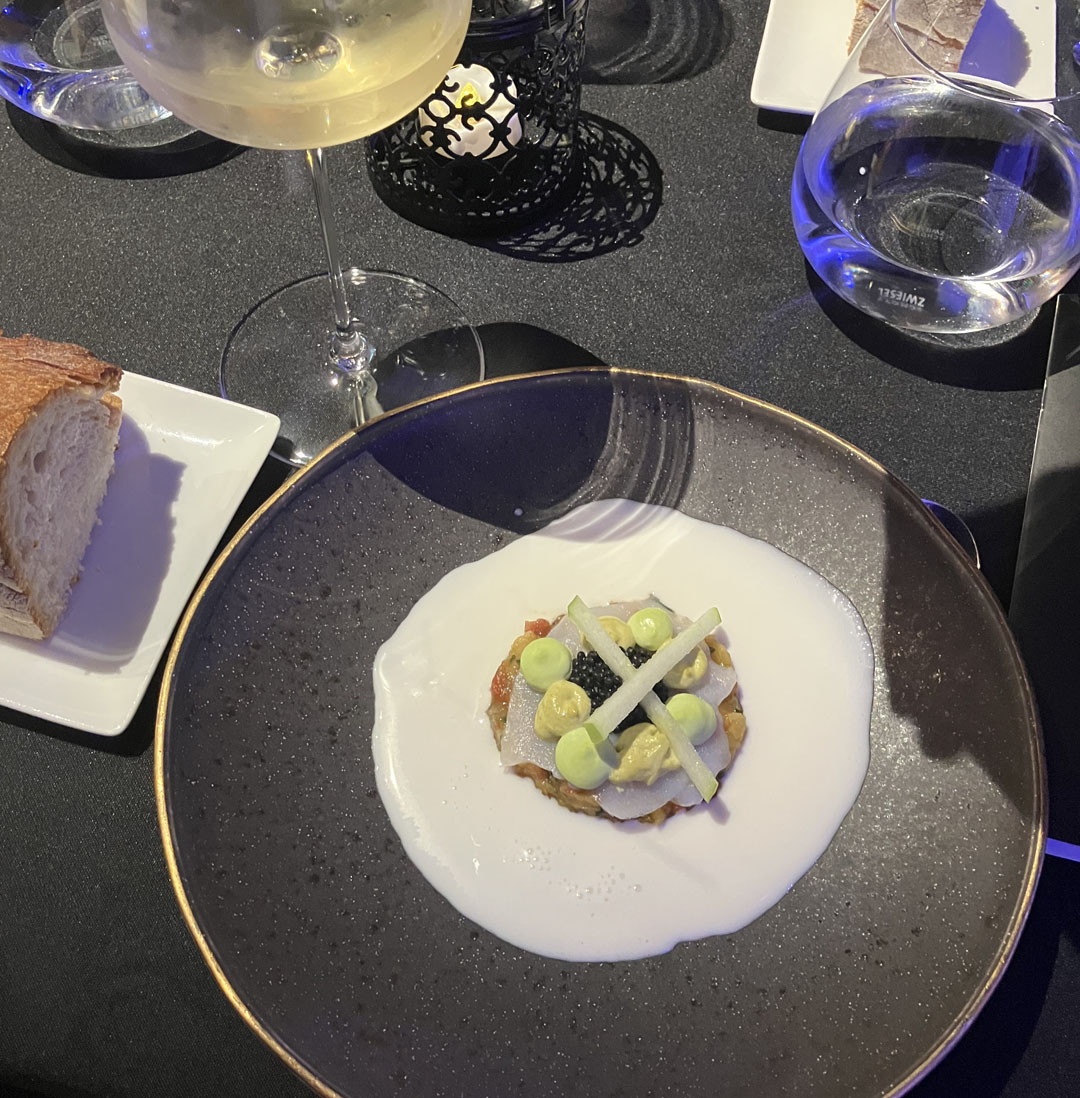
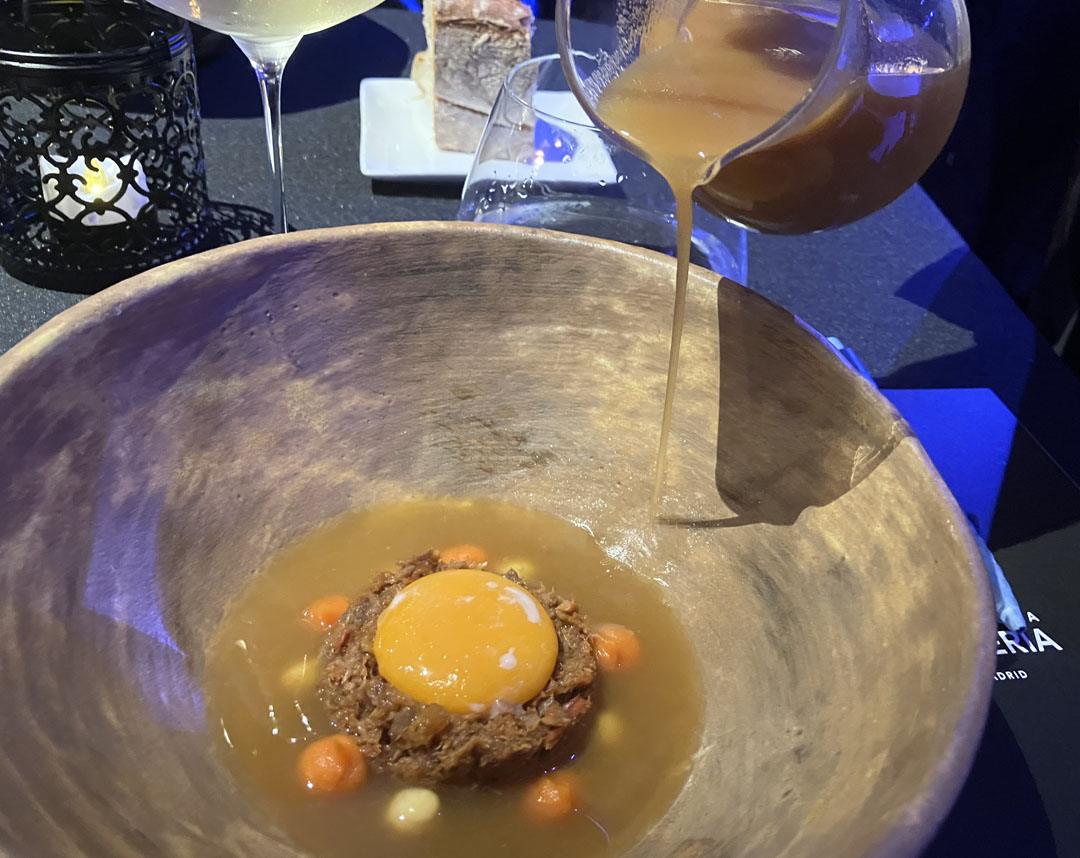
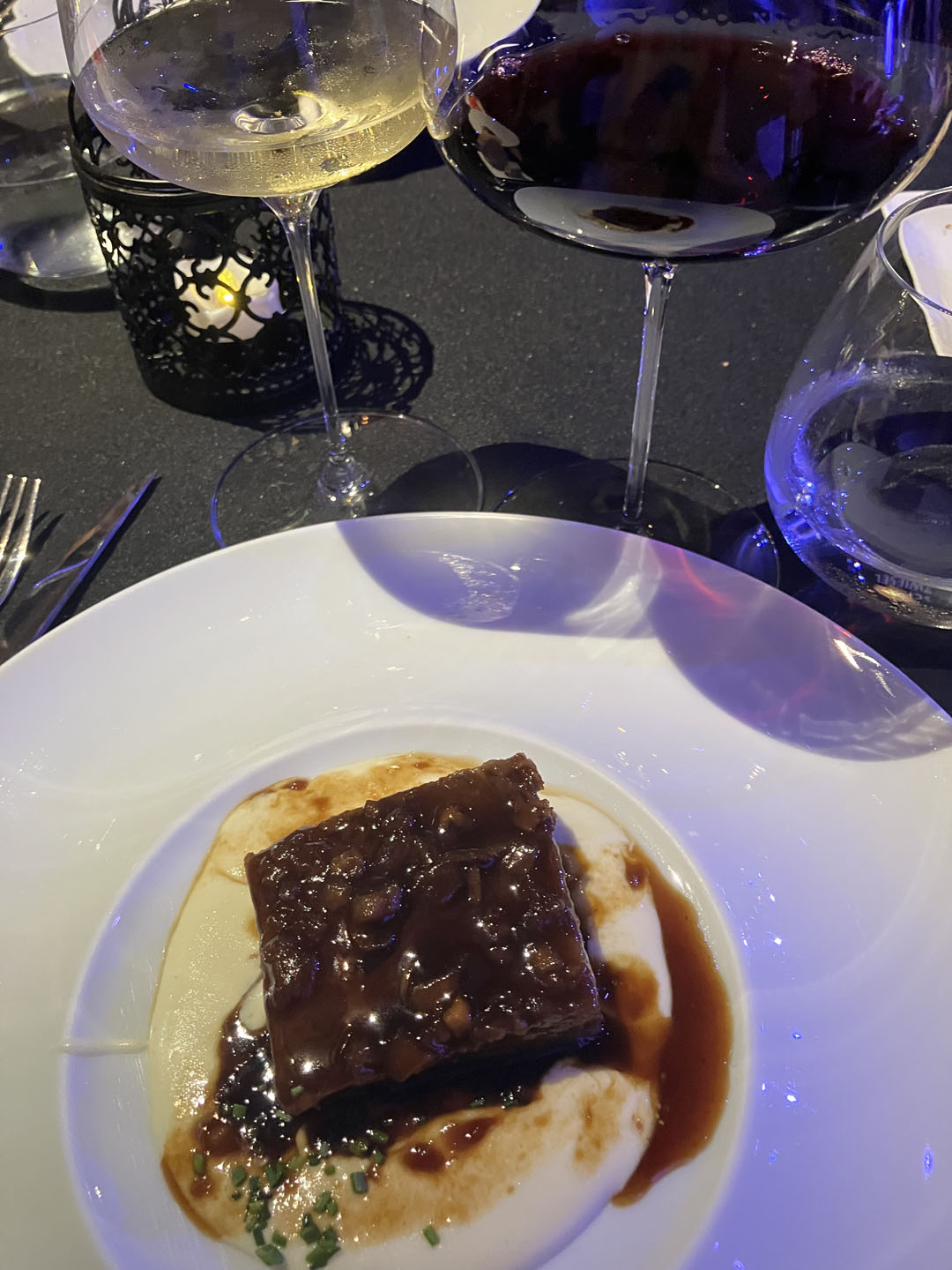
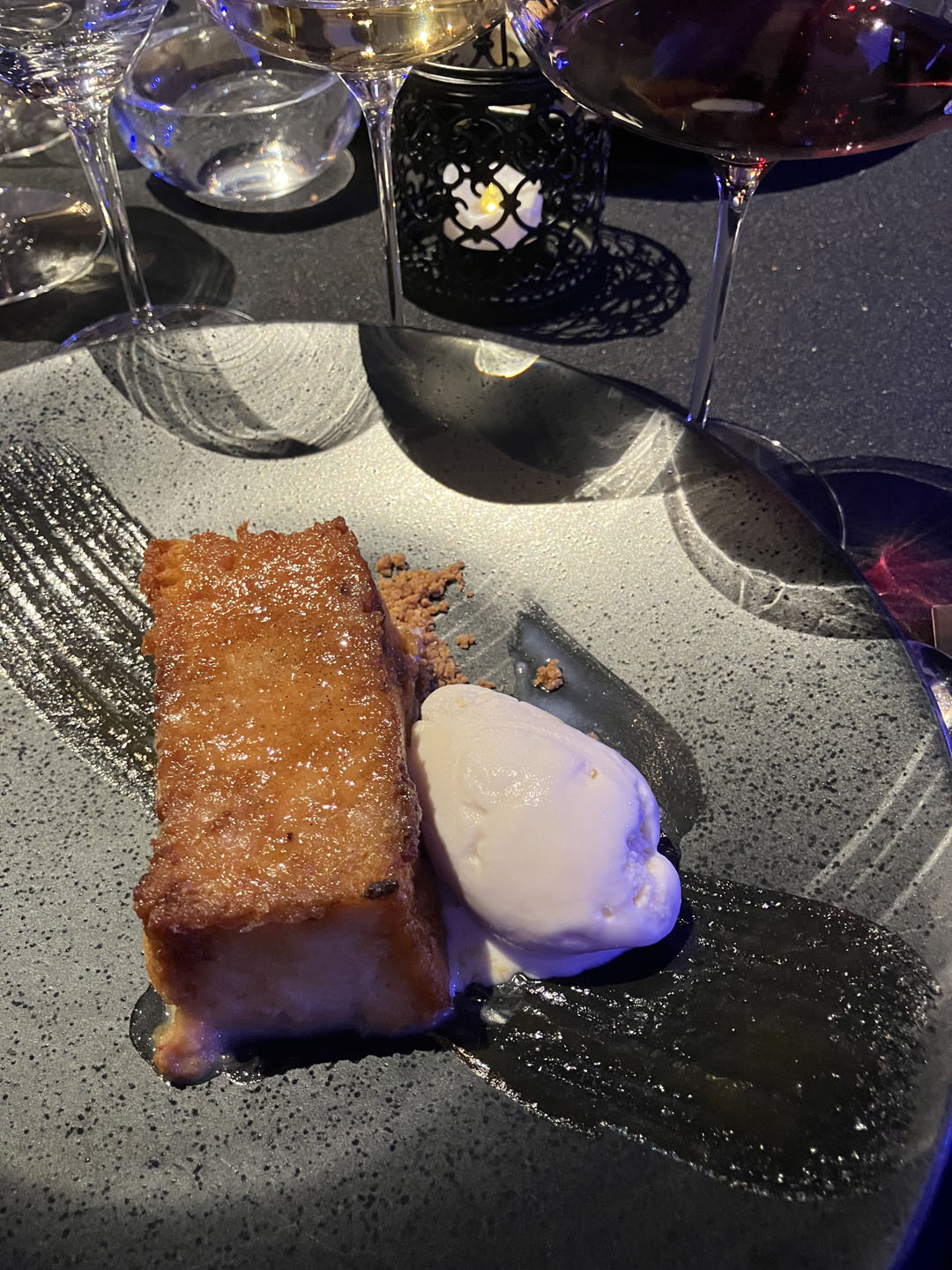

The evening at Corral de la Morería starts with a four-course dinner prepared by Chef David García, a Bilbao native, whose cooking features his Basque roots and puts emphasis on organic produce, high-quality raw ingredients, and new experiences for all senses.
“Bringing the world’s best flamenco artists together with the world of haute cuisine is a great idea,” says Chef García. “It’s pure emotion in all senses of the word. Flamenco is universal, and Corral de la Morería is a one-of-a-kind place in the world.”
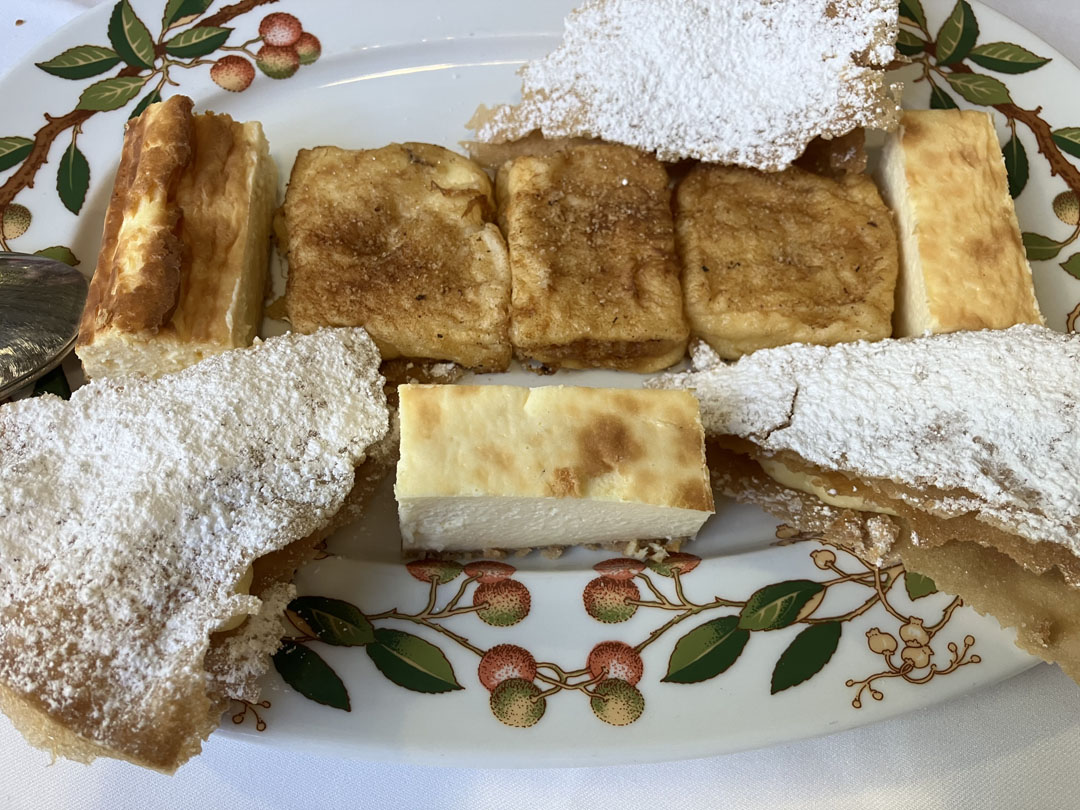
Our fantastic feast of the evening started with scallop carpaccio mixed with tomato tartar and dates, and bathed in coconut ajoblanco—a traditional creamy Andalusian cold soup made from blended almonds, garlic, and olive oil. It proceeded to a 63-degree egg yolk over shredded beef, then to braised veal with sautéed mushrooms and mashed potatoes, and culminated in caramelized French toast made with fresh milk and served with banana ice cream. Each dish looking like a piece of art, was paired with a special wine from the establishment’s own selection. Then the time came for the flamenco performance.
“Flamenco is the only dance in the world where the music follows the dancer, not the other way around,” said Armando del Rey.
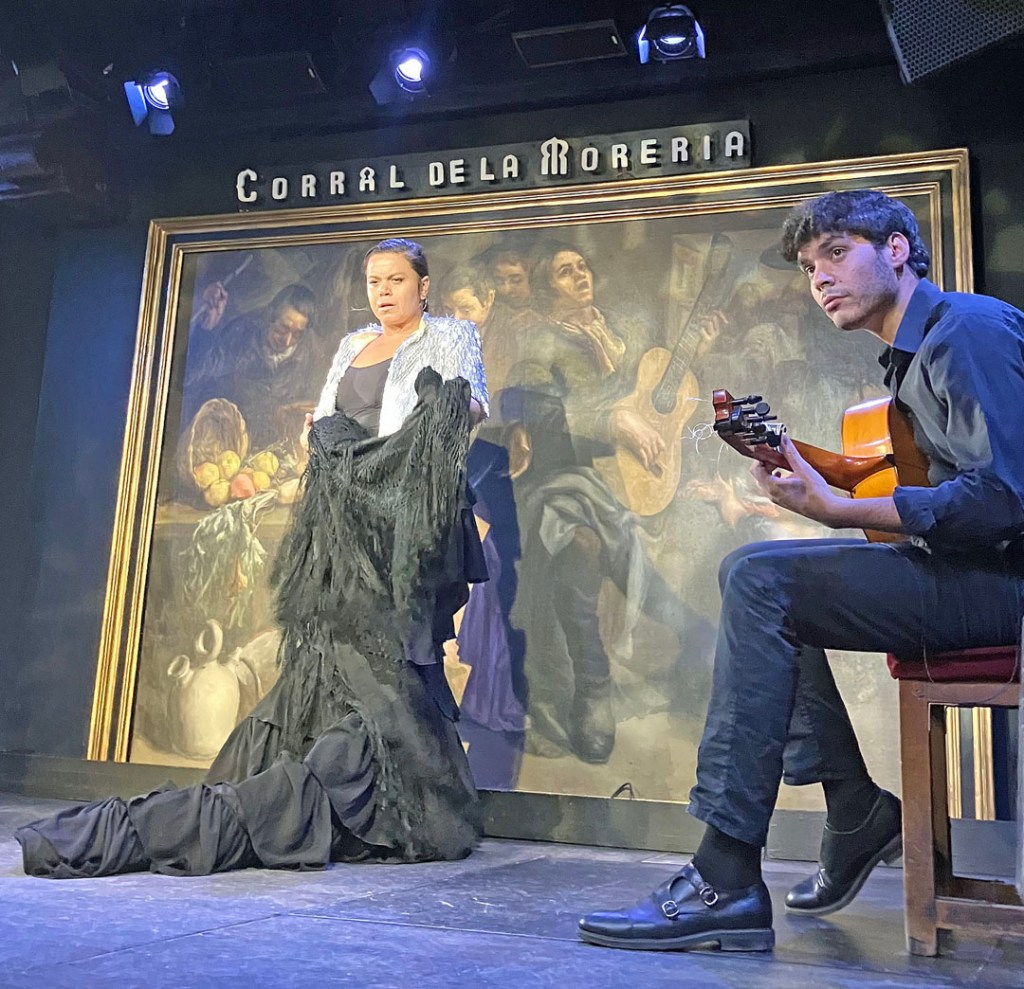
The dancers who performed that evening, Maria Moreno and Jesús Fernández, were the true stars of the genre, accompanied by a trio of stellar singers—Miguel Soto “Londro,” Naike Ponce, and Alicia Morales, and an ace guitarist, Benito Bernal. https://www.corraldelamoreria.com/.
The next day, we headed for the Adolfo Suarez Madrid-Barajas Airport to make our way home, to the United States, with Iberia, the national airline and the largest carrier of Spain.
Our group’s travel was organized by Turespaña https://www.tourspain.es/en/ and Tourism Madrid https://www.esmadrid.com/en in collaboration with Valesa Cultural Services. The company presentation states,”Valesa Cultural has been owned and operated by Americans for the past 55 years. We specialize in B2B operation, working very closely with agents and advisors, predominantly throughout the U.S. We are the best and most experienced bicultural and bilingual team on the Iberian Peninsula. Based in Madrid, Valesa staff take the time to get to know clients and become experts of each destination. We work closely with our top local experts (historians, professional chefs, art historians, nature experts, sommeliers, musicians, and more) as well as our local coordinators in every major city, to create individualized itineraries for each client to have the best travel experience possible. Thanks to our American owners we boast a similar work ethic, methodology, and communication style so that working with us is a seamless process.” https://valesacultural.com/
 Real Travel Adventures