

By Emma Krasov. Photography by Yuri Krasov. Press Images (SF Opera)
Never short of innovation in arts, had San Francisco outdone itself this departing year! The world premiere of “The Monkey King” at the San Francisco Opera; the Fine Arts Museums of San Francisco’s two exceptional shows—“Manet & Morisot” at the Legion of Honor exploring the cross-influences between the two giants of modern art for the first time, and “Art of Manga” at the de Young museum—the first major exhibition in North America dedicated to the ubiquitous Japanese medium; “KAWS: FAMILY,” the West Coast introduction of Brian Donnelly, a Canadian creator behind the all-caps pseudonym, whose sculptural forms seem to stem from souvenir shops and collectible keychains favored by pre-teens of all ages—these are just a few curious, unexpected and very popular art happenings in the City by the Bay, extending into the new year. If traveling to San Francisco in 2026, don’t miss an opportunity to enjoy our cultural richness and variety!
San Francisco Opera
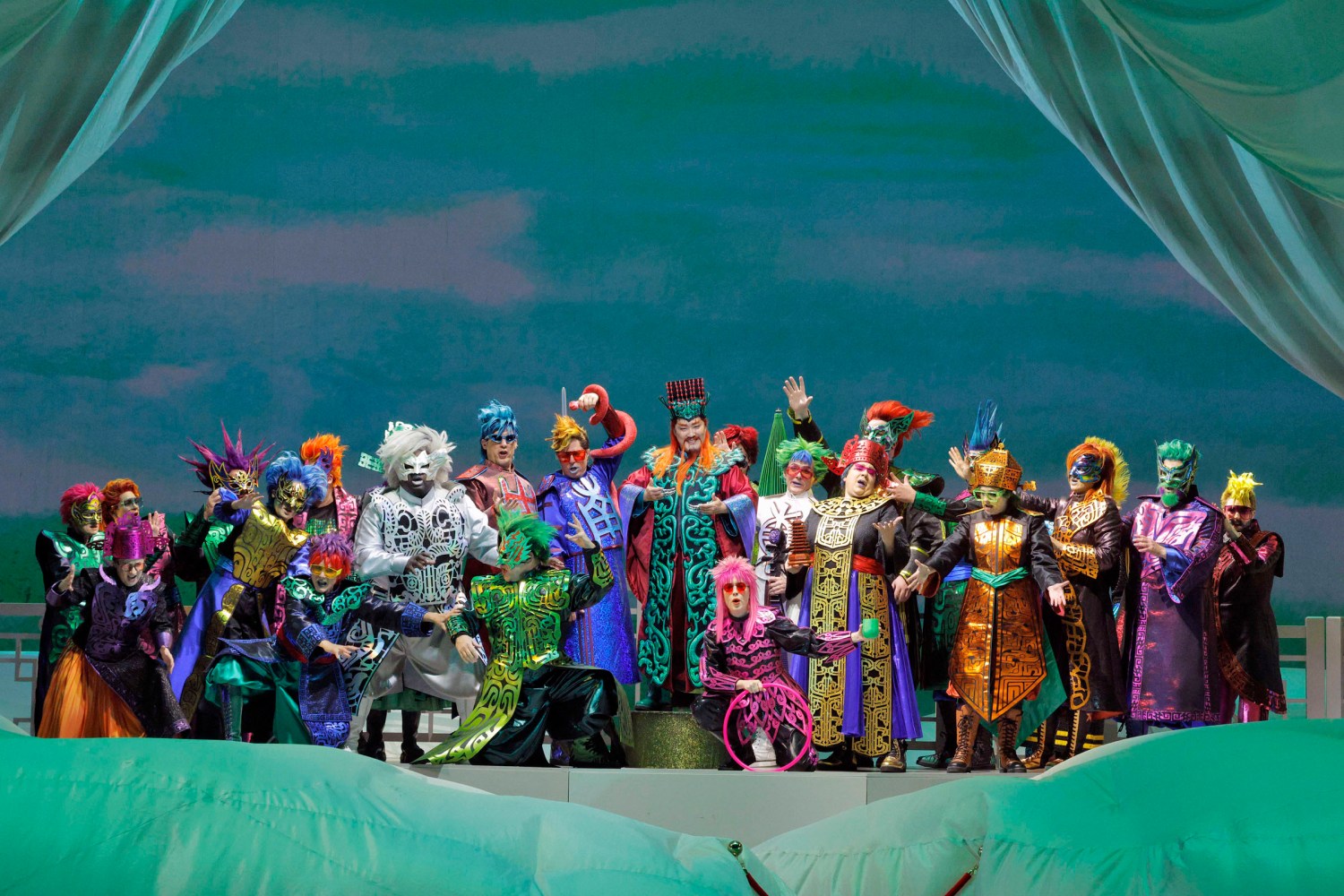
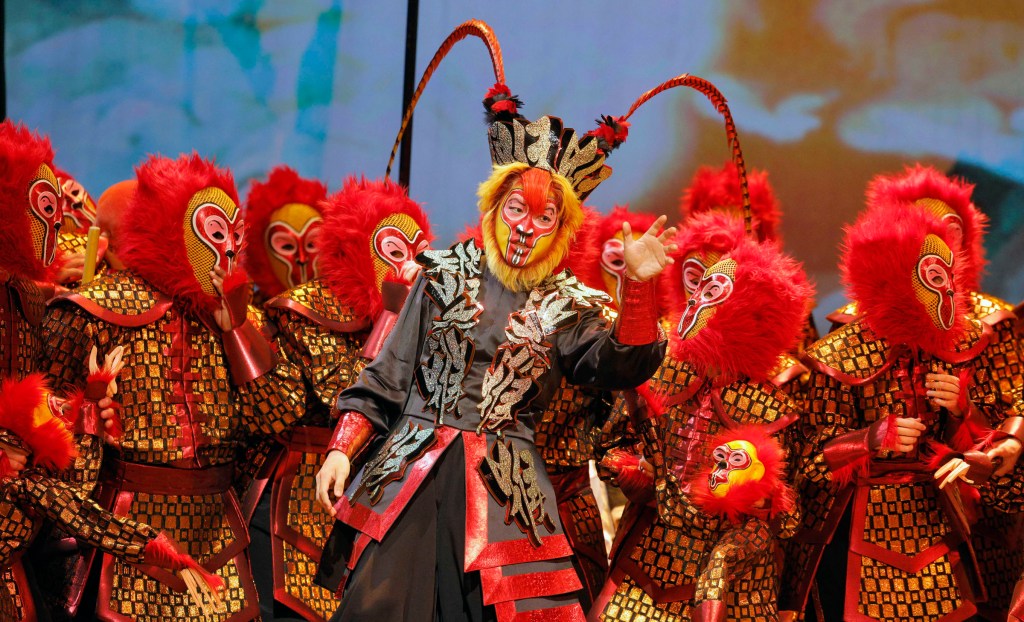
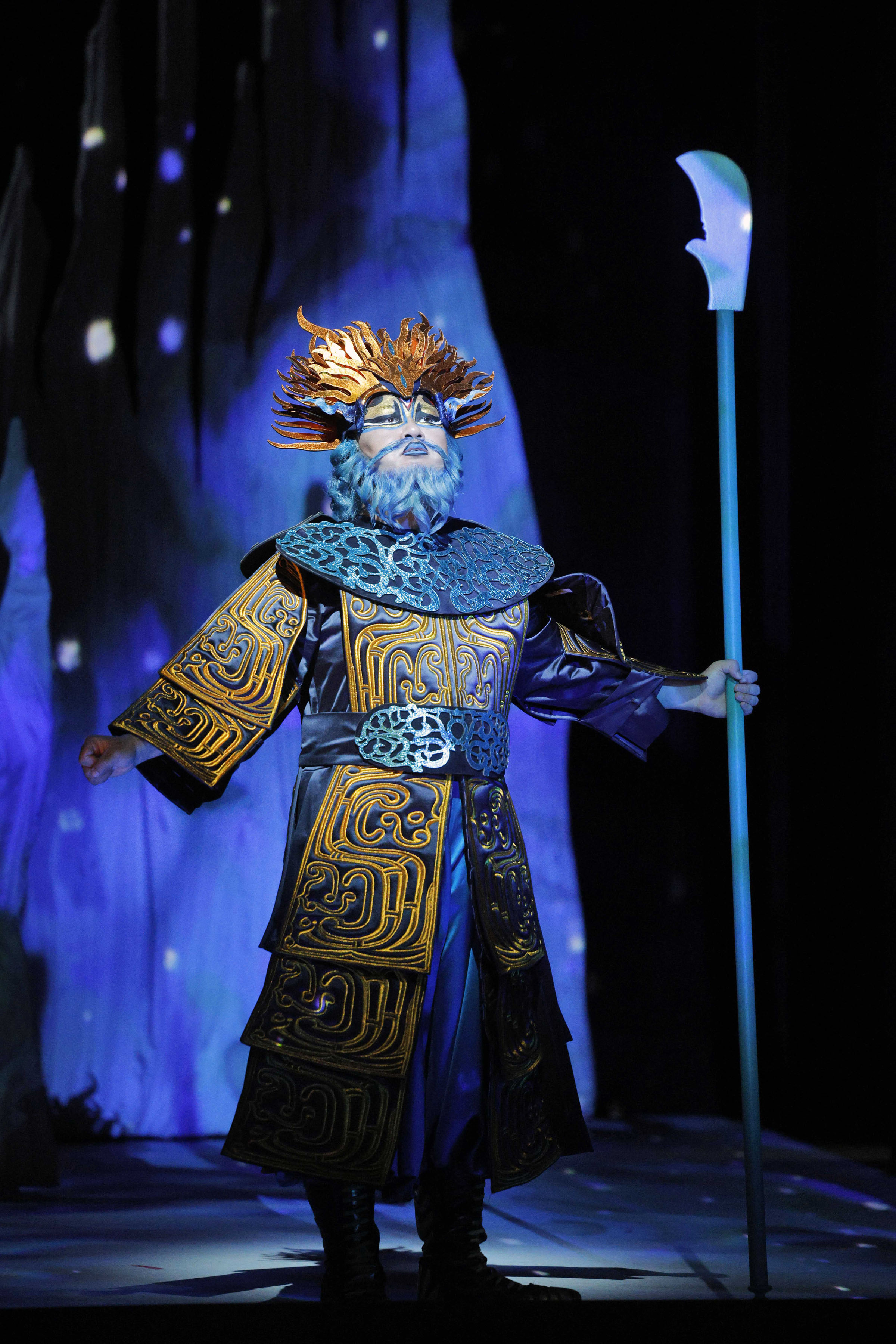
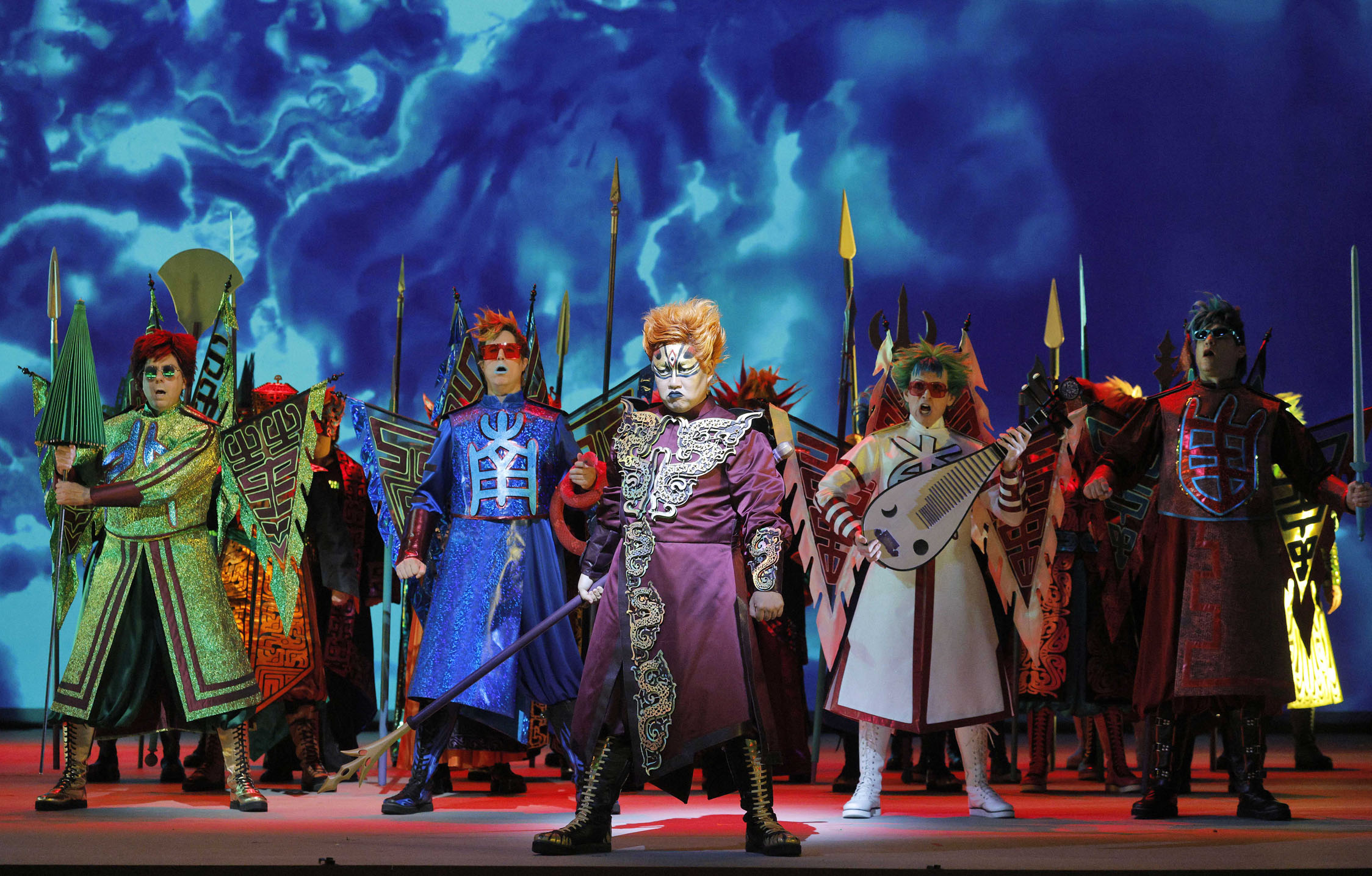
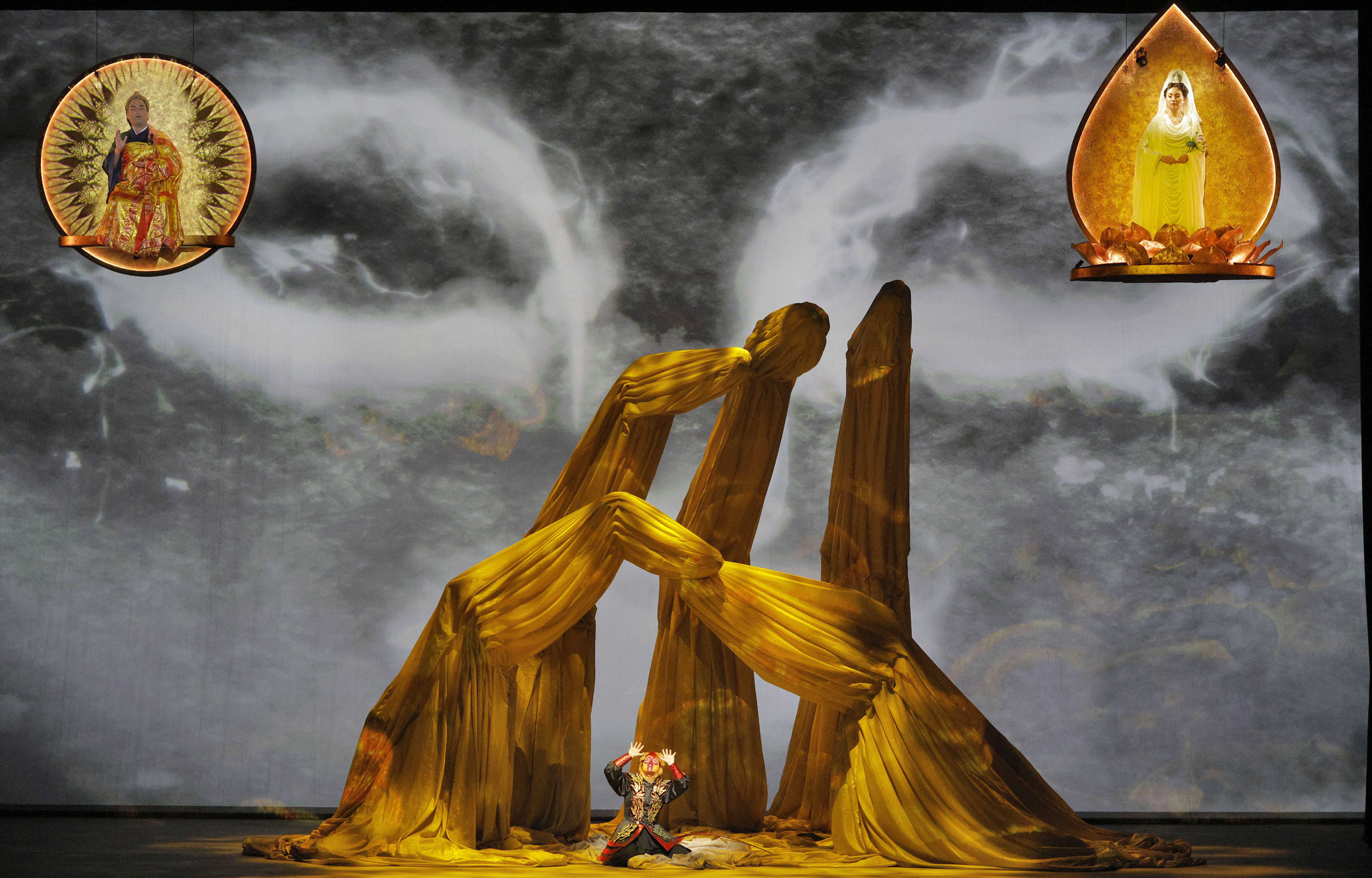
Created by composer Huang Ruo and librettist David Henry Hwang, “The Monkey King” swept the audiences away with a whirlwind of colorful Chinese folklore heroes and classic literature characters, melodic and vocal perfection, choreographic sophistication, whimsical puppetry, and fantastical set and costume design.
Starting with the mischievous Monkey King in full costume, his mythical staff, Ruyi Jingu Bang (compliant golden-hooped rod) in hand, greeting opera goers outside; continuing with a dolled up assembly of children and resounding bouts of laughter from the full house, and ending with a standing ovation when Buddha’s hand magically appeared from the stage landscape, immediately putting everything in the story in due perspective, the show proved to be a hit and a marker of a never-ending search for new forms and meanings at the venerable San Francisco institution.

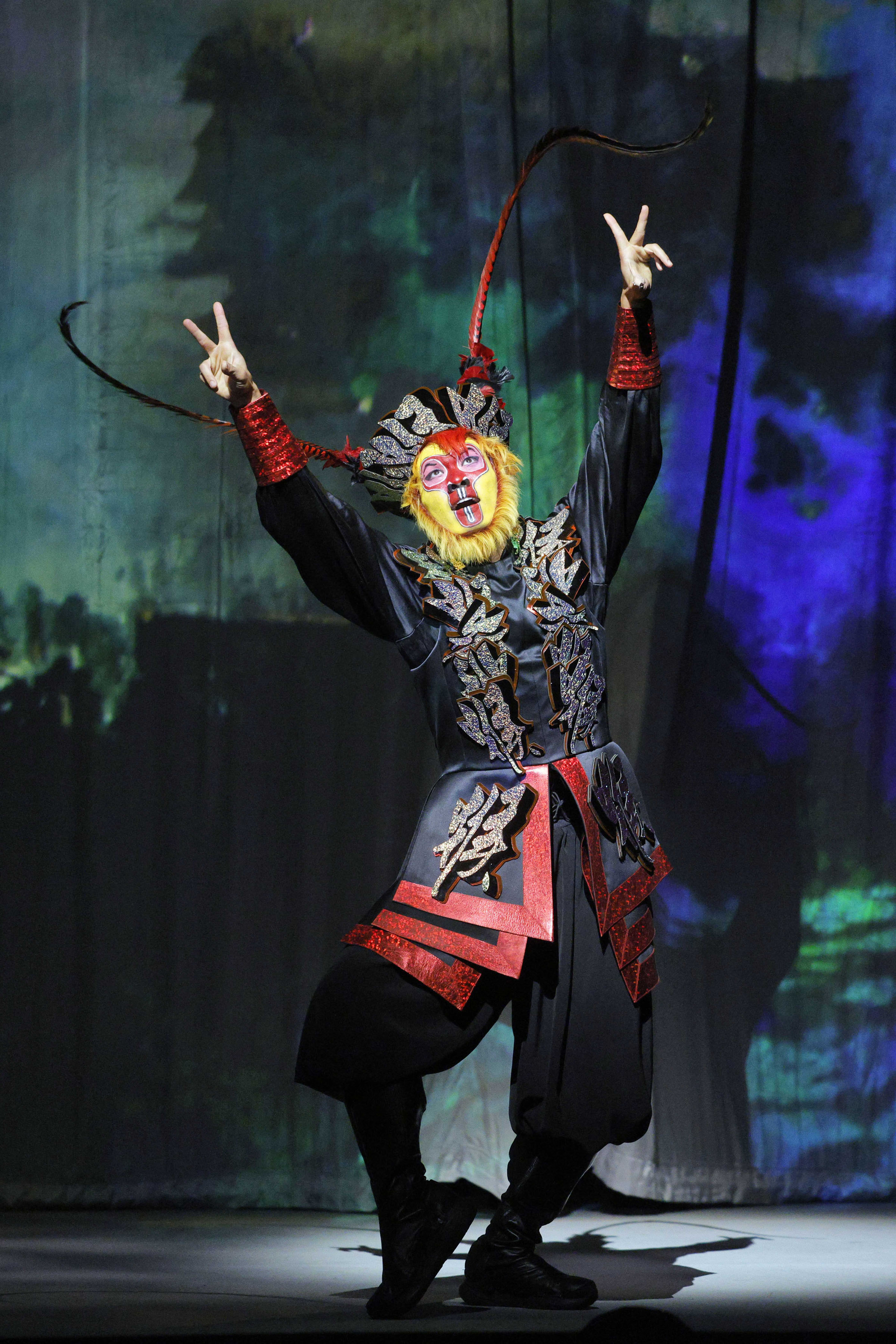
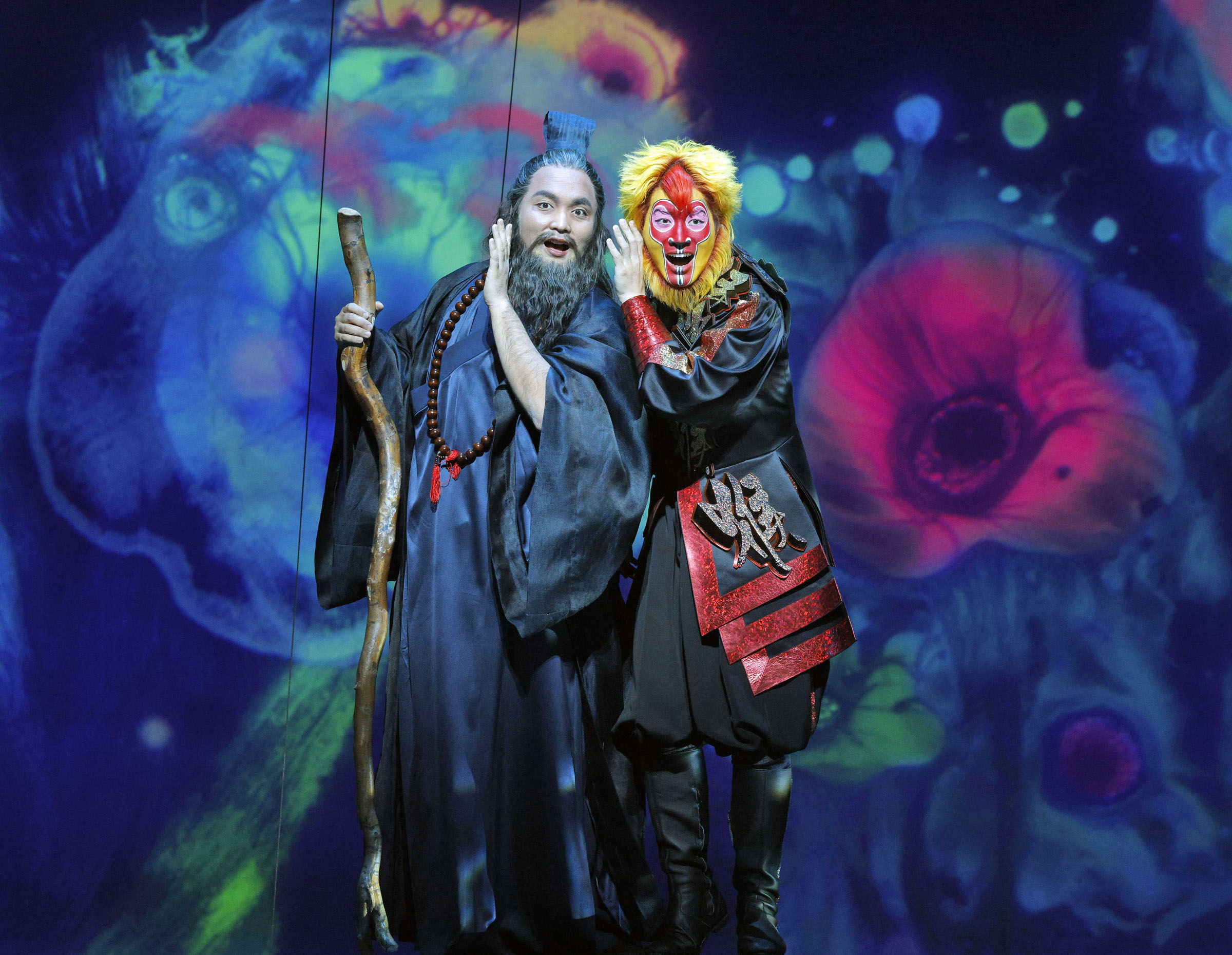
Commissioned by San Francisco Opera in partnership with the Chinese Heritage Foundation of Minnesota, and sung in English and Mandarin with English and Chinese supertitles, the opera was based on the Ming Dynasty novel, “Journey to the West,” attributed to Wu Cheng’en. Conducted by Carolyn Kuan in her SF Opera debut, directed by Diane Paulus, with set and puppetry by Basil Twist, choreography by Ann Yee, costume design by Anita Yavich, lighting design by Ayumu “Poe” Saegusa, and projection design by Hana S. Kim, the unparalleled spectacle brought to the SF Opera stage an international set of performers— Australian-Chinese tenor Kang Wang (Monkey King), South Korean tenor Konu Kim (Jade Emperor), soprano from Chongqing, China, Mei Gui Zhang (Guanyin), Texan bass Peixin Chen (Supreme Sage Laojun), South Koeran baritone Joo Won Kang (Dragon King Ao Guang/Lord Erlang), Chinese mezzo-soprano Hongni Wu (Crab General/Venus Star), bass-baritone from Vienna, Austria, Jusung Gabriel Park (Master Subhuti/Buddha), Huiwang Zhang (Monkey King dancer) from Jiujiang, China, and Marcos Vedovetto (Lord Erlang dancer) from Brazil. Tenor Jonathan Smucker from Ohio performed King of the East, tenor Chester Pidduck from Missouri King of the South, bass-baritone William O’Neill from Rhode Island King of the West, and tenor Christopher Jackson from Buffalo, New York, King of the North. As always, San Francisco Opera Orchestra, San Francisco Opera Chorus and San Francisco Opera Dance Corps excelled in this highly original and challenging production.
“If dreams do come true, creating The Monkey King with my long-time collaborator David Henry Hwang for San Francisco Opera is one of those dreams,” said composer Huang Ruo. “The world is full of superheroes—Superwoman, Spider-Man, Batman—and like those we know from American comic books and movies, the Monkey King is every bit an inspirational figure known for his wit, humor, righteousness and power. He is Asia’s supreme superhero, loved and adored not only by Chinese people throughout the centuries but increasingly by people throughout the world. The Monkey King’s adventures awaken in him an understanding of true power which leads to his self-enlightenment.”
SF Opera General Director Matthew Shilvock said: “I’m so proud that San Francisco Opera is bringing this operatic Monkey King to life, continuing our long tradition of building cultural bridges across the Pacific Ocean. This is a very exciting undertaking, with all departments of the Company and our creative team coming together to build something stunning, beautiful and magical.”
The upcoming SF Opera’s summer season 2026 will include Gioachino Rossini’s “The Barber of Seville” May 28–June 21, and “Elektra” by Richard Strauss, June 7–27.
The War Memorial Opera House is located at 301 Van Ness Avenue. For more information about San Francisco Opera visit www.sfopera.com.
The Legion of Honor museum
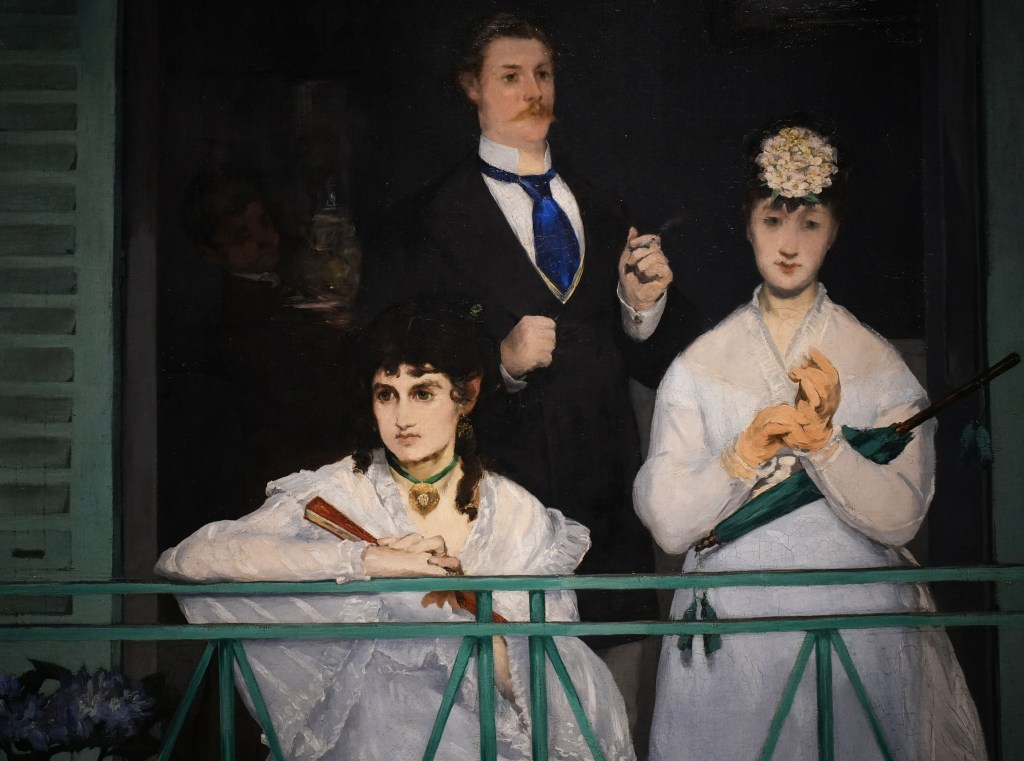
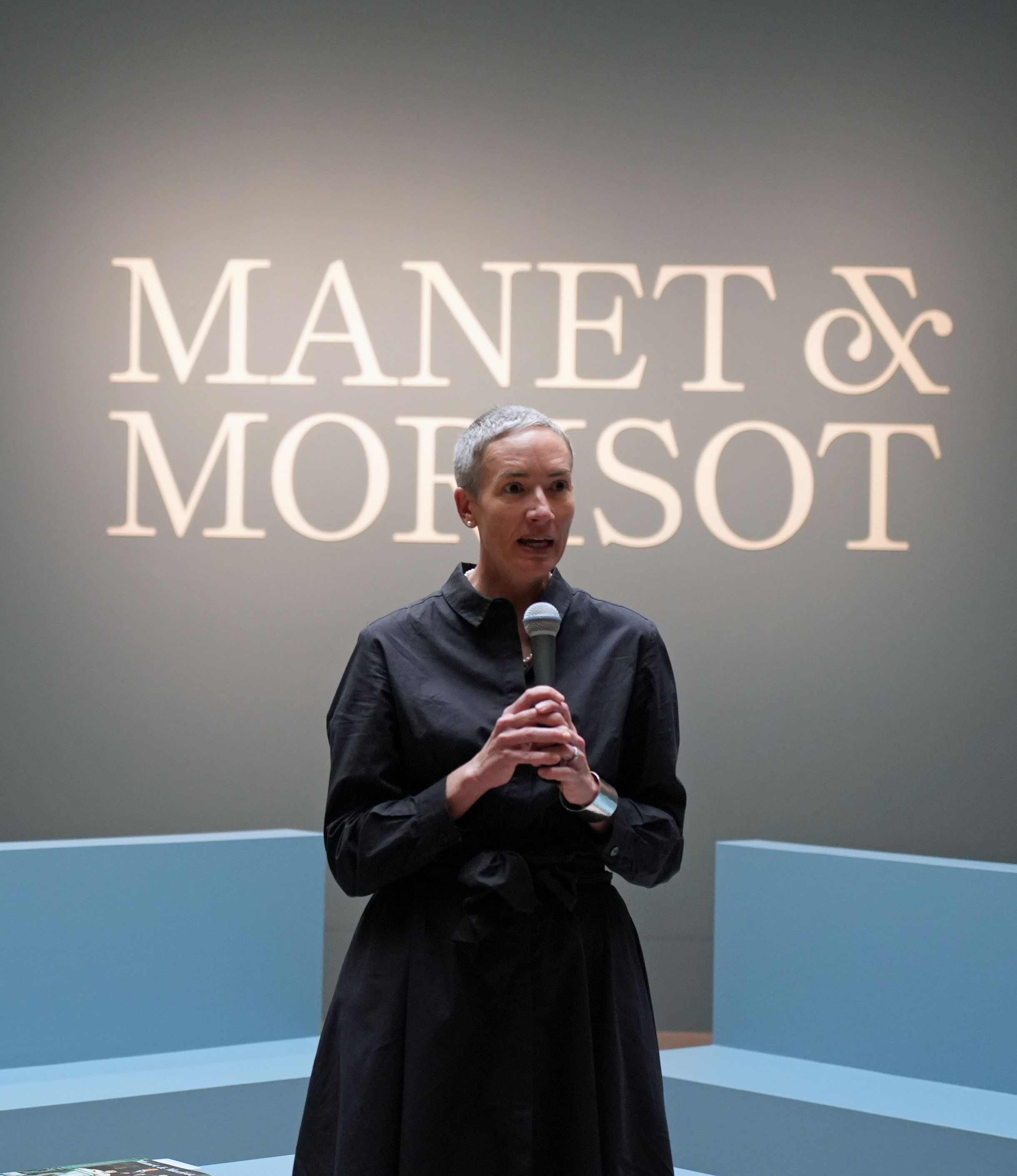
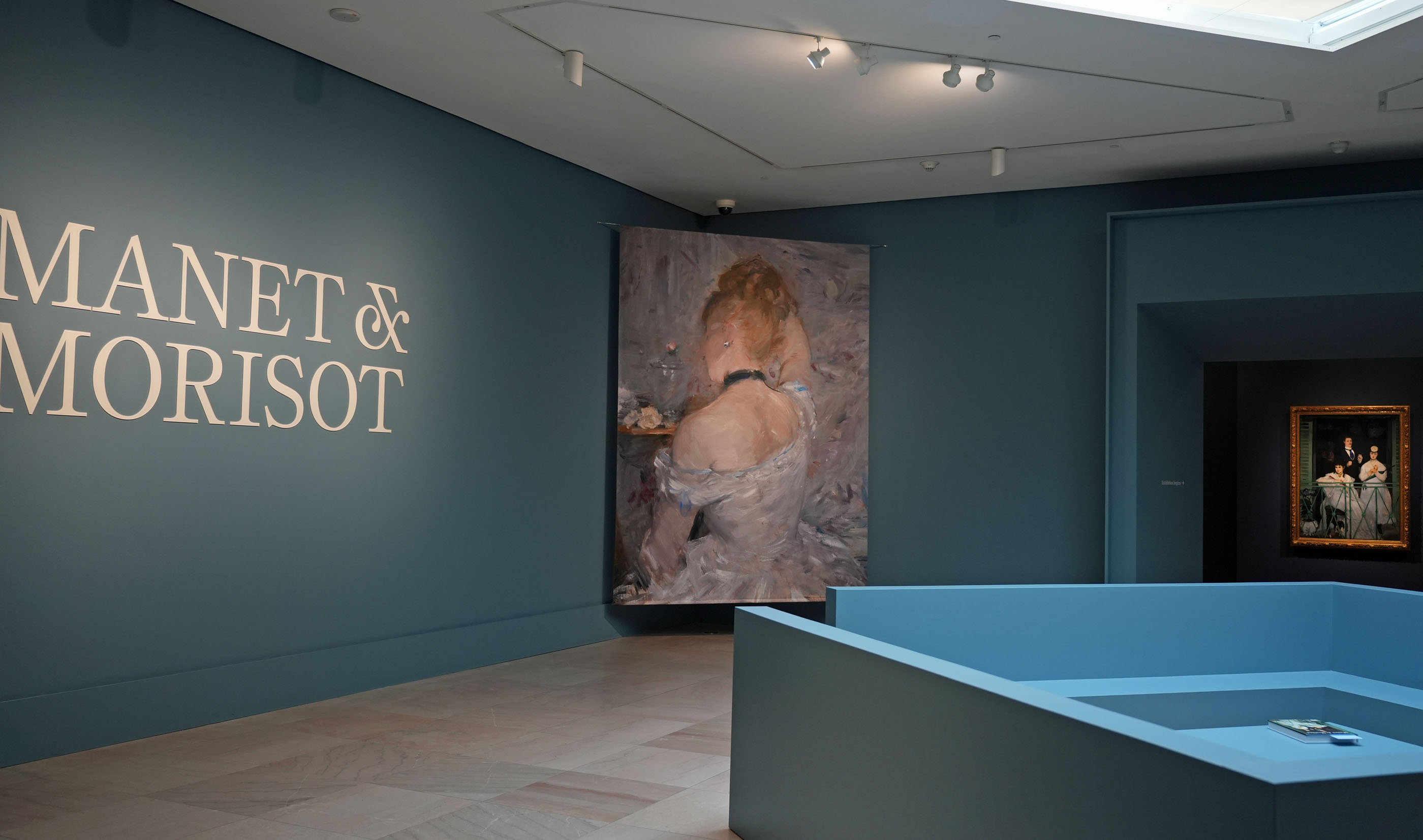
It’s always fascinating to follow personal histories of great artists reflected in their art, to try and understand the meaning and interaction of figures and objects they depict, to recognize their personal relationships and references behind the particular brushstrokes and splashes of color. An in-depth analysis of Édouard Manet’s (1832–1883) and Berthe Morisot’s (1841–1895) real-life circumstances and mutual influences in their art practices, is generously offered to the art-loving public in a major exhibition, “Manet & Morisot,” currently on view at the Legion of Honor museum, through March 1, 2026.
Organized by the Fine Arts Museums of San Francisco in collaboration with the Cleveland Museum of Art, and thoughtfully and knowledgeably curated by Emily A. Beeny, Chief Curator of the Legion of Honor, Barbara A. Wolfe Curator in Charge of European Paintings, and an internationally recognized specialist on the art of Édouard Manet, the show unfolds mostly in the chronological order, from the first portraits of Morisot painted by Manet with his obvious admiration for her delicate features, intense gaze, and dignified posture to their later, similarly composed works, focused on the same subject matter, mirroring each other’s inspiration. Then comes the overt borrowing from each other, even though never literal, which progresses from generally descriptive outlines to the individual manner of paint distribution, intensity of light, subtlety of details, and yet, the personal energy of each artist is so strong, the radiance is so piercing it’s impossible to mistake the authorship of their dual masterpieces.
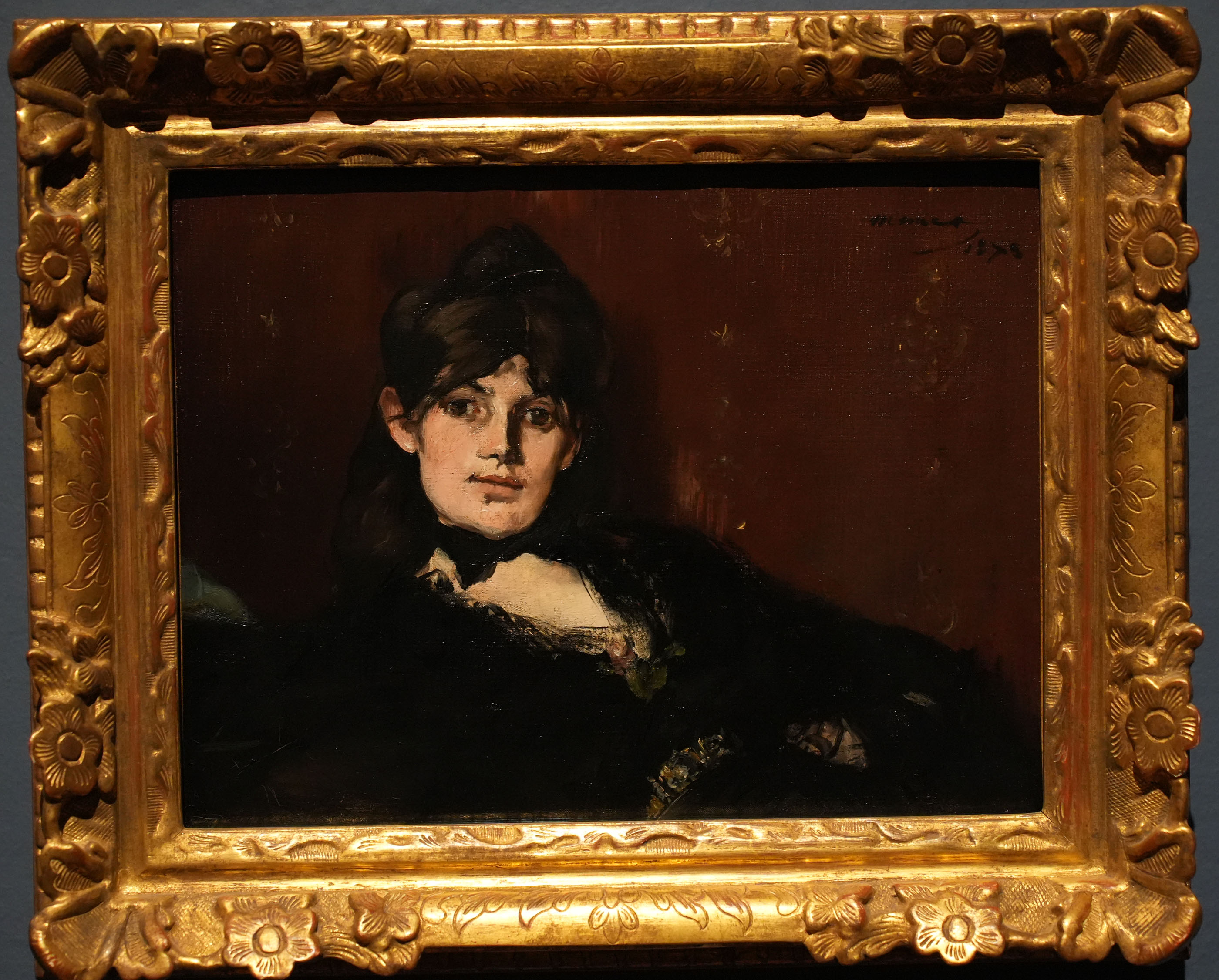
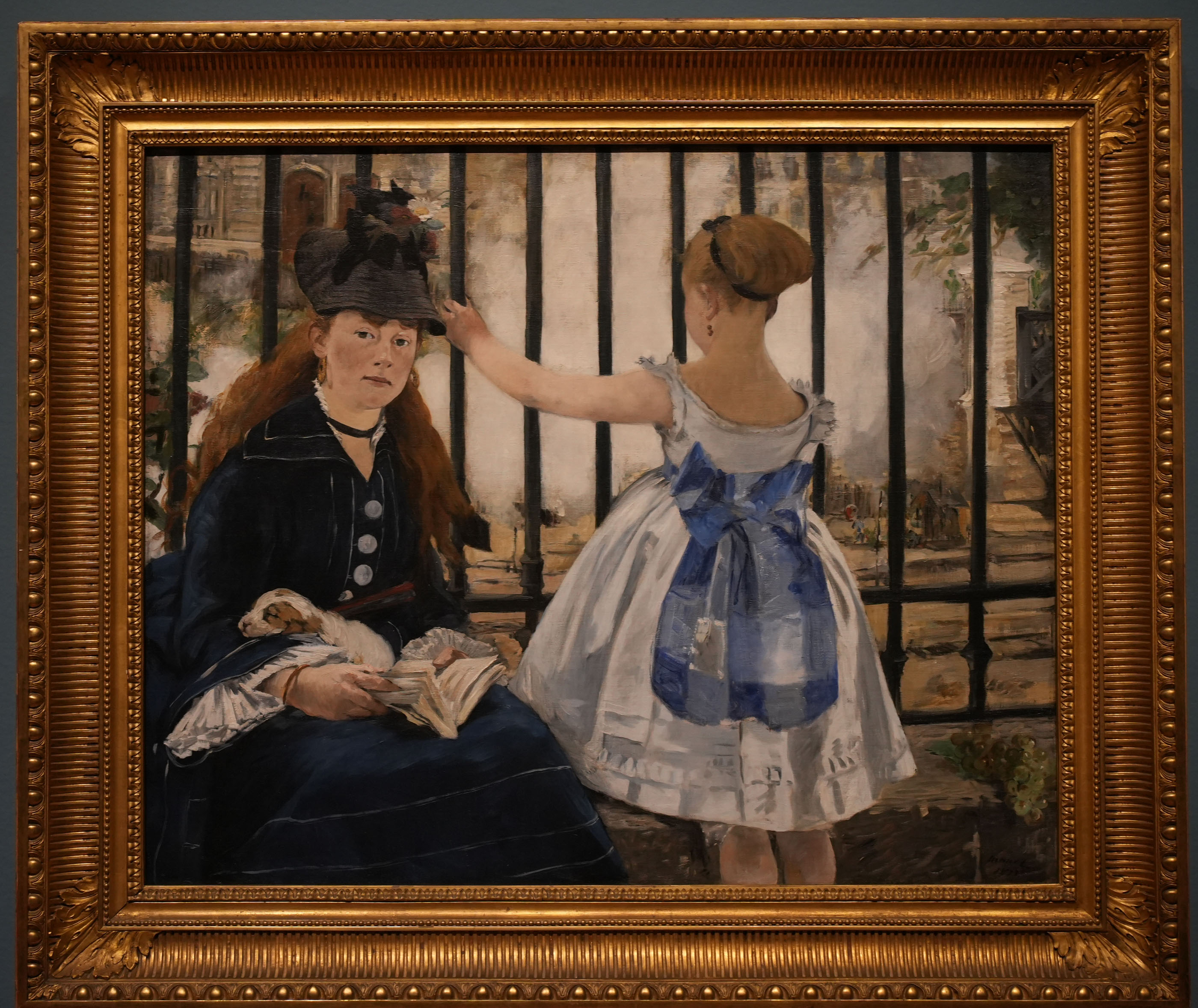
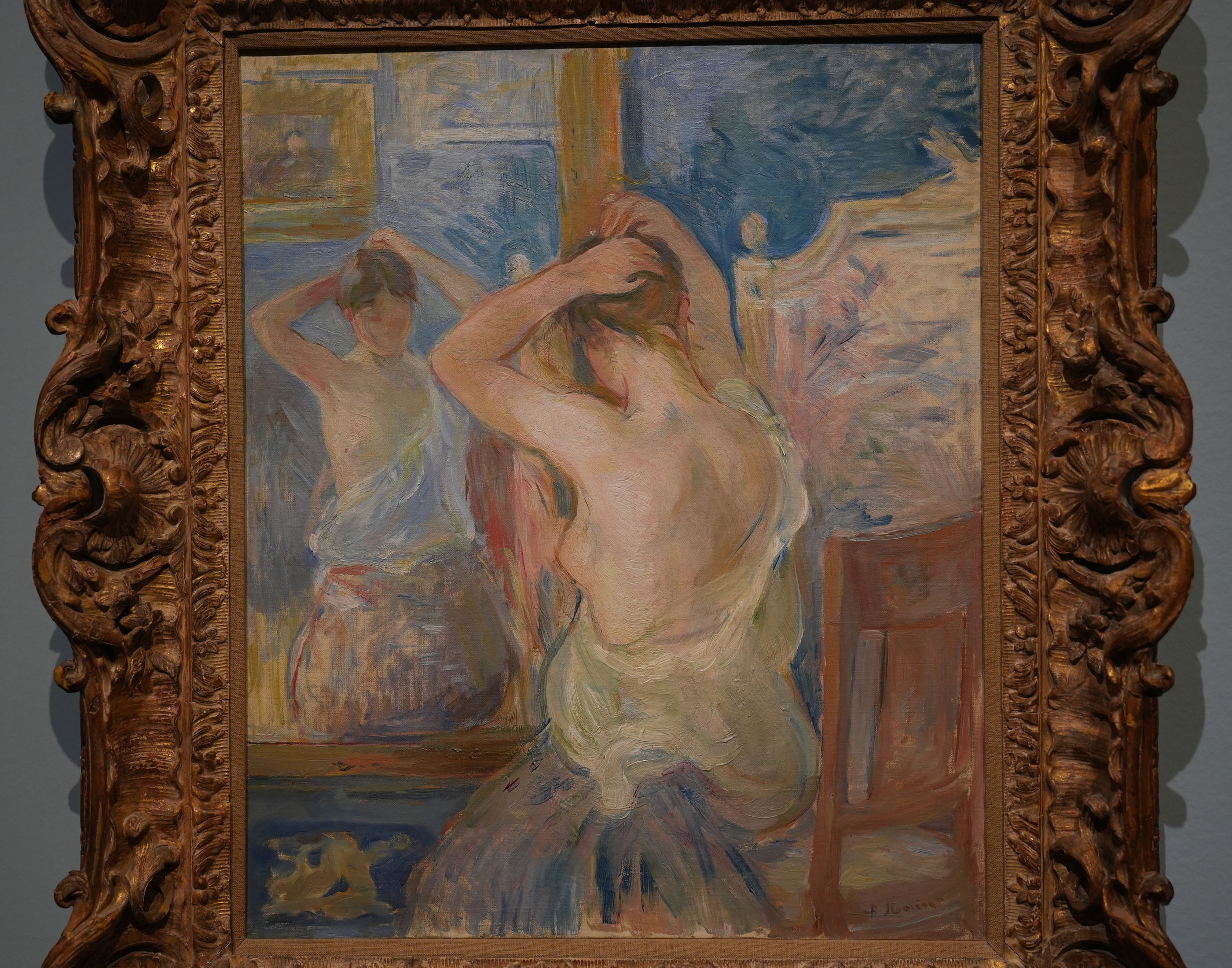
“The friendship between these two great artists—collaborative and competitive, playful and charged—really did have a determining effect on the course of art history,” said Emily A. Beeny. “Its story is written in their pictures. Considering them side by side, we watch it all unfold: their shared interests and struggles, their mutual influence and understanding.”
Despite the emotional connection, mutual appreciation, and true friendship, the two modernist painters followed different paths in art. Manet primarily worked indoors, in his studio, perfecting and polishing every detail in his precise, luminous, masterfully organized images. Morisot preferred the outdoors, where the interplay of sunlight and shadows dictated her quick, uneven, unrevised, impressionist manner of working. She became a founding member of the impressionist artists group in Paris for a reason, while he was trying to impress the jury of the traditional Paris Salons, biased toward academic, classic painterly style. What started as a mentor/student relationship gradually became a dialog of the equals, where Manet wasn’t embarrassed to accept and implement in some of his works Morisot’s vision and technique.
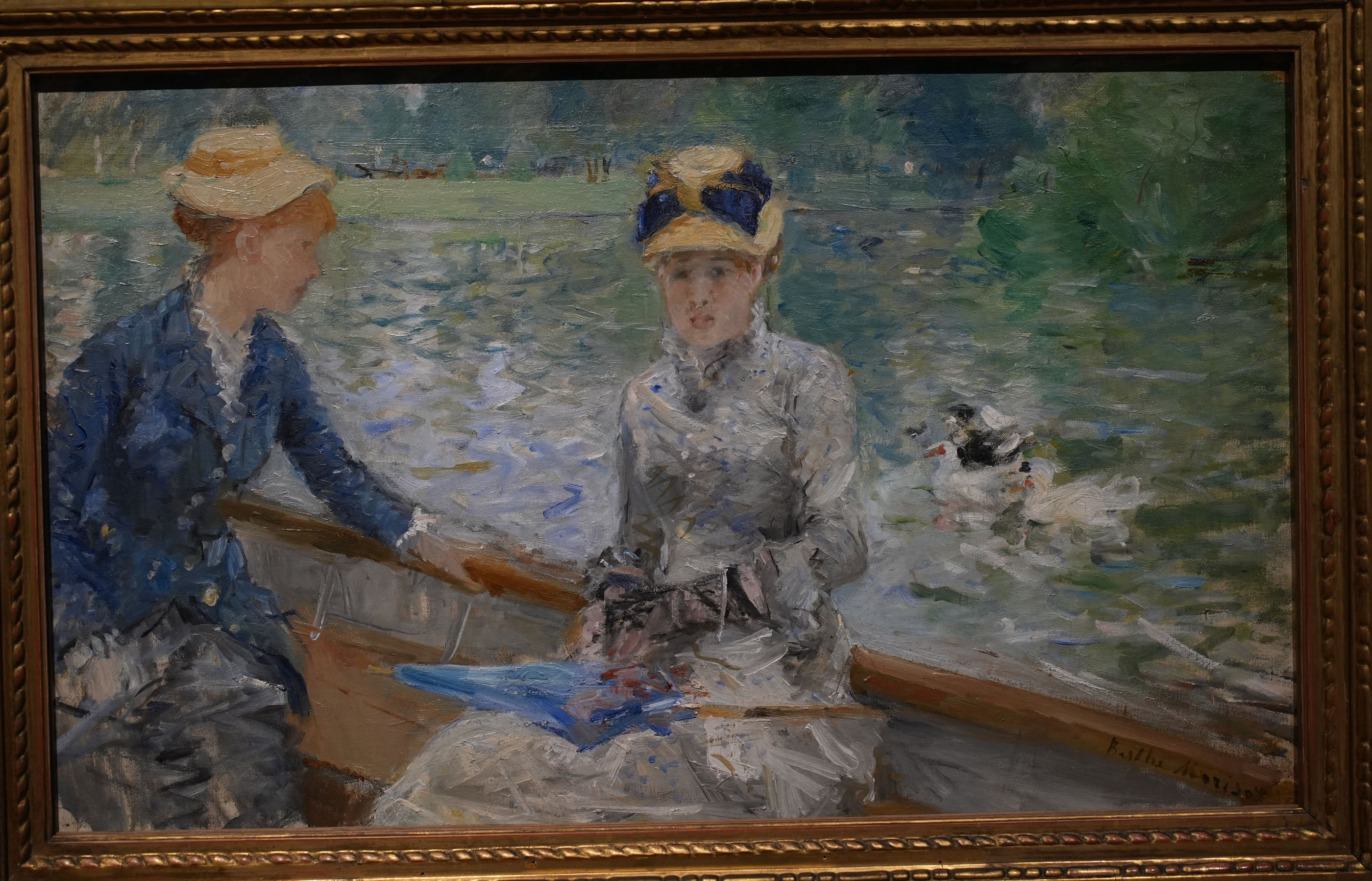
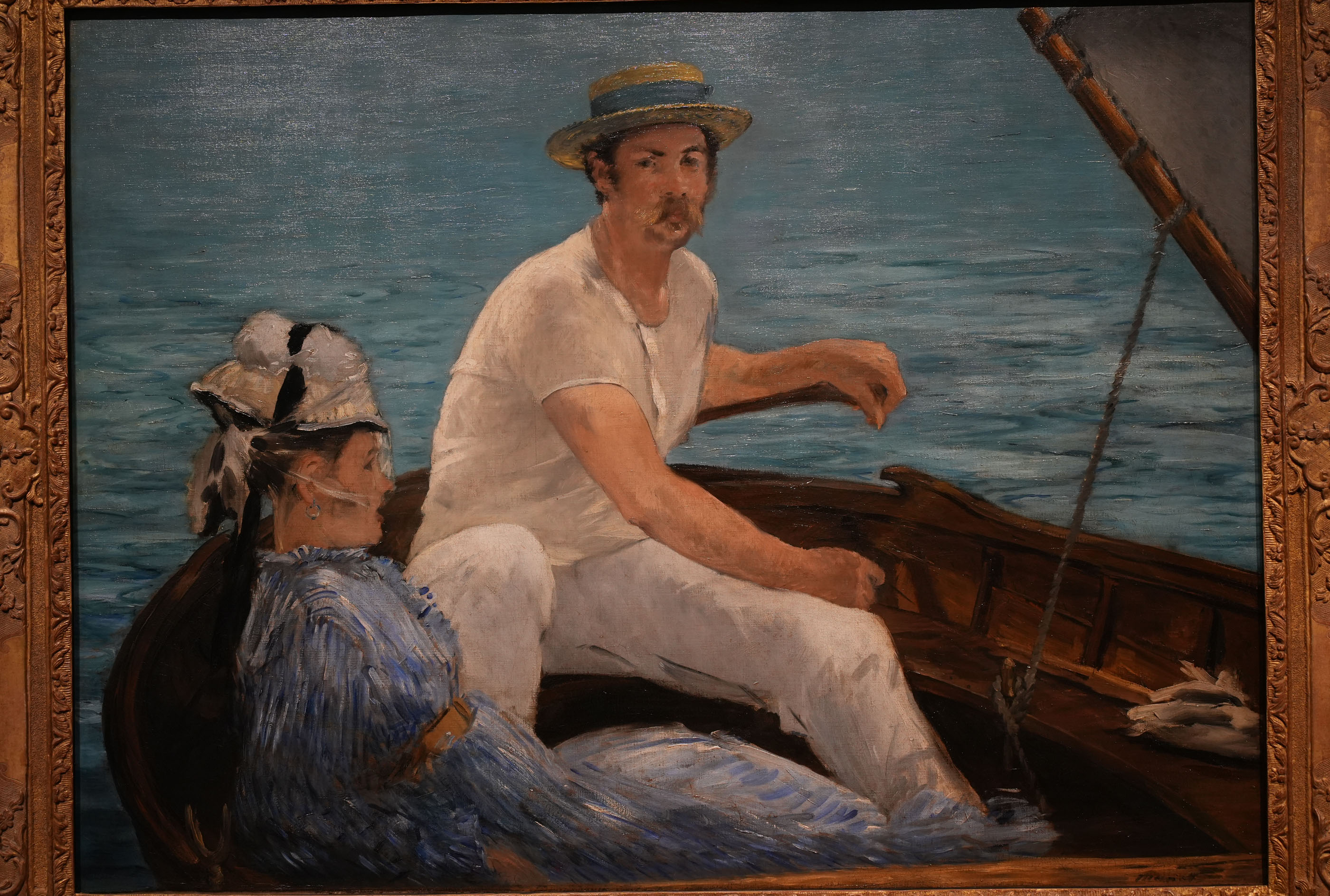
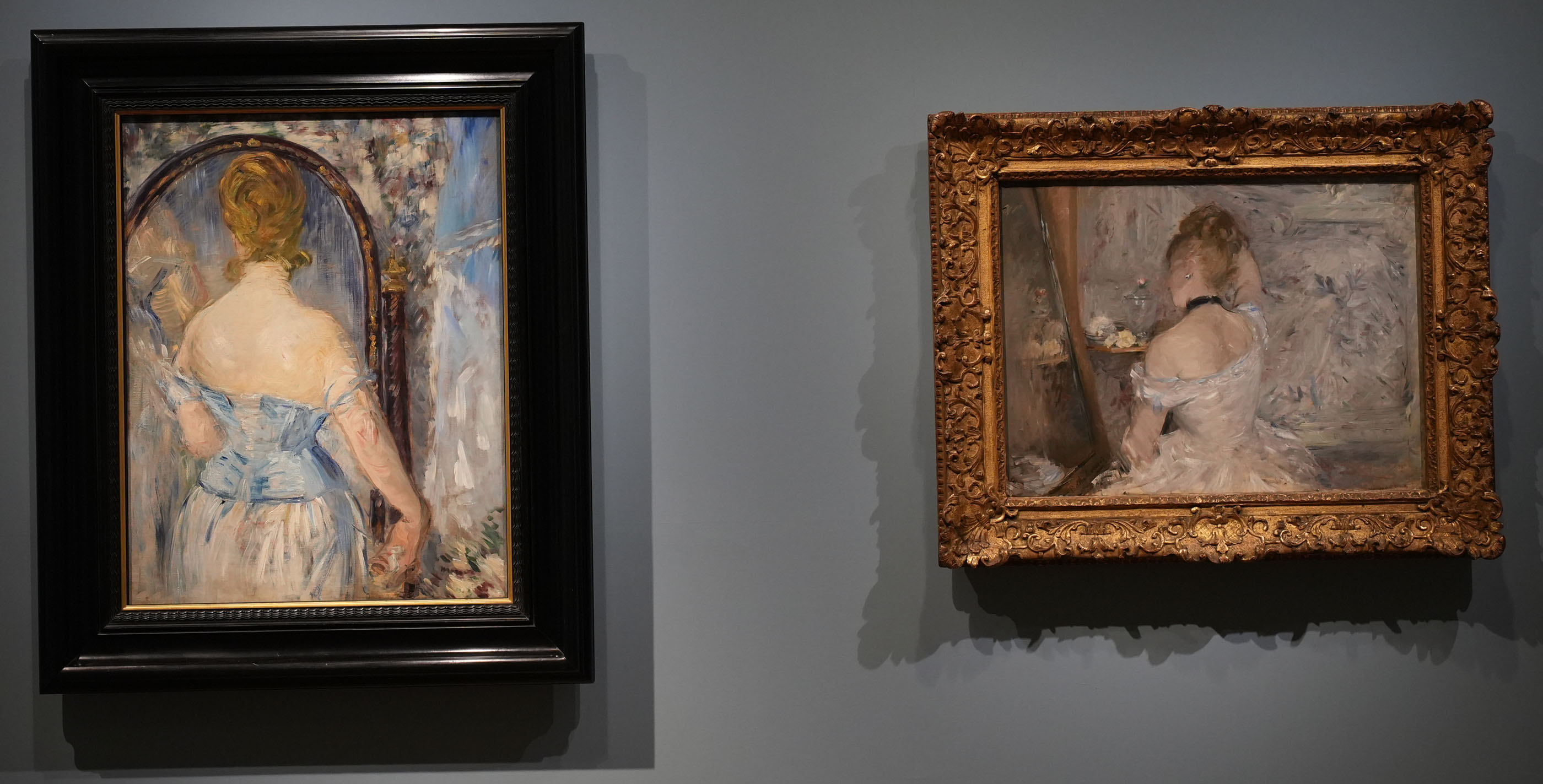
After Morisot married Manet’s brothers, Eugène, she became a member of his family, so their social and artistic connection continued to inspire new masterpieces.
“Manet & Morisot” is the first scholarly museum exhibition examining the mutual influence of the two outstanding 19th century French painters through their works lent from public and private collections nationally and internationally. After the Legion of Honor, exhibition will travel to the Cleveland Museum of Art from March 29 through July 5, 2026.
The Legion of Honor museum is located at 100 34th Ave, San Francisco. To learn more, visit https://www.famsf.org/visit/legion-of-honor.

The de Young museum Exhibiting images not intended for wall displays is quite a challenge! By committing to the “Art of Manga” show, dedicated to Japanese comics and graphic novels, the de Young museum had to invent way of presenting small-format printed materials in a vivid and engaging way. Thus, some oversized replicas of miniature graphics were framing the entrances to the galleries and covering the walls, and the official exhibition mascot, Beshi the frog, a manga character, created by Akatsuka Fujio, has been tasked with guiding visitors through the displays, filled with more than 600 drawings of the iconic manga images. The original drawings, shown in the exhibition, were created by the major contemporary artists—Araki Hirohiko, Oda Eiichiro, Tagame Gengoroh, Takahashi Rumiko, Taniguchi Jirō, Yamashita Kazumi, Yamazaki Mari, Yoshinaga Fumi, Akatsuka Fujio and Chiba Tetsuya, some of whom met with the public in specially arranged visits.
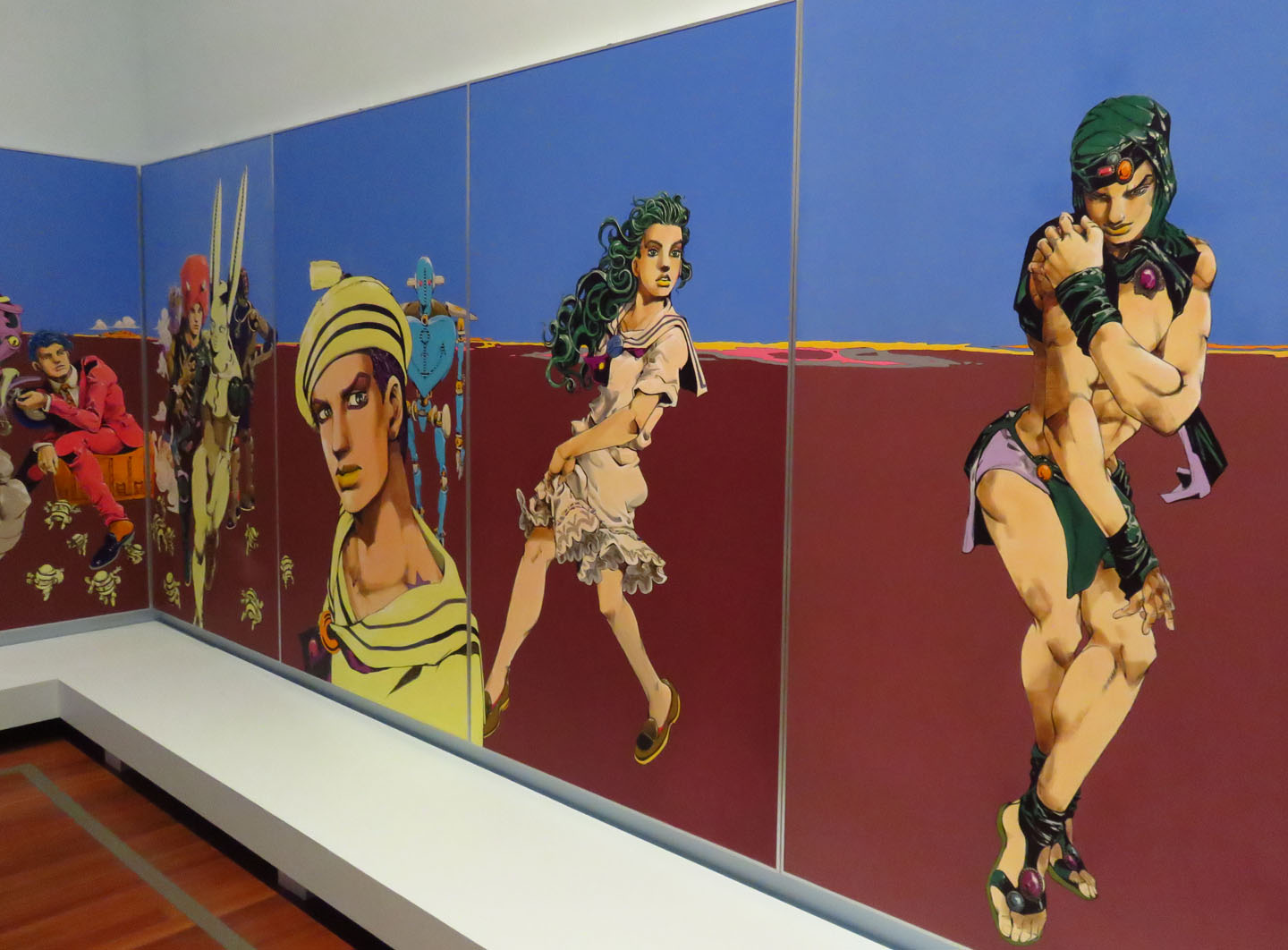
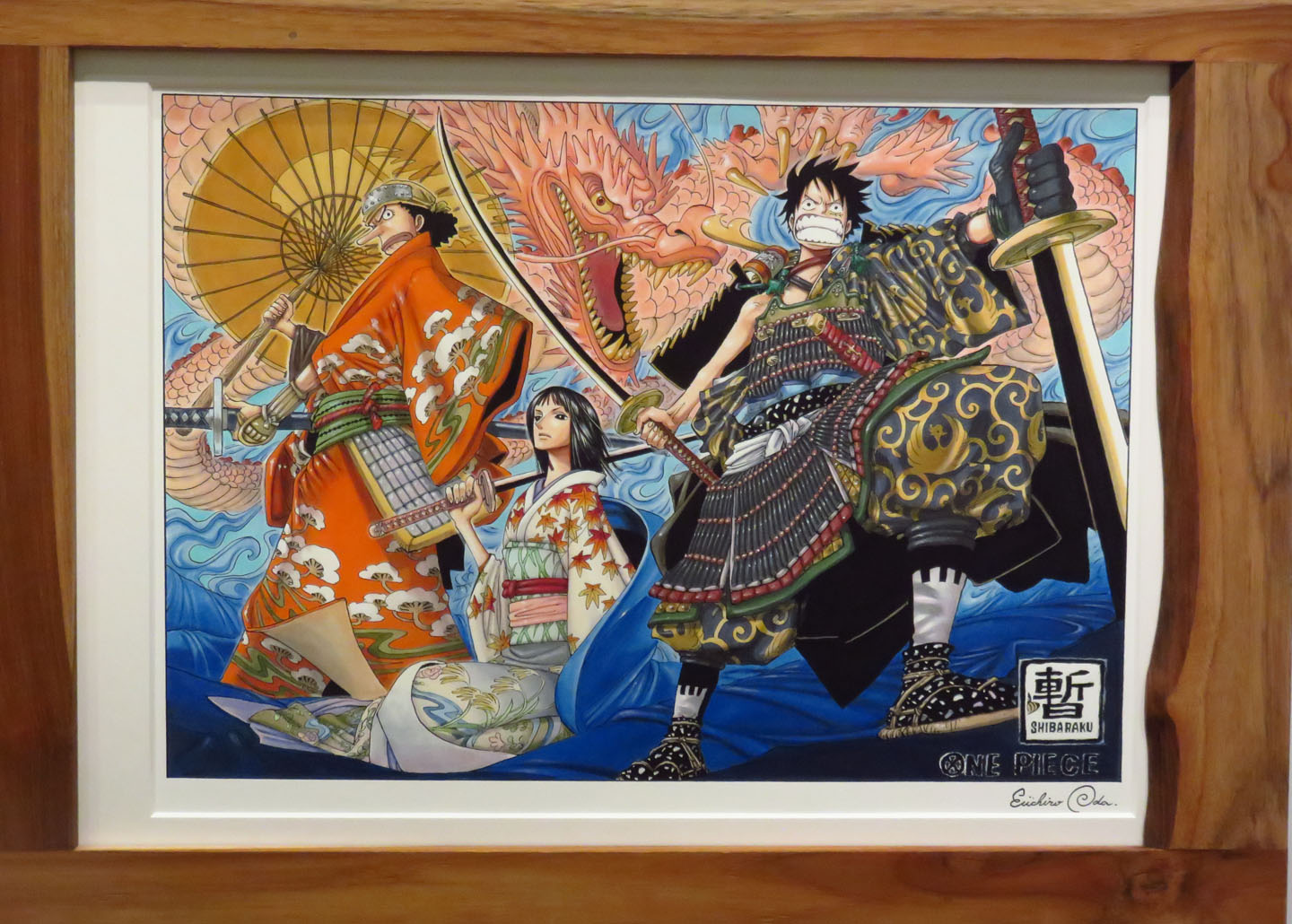
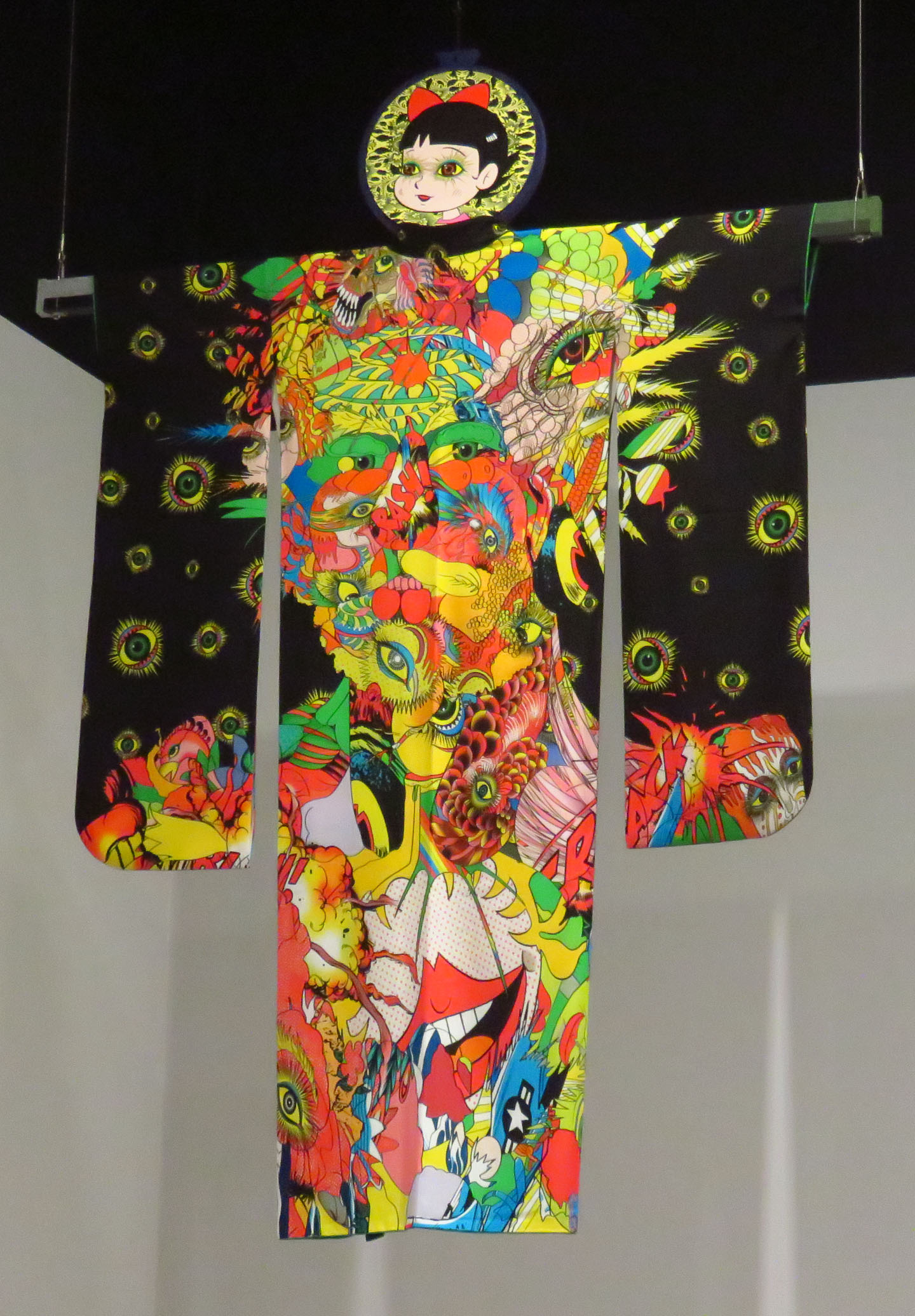
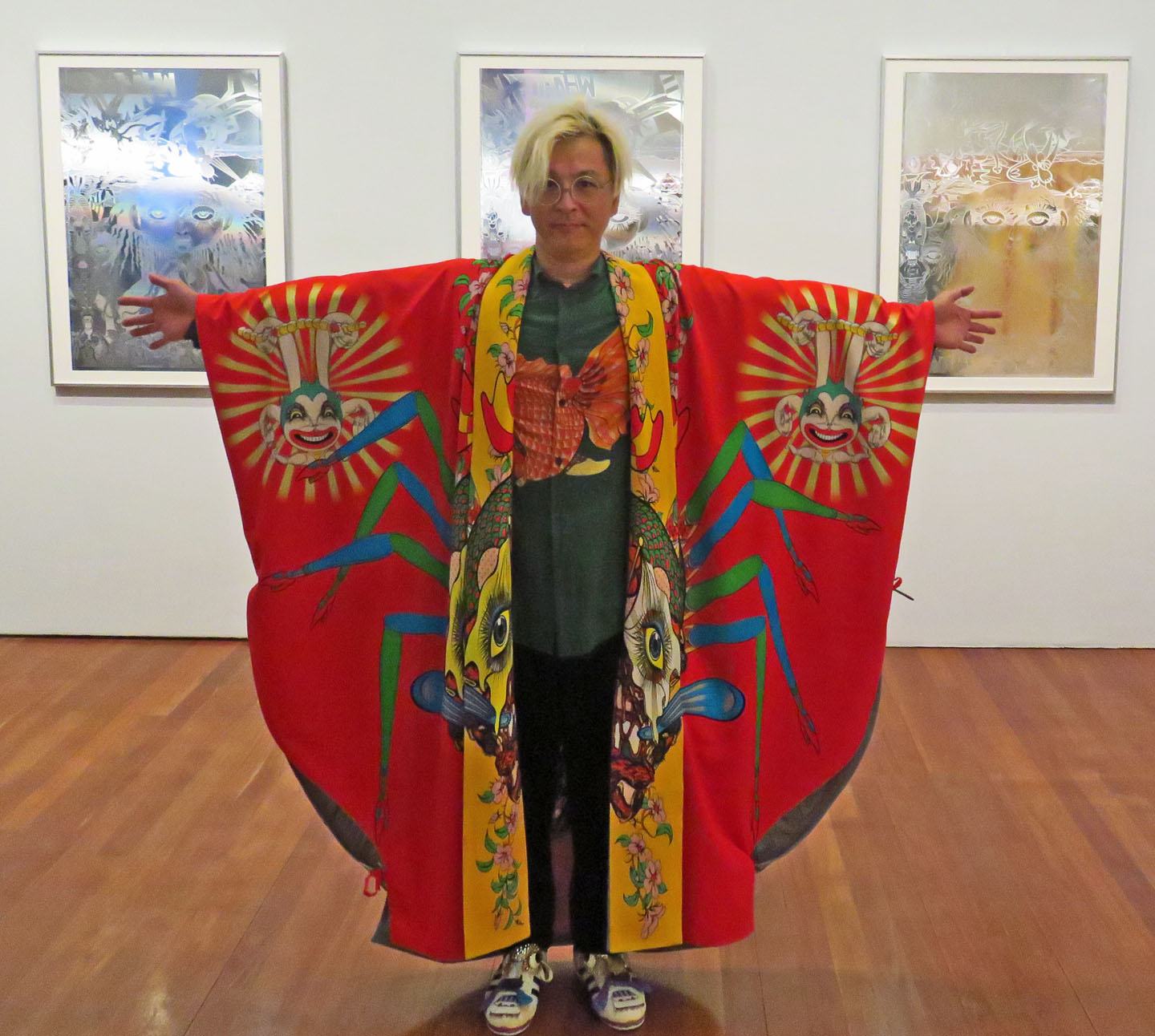
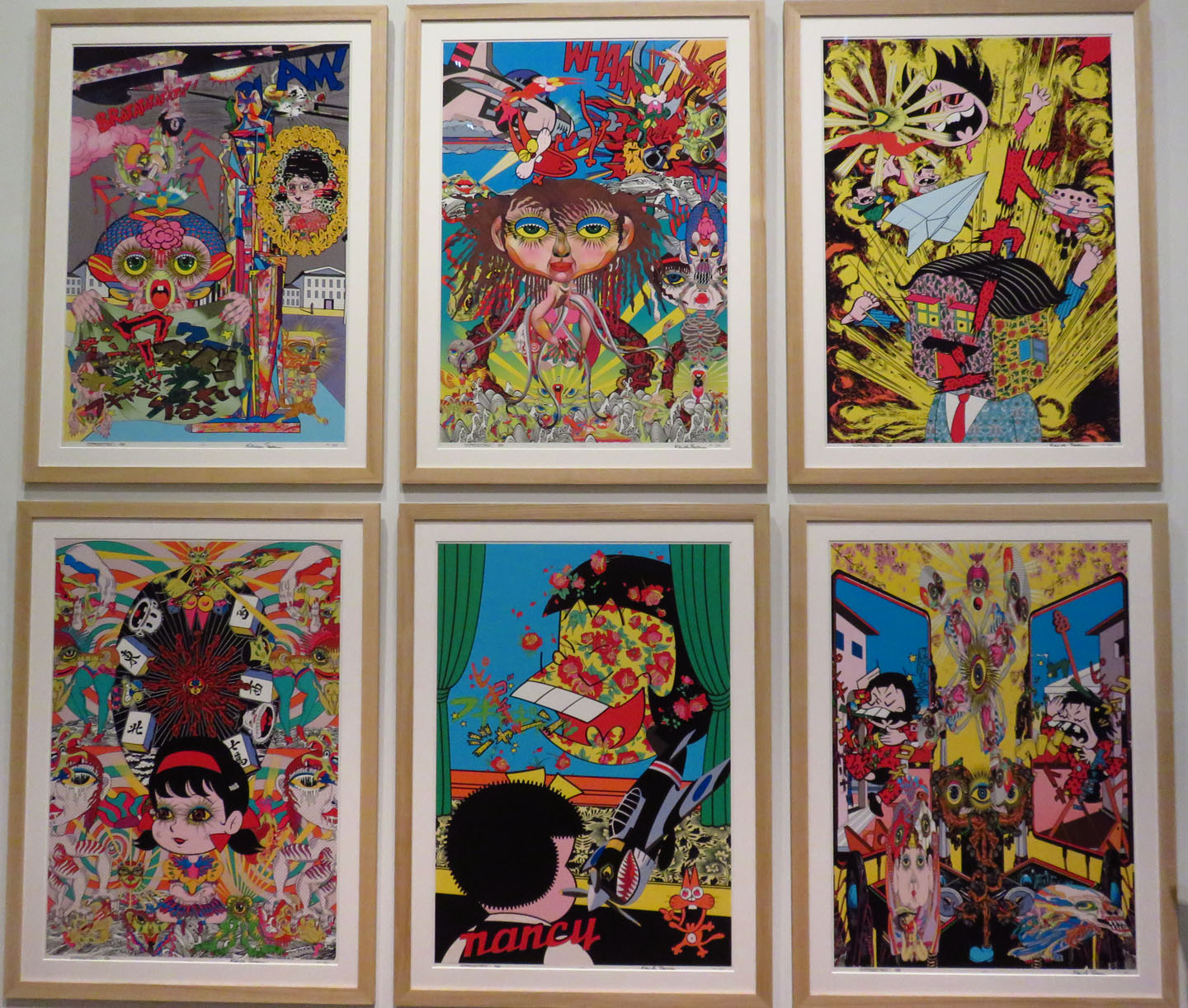
In addition to artists’ appearances and discussions, scheduled on different dates throughout the run of the show, de Young offered manga fans cosplay parties, themed activities, photo opportunities, more than 60 titles of manga books by the participating artists, a comprehensive exhibition catalogue published by the Fine Arts Museums of San Francisco in association with VIZ Media, and artist-designed merchandise for sale at the museum store. So far, about 100,000 visitors have experienced Art of Manga. Organized by the Fine Arts Museums of San Francisco and curated by Nicole Coolidge Rousmaniere, Research Director of the Sainsbury Institute for the Study of Japanese Arts and Cultures, University of East Anglia, the show runs through January 25, 2026.

The de Young museum is located at 50 Hagiwara Tea Garden Dr, San Francisco. To learn more, visit https://www.famsf.org/visit/de-young.
SFMOMA
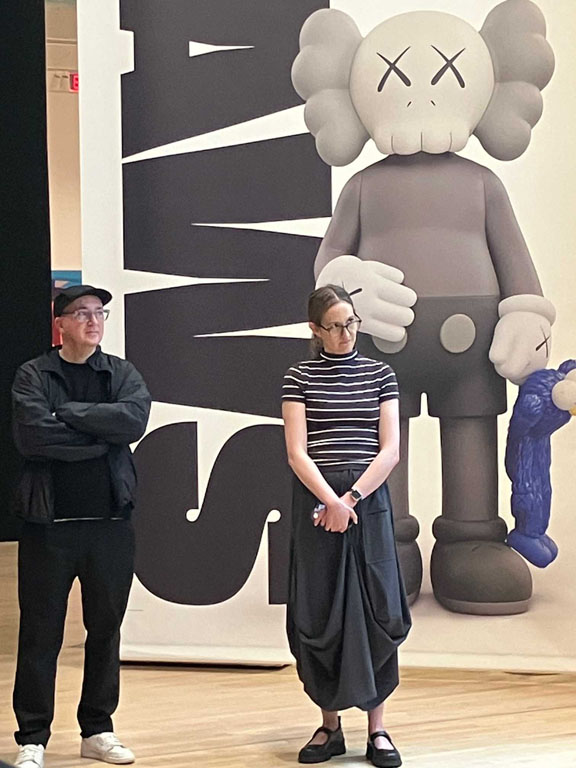
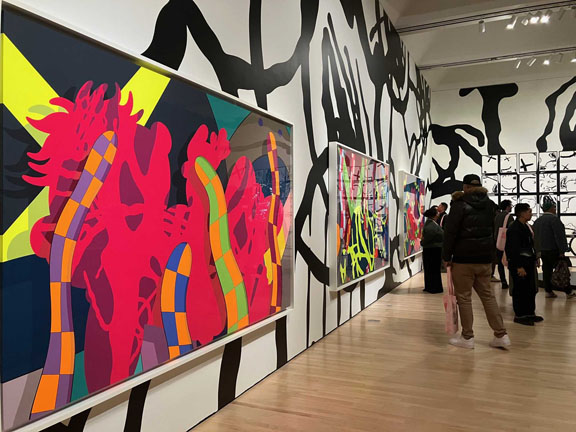
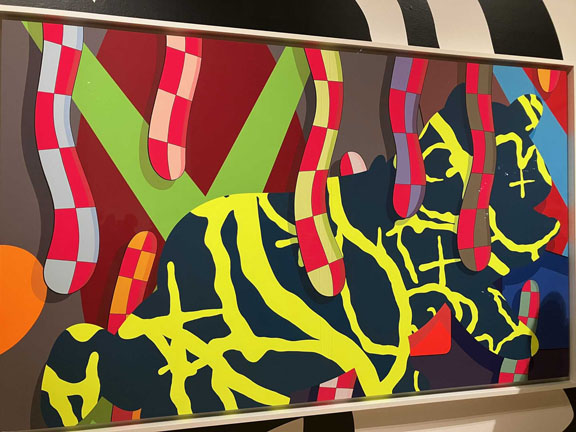
Organized by the Art Gallery of Ontario (AGO) and curated by Julian Cox, Deputy Director & Chief Curator at AGO, the new show at the San Francisco Museum of Modern Art (SFMOMA) presents more than 100 works by KAWS (Brian Donnelly) in the “KAWS: FAMILY” exhibition, locally curated by Daryl McCurdy, Curatorial Associate, Architecture and Design, SFMOMA.
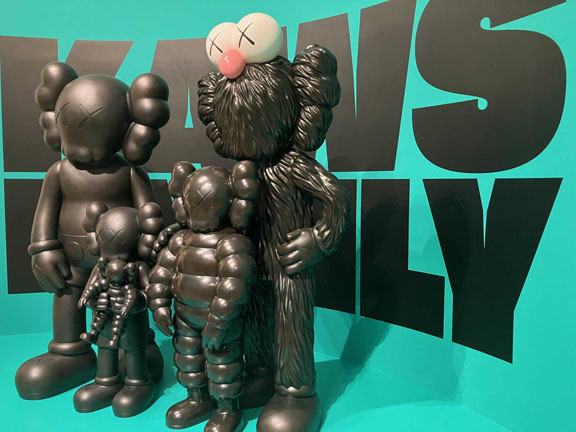
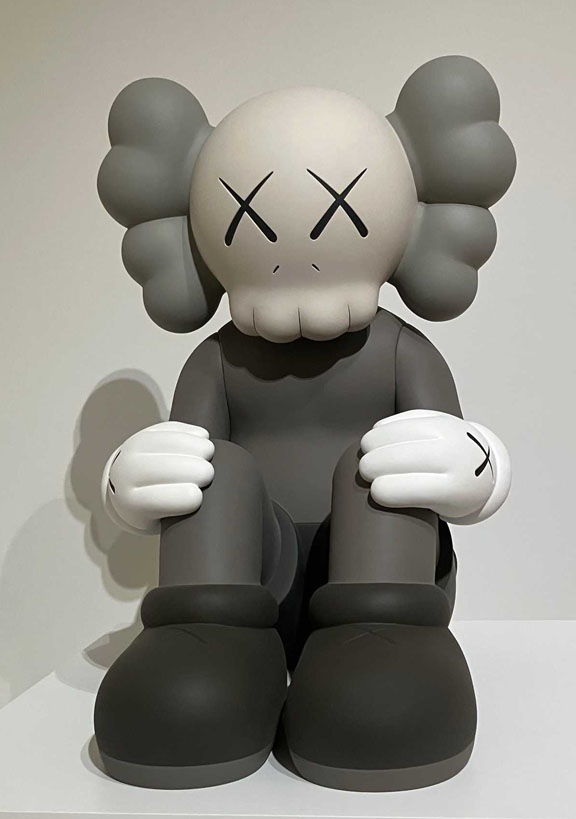
On view through May 3, 2026, the exhibition includes several large-format sculptures of cartoonish figurines with KAWS’s signature crossed-out “dead eyes,” fluffy mouths and protruding oversized ears alongside the same-subject smaller figures and drawings, some abstract paintings, commercial projects, and the artist’s take on the pop culture iconic American sitcom “The Simpsons” renamed “The Kimpsons” for the occasion.

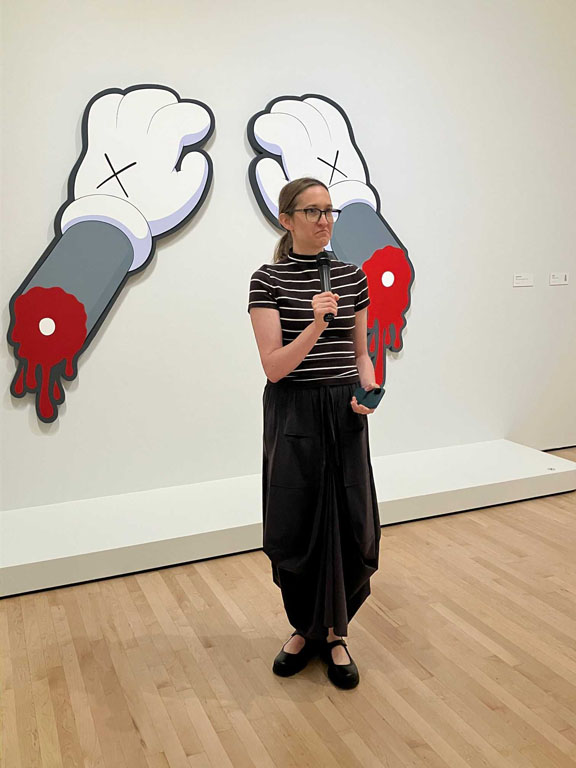
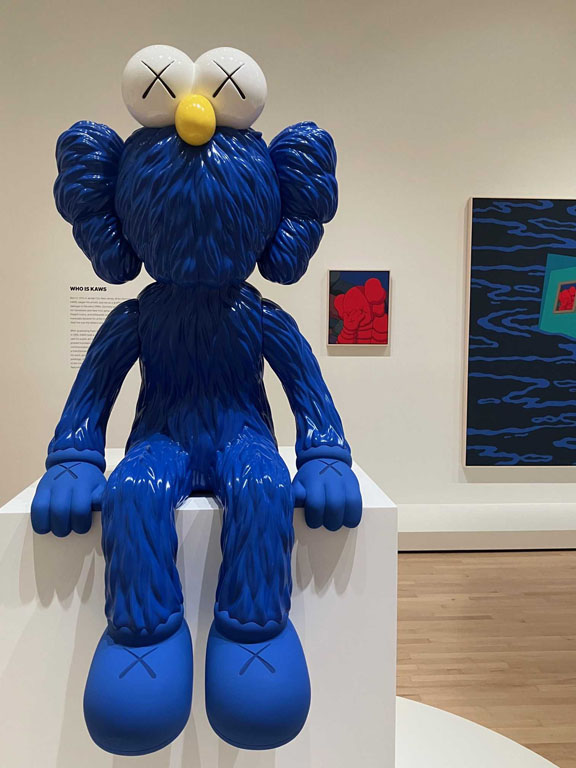
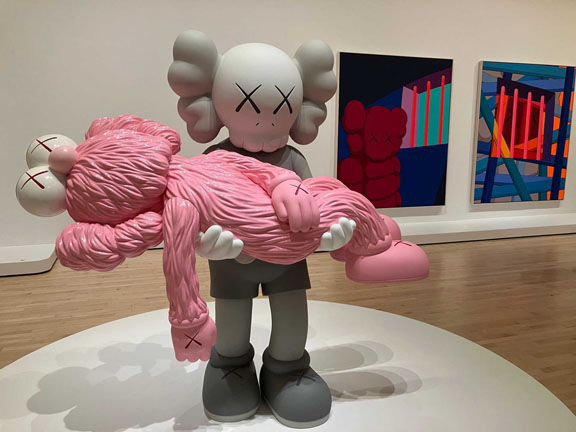
“KAWS: FAMILY” refers to a group of recurrent “characters” in various poses, forms and sizes interacting with each other in a straightforward, easily readable way. Those characters are COMPANION with gloved hands and a skull head, a bulbous CHUM, and a furry BFF, plus a smaller version of COMPANION.
The large sculptures are made primarily of fiberglass, aluminum, wood, and bronze, and covered with acrylic paint whose bright shine resembles aniline dye.


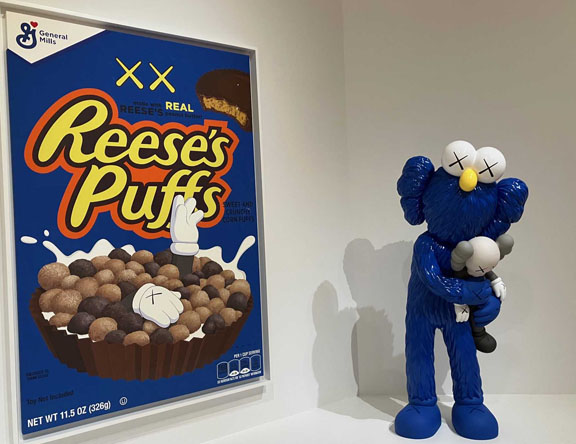
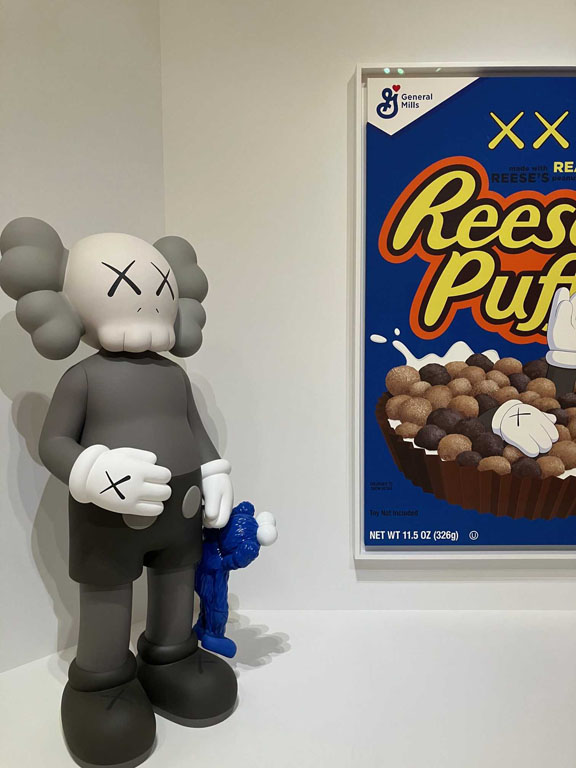
Born in Jersey City, and making his way in contemporary art from street graffiti to billboards to brand collaborations to the exhibition spaces around the world, KAWS has exhibited in the U.S., Canada, UK, Australia, China, Qatar, and Japan.
“KAWS has a distinct appeal to a vast array of audiences with his iconic characters and meticulous work in a stunning range of mediums,” said Christopher Bedford, Helen and Charles Schwab Director of SFMOMA. “The playful and contemplative works—a dynamic blend of his street art practice and formal education—offer something for everyone. His large-scale public installations have wowed audiences worldwide, and his playful and poignant retrospective exhibition promises to connect museum visitors with art in entirely new ways.”
The dedicated KAWS museum pop-up store carries KAWS collectibles, apparel, posters and other limited-edition items available only at SFMOMA.
San Francisco Museum of Modern Art is located at 151 Third Street, San Francisco. To learn more, visit www.sfmoma.org/exhibition/kaws-family.
 Real Travel Adventures