
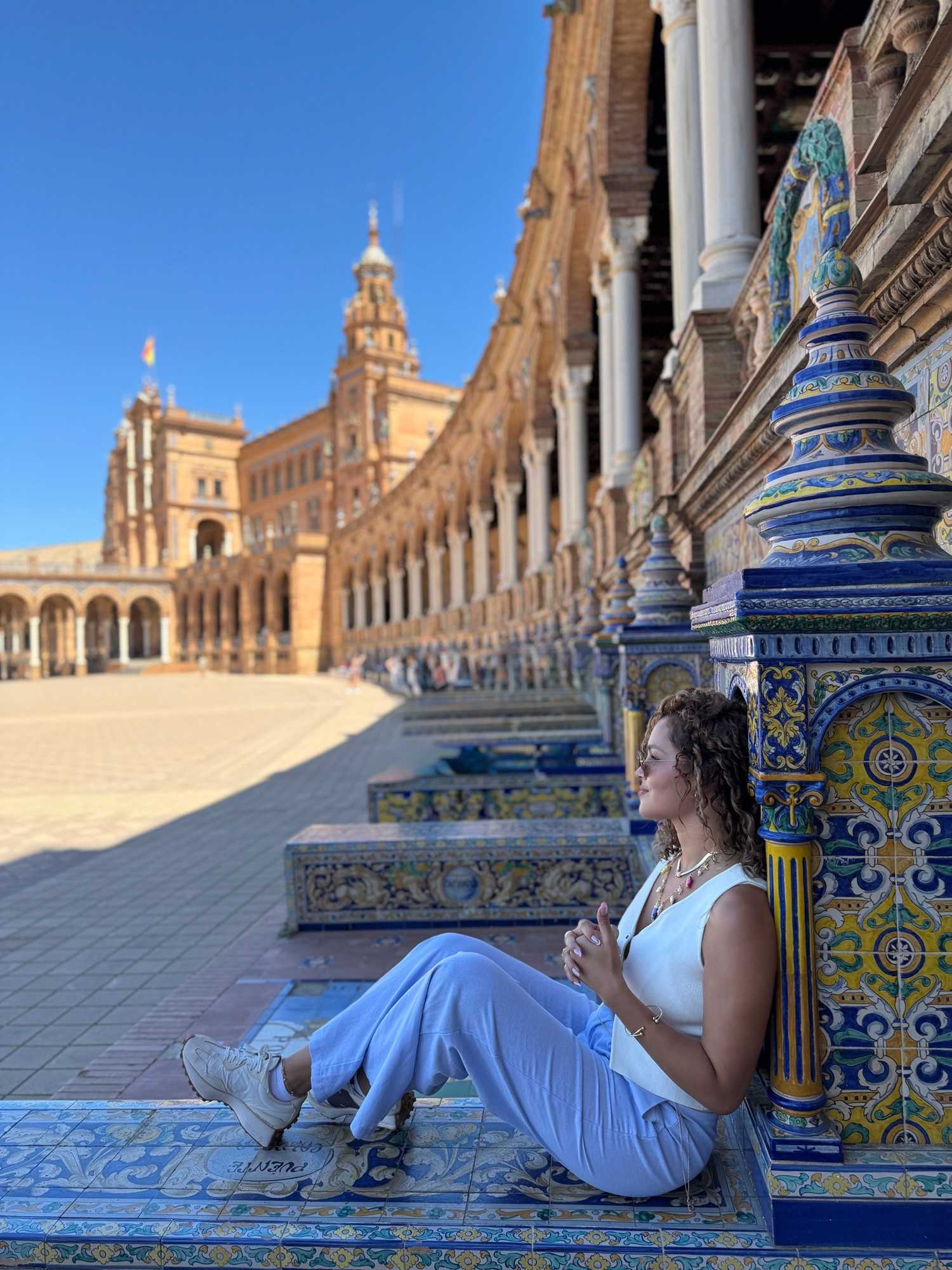

By Lauren Rizzoli
Holidays have, in part, been gauged as successful if they’ve delivered a packed itinerary. Early breakfast, famous landmark, museum, lunch somewhere highly recommended, another landmark, walking tour, dinner reservation, evening drinks – repeat until departure day. By the time you arrive home, you generally need another holiday.
Slow travel offers a rather more appealing alternative; instead of trying to see everything, the idea is to experience somewhere at a gentler pace. This allows more time for leisurely mornings, long lunches, spontaneous detours and, importantly, doing absolutely nothing for a while.
What exactly is slow travel?
At its heart, slow travel is about changing your relationship with a destination. Rather than squeezing five cities into seven days, a slow traveler might choose one and settle in. Instead of ticking off all the nearby attractions, you might spend an afternoon sitting at a café in a village square, sampling the menu and chatting with locals at the next table. Or, you might wander the markets and stumble upon a restaurant that wasn’t mentioned in the guidebook.
That can make the trip feel more personal, too. Staying longer gives you the chance to get beyond the obvious sights and notice the smaller details: the regulars gathering at a neighbourhood taverna, the best place to watch the sunset, or a quiet walking route with nice views, away from the crowds.
Why are travelers embracing slower holidays?
Part of the appeal is simple: modern life is busy enough. For many people, a holiday is the only time when there’s a real chance to step away from the constant cycle of work, messages, appointments and alarms. A trip where every day has a 7am wake-up and a packed schedule doesn’t particularly provide much of an escape.
Taking the slow travel approach means you can sleep until you wake up naturally, linger over breakfast, spend an hour reading or go for a stroll without worrying about what you’re supposed to be doing next.
This growing interest in rest is also reflected in the rise of sleep tourism. Skyscanner’s research into the trend explores how travelers and hotels are placing greater emphasis on quality sleep, relaxation and experiences that are designed to leave people feeling rejuvenated rather than exhausted.
And the two ideas fit together rather nicely. A slower itinerary naturally creates more opportunities for rest, while a well-rested traveller is arguably better placed to appreciate everything a destination has to offer.
How to plan a slower holiday
The best way is to start doing less. Choose accommodation that makes you want to spend time there – it can be more than a place to sleep and shower. A peaceful guesthouse, a countryside inn or a hotel with a good terrace can become an integral part of the holiday experience.
Then, importantly, and perhaps more of a challenge: resist the temptation to fill every blank space in your calendar. Book a couple of things you genuinely want to do and leave the rest open. Go for a walk without a particular destination in mind. Eat somewhere because it smells good. Take the scenic route. Have another coffee. Let yourself have a lie-in.
Slow travel isn’t about seeing less for the sake of it. It’s about noticing more – and perhaps finally giving yourself permission to enjoy the holiday while you’re actually on it.

